
Cotswold hilltop character
Bourton-on-the-Hill
A steep stone village with valley views, long-distance paths, an acclaimed pub and remarkable gardens close by.
- Best for
- Gardens, historic buildings and country walks
- Give it
- A full day with time for a garden visit
- Don't miss
- The hilltop outlook and the Church of St Lawrence
The Fox verdict
A small hill village with unusually rich days out
Bourton-on-the-Hill pairs Cotswold-stone character and open walking with an acclaimed dining pub and several distinctive gardens and estates.
Come for the Horse and Groom, the Heart of England Way and the Grade I Church of St Lawrence, then build out the day with Bourton House Garden, Sezincote, Batsford Arboretum or the adjacent falconry centre.
Where to go
Places in Bourton-on-the-Hill
Every place below is checked against a published source, listed with what it is and how long to give it.
Local signatures
3 placesHorse and Groom
A dog-friendly country inn and dining pub with rooms, a large garden, valley views and traditional British cooking based on local suppliers and local game.
- Visit length
- Editorial estimate: Allow around 90 minutes
- Locality
- at the top of the hill
Bourton House Garden
A three-acre garden with topiary, rare and exotic planting and spring-fed water features, accompanied by a seven-acre pasture walk among specimen trees.
- Visit length
- Editorial estimate: Allow around 90 minutes
- Locality
- in the village itself
Batsford Arboretum
Sixty acres of rare trees, shrubs and bamboos, including Japanese flowering cherries, with a visitor centre, cafe, garden centre and gift shop.
- Visit length
- Editorial estimate: Allow around 90 minutes
- Locality
- a short way off
Walks & outdoors
2 placesHeart of England Way
A roughly 100-mile long-distance route between Cannock Chase and Bourton-on-the-Water, with official sections linking Bourton-on-the-Hill to Broad Campden and Upper Swell.
- Visit length
- Editorial estimate: Allow around 120 minutes for a village-based stretch
- Locality
- passes through the village
Cotswold Falconry Centre
A bird-of-prey centre offering experiences and flying displays beside Batsford Arboretum.
- Visit length
- Editorial estimate: Allow around 90 minutes
- Locality
- adjacent to Batsford Arboretum
History & heritage
2 placesSezincote House and Garden
A Rajasthan-inspired Mughal house with a copper onion dome, minarets, peacock-tail windows and jali railings, set within a Repton landscape.
- Visit length
- Editorial estimate: Allow around 90 minutes
- Locality
- neighbouring Sezincote
Church of St Lawrence
A Grade I church with a 12th-century nave, later medieval work and a surviving Romanesque south arcade with circular piers and scalloped capitals.
- Visit length
- Editorial estimate: Allow around 45 minutes
- Locality
- Bourton-on-the-Hill
No places match this filter. Choose All places to reset the list.
Three ways to explore Bourton-on-the-Hill
Signature outings
Romanesque and Medieval Layers
At the Grade I Church of St Lawrence, the 12th-century nave and Romanesque south arcade sit alongside later medieval additions.
Sezincote's Mughal Fantasy
Sezincote brings a copper onion dome, minarets, peacock-tail windows and jali railings to its Repton landscape.
Birds of Prey at Batsford
The Cotswold Falconry Centre beside Batsford Arboretum offers bird-of-prey experiences and flying displays.
The village story
Bourton-on-the-Hill Village Guide
A hilltop village of ambitious cooking, long views, historic stonework and remarkable gardens.
The Hilltop Inn and Its Brewery
At the top of the climb, where the A44 finally levels out, the Horse and Groom looks back east over Moreton-in-Marsh and the Evenlode valley. It is the village's one pub, a stone country inn with rooms, a large garden and, since 2024, a kitchen run by Nathan Eades and Liam Goff. Their cooking is classic British and leans on local suppliers and local game: grilled meat with fries, peppercorn sauce and salad; pies, pasta and burgers; a poached pear and almond tart that the Michelin inspectors singled out. The pie has a reputation of its own, having been called the best in England by The Times. Michelin has kept the pub in its Bib Gourmand list. Giles Coren went further, describing it as "almost certainly the best pub in England."
Dogs are welcome in both the bar and the bedrooms, and the garden is where you want to be on a clear afternoon, with views across the valley. The pub is tied to the Donnington Brewery, which still brews using a water wheel at a thirteenth-century mill, where Richard Arkell started making beer in 1865. No particular ale on the pumps can be promised in advance, so order and see.
Paths, Orchard and Village Life
The rest of the village is a main street of Cotswold stone that climbs the escarpment. Bourton climbs rather than sprawls, and the main pleasure of staying here is the walking that starts at the door. The Heart of England Way passes straight through on its hundred-mile line between Cannock Chase and Bourton-on-the-Water; a signed section drops down toward Broad Campden one way and heads on to Upper Swell the other. Nearby runs the Monarch's Way, which traces Charles II's escape after the Battle of Worcester in 1651. Footpaths lead out through open fields and woodland into the kind of long views the hilltop promises.
Two of those views have been planted deliberately. Behind Middle Farm the community orchard holds more than thirty fruit trees, extended in 2023 by Coronation Wood, native British trees put in for Charles III's coronation. Above the village, off Keytes Lane, Millennium Wood was established in 2000 on land given by a local farmer, Michael Gaden, and the Towler Trust, with the trees paid for by people who live here. The Old School serves as the village hall, hosting clubs, screenings, an annual fête and Open Gardens.
Two Remarkable Garden Estates
Bourton House sits in the village itself, on land that once belonged to a monastery. Its tithe barn carries a dedication stone dated 1570, and the house was rebuilt in 1598 by the lawyer Sir Nicholas Overbury and again in the early eighteenth century by Alexander Popham, who kept its odd little towers. The three-acre garden that R. Paice and his wife made here from a wilderness over twenty-five years is now topiary, exotic planting and spring-fed water, with a seven-acre pasture walk among specimen trees. It won a national garden-of-the-year award two decades after first opening for a single afternoon in 1987.
The stranger house is next door. At Sezincote, Charles Cockerell had his architect brother Samuel build a Mughal palace of copper onion dome, minarets and peacock-tail windows, finished in a Rajasthan style around an English Greek Revival interior, with a Repton landscape falling away to spring-fed pools. The Prince Regent visited in 1807, and the visit reportedly influenced his revised plans for Brighton's Royal Pavilion. The estate believes it may be the only surviving Mughal building in Western Europe.
Church, Railhead and Nearby Nature
The church, now St Lawrence and dedicated to St Mary in the Middle Ages, is Grade I: a twelfth-century nave, a fourteenth-century chancel, a fifteenth-century tower, and a nineteenth-century porch. Inside are a Romanesque arcade on round scalloped piers, an octagonal font, and a standard Winchester bushel and peck from 1816 kept for the honest measuring of grain.
Moreton-in-Marsh, the market town and station, is two and a half miles east on the Cotswold Line to London and visible from the top of the street. Batsford Arboretum and its falconry centre are a short way off. On a still evening the best seat in the village is the pub garden, with the valley going gold and a dog asleep under the table.
Stay around Cotswolds
Make a longer stay of it
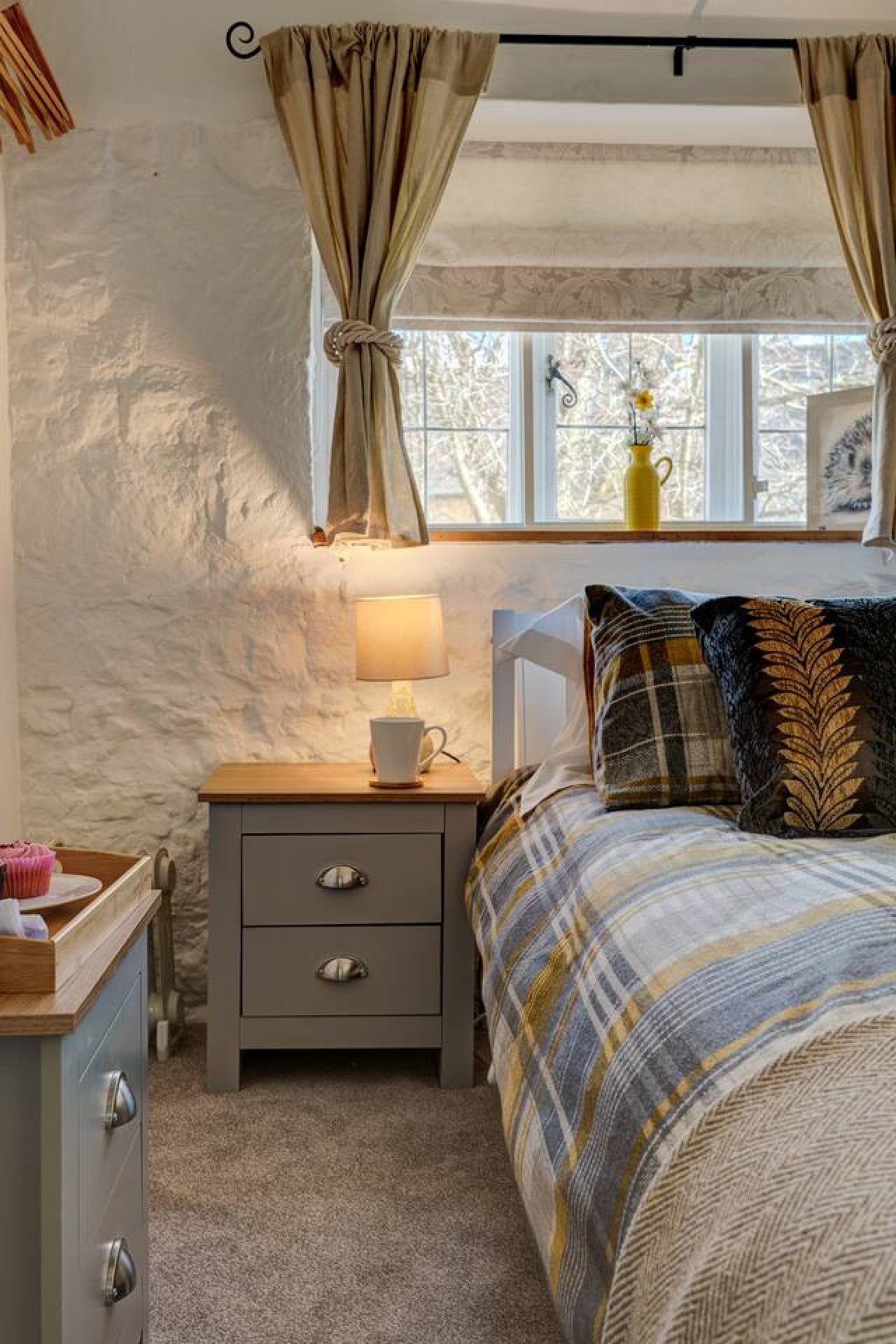
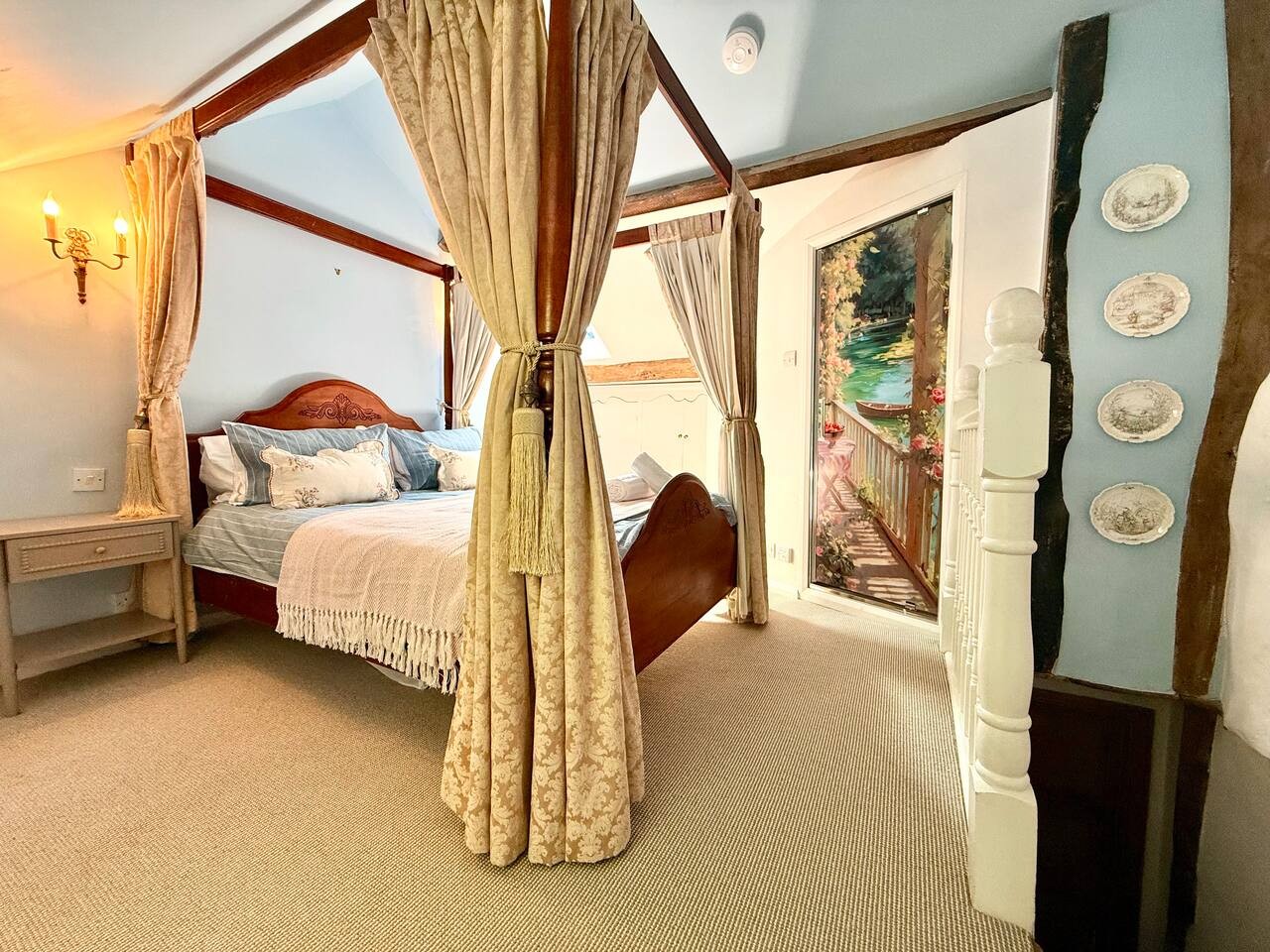
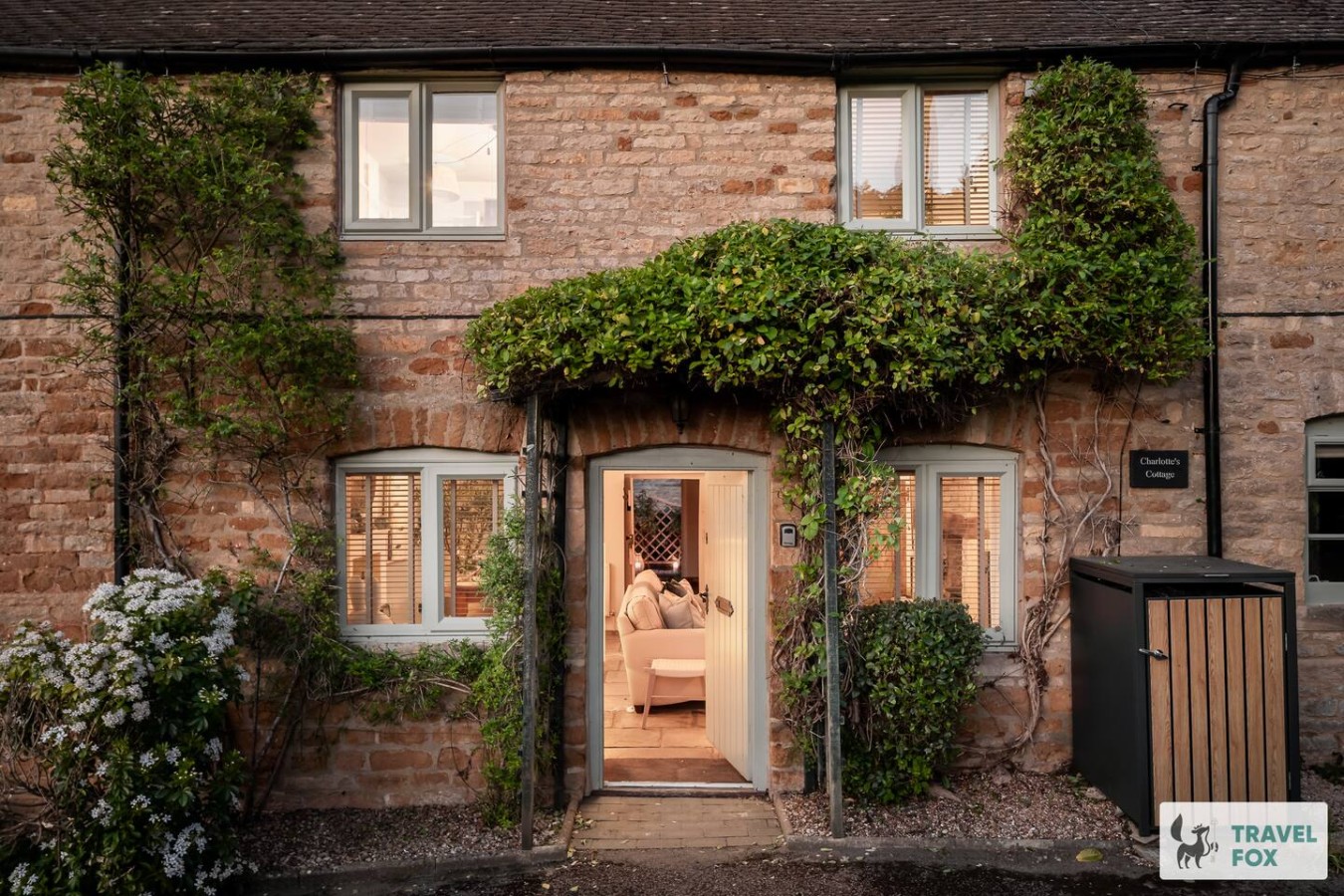
Travel Fox holiday homes around Cotswolds, linked directly to their property pages.
For homeowners
Own a holiday home near Bourton-on-the-Hill?
We manage holiday lets across the Cotswolds from 12% commission, charged after cleaning costs, with no lock-in. A co-founder visits before you decide.
Holiday let management in the Cotswolds →
A guide with a point of view
Written from research. Edited for real journeys.
Use the Official site links for live practical details, then use this guide for context, ideas and room to explore.
Sources
Every place on this page is checked against a published source. Each entry links the record we used and names who publishes it.
- Horse and Groom — historicengland.org.uk statutory register or public authority record not machine-readable; publisher restricts automated access
- Heart of England Way — heartofenglandway.org operator, sector body or destination organisation
- Bourton House Garden — bourtonhouse.com operator, sector body or destination organisation
- Sezincote House and Garden — sezincote.co.uk operator, sector body or destination organisation
- Church of St Lawrence — historicengland.org.uk statutory register or public authority record not machine-readable; publisher restricts automated access
- Batsford Arboretum — historicengland.org.uk statutory register or public authority record not machine-readable; publisher restricts automated access
- Cotswold Falconry Centre — cotswold-falconry.co.uk operator, sector body or destination organisation