
Life in a steep-sided valley
Blockley
A brook-side village where silk-mill history, a landmark church, chef-led food and long Cotswold walks meet.
- Best for
- Church history, chef-led food and a nine-mile circular
- Give it
- A village meal and church visit, or 3¾–4½ hours for the circular
- Don't miss
- The church tower rising above the mills and cottages
The Fox verdict
A valley village with more than one reason to linger
Blockley pairs a steep, wooded setting and centuries of mill history with a chef-led café, two contrasting inns and a substantial circular walk.
Come for the late-12th-century fabric and monuments of St Peter & St Paul, then choose between café food, a country-pub menu and the Crown's South Asian evenings. The official circular supplies the longer day outdoors, while Batsford Arboretum and Sezincote extend the visit beyond the village.
Where to go
Places in Blockley
Every place below is checked against a published source, listed with what it is and how long to give it.
Local signatures
3 placesThe Great Western Arms
A country pub and restaurant with a five-table sun-trap courtyard, Hook Norton cask ales, Sunday roasts, quiz nights, live music and beer festivals.
- Visit length
- Editorial estimate: allow around 75 minutes
- Locality
- Station Road
- Access
- Dogs are welcome.
Craig Stanley at Blockley Café
A chef-led café run since 2017 by Blockley-born Craig Stanley, serving seasonal breakfast, brunch and lunch, pastries, doughnuts and Kembleford Seasonal Suppers.
- Visit length
- Editorial estimate: allow around 60 minutes
- Locality
- Blockley
- Access
- Well-behaved dogs are allowed downstairs, and the premises are described as disabled-friendly.
St Peter & St Paul
A Grade II* church with late-12th-century chancel and nave, a 1725–27 west tower, a 15th-century wooden screen, family memorials and ten bells.
- Visit length
- Editorial estimate: allow around 45 minutes
- Locality
- Blockley
Food & drink
2 placesThe Crown Hotel
A small historic country inn with rooms, a restaurant and real fire, serving Fuller's London Pride and hosting curry nights and South Asian food events.
- Visit length
- Editorial estimate: allow around 60 minutes
- Locality
- High Street
- Access
- The bar is open to non-residents.
Blockley Village Shop
A village shop in a community- and Lottery-funded Cotswold-stone building, with artisan produce and the makings of a picnic.
- Visit length
- Editorial estimate: allow around 20 minutes
- Locality
- adjoining Blockley Café
Walks & outdoors
2 placesChipping Campden to Blockley Circular
An official 9-mile circular that descends into Blockley for about three-quarters of a mile of village street before returning past a disused quarry.
- Visit length
- Editorial estimate: Allow 3¾–4½ hours
- Locality
- between Chipping Campden and Blockley
- Access
- Graded for moderate fitness because of possible steep slopes.
Batsford Arboretum
An arboretum of more than 2,850 labelled specimens, with Far Eastern plants including Japanese flowering cherries, maples, bamboo and magnolias.
- Visit length
- Editorial estimate: allow around 2 hours
- Locality
- close to Blockley
- Access
- The Stagecoach bus corridor passes Batsford.
History & heritage
1 placeSezincote
A 200-year-old Mughal-style Indian palace beneath a copper onion dome, with temples, grottoes, waterfalls and canals in its grounds.
- Visit length
- Editorial estimate: allow around 2 hours
- Locality
- nearby privately owned estate
No places match this filter. Choose All places to reset the list.
Three ways to explore Blockley
Signature outings
Trace the church's layers
Look from the late-12th-century chancel and nave to the 1725–27 west tower, then find the wooden screen, memorials and bells inside.
Explore Batsford's Far Eastern collection
Move among more than 2,850 labelled specimens, including Japanese flowering cherries, maples, magnolias and bamboo.
See Sezincote's Mughal design
Take in the copper onion dome and a landscape of temples, grottoes, waterfalls and canals associated with the palace.
The village story
Blockley Village Guide
Food, silk-mill history and a landmark church unfold along a steep Cotswold valley, with a long circular and two distinctive attractions nearby.
Two inns with different menus
The Great Western Arms stands on Station Road with a small sun-trap courtyard of five tables at the back, which is worth knowing before you picture a lawn. The kitchen cooks chicken-liver pâté with pickled red onion and chutney, roasted lamb rump with chickpea-and-aubergine purée, pork belly with creamy mash and hispi cabbage, a wild-mushroom risotto, fish and chips, and monkfish tail in a vermouth sauce. The meat comes from Todenham Manor Farm and the vegetables from Veg Matters. Sundays bring a roast, and the printed menu lists a "dog roast" beside it; dogs are welcome. The pub advertises Hook Norton cask ales, and there are quiz nights, live music and the occasional beer festival.
Up on the High Street, the Crown Hotel is a small country inn with rooms, a restaurant and a real fire, its bar open to people who are not staying the night. It pours Fuller's London Pride, runs a Friday curry night and puts on South Asian food evenings, which is not what you expect from a Cotswold inn.
Café tables and the long circular
Then there is Blockley Café, run since 2017 by Craig Stanley, who grew up here and cooked at Buckland Manor, The Slaughters Manor House and Soho Farmhouse before coming home. Breakfast and brunch run to eggs Benedict and chorizo hash; pastries and doughnuts appear through the day, and every four weeks there is an evening "Kembleford Seasonal Supper." Well-behaved dogs are allowed downstairs. In the Cotswold-stone building adjoining the café, the village shop sells artisan produce and the makings of a picnic. You will want to walk.
The valley climbs steeply on both sides, meadow and arable field giving way to open wolds and wooded ridge, with Batsford Park framing the longer views. A signed nine-mile circular links Blockley with Chipping Campden, going out through Broad Campden and the Northwick Estate, past Norcombe Wood and Shales Coppice, dropping into the village for about three-quarters of a mile of street before climbing back past a disused quarry. Allow the better part of a morning; the grading is moderate mostly on account of the slopes. The nearest trains are at Moreton-in-Marsh on the Great Western line, and Stagecoach buses 1, 2 and 3 connect the two Monday to Saturday, carrying on to Chipping Campden and Stratford-upon-Avon.
Arboretum, palace and parish church
The same bus corridor passes Batsford Arboretum, where more than 2,850 labelled trees include the National Collection of Japanese flowering cherries, alongside maples, magnolias and bamboo. A little further sits Sezincote, a Mughal-style Indian palace under a copper onion dome, its grounds laid out with temples, grottoes and canals; the Prince Regent's visit in 1807 is credited with influencing the design of the Brighton Pavilion.
From the hills above, the church of St Peter & St Paul is usually the first thing you see, the tower rising as the road tips into the valley while the mills and cottages stay hidden below. The chancel and nave are late-twelfth-century, reworked in the fourteenth and fifteenth; the west tower was added in 1725–27 by Edward or Thomas Woodward of Chipping Campden. Inside there is a fifteenth-century wooden chancel screen, memorials to the Rushout and Childe families, busts by Rysbrack and a Baroque monument to Edward Croft. The ten bells include two cast in 1638, one inscribed "GOD SAVE THE KING 1638." On television the church stands in as St Mary's in Kembleford, and the old vicarage becomes Father Brown's presbytery.
Mills, silk and a valley afternoon
Blockley is older than any of it. The Domesday surveyors counted 107 households, twelve mills worth £2 11s 7d, and valued the whole place at £20. A minster here had been sold by Burgred of Mercia to the Bishop of Worcester back in 855. From the late eighteenth century the mills turned to silk-throwing, worked by twisters who came down from Coventry, and their housing still shapes the streets; when European trade resumed after 1815 the work slowly died away. Blockley belonged to Worcestershire, as a detached island of it, until the boundaries were tidied in 1931 and it became part of Gloucestershire.
Samuel Lewis, writing in 1848, called the setting "shady groves, fruitful vales, and sloping hills." Stand on the street on a still afternoon, with the brook going past and the tower up on its hill, and you can hear why the silk twisters came from Coventry to end up here.
Stay around Cotswolds
Make a longer stay of it
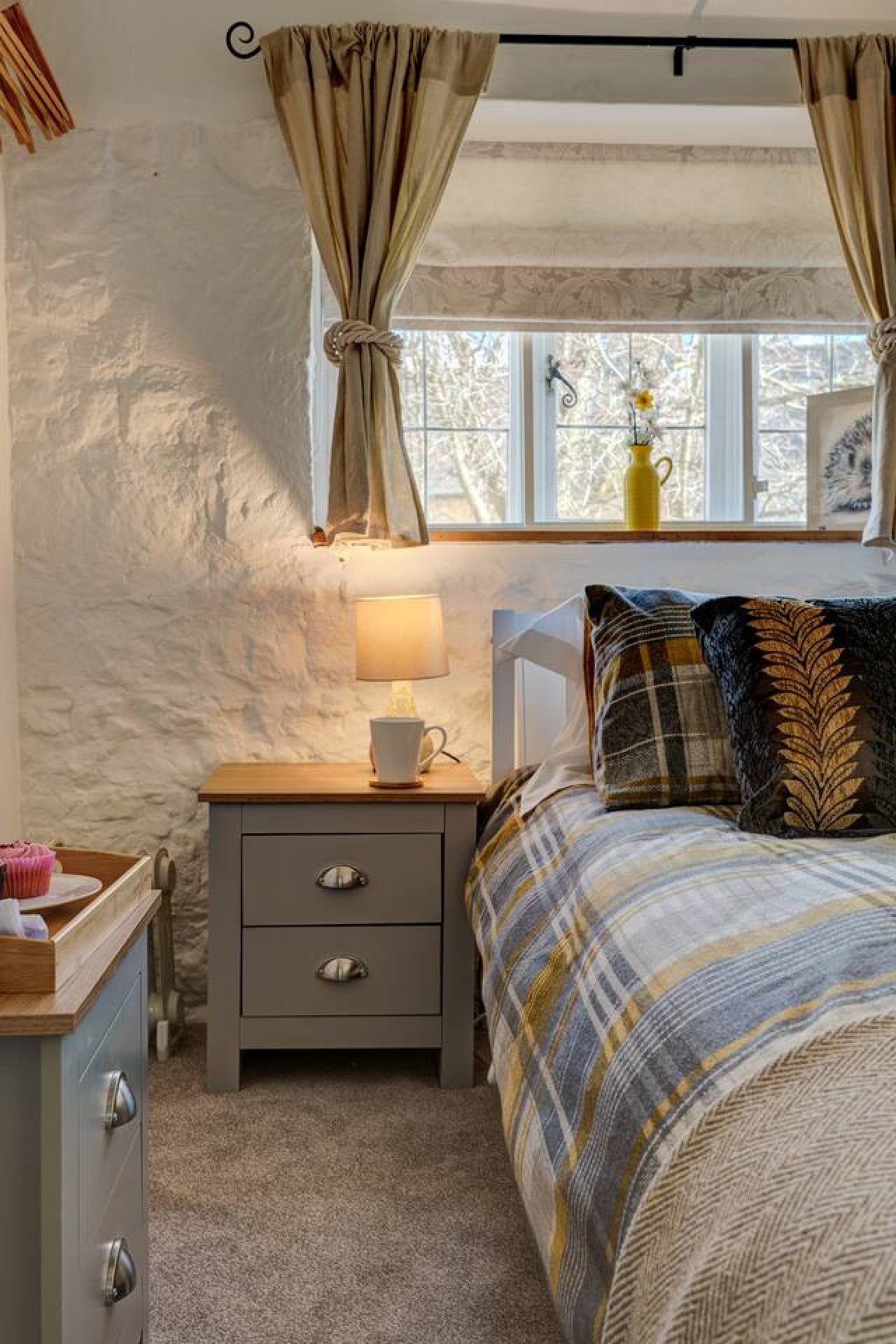
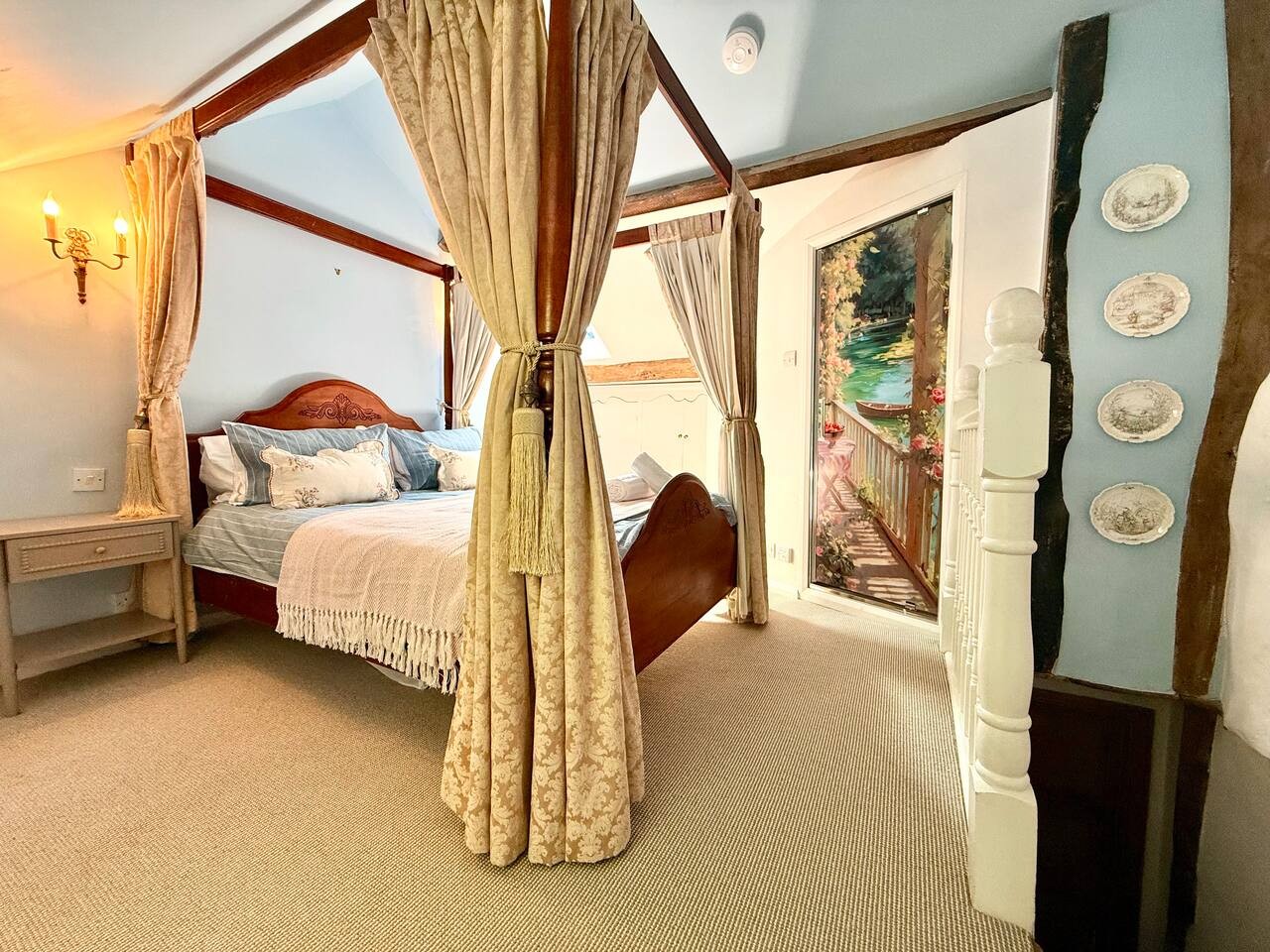
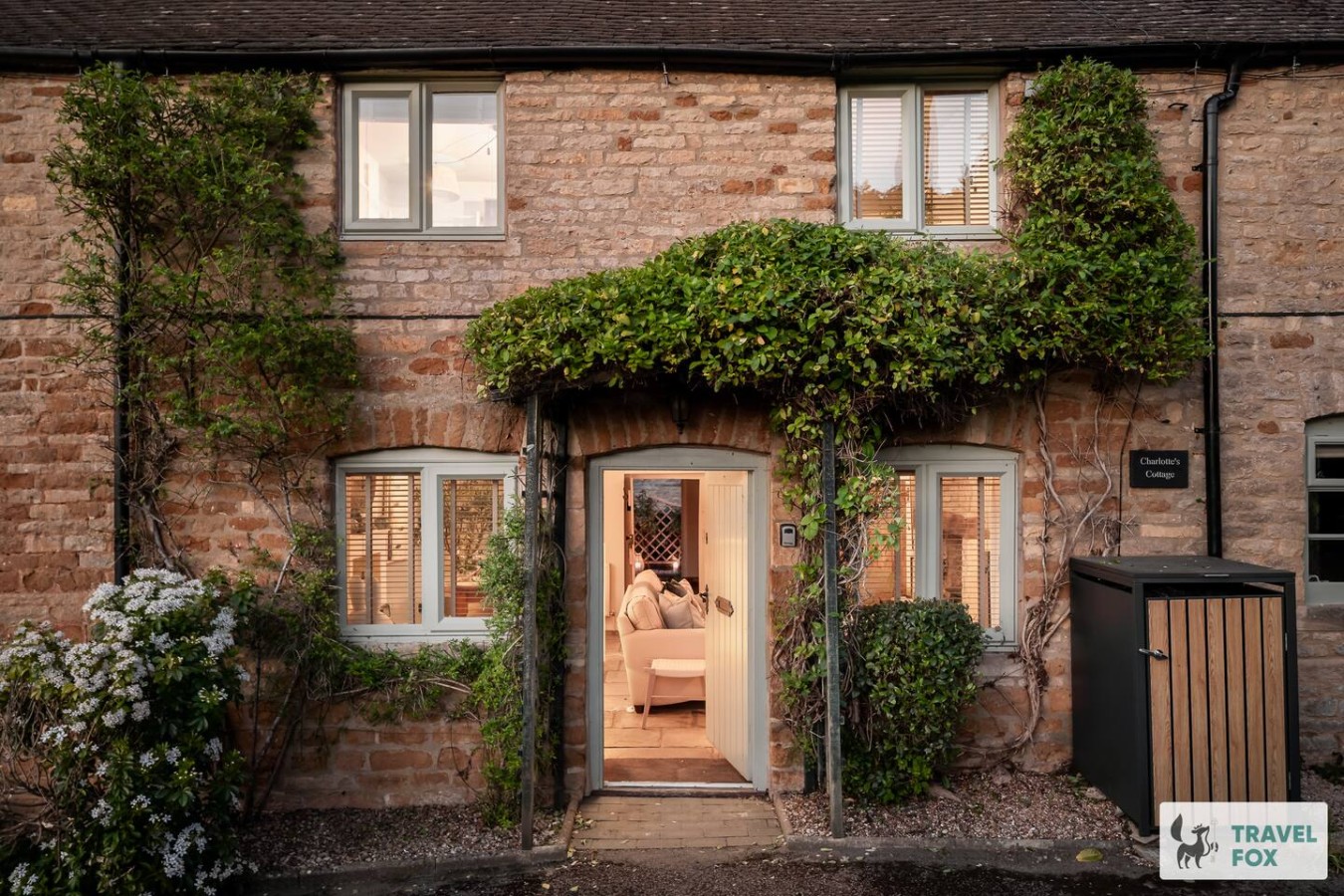
Travel Fox holiday homes around Cotswolds, linked directly to their property pages.
For homeowners
Own a holiday home near Blockley?
We manage holiday lets across the Cotswolds from 12% commission, charged after cleaning costs, with no lock-in. A co-founder visits before you decide.
Holiday let management in the Cotswolds →
A guide with a point of view
Written from research. Edited for real journeys.
Use the Official site links for live practical details, then use this guide for context, ideas and room to explore.
Sources
Every place on this page is checked against a published source. Each entry links the record we used and names who publishes it.
- The Great Western Arms — thegreatwesternarmsblockley.com operator, sector body or destination organisation
- The Crown Hotel — crownhotelcotswold.com operator, sector body or destination organisation
- Blockley Village Shop — cotswolds.com other published source
- Craig Stanley at Blockley Café — blockleycafe.co.uk operator, sector body or destination organisation record not machine-readable; publisher restricts automated access
- St Peter & St Paul — historicengland.org.uk statutory register or public authority record not machine-readable; publisher restricts automated access
- Chipping Campden to Blockley Circular — cotswolds-nl.org.uk other published source
- Batsford Arboretum — batsarb.co.uk other published source
- Sezincote — sezincote.co.uk operator, sector body or destination organisation