
Hillside village, singular stage
Longborough
A compact limestone village above the Evenlode valley, with an eighteenth-century inn, a medieval church and an opera house born in a stable block.
- Best for
- Village food, medieval detail and opera history
- Give it
- A half day, or longer with a nearby garden
- Don't miss
- St James's winged gargoyles and medieval monuments
The Fox verdict
A working village with an operatic surprise
Longborough pairs active village amenities with a remarkable festival story and field-and-hillside walking.
The pub, community shop and church give a visit a clear village focus, while Longborough Festival Opera supplies the distinctive cultural thread. Nearby Batsford and Sezincote add a circular walk, trees, gardens and country-house scenery.
Where to go
Places in Longborough
Every place below is checked against a published source, listed with what it is and how long to give it.
Local signatures
3 placesLongborough Community Shop and Café
A community shop and café serving pastries, hot pasties, sausage rolls, soup, sandwiches, homemade cakes and traybakes.
- Visit length
- Editorial estimate: Allow around 45 minutes
- Locality
- Longborough
- Access
- Dish availability should be checked rather than assumed.
Cotswold Barn
A family-owned café and gift shop trading since 2014, with breakfasts, sandwiches, cakes and Cotswold cream tea on its published menu.
- Visit length
- Editorial estimate: Allow around 60 minutes
- Locality
- Ganborough
- Access
- The barn has a dog-friendly area, the conservatory is dog-free, and outdoor seating is available.
Sezincote House and Garden
A 200-year-old Indian-inspired palace with a ravine garden of temples, grottoes, waterfalls, canals, a stream and pools.
- Visit length
- Editorial estimate: Allow around 90 minutes
- Locality
- near Longborough
- Access
- Visitor access is seasonal and limited to specified days; dogs other than assistance dogs are not admitted.
Food & drink
1 placeThe Coach & Horses, Longborough
An eighteenth-century Cotswold-stone, single-bar inn with flagstones, an open fire, a garden with village views and regular Donnington cask ales.
- Visit length
- Editorial estimate: Allow around 90 minutes
- Locality
- on a bank above the green and war memorial
- Access
- Dogs are welcome; menus change frequently, so named dishes are illustrative rather than promised.
Walks & outdoors
2 placesBatsford Circular via Longborough and Sezincote
A seven-mile circular linking three country-house landscapes by way of Bourton-on-the-Hill, field paths to Longborough and the return through Sezincote.
- Visit length
- Editorial estimate: Allow around 3.5 hours
- Locality
- Batsford, Bourton-on-the-Hill, Longborough and Sezincote
- Access
- The published route notes possible steep slopes and moderate-fitness demands; it verifies the route shape and terrain, not permanent waymarking or a current guided date.
Batsford Arboretum
An arboretum described by the opera's local guide as holding the country's largest private collection of trees and shrubs.
- Visit length
- Editorial estimate: Allow around 90 minutes
- Locality
- Batsford
History & heritage
2 placesChurch of St James
A Grade I church with fabric from the twelfth to fifteenth centuries, eight winged gargoyles, a medieval knight's effigy and the canopied Leigh tomb.
- Visit length
- Editorial estimate: Allow around 45 minutes
- Locality
- in Longborough's visual core
- Access
- No dependable current visitor-opening arrangement was found, so do not assume the interior will be open.
Longborough Festival Opera
An independent charity with a purpose-built 500-seat opera house, developed from two operas staged in a temporary stable-block theatre in 1991.
- Visit length
- Editorial estimate: Allow around 3 hours
- Locality
- Banks Fee
No places match this filter. Choose All places to reset the list.
Three ways to explore Longborough
Signature outings
Inn, Ale and Village View
Try the regular Donnington cask ales in an eighteenth-century Cotswold-stone inn with flagstones, an open fire and a garden overlooking the village.
Gargoyles and Leigh Tombs
Look for eight winged gargoyles beneath the tower parapet before tracing the medieval knight and the canopied Leigh tomb inside, if the church is open.
Sezincote's Ravine Garden
Explore an Indian-inspired house landscape of temples, grottoes, waterfalls, canals, a stream and pools on one of its limited visitor days.
The village story
Longborough Village Guide
An inn above the green, a richly detailed medieval church and an opera festival give this hillside village its uncommon range.
Inn and Sunday Table
The Coach & Horses sits on a bank above the green and the war memorial, an eighteenth-century inn of Cotswold stone with flagstones and an open fire in a single bar. Its regular real ales are from Donnington Brewery, about a mile off, where the spring water is drawn from beside the millpond and the original mill wheel still drives some of the brewing machinery. Donnington BB, SBA and Cotswold Gold are the regulars. Dogs are welcome, and there is a garden that looks out over the village.
The kitchen changes its menu often, so any single dish is a sample rather than a promise. Recent boards have run to French onion soup, baked figs with streaky bacon, blue cheese and honey, a ham-hock terrine, turkey buttermilk schnitzel with alpine potatoes, rib-eye, fish pie, and a roast-vegetable and pearl-barley stew, finishing on sticky-toffee pudding or a chocolate fondant with pistachio cream. Sunday brings a choice of at least four home-cooked joints, sometimes seasonal game, with a vegetarian option cooked to match.
Community Café and Ganborough
The community shop and café is one of what the parish calls its Big Five, alongside the church, school, pub and hall. It is run by a regular team, Jo, Becky and Andrew among them, and does breakfast croissants and pastries, hot pasties, sausage rolls, bacon sandwiches, soup, toasted sandwiches and homemade cakes and traybakes. At one point it had a Longborough gin made for it.
Out at Ganborough, a short way along the A424, Cotswold Barn is a café and gift shop that has traded since 2014. There is a dog-friendly area in the barn, a dog-free conservatory, and outdoor seating with a view over the hills. The menu runs to a full English, a pork-pie ploughman's, a Lashford sausage-and-chutney sandwich, back bacon with Somerset Brie and cranberry, and a Cotswold cream tea.
Hillside Circuit and St James
The village stands on a hillside above the Evenlode valley, between about 450 and 784 feet, which accounts for both the long views out and the climb up from the surrounding field paths. A seven-mile circuit links Batsford, Bourton-on-the-Hill, Longborough and Sezincote over roughly three and a half hours, taking in three country-house landscapes. Batsford Arboretum, on the same loop, holds the largest private collection of trees and shrubs in the country. Sezincote itself is an Indian-inspired house of two hundred years' standing, with a ravine garden of temples, grottoes, waterfalls and pools; it opens on limited days, and dogs other than assistance dogs are not let in.
St James is Grade I and medieval in its bones, twelfth to fifteenth century, with a Sezincote Chapel added by C. R. Cockerell in the 1820s. Eight winged gargoyles run beneath the tower parapet, there is a mass dial beside the south porch, and a fourteenth-century bellcote carries carved faces at its corners. Inside, a medieval knight lies in effigy with a dog at his feet and two angels supporting his pillow, near the canopied tomb of William Leigh, who died in 1631, and his wife Elizabeth, with their children carved around them.
Manors and Opera
The Leighs held the place for a long time. Two medieval manors were combined and became the property of Hailes Abbey; at the Dissolution in 1539 they passed to Thomas Leigh, a former Lord Mayor of London, and the estate stayed intact until it was sold in 1921. When the Domesday surveyors reached Longborough they counted twenty-five households and valued the whole of it at seven pounds, down from twenty a generation before.
The village's most unlikely export is opera. In 1991 Martin and Lizzie Graham began staging two operas a year in a temporary theatre inside a small stable block in the grounds of their home at Banks Fee. It grew into an independent charity with a purpose-built five-hundred-seat opera house, and in 2013 it mounted a complete Wagner Ring Cycle on a modest budget. The critic Rupert Christiansen wrote that "without big budgets, production gimmicks or star names, Wagner's vision has been honestly and thrillingly honoured." The Grahams' daughter, Polly, took over as artistic director in 2018.
Connections and Ashwell Spring
Moreton-in-Marsh, about three miles away, has the nearest station and a broader choice of shops and town services; Stow-on-the-Wold is a similar distance in the other direction, with the Fosse Way running between them. Buses through the village are community services on set days, a Tuesday run to Moreton and Chipping Norton and a Thursday circuit round the Oddingtons and Stow, so it is worth checking the day before you rely on one.
At the edge of the village, Ashwell Spring keeps an Anglo-Saxon name that people here read as Aesc's Well. It once filled the village buckets and the farmers' water carts, and even after the mains arrived they went on drinking from it, until the 1970s, when the water was finally declared unfit.
Stay around Cotswolds
Make a longer stay of it
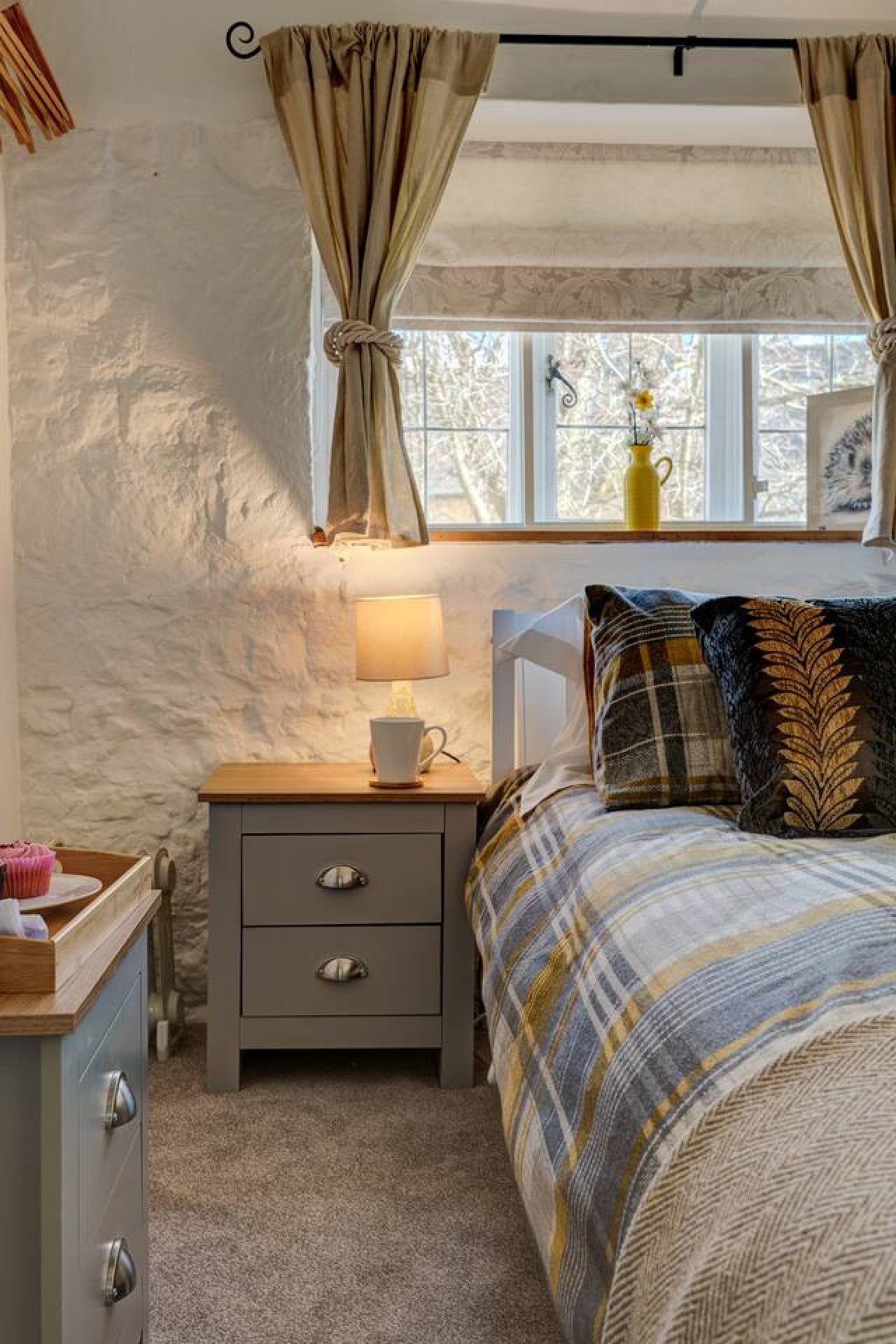
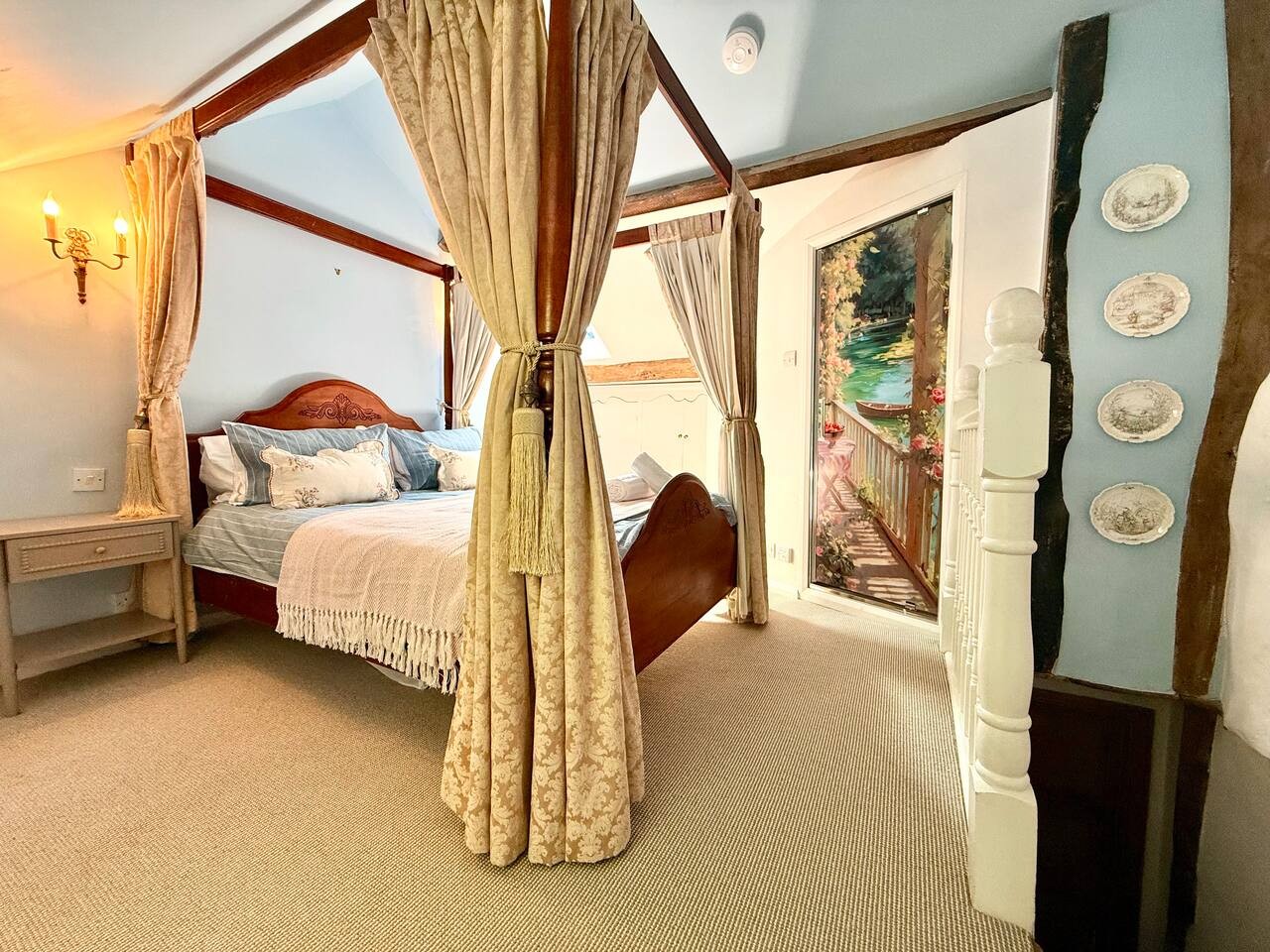
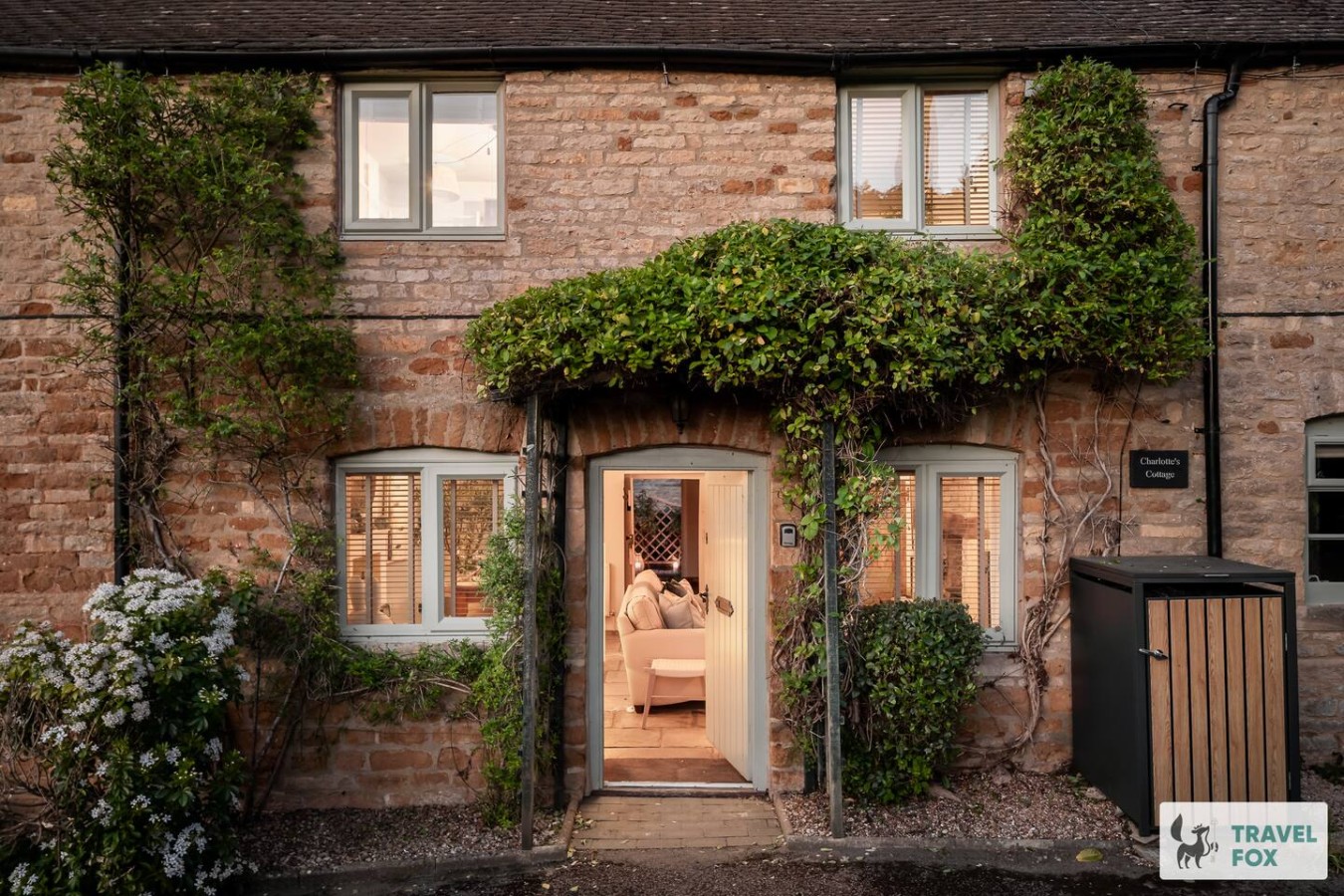
Travel Fox holiday homes around Cotswolds, linked directly to their property pages.
For homeowners
Own a holiday home near Longborough?
We manage holiday lets across the Cotswolds from 12% commission, charged after cleaning costs, with no lock-in. A co-founder visits before you decide.
Holiday let management in the Cotswolds →
A guide with a point of view
Written from research. Edited for real journeys.
Use the Official site links for live practical details, then use this guide for context, ideas and room to explore.
Sources
Every place on this page is checked against a published source. Each entry links the record we used and names who publishes it.
- The Coach & Horses, Longborough — coachandhorseslongborough.co.uk operator, sector body or destination organisation
- Longborough Community Shop and Café — longborough-pc.gov.uk statutory register or public authority
- Cotswold Barn — cotswoldbarn.com operator, sector body or destination organisation
- Church of St James — historicengland.org.uk statutory register or public authority record not machine-readable; publisher restricts automated access
- Batsford Circular via Longborough and Sezincote — cotswolds-nl.org.uk other published source
- Sezincote House and Garden — sezincote.co.uk operator, sector body or destination organisation
- Batsford Arboretum — batsarb.co.uk other published source
- Longborough Festival Opera — lfo.org.uk other published source