
Below Dover's Hill
Weston-sub-Edge
A village of Cotswold-stone hospitality, medieval traces and paths rising towards wide Vale of Evesham views.
- Best for
- Hill walks, medieval history and village pubs
- Give it
- A village visit with time for Dover's Hill
- Don't miss
- The church, moated site and Dover's Hill views
The Fox verdict
A small village with a long historical reach
Weston-sub-Edge pairs two village pubs and a family green with a medieval church, moated earthworks and Dover's Hill immediately above.
Come for the contrast between the village's community stops and its deeper history: St Lawrence's preserves medieval features, a public footpath crosses the neighbouring moated-manor earthworks, and Dover's Hill carries both the Cotswold Way and the Cotswold Olimpicks tradition.
Where to go
Places in Weston-sub-Edge
Every place below is checked against a published source, listed with what it is and how long to give it.
Local signatures
3 placesThe Village Bar
A small, relaxed community pub serving home-cooked Cotswold tapas, pub classics, light bites, Sunday roasts and homemade desserts, with pool and snooker upstairs.
- Visit length
- Editorial estimate: allow around 1 hour 15 minutes
- Locality
- at the front of the Village Hall
Medieval Moated Manor Site
A scheduled medieval complex with a roughly 92-metre-square island, a moat, outer banks, enclosures and linked ponds beside the church.
- Visit length
- Editorial estimate: allow around 45 minutes
- Locality
- beside the church
- Access
- A public footpath crosses the linear pond and earthworks.
Hidcote
A 10.5-acre, Grade I Arts and Crafts-inspired garden created by Major Lawrence Johnston and arranged as intimate outdoor rooms.
- Visit length
- Editorial estimate: allow around 1 hour 45 minutes
- Locality
- nearby
Food & drink
1 placeThe Seagrave Arms
A restaurant and country inn in a roughly 400-year-old, Grade II-listed Cotswold-stone building, serving local and seasonal produce with a garden courtyard and seven en-suite rooms.
- Visit length
- Editorial estimate: allow around 1 hour 30 minutes
- Locality
- Friday Street
Walks & outdoors
1 placeDover's Hill
A National Trust natural amphitheatre, Cotswold Way viewpoint and wildlife site with broad Vale of Evesham views and a long association with the Cotswold Olimpicks.
- Visit length
- Editorial estimate: allow around 1 hour 45 minutes
- Locality
- immediately above the village
- Access
- The approach is uphill through grassland and woodland; lower ground can be steep and uneven.
History & heritage
1 placeChurch of St Lawrence
A Grade II* 13th-century church with a 15th-century west tower, a large surviving stone altar, medieval carved figures, Wailes stained glass and an Elizabethan brass.
- Visit length
- Editorial estimate: allow around 45 minutes
- Locality
- Weston-sub-Edge
Things to do
1 placePlayground on the Green
A young-children's play area with a half-size football pitch, picnic tables, seating and a weather shelter.
- Visit length
- Editorial estimate: allow around 1 hour
- Locality
- on the Green
No places match this filter. Choose All places to reset the list.
Three ways to explore Weston-sub-Edge
Signature outings
Cotswold-stone hospitality
The Seagrave Arms brings local and seasonal food, real ales and a garden courtyard to a roughly 400-year-old Cotswold-stone inn.
Medieval details at St Lawrence's
Inside the 13th-century church are a large stone altar, carved medieval figures, a late-17th-century pulpit and Wailes stained glass.
The Vale from Dover's Hill
Grassland and woodland lead uphill to a natural amphitheatre with broad Vale of Evesham views and the Cotswold Way crossing the hill.
The village story
Weston-sub-Edge Village Guide
Village food and recreation give way to hill paths, medieval remains and stories spanning Roman occupation to a Civil War-era coin hoard.
Village Food and Useful Stops
Friday Street runs through the middle of Weston-sub-Edge, and on it stands the Seagrave Arms, a Cotswold-stone inn of about four hundred years with seven en-suite rooms upstairs. One part keeps the original beams, open fires and farmhouse furniture; the other is a smarter dining room. The kitchen leans on local and seasonal produce, and the bar pours real ales and works with Purity Brewing Company. Dogs are welcome, and there is a garden courtyard for the days that allow it.
At the front of the village hall is the Village Bar, run by Becky and her team since 2017. It is small and unfussy, family- and dog-friendly, with home-cooked Cotswold tapas, pub classics, light bites, Sunday roasts and homemade desserts. Upstairs there is a games room with pool and snooker.
What the village keeps is a book exchange and a tourist-information point.
The Green and Dover's Hill
On the Green there is a playground, opened in 2018, with a young children's play area, a half-size football pitch, picnic tables, seating and a weather shelter. The village hall has a bowling green alongside it.
The village sits at the foot of Dover's Hill, on the lower western edge of the Cotswold escarpment where it meets the Vale of Evesham. The Cotswold Way crosses the hill and reaches its northern end at Chipping Campden, about two miles off, where it meets the Monarch's Way and the Heart of England Way. The approach is uphill, through grassland and woodland, and from the top the Vale opens out; the lower ground can be steep and uneven underfoot. Closer to home, a public footpath marked on an 1840 map crosses the old moat and earthworks beside the church.
Dover's Hill itself is a natural amphitheatre. Robert Dover began his Cotswold Olimpicks there in 1612; they were revived in 1966 and still run each year.
Church and Moated Manor
St Lawrence's church is thirteenth-century, with a fifteenth-century west tower; it was heavily rebuilt in 1853–54 by F. Preedy. The stone altar inside is nearly a yard wide and eleven feet long. There is a late-seventeenth-century hexagonal pulpit, two carved medieval figures beneath fourteenth-century canopies, stained glass by Wailes dated 1854 and 1867, and an Elizabethan brass to William Hodges, who died in 1590. A medieval stone coffin lies outside the south chancel. When J. Harvey Bloom recorded the churchyard inscriptions in 1893, he found them "chiefly remarkable for their poetical character."
Beside the church is a scheduled medieval site: a moated manor with a roughly ninety-two-metre-square island and a moat up to twenty metres wide and three metres deep. Hugh Giffard probably built the residence, and the manor later passed through the Giffard family. Sir John Giffard joined the Earl of Lancaster's rebellion against Edward II and was hanged at Gloucester in 1322; the manor was forfeited, later restored to the family, and probably pulled down around 1800. Local tradition has its stone reused in the village walls.
Ancient Traces and a Coin Hoard
The place is older still. Roman coins and pottery point to occupation from the second century, and the road on the parish boundary, Ryknild Street, is now plain Buckle Street. When the Domesday surveyors reached Weston they counted thirty-one households and valued the whole manor at seven pounds, though other records put it at five; Ansfrid of Cormeilles was lord.
A later find came in 1981, during work on the old coach-house village hall. Under the centre beam was a lead container holding two gold and three hundred and seven silver coins, the latest dated 1642. They are now at the Corinium Museum in Cirencester.
Arriving and a Village Name
Trains run from Honeybourne, the nearest station, and the village lies on the B4632 between Broadway, three miles one way, and Chipping Campden, a little over two the other. Buses stop on both sides of the road by the Seagrave Arms: Johnsons service 1 between Moreton-in-Marsh and Stratford-upon-Avon, and the 606 to Cheltenham. Hidcote's garden rooms are nearby.
The old post office at the heart of it all is now a house called Popfosters, named for Jack Foster, who kept the Seagrave through the 1950s.
Stay around Cotswolds
Make a longer stay of it
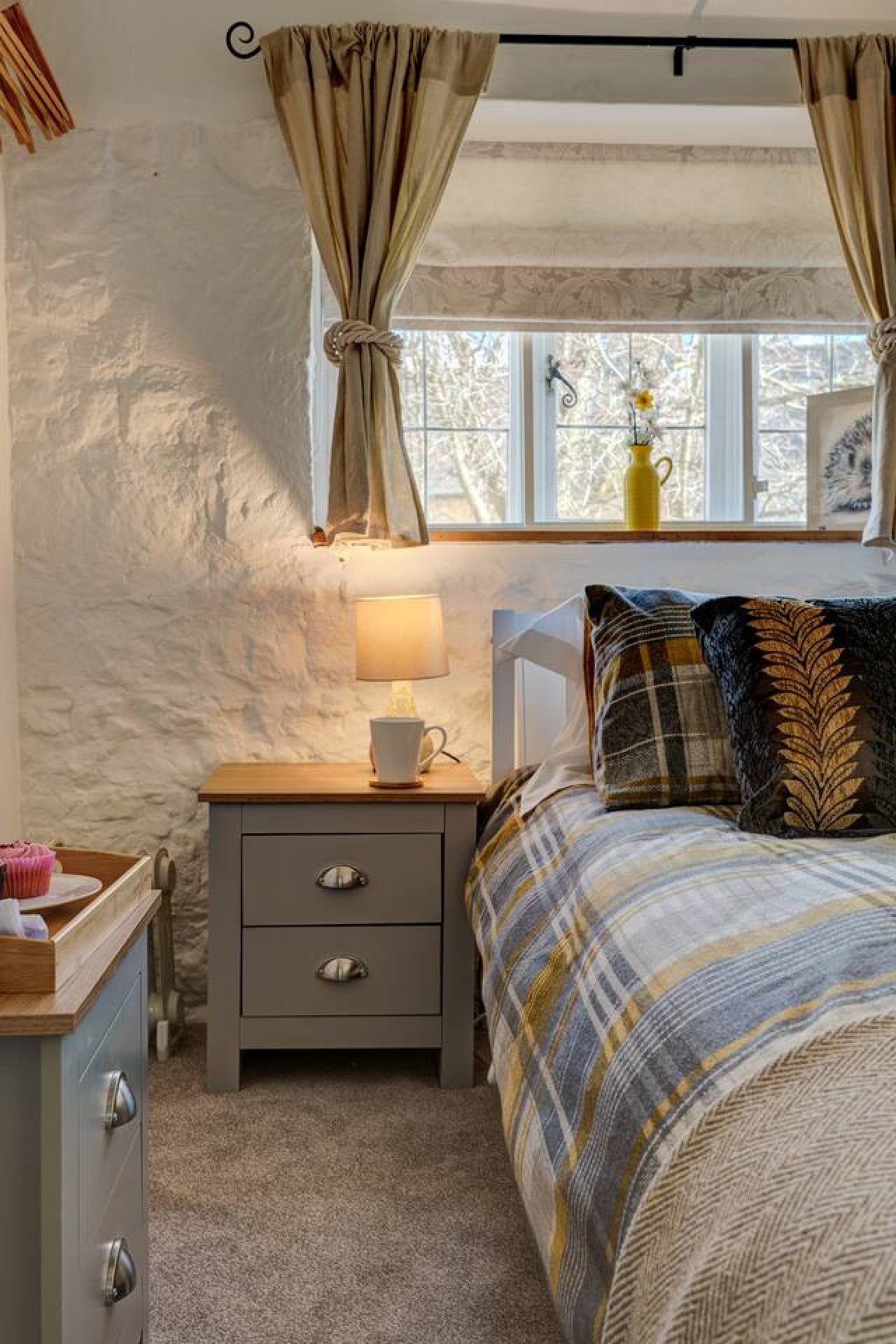
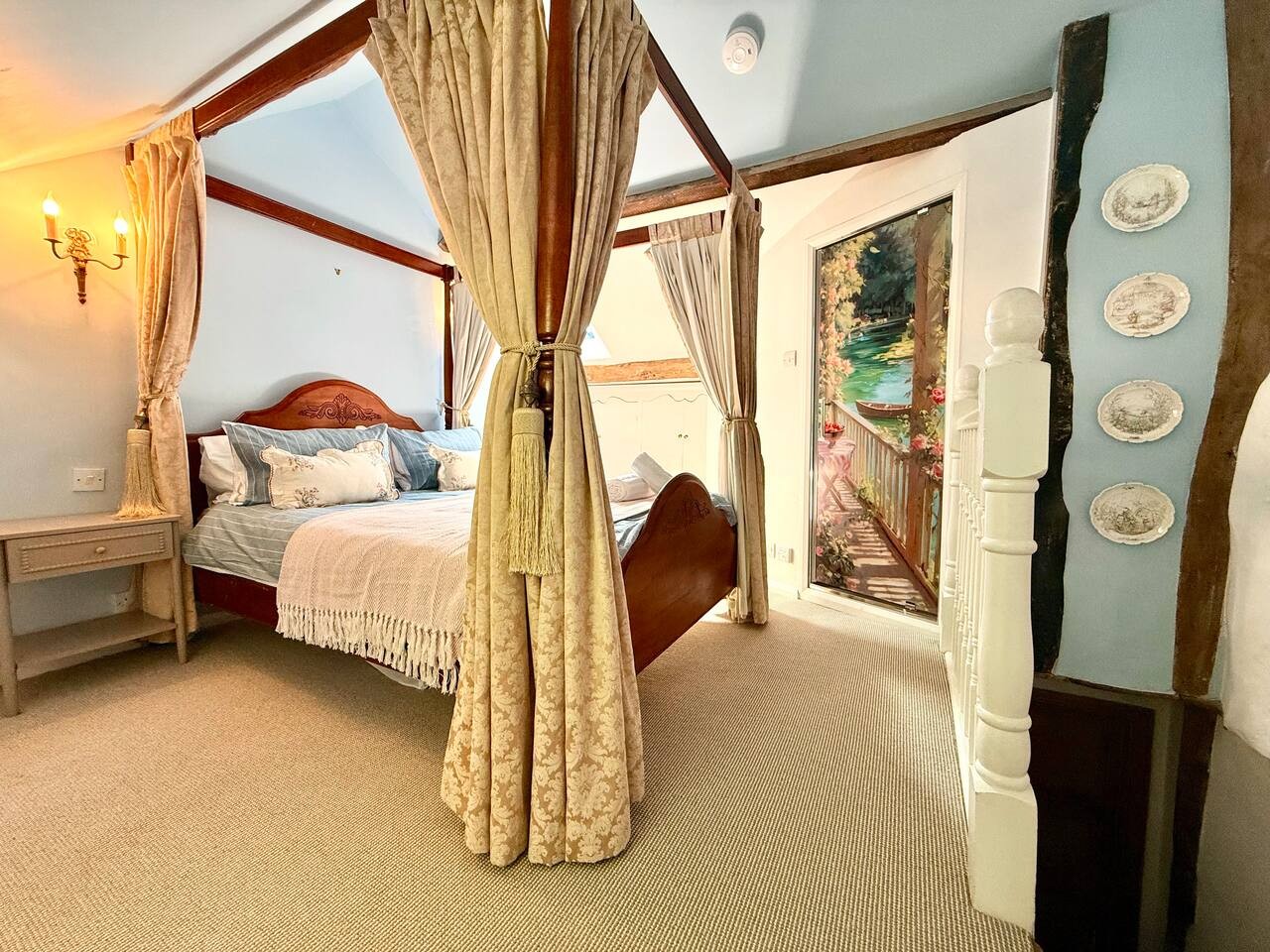
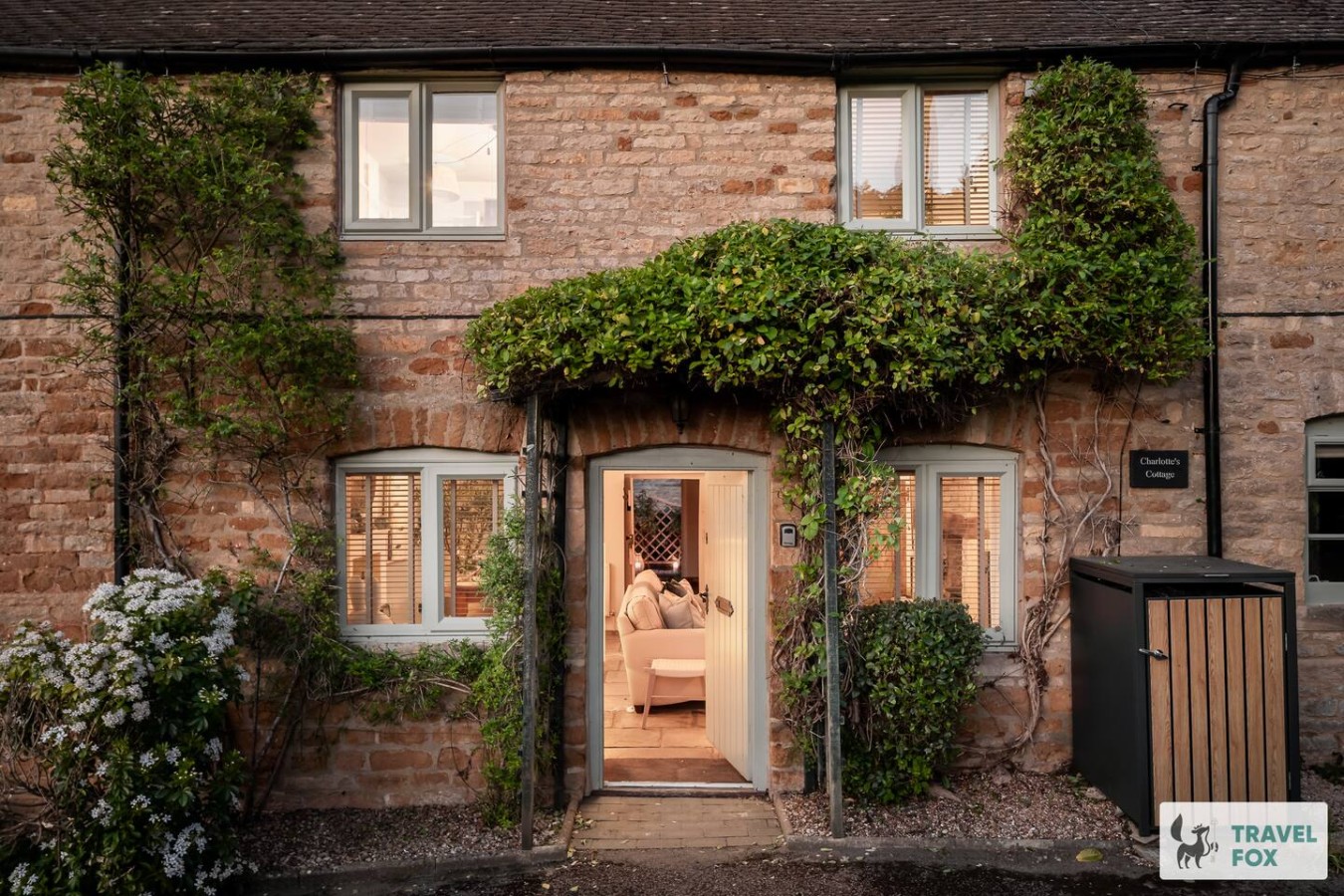
Travel Fox holiday homes around Cotswolds, linked directly to their property pages.
For homeowners
Own a holiday home near Weston-sub-Edge?
We manage holiday lets across the Cotswolds from 12% commission, charged after cleaning costs, with no lock-in. A co-founder visits before you decide.
Holiday let management in the Cotswolds →
A guide with a point of view
Written from research. Edited for real journeys.
Use the Official site links for live practical details, then use this guide for context, ideas and room to explore.
Sources
Every place on this page is checked against a published source. Each entry links the record we used and names who publishes it.
- The Seagrave Arms — theseagravearms.co.uk operator, sector body or destination organisation
- The Village Bar — westonvillagebar.co.uk operator, sector body or destination organisation
- Playground on the Green — westonsubedge.com other published source
- Church of St Lawrence — historicengland.org.uk statutory register or public authority record not machine-readable; publisher restricts automated access
- Medieval Moated Manor Site — historicengland.org.uk statutory register or public authority record not machine-readable; publisher restricts automated access
- Dover's Hill — nationaltrust.org.uk national body or asset manager
- Hidcote — nationaltrust.org.uk national body or asset manager