
Cold Aston, Gloucestershire
Cold Aston
A high, quiet limestone-wold village for Norman stonework, a 6.5-mile country circuit and nearby Cotswold history.
- Best for
- Church detail and wold walking
- Give it
- 3½ hours for the published circuit
- Don't miss
- St Andrew’s Norman south doorway
The Fox verdict
A quiet wold base with unusually rich stonework
Cold Aston suits visitors who want a substantial country walk, close church detail and a village story that reaches from Mercian landholding to twentieth-century community life.
Make the 6.5-mile Turkdean and Notgrove circuit the main event, then give St Andrew’s carved doorway, medieval fittings and Baroque monument proper attention. Local farm provisions and the wider locality’s museum and Roman villa add useful options.
Where to go
Places in Cold Aston
Every place below is checked against a published source, listed with what it is and how long to give it.
Local signatures
3 placesSt Andrew’s Church
A Grade I church with a 12th-century nave and chancel, a Perpendicular west tower, a richly worked Norman south doorway and notable medieval and Baroque details inside.
- Visit length
- Editorial estimate: around 30 minutes.
- Locality
- Cold Aston
Homegrown at Hampen
A nearby source of meat, vegetables, wool products and flour milled from heritage wheat.
- Visit length
- Editorial estimate: around 30 minutes.
- Locality
- Hampen
Cold Aston Fayre
An annual whole-community event presented by Cold Aston Parish Council.
- Visit length
- Editorial estimate: around 2½ hours.
- Locality
- Cold Aston
Food & drink
1 placeFir Farm
Milk dispensers filled with pasteurised, unhomogenised milk from Fir Farm’s Red Poll herd.
- Visit length
- Editorial estimate: around 15 minutes.
- Locality
- Fir Farm
Walks & outdoors
1 placeExploring Turkdean & Notgrove
A published circuit following a track to Turkdean, crossing undulating countryside to Notgrove and returning on the Gloucestershire Way.
- Visit length
- Editorial estimate: Allow about 3½ hours.
- Locality
- Starts near the Plough, Cold Aston
History & heritage
2 placesCotswold Motoring Museum
The Cotswold Motoring Museum is one of the named attractions in Bourton-on-the-Water, about three miles from Cold Aston.
- Visit length
- Editorial estimate: around 1½ hours.
- Locality
- Bourton-on-the-Water
Chedworth Roman Villa
A Roman villa with in-situ mosaics, hypocausts, bath-house rooms, a museum and family activities.
- Visit length
- Editorial estimate: Allow a half day.
- Locality
- Chedworth
- Access
- Approach roads are narrow.
Things to do
1 placeCold Aston Village Hall
Opened in 1926, the hall hosts village events, exercise classes, exhibitions and private hire, and has appeared in Father Brown and Sister Boniface.
- Visit length
- Editorial estimate: around 45 minutes for an event or exhibition.
- Locality
- Cold Aston
No places match this filter. Choose All places to reset the list.
Three ways to explore Cold Aston
Signature outings
Decode the Norman doorway
Look closely at the richly worked arch and honeycombed tympanum, then find the possible Saxon cross-shaft fragment reset in the porch.
Trace rooms through mosaics
Use the in-situ mosaics, hypocausts and bath-house rooms to follow the surviving plan of Chedworth Roman Villa.
Make time for motoring
Pair Cold Aston’s village history with the Cotswold Motoring Museum in nearby Bourton-on-the-Water.
The village story
Cold Aston: a high village with a long memory
The locked Travel Fox article moves from a waiting inn and wold landscape through local provisions, walking, church craftsmanship, village life and the survival of Town Well.
A High Village in Waiting
A notice in the window of the Plough Inn reads "Opening Soon." The seventeenth-century inn stands near the centre of Cold Aston, limestone rubble under a stone-slate roof, its mullioned windows facing the lane. John and Tiffany have signed the notice, and the plan behind it is a country pub with seasonal food and four rooms to stay in. For now the building waits, currently advertised as Opening Soon.
The village around it is high and quiet, reached by single-track lanes that climb onto the wolds. The ground rises from around 476 feet in the valleys to over 689 feet in the west, open rolling farmland most of the way, and in winter the streams here can drop out of sight underground at a place called Broadwater Bottom.
Farm Provisions and Wold Paths
Homegrown at Hampen sells meat, vegetables, wool products and flour milled from heritage wheat, and Fir Farm runs milk dispensers filled with pasteurised, unhomogenised milk from its Red Poll herd; you bring your own bottle and fill it.
Walking is a major attraction here. A 6.5-mile circuit starts near the Plough, following a track to Turkdean, crossing undulating country to Notgrove, and returning to Cold Aston along the Gloucestershire Way; allow about three and a half hours. Shorter loops can be pieced together from the same footpaths and bridleways. East of Camp Farm, on a ridge above the Windrush valley, a Neolithic long barrow survives as a rectangular mound some 36 metres long.
Stonework and Aston Blank
St Andrew's is worth the few minutes it takes to look at properly. The nave and chancel are Norman; the Perpendicular west tower came later, and David Verey called it "very good." The south doorway keeps a richly carved Norman arch and a honeycombed tympanum, and fragments reset in the porch include what may be a Saxon cross-shaft carved with intertwined serpents. Inside there is a fourteenth-century stone reredos, an Easter sepulchre, a tower vault resting on angel corbels, and a Baroque monument to Giles Carter, who died in 1664. It is one of a very small number of churches in Gloucestershire with no east window.
The name has moved back and forth. Around 740, Æthelbald of Mercia granted land here to Osred of the Hwicce, and the estate later passed to the church of Worcester. Much later the manor lord Robert Blanc seems to have lent his surname to Aston Blank, though the villagers went on saying Cold Aston until the official name reverted in 1972. A 1752 estate map shows the place ringed by four open fields and hundreds of narrow strips; enclosure came in 1796. The old pub, the Keeper's Arms, opened by the 1840s and closed in 1959; a picnic there in 1863 ended when a disturbance broke out and a village constable, Ambrose Whitman, was assaulted.
Village Life and Wider Days
The village hall, opened in 1926, is an active community venue now — exercise classes, exhibitions, private hire — and has twice stood in for somewhere else on television, playing Kembleford's hall in Father Brown and later turning up in Sister Boniface. The Cold Aston Fayre takes over the village on the first Saturday in August.
The nearest railway station is Kingham, about eight miles off, with Moreton-in-Marsh a further option on the Cotswold Line. The Pulhams 832 bus calls at the Plough stop on Wednesdays only, running to Notgrove, Turkdean and Andoversford, where it connects onward to Cheltenham on the 801; a car may be easier the rest of the week. Bourton-on-the-Water is three miles away, with its bridges over the Windrush, Birdland, the scale model village and the motoring museum; Chedworth Roman Villa, with its mosaics and bath-house rooms, fills a half-day if the weather turns.
The Last Wash at Town Well
Until 1951 the village drew its water from springs and wells, and the washing was still being done at the Town Well.
Stay around Cotswolds
Make a longer stay of it
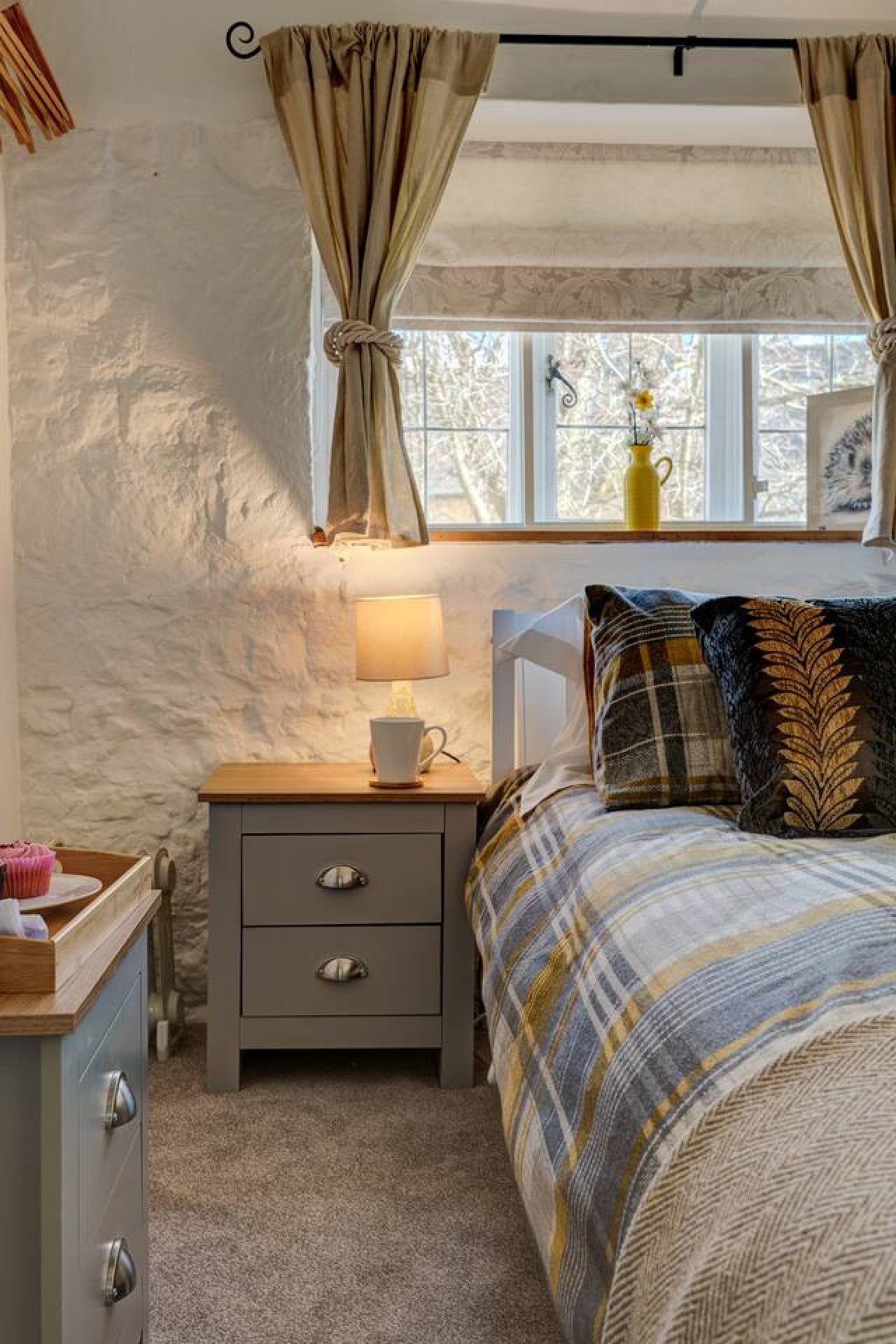
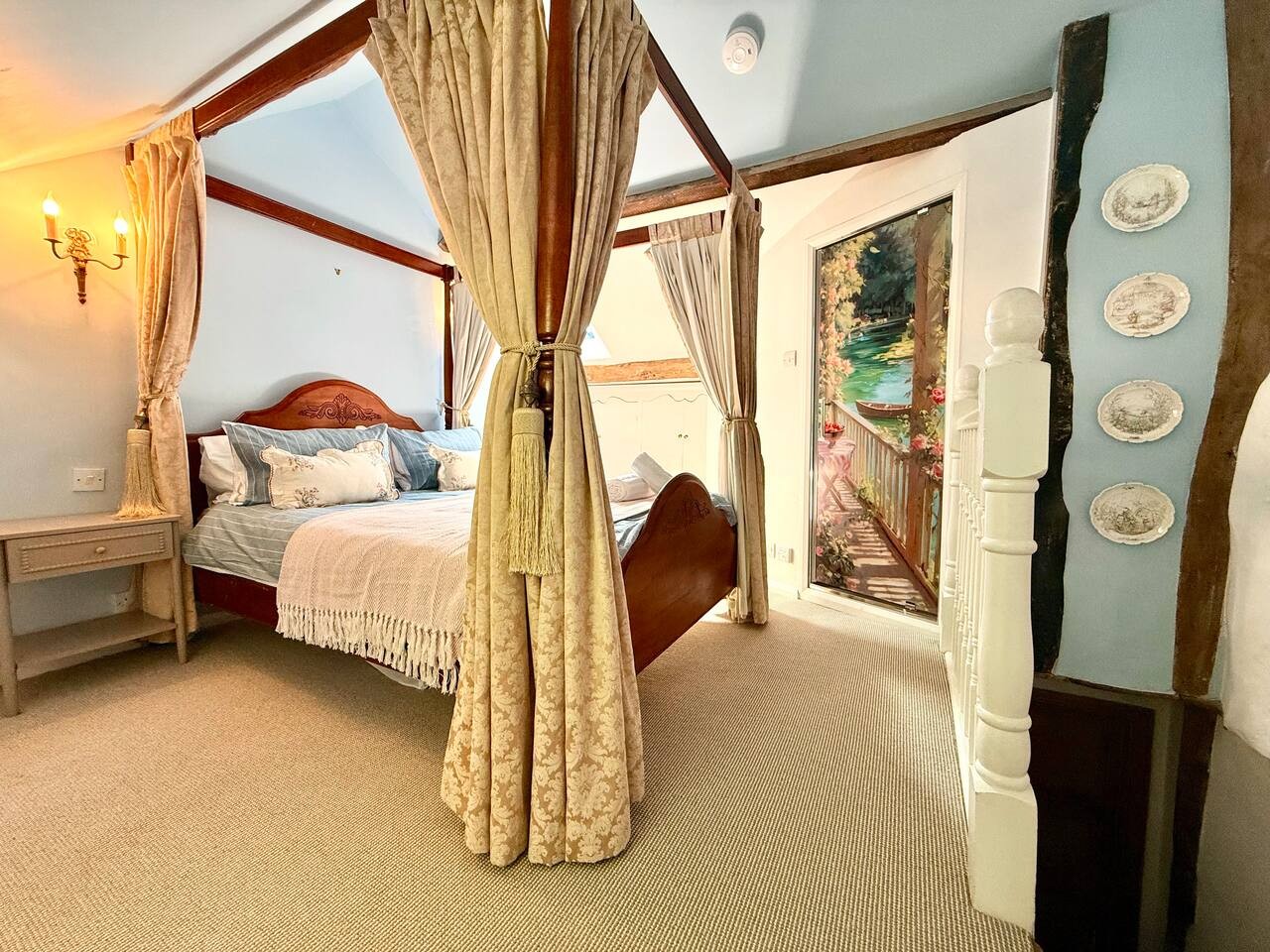
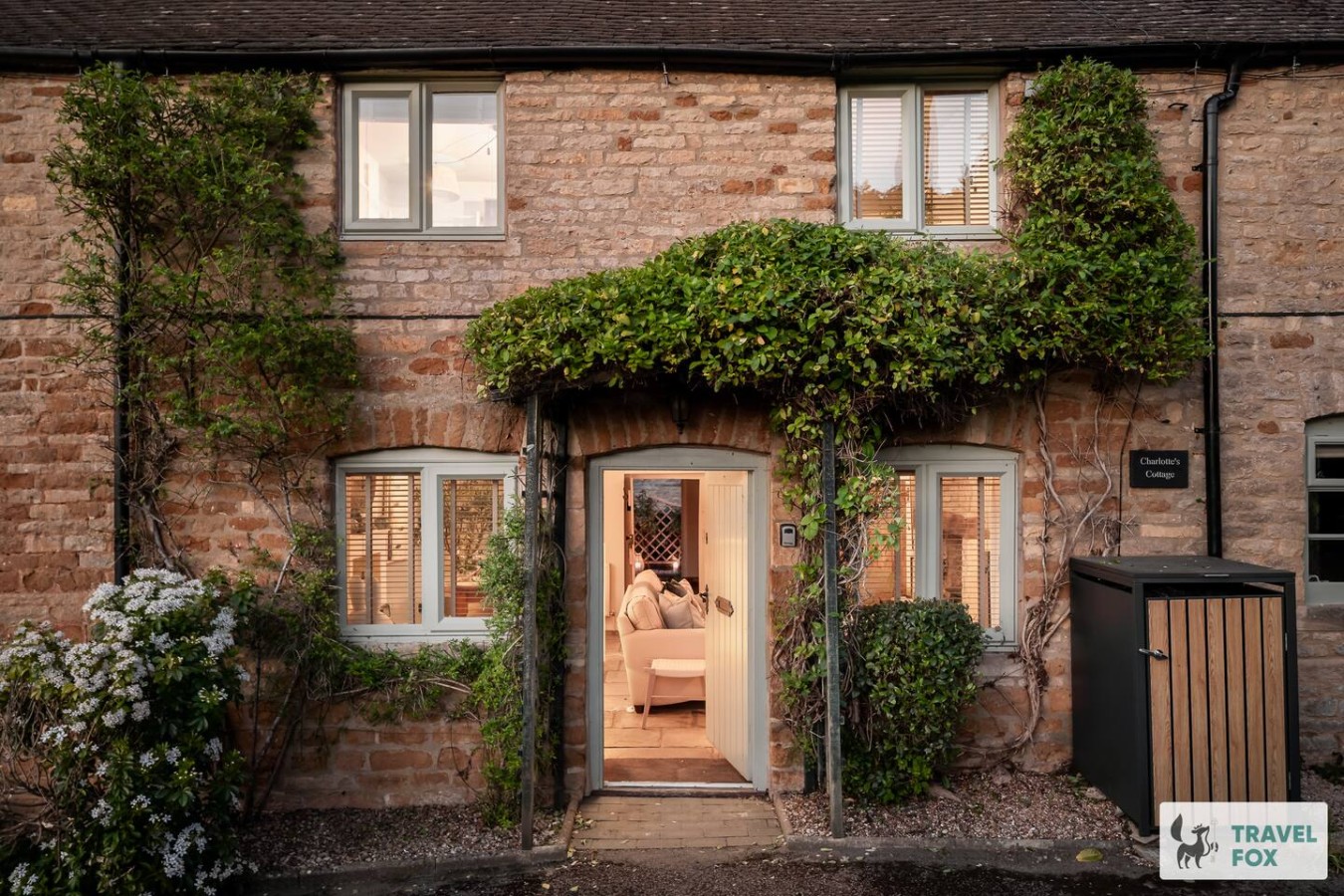
Travel Fox holiday homes around Cotswolds, linked directly to their property pages.
For homeowners
Own a holiday home near Cold Aston?
We manage holiday lets across the Cotswolds from 12% commission, charged after cleaning costs, with no lock-in. A co-founder visits before you decide.
Holiday let management in the Cotswolds →
A guide with a point of view
Written from research. Edited for real journeys.
Use the Official site links for live practical details, then use this guide for context, ideas and room to explore.
Sources
Every place on this page is checked against a published source. Each entry links the record we used and names who publishes it.
- St Andrew’s Church — historicengland.org.uk statutory register or public authority record not machine-readable; publisher restricts automated access
- Exploring Turkdean & Notgrove — cotswolds.com other published source
- Homegrown at Hampen — homegrownathampen.co.uk operator, sector body or destination organisation
- Fir Farm — firfarm.co.uk other published source
- Cold Aston Village Hall — coldaston.weebly.com other published source
- Cold Aston Fayre — coldastonparishcouncil.gov.uk statutory register or public authority
- Cotswold Motoring Museum — cotswoldmotoringmuseum.co.uk operator, sector body or destination organisation
- Chedworth Roman Villa — nationaltrust.org.uk national body or asset manager