
Stone village, walled estate
Dyrham
Cotswold-stone cottages meet a Baroque house, a 270-acre deer park and welcoming estate cafés.
- Best for
- House, parkland and parish history
- Give it
- A half day or longer
- Don't miss
- The stone group of house, church and stables
The Fox verdict
Come for the estate, then follow Dyrham's longer story
The great house and deer park are the main attraction, but the church, old lime pollards and parish history give the village its own depth.
Dyrham suits a visit built around the late-17th-century Baroque house, West Garden and ancient deer park, together with the Grade I Church of St Peter. Food and drink are available at the estate cafés and in the nearby parish settlements of Hinton and Tolldown.
Where to go
Places in Dyrham
Every place below is checked against a published source, listed with what it is and how long to give it.
Local signatures
3 placesChurch of St Peter
A Grade I church of mid-13th-century origin with an early-15th-century tower and porch; its interior includes a late-Norman font, Jacobean pulpit, Flemish altar triptych, medieval tiles and historic brasses.
- Visit length
- Editorial estimate: Allow around 30 minutes
- Locality
- With Dyrham house and stables
The Crown, Tolldown
A country pub with nine rooms, wooden floors and large open fireplaces. Its seasonal sample menus feature freshly cooked dishes such as Sunday roast and Butcombe Gold beer-battered fish and chips.
- Visit length
- Editorial estimate: Allow around 1 hour 15 minutes
- Locality
- Tolldown
- Access
- Dogs are welcome.
Dyrham Park
A registered historic landscape with late-17th-century garden terraces, old lime pollards along Church Walk, 18th-century limes and early yews; the house, church and stables form a unified stone group.
- Visit length
- Editorial estimate: Allow around 3 hours
- Locality
- Dyrham estate
Food & drink
1 placeThe Bull, Hinton
A 17th-century South Cotswolds village pub with a cosy bar, open fires, dining rooms, a terrace and spacious garden; its sample menu changes with the season.
- Visit length
- Editorial estimate: Allow around 1 hour 15 minutes
- Locality
- Hinton
- Access
- Well-behaved dogs are welcome; mention them when booking.
History & heritage
1 placeIron Age Hillfort on Hinton Hill
Hinton Hill has a scheduled Iron Age hillfort traditionally linked to the Battle of Dyrham, although the battle's exact site is unsettled. Dyrham Park's Prospect Walk has a northern viewpoint overlooking the hill.
- Visit length
- Editorial estimate: Allow around 1 hour for the Prospect Walk
- Locality
- Hinton Hill
- Access
- The Prospect Walk offers a view of Hinton Hill from within Dyrham Park; it does not enter the hillfort.
No places match this filter. Choose All places to reset the list.
Three ways to explore Dyrham
Signature outings
Discover St Peter's history
Look for the late-Norman font, Jacobean pulpit, Flemish altar triptych, medieval tiles, hatchments and historic brasses in the Grade I church.
Hinton Hill in Dyrham's early history
Follow the Prospect Walk to its northern parkland viewpoint overlooking Hinton Hill, the supposed site for the Battle of Dyrham.
Eat at The Bull
The 17th-century Hinton pub pairs open fires and dining rooms with a terrace, spacious garden and a season-changing sample menu.
The village story
Dyrham: stone, parkland and parish history
Follow Dyrham from its stone cottages and parish pubs into the deer park, historic church and older history of the estate.
Stone Village and the Hinton Pub
Cotswold-stone cottages run down to a walled estate, and behind the wall the ground drops away into 270 acres of deer park. That is most of Dyrham. As personal travel became easier, the village lost its pubs, school, shop and post offices. What remains is stone, a church, and the great house it grew up beside.
For food and a drink you leave the village, though not by much. The Bull sits just over a mile away at Hinton, a 17th-century pub with open fires, dining rooms, a sunny terrace and a spacious garden. Its menus change with the seasons. Well-behaved dogs are welcome; mention them when you book.
Tolldown and Dyrham Park
The Crown is at Tolldown on the A46, with nine rooms, wooden floors and large open fireplaces. The kitchen works with Walter Rose Butchers, Kingfisher of Brixham and Hobbs House Bakery. Seasonal sample menus include a Sunday roast and Butcombe Gold beer-battered fish and chips. There is a sun-trap garden, and dogs are welcome.
The estate is the main attraction. The house tea-room serves light lunches, cakes, scones and cream teas, while the Old Lodge café has indoor and outdoor seating, with a play area, ice-cream kiosk, toilets and picnic tables nearby. The shop sells plants, local maps and guides, preserves, biscuits, ales and fruit liqueurs, and there is a second-hand bookshop in the house basement. Wheelchair-accessible transfer vehicles link the car park with the house area. The house's ground floor, garden, tea-room and shop have level access, while parts of the parkland are steep and uneven.
Dogs and the Deer Park
One thing to settle before you arrive with a dog: only assistance dogs are allowed into the park, which keeps a herd of fallow deer to protect.
The walking is the other draw. The Prospect Walk is three miles of rolling parkland, graded easy but steep, uneven and sometimes muddy, climbing to views over the Cotswold hills and the Bristol Channel; on a clear day the Welsh Black Mountains may be visible, and the walk finishes facing the Baroque east front of the house. The Terraces walk is a shorter circuit of two and a half miles through open parkland and wooded terraces, taking in the West Garden, while the family-friendly Journey of Discovery covers two miles with clues to read along the way. These National Trust walks begin at Visitor Reception. The Cotswold Way runs north to south through the parish and links Dyrham Park with Bath.
Church and Deep History
The Church of St Peter stands in the same stone group as the house and stables, an ensemble Verey and Brooks called "the perfect English setting". It is Grade I, mid-13th-century in origin, with a tower and porch added in the early 1400s. Inside there is a late-Norman font, a Jacobean pulpit and sounding board, a 16th-century Flemish altar triptych, medieval encaustic tiles and nine hatchments; brasses mark Sir Maurice Russell, who died in 1416, and his wife Isobel, and old glass carries a white rose of York.
Dyrham has been settled a long time. The Anglo-Saxon Chronicle records a West Saxon victory over the Britons here in 577, though the traditional battle site up on Hinton Hill remains only supposed. By 1086 the Domesday surveyors counted thirty-four households, three mills and six acres of meadow, and valued the manor at eight pounds a year, down from twelve pounds in 1066. The house came much later. Sir William Denys took a licence from Henry VIII in 1511 to empark five hundred acres for deer, and William Blathwayt began new gardens at the house in 1691 and added the west front the year after.
Arrival and the Parkland Slope
There is no direct bus to Dyrham Park. Yate, Bath Spa and Bristol Parkway stations are seven, eight and twelve miles away respectively; a taxi from any of them takes about 15 to 20 minutes. The estate is on the A46, two miles south of M4 junction 18. Cyclists should take care at the main entrance on the fast A46. The lane from Sand's Hill offers a safer approach, with bike racks and entry payment at the shop. Bicycles cannot be taken into the park or garden.
The deer have the run of the slope below the cottages, under old lime pollards that line Church Walk.
Stay around Cotswolds
Make a longer stay of it
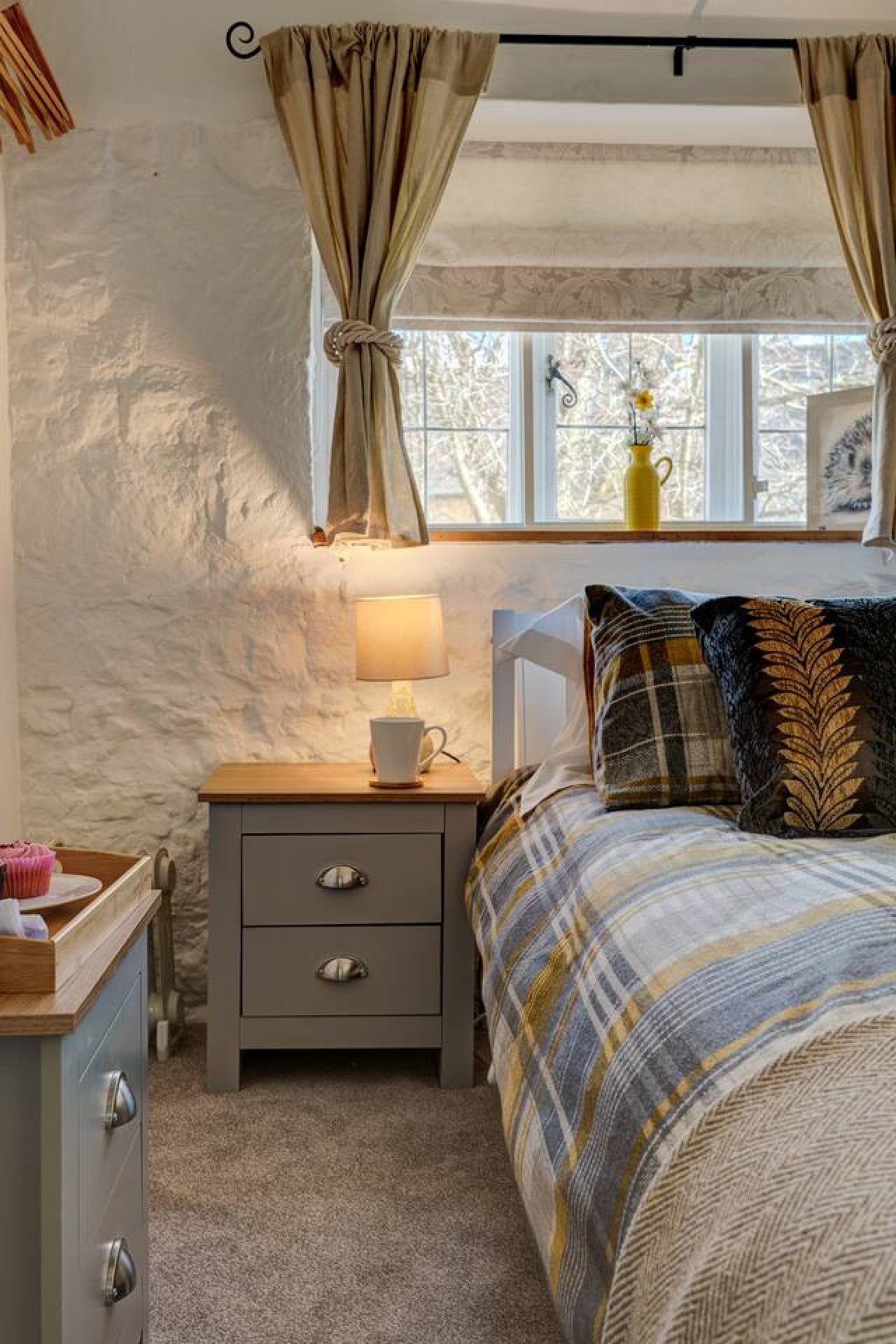
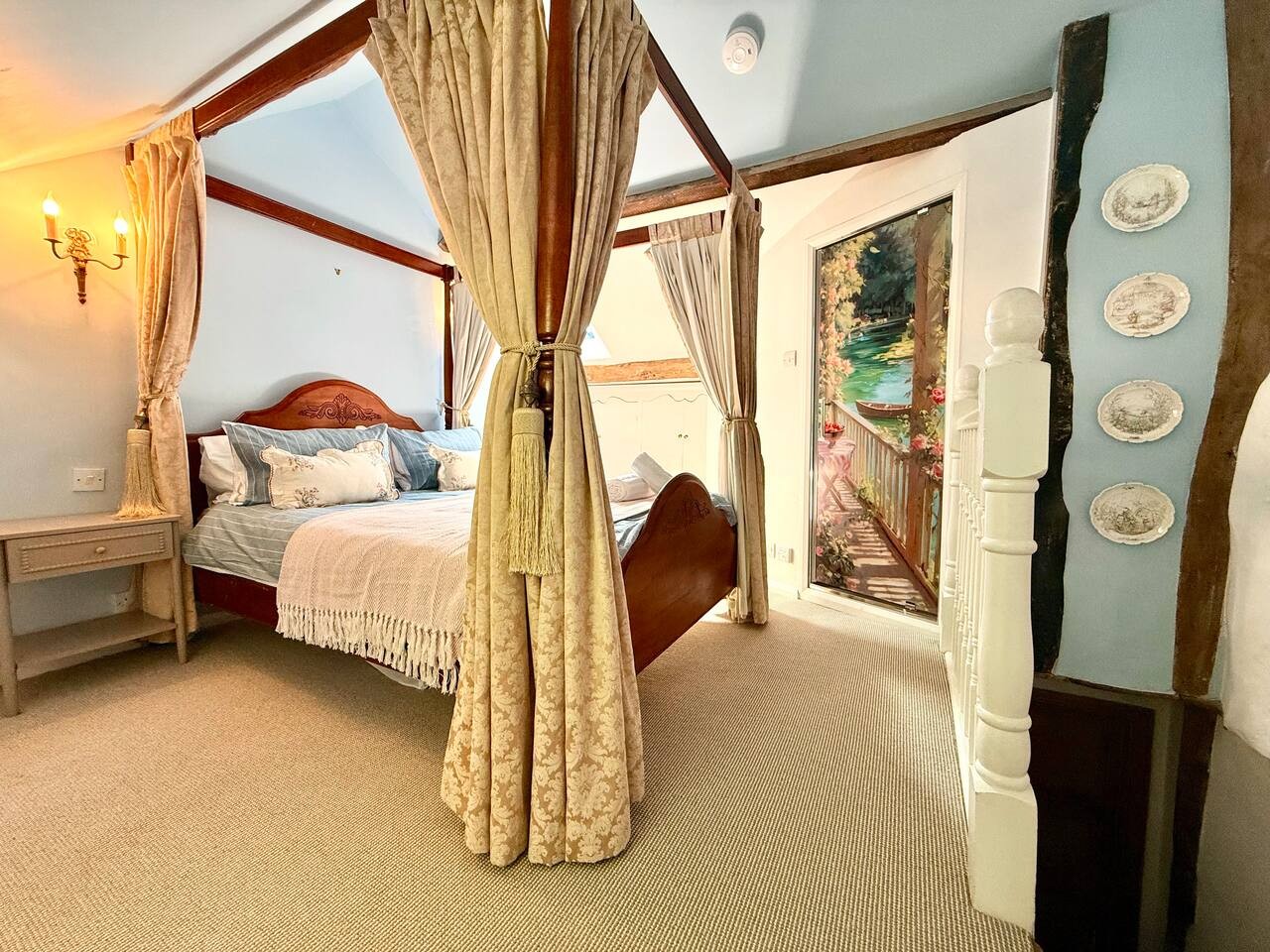
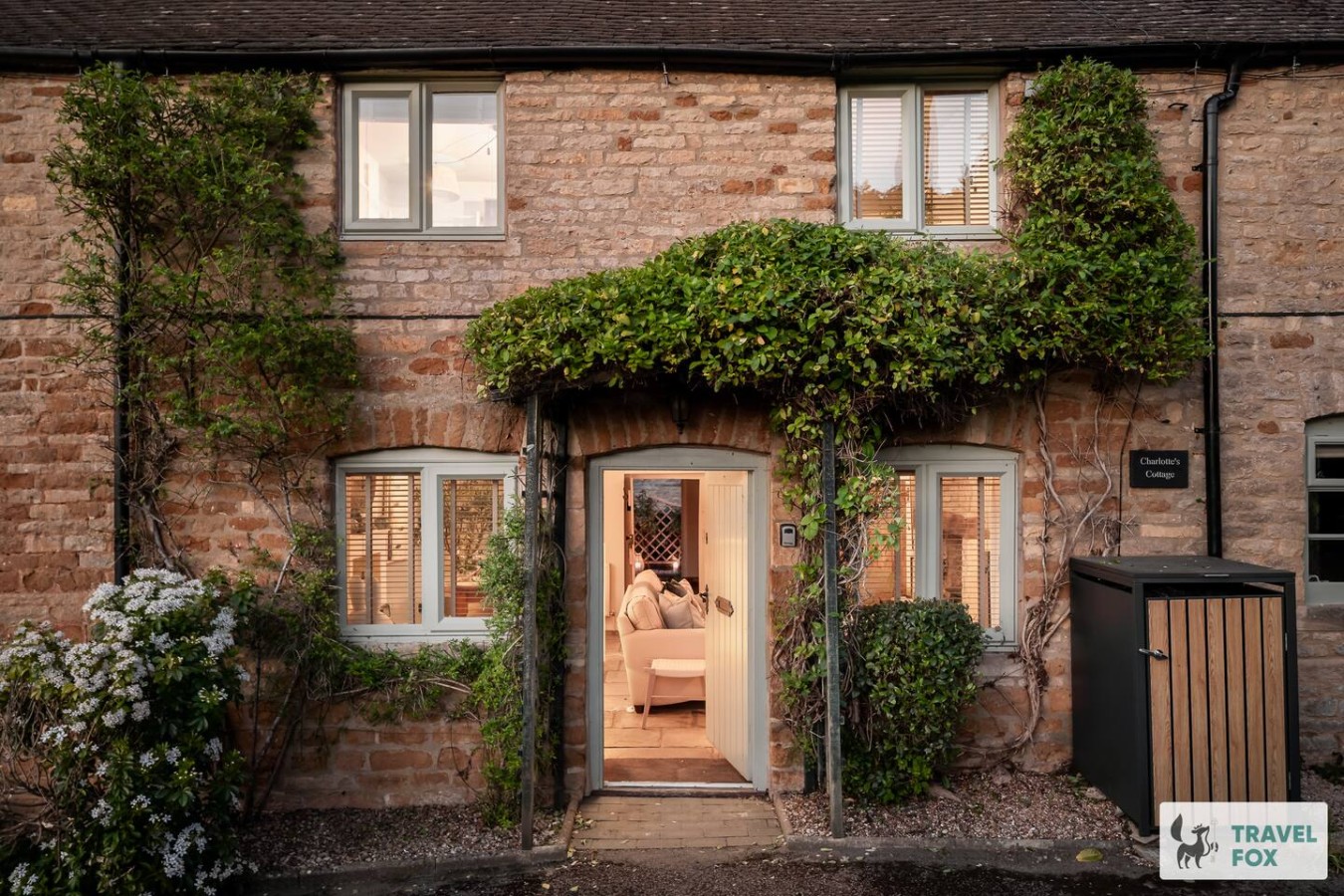
Travel Fox holiday homes around Cotswolds, linked directly to their property pages.
For homeowners
Own a holiday home near Dyrham?
We manage holiday lets across the Cotswolds from 12% commission, charged after cleaning costs, with no lock-in. A co-founder visits before you decide.
Holiday let management in the Cotswolds →
A guide with a point of view
Written from research. Edited for real journeys.
Use the Official site links for live practical details, then use this guide for context, ideas and room to explore.
Sources
Every place on this page is checked against a published source. Each entry links the record we used and names who publishes it.
- Church of St Peter — historicengland.org.uk statutory register or public authority record not machine-readable; publisher restricts automated access
- The Bull, Hinton — thebullathinton.co.uk operator, sector body or destination organisation
- The Crown, Tolldown — visitbath.co.uk operator, sector body or destination organisation
- Dyrham Park — historicengland.org.uk statutory register or public authority record not machine-readable; publisher restricts automated access
- Iron Age Hillfort on Hinton Hill — historicengland.org.uk statutory register or public authority record not machine-readable; publisher restricts automated access