
Evenlode valley village
Kingham
A low-lying Cotswold village of mature trees, honey-coloured stone, field walks and two very different food-led pubs.
- Best for
- Food-led pubs and field walking
- Give it
- Two to three hours for the station circular
- Don't miss
- St Andrew's medieval tower and 13th-century font
The Fox verdict
A village where food and footpaths share the billing
Kingham combines an old village plan and wide green with two contrasting pubs, a historic church and walks into the Evenlode landscape.
Come for the green edged by mature trees and honey-coloured stone houses, then choose between the older, pint-friendly Kingham Plough and The Wild Rabbit's polished modern-British dining. St Andrew's and the official station circular give the visit historical and outdoor depth.
Where to go
Places in Kingham
Every place below is checked against a published source, listed with what it is and how long to give it.
Local signatures
3 placesThe Kingham Plough
Kingham's oldest surviving pub combines a restaurant, real fire, garden, six en-suite rooms and two changing cask ales while remaining a place for a pint.
- Visit length
- Editorial estimate: allow around 90 minutes
- Locality
- Kingham
Daylesford Organic Farmshop
A destination farmshop with market-garden vegetables and herbs, an on-site bakery, butcher's counter and creamery, alongside restaurants, cafés, a garden centre and spa.
- Visit length
- Editorial estimate: allow around 90 minutes
- Locality
- just outside Kingham, Gloucestershire
Batsford Arboretum
An arboretum and garden centre whose visitor centre includes a café, gift shop and garden centre.
- Visit length
- Editorial estimate: allow around 120 minutes
- Locality
- near Moreton-in-Marsh
- Access
- Dogs are permitted on short fixed leads.
Food & drink
2 placesThe Wild Rabbit
A polished modern-British country inn and dining pub owned by the Daylesford estate, with three AA Rosettes and cooking shaped by organic farm ingredients.
- Visit length
- Editorial estimate: allow around 90 minutes
- Locality
- Church Street
- Access
- Well-behaved dogs are welcome in the bar and on the front and back terraces, but not in the main dining room except assistance dogs.
Kingham Village Stores and Post Office
The village's sole general shop combines groceries and newspapers with Post Office services and cash withdrawal.
- Visit length
- Editorial estimate: allow around 20 minutes
- Locality
- Church Street
Walks & outdoors
1 placeKingham Station Short Circular
An official car-free loop following the Evenlode through fields, past ridge-and-furrow, hedges, pollarded willows and a disused railway embankment, with views towards Bledington.
- Visit length
- Editorial estimate: Allow two to three hours
- Locality
- from Kingham station
- Access
- Field paths, stiles and a boggy section call for sturdy footwear.
History & heritage
3 placesChurch of St Andrew
A Grade II* church with a mid-14th-century tower, 15th-century parapet, 13th-century font, carved and gilded roof bosses and a Kingham archive display.
- Visit length
- Editorial estimate: allow around 45 minutes
- Locality
- the old south-west edge of Kingham
Chastleton House
A National Trust Jacobean house built in 1607–12 and presented as a 400-year family time capsule, with important textiles, Jacobite glass, intimate gardens and croquet lawns.
- Visit length
- Editorial estimate: allow around 120 minutes
- Locality
- Chastleton
Rollright Stones
Three prehistoric monuments—the King's Men stone circle, Whispering Knights burial chamber and single King Stone—linked by a petrified-king-and-courtiers legend.
- Visit length
- Editorial estimate: allow around 60 minutes
- Locality
- near Kingham
- Access
- The two small lay-bys fill quickly.
Things to do
1 placeKingham Playing Field and Play Area
Kingham has two village greens, a children's play area and a parish-managed adult football pitch with a club tradition dating to the 1890s.
- Visit length
- Editorial estimate: allow around 45 minutes
- Locality
- Kingham
No places match this filter. Choose All places to reset the list.
Three ways to explore Kingham
Signature outings
Stone, bosses and village memory
At St Andrew's, look from the 13th-century font to the medieval tower, the gilded roof bosses and the village archive display.
A station-to-station field loop
Take the 3.5-mile car-free circular past ridge-and-furrow, blackthorn hedges, pollarded willows and the disused railway embankment.
Jacobean Chastleton
Explore the 1607–12 house, its important textiles and glass, intimate gardens and the lawns associated with codifying croquet's rules.
The village story
Kingham Village Guide
A wide green, serious food, field paths and a layered village history in the Evenlode valley.
Green, Church and Two Pubs
The green at Kingham is wide and edged with mature trees and honey-coloured stone houses, a few of them still thatched. At its southern end a small stone shelter covers a communal well, put up for Queen Victoria's jubilee in 1887. The church of St Andrew stands at the old south-west edge of the village. Two streets, West Street and Church Street, run in near-parallel lines down towards the green, more or less as the medieval village was arranged. Kingham sits low for a Cotswold village, in the Evenlode valley, with rising ground around it on most sides.
For its size, Kingham eats well. It kept two of the four pubs it once had, and neither resembles the other.
The Kingham Plough is the older, and for a long stretch it was the plainer. Emily Watkins and her business partner Adam Dorrien-Smith bought what was then a spit-and-sawdust local in 2007 and turned the old bowling alley into a dining room. Watkins, who had cooked at Florence's Beccofino and Heston Blumenthal's Fat Duck, won a Michelin Bib Gourmand at the Plough and took a D-Day-inspired fish course to the 2014 Great British Menu banquet. She sold to Matt and Katie Beamish in 2019, and they still run it. It remains a pub you can drink in: a real fire, a garden, six en-suite rooms upstairs, dogs allowed, and two changing cask ales that rotate through breweries such as Hook Norton and Butcombe, Adam Henson's Rare Breed among them. The food leans to things like a pint of prawns and a ploughman's board with ham, Keen's Cheddar and pickles. When everything shut in 2020 the Beamishes ran grocery boxes and takeaways from the kitchen for people who could not get out.
The Wild Rabbit is the other kind of pub. It belongs to the Bamford family's Daylesford estate, which bought it in 2013 and renamed it; it had been the Tollgate Inn, and the seventeenth-century building it occupies was once a farmhouse standing on the site of a medieval rabbit warren. It appears in the Michelin Guide and holds three AA Rosettes. The executive chef, Callum Graham, came to it after Le Céladon in Paris, the Lanesborough in London and nine years as head chef at Bohemia in Jersey. The menu changes with the harvest, but it runs to dishes like rabbit raviolo with mushroom duxelles and rabbit jus, cured Loch Duart salmon with Daylesford green sauce and preserved green chilli, braised pork cheek with apple and black pudding, and barbecued day-boat halibut with fennel and oyster velouté; puddings have included strawberry soufflé and a lemon-meringue custard tart. Well-behaved dogs are welcome in the bar and on the front and back terraces, though not in the dining room.
Shops, Walks and Village Life
The village's one general shop is the Kingham Village Stores, which also houses the post office and will do a cash withdrawal. A sub-post office has existed here since the 1850s, when a carrier's wife called Ann Phipps kept one; a grocer named Aden Eaton reopened it near the green in the 1880s, and it stayed in the family's shop until the 1960s before moving to its present Church Street home.
For anything more ambitious, the Daylesford Organic Farmshop sits just over the county line in Gloucestershire, reachable on foot by a 5.9-mile circuit through Bledington. It grows vegetables and herbs in its own market garden, bakes on the farm, cuts meat at a butcher's counter and makes cheese in an on-site creamery; the Double Gloucester has taken gold at the Artisan Cheese Awards. A garden centre and a spa are attached, and there are wines from the family's sister estate in Provence.
Walking is the main outdoor business here, and the paths are laid out for it. The Kingham Station Short Circular is a 3.5-mile loop designed to be done without a car: it follows the Evenlode through fields and over stiles, past ridge-and-furrow, blackthorn hedges and pollarded willows, along a disused railway embankment, and climbs to a view down over Bledington before returning beside the river. The ground can turn muddy after rain, so wear shoes for it. The longer Kingham–Bledington–Daylesford circular runs 5.9 miles from the church, mostly flat, and takes in the ancient Oddington Ashes and a level crossing on its way to the farmshop.
There are two greens rather than one, with a children's play area and a football field between them. On the high ground above the village, Kingham Hill School hires out its facilities to outsiders by arrangement: a 25-metre pool, a sports hall, a climbing wall, squash and tennis courts, and grass and floodlit pitches. The village hall, funded by Charles Baring Young in 1910, has hosted indoor bowls, a gardening club and mother-and-toddler mornings.
Arriving and Looking Further Afield
The station itself sits about a mile south-west of the green, on the Cotswold Line, and it is the reason a good many people can come here at all: trains run east to Oxford and London Paddington and west to Worcester and on to Hereford. There is a 140-space car park, a ticket machine and toilets, but no taxi rank, so arriving guests should plan the last mile. By road, Kingham is on the B4450 between Stow-on-the-Wold, about five and a half miles north-west, and Chipping Norton, about five miles north-east. The Villager community minibus links Kingham with Bledington, Burford, Carterton and Witney on a limited service.
The village makes an easy base for a wider circuit. Chipping Norton, five miles off, is the nearest market town for shops and services, and Stow-on-the-Wold sits a little further north-west. Bledington, just across the county boundary, has a green, a church and a community shop, and is the turning point of both waymarked walks. Further out, the National Trust's Chastleton House is a Jacobean survival built between 1607 and 1612 and kept as a 400-year family time capsule, with the croquet lawns where the rules of the game were first written down. The Rollright Stones — a stone circle, a burial chamber and a single standing stone, tied to a legend of a king and his men turned to rock — lie north of Chipping Norton, though the lay-bys there fill quickly. Batsford Arboretum, near Moreton-in-Marsh, takes dogs on short leads and has a café and a garden centre.
Some of what the village is made of is much older. The Domesday commissioners recorded thirty-three households at Kingham in 1086 — nineteen villagers, ten smallholders and four enslaved people — with one mill worth three shillings and sevenpence, and valued the whole manor to its lord at fifteen pounds, up from twelve twenty years before. Its lord then was Geoffrey de Mandeville. The name means the homestead of a man called Cǣga and his people. On Whitequarry Hill, above the village, someone once dug up a small Roman bronze of the Egyptian god Horus in military dress, first or second century, which is not a thing most Cotswold parishes can claim.
St Andrew's stands at the old south-west edge of the village, about 500 metres from the green, and has stood in some form for at least nine hundred years. The tower is mid-fourteenth-century with a fifteenth-century parapet, the chancel was rebuilt in 1688, and the font is thirteenth-century, older than most of what surrounds it. The nave roof is dated 1774 and carries carved and gilded wooden bosses. Pevsner singled out the Victorian pews, whose bench ends were carved from pale composition stone with spiky poppy heads by a Kingham stonemason, John Jackson. There is a memorial to Colonel Henry Samuel Davies, who died in 1851, shown as a mourning soldier leaning on a sarcophagus, and the church keeps a small archive display of the village's history.
War, Recognition and Working Memory
Kingham's twentieth-century distinction is a strange one: during the Second World War, a United States ammunition depot was activated on the fields around the station on 11 September 1942, and by early 1943 it had become the largest of its kind in England. More lastingly, in 2004 a Country Life panel spent six months judging and named Kingham England's favourite village, on the nomination of the hotelier Olga Polizzi. Not everyone was persuaded. Asked what he made of the award, the village metalworker Derek Tyack said, "Damned if I know why." Blur's Alex James farms just outside the village and hosts the Big Feastival on his land, a weekend of music, chefs and street food.
The enclosure of Kingham's fields came unusually late, in 1850, when 1,798 acres of common and open field were divided up and the villagers lost their old rights over them; New College, Oxford, which had held land here since William of Wykeham's day, gave the green back to the village in 1869. The Oxford historian William Warde Fowler, who wrote on Roman religion and watched birds, lived here and published Kingham Old and New: Studies in a Rural Parish in 1913; his memorial, shared with his sister Alice, is inside the parish church.
The village once made things as well as farmed them. Lainchbury's works, bought in 1882, built carts, wagons and milk floats and became Kingham's largest employer before it closed in 1987; Threshers Yard stands on the site now. The forge run by the Rathbone family made the gates for the royal enclosure at Ascot in 1955, and for Bladon churchyard after Winston Churchill was buried there in 1965, and it worked until 1984. The Red and White quarries, named for the colour of their stone, cut the local limestone until the 1960s and 1970s.
The football club is still going. It began as the Kingham Swifts in the 1890s and became the All Blacks in 1928, and on a match day they still turn out on the playing field beside the greens, a few minutes' walk from the well shelter and the church.
Stay around Cotswolds
Make a longer stay of it
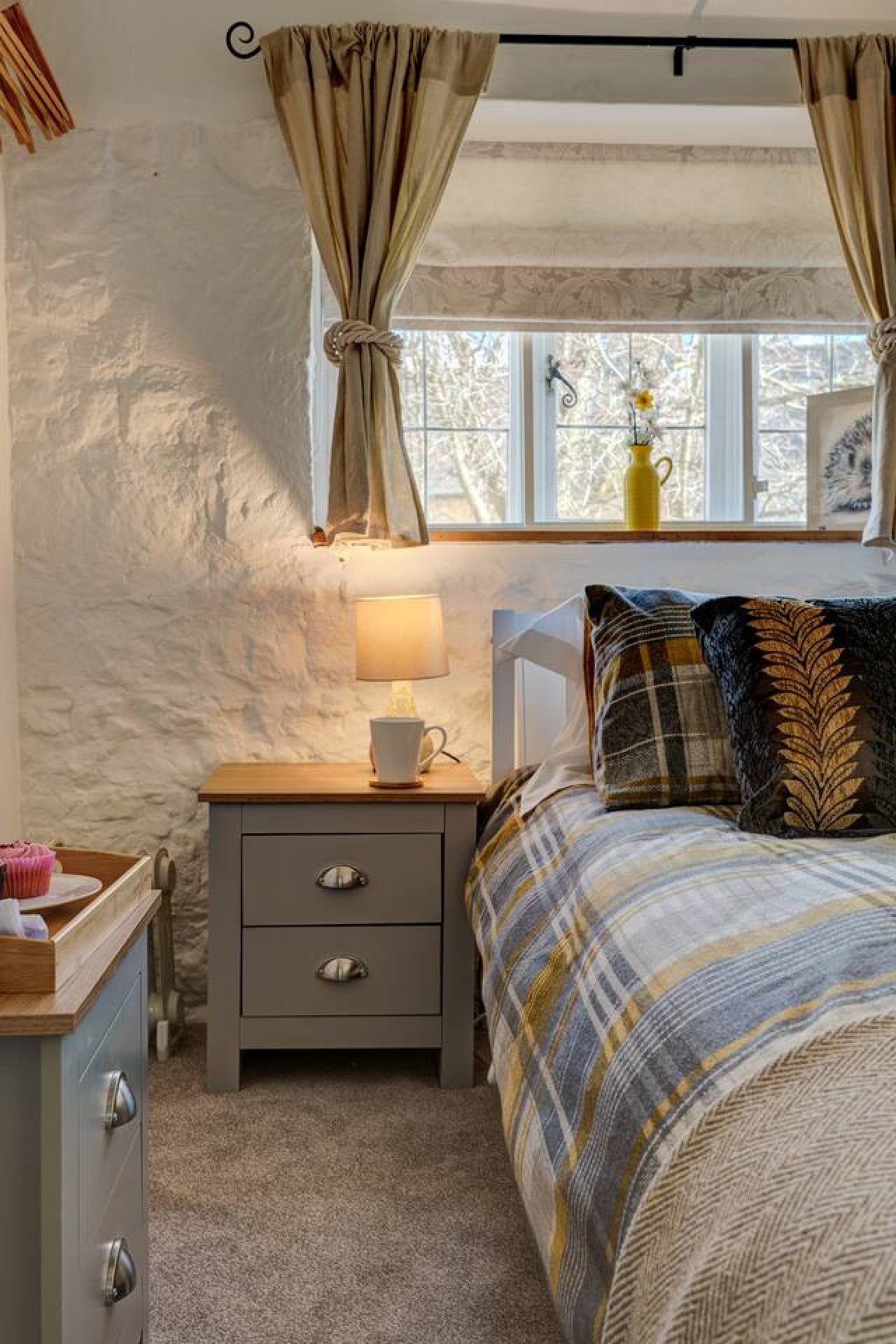
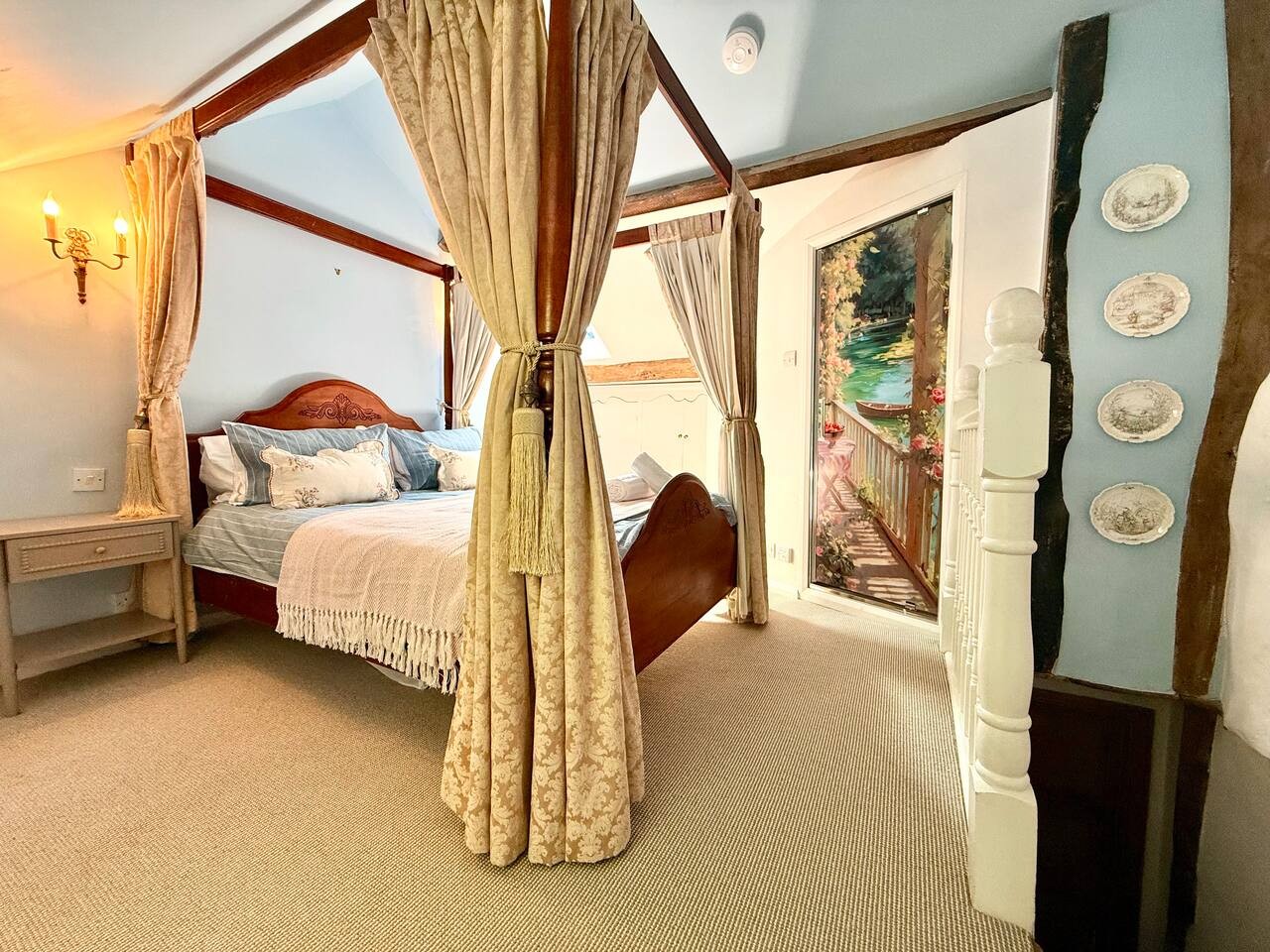
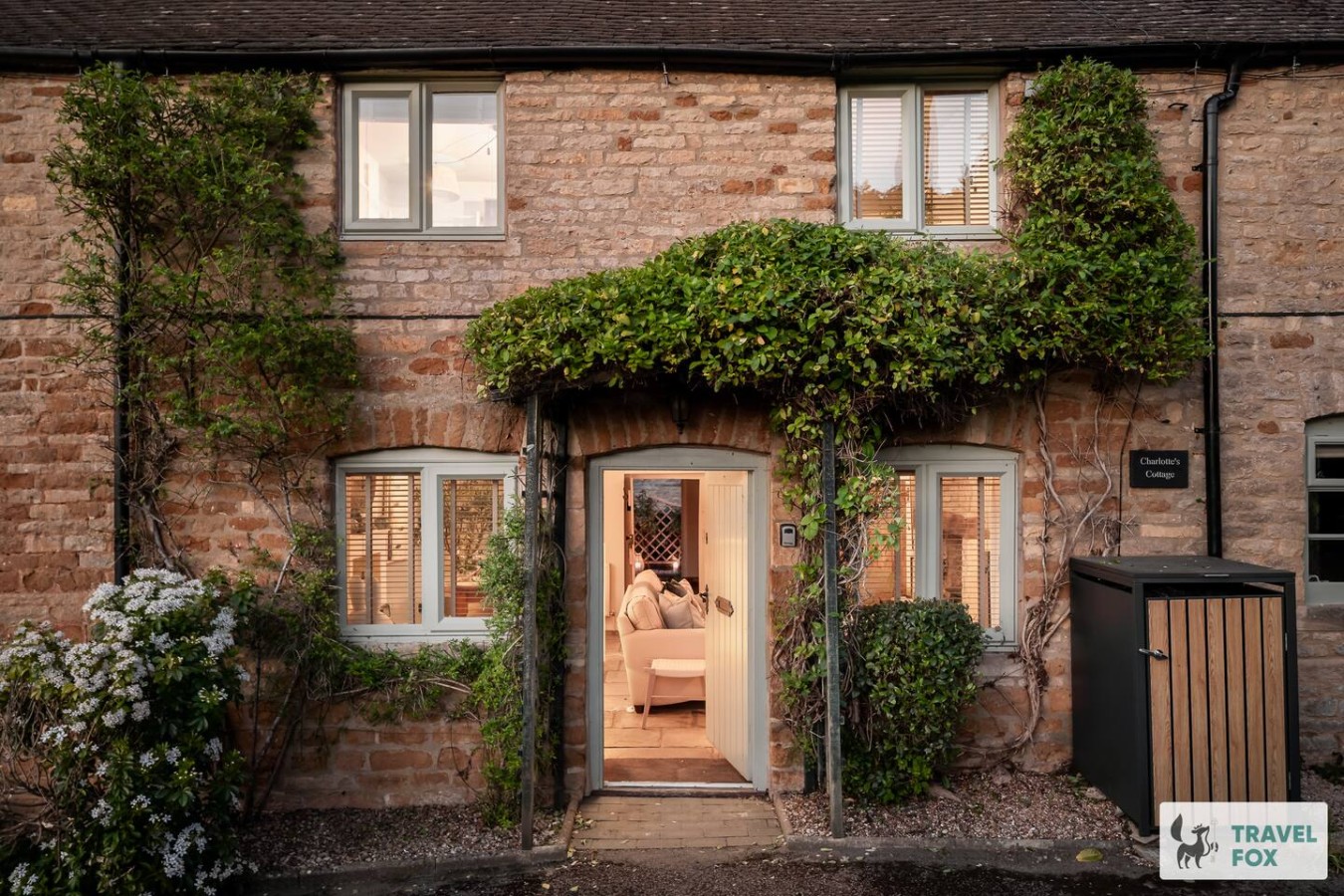
Travel Fox holiday homes around Cotswolds, linked directly to their property pages.
For homeowners
Own a holiday home near Kingham?
We manage holiday lets across the Cotswolds from 12% commission, charged after cleaning costs, with no lock-in. A co-founder visits before you decide.
Holiday let management in the Cotswolds →
A guide with a point of view
Written from research. Edited for real journeys.
Use the Official site links for live practical details, then use this guide for context, ideas and room to explore.
Sources
Every place on this page is checked against a published source. Each entry links the record we used and names who publishes it.
- The Kingham Plough — camra.org.uk operator, sector body or destination organisation
- The Wild Rabbit — thewildrabbit.co.uk operator, sector body or destination organisation
- Kingham Village Stores and Post Office — postoffice.co.uk operator, sector body or destination organisation record not machine-readable; publisher restricts automated access
- Daylesford Organic Farmshop — daylesfordstays.com operator, sector body or destination organisation
- Church of St Andrew — historicengland.org.uk statutory register or public authority record not machine-readable; publisher restricts automated access
- Kingham Station Short Circular — cotswolds-nl.org.uk other published source
- Kingham Playing Field and Play Area — cotswolds.com other published source
- Chastleton House — nationaltrust.org.uk national body or asset manager
- Rollright Stones — rollrightstones.co.uk operator, sector body or destination organisation
- Batsford Arboretum — historicengland.org.uk statutory register or public authority record not machine-readable; publisher restricts automated access