
Limestone ridge, layered history
Icomb
Icomb gathers St Mary's and old stone gables on a ridge above an open farming vale, with field-path walking and village food nearby.
- Best for
- Field-path walking and church history
- Give it
- Time for St Mary's or the 7¼-mile circuit
- Don't miss
- Sir John Blaket's 1431 effigy
The Fox verdict
A village reached on purpose
Come for a limestone-ridge village, a remarkable medieval tomb and a field-path circuit linking Icomb with Bledington and the Westcotes.
Icomb has no pub, shop or café of its own, so a visit pairs St Mary's and the surrounding countryside with food in Bledington or Lower Oddington. Birdland at Bourton-on-the-Water offers a nearby family option.
Where to go
Places in Icomb
Every place below is checked against a published source, listed with what it is and how long to give it.
Local signatures
3 placesChurch of St Mary
A mainly thirteenth-century church with a blocked Norman doorway, a west tower of about 1600 and Sir John Blaket's 1431 effigy beneath a carved chest-tomb canopy.
- Visit length
- Editorial estimate: around 45 minutes
- Locality
- Icomb
Bledington Community Shop & Café
A community-owned, volunteer-run shop and café serving coffee, pastries and seasonal volunteer-made cakes, with local bread, milk, produce, meats and pies among its provisions.
- Visit length
- Editorial estimate: around 30 minutes
- Locality
- nearby Bledington
The King's Head Inn
A sixteenth-century stone inn with old beams, an inglenook and a traditional front bar, paired naturally with the Icomb walking circuit.
- Visit length
- Editorial estimate: around 1 hour 15 minutes
- Locality
- Bledington
Food & drink
1 placeThe Fox at Oddington
A seventeenth-century stone village pub with a large oak bar, fires, a dining room and a walled garden, recorded as a pub since 1856.
- Visit length
- Editorial estimate: around 1 hour 30 minutes
- Locality
- Lower Oddington
Walks & outdoors
1 placeBledington, Church Westcote & Icomb Circuit
An easy 7¼-mile field-path circuit using sections of the Oxfordshire Way and Diamond Way through Nether Westcote and Church Westcote before climbing to Icomb church.
- Visit length
- Editorial estimate: around 3 hours 30 minutes
- Locality
- Bledington, Church Westcote and Icomb
Things to do
1 placeBirdland Park & Gardens
A nine-acre family attraction with more than 500 birds, penguins, over 50 aviaries, a dinosaur trail and a double zip-line in gardens and woodland beside the Windrush.
- Visit length
- Editorial estimate: around 2 hours 30 minutes
- Locality
- Bourton-on-the-Water
No places match this filter. Choose All places to reset the list.
Three ways to explore Icomb
Signature outings
The Fox's walled garden
The Fox at Oddington is a seventeenth-century stone pub with a walled garden and a recorded pub history reaching back to 1856.
The field-path approach
The 7¼-mile circuit climbs to Icomb church after crossing a plantation, then returns over fields.
Penguins by the Windrush
Birdland combines more than 500 birds and penguins with a dinosaur trail in nine acres beside the Windrush.
The village story
Icomb Village Guide
A purposeful visit for limestone ridge views, field paths, a medieval tomb and food in the surrounding villages.
Icomb and nearby Bledington
Icomb sits on a limestone ridge, its walls and gables gathered around St Mary's church and the manor house behind it, looking out over an open farming vale. There is no through road of any consequence; you reach it off the B4450 between Stow-on-the-Wold and Bledington, and the lane more or less ends at the village. This is the sort of place you arrive at on purpose.
Don't arrive expecting a pub, a shop or a café of Icomb's own; the practical business of eating and buying milk happens in the surrounding villages. Nearby Bledington is the natural pairing. Its community-owned shop and café is run by volunteers and stocks local bread, milk, fruit and vegetables, meats and pies, along with the seasonal cakes the volunteers bake themselves. The King's Head Inn faces the green there, a sixteenth-century stone inn with beams and an inglenook, where a recent visit turned up pork-belly bites, half a rotisserie chicken and venison pie. Dogs are welcome, though it is worth checking when you book.
Lower Oddington and the field-path circuit
The other direction takes you to Lower Oddington and The Fox, a seventeenth-century pub with a walled garden and a kitchen that leans on Daylesford produce down the road. The menu runs from a Fox double cheeseburger to chargrilled harissa chicken with romesco and smoked almonds, orzo primavera and a Diavolo pizza with 'nduja and hot honey. It has been a pub since at least 1856, when it also kept a shop, a carriage house and a skittle alley.
Walking is a major reason to come here. Christopher Somerville's seven-and-a-quarter-mile circuit begins on Bledington green and works through Nether and Church Westcote along the Oxfordshire Way and the Diamond Way, past young oak and silver birch, before climbing to Icomb church and dropping back across the fields. "The mellow walls and gables of ancient Icomb Place stood ahead on the ridge," he wrote of the approach, which is the view the village keeps for itself.
St Mary's and a divided history
St Mary's is Grade I and mostly thirteenth-century, with a west tower added around 1600 and a blocked Norman doorway in the north wall that points to something older still. Inside is the reason to push the door: Sir John Blaket's effigy of 1431, lying beneath a carved chest-tomb canopy in the south transept, near a monument to William and Elizabeth Cope and a run of individual carved corbel heads. Blaket served in Henry V's campaign of 1415, and probably rebuilt the manor house up the ridge. Icomb Place still carries the original five-bay open roof over its great hall, and an attic room hides a faded red-brown wall painting of a sailing ship.
The village kept unusual company with Worcestershire for most of its history. Offa of Mercia is said to have given Icomb to the church at Worcester in the eighth century, and the parish stayed attached to that county, a detached island of Worcestershire inside Gloucestershire, until an Act of 1844 finally moved it. The Domesday surveyors, working in 1086, called it Iacumbe; the Icomb Place holding was valued at two pounds, the same as twenty years before. On the hill above, a low earth bank known as Icomb Camp has been called Danish, Neolithic and Iron Age in turn; recent digging favours something much later, perhaps a Civil War marching camp.
Reaching Icomb and Blaket's dog
Getting here without a car takes patience. Kingham station, on the line through the Cotswolds, is about 2.8 miles away, but the only bus into the village itself is the volunteer-run Villager V9, which calls on Fridays alone, out in the early afternoon and back an hour before five. For many visitors a car will be more convenient, and Stow-on-the-Wold, with its stone market square and shops, is a short drive for anything the smaller villages lack. For children on a wet day, Birdland at Bourton-on-the-Water keeps penguins, more than five hundred birds and a dinosaur trail across its riverside gardens.
Back in the church, Blaket's dog still lies at his master's feet, carved alongside him in 1431. At some point the head broke off, and the dog is missing it still.
Stay around Cotswolds
Make a longer stay of it
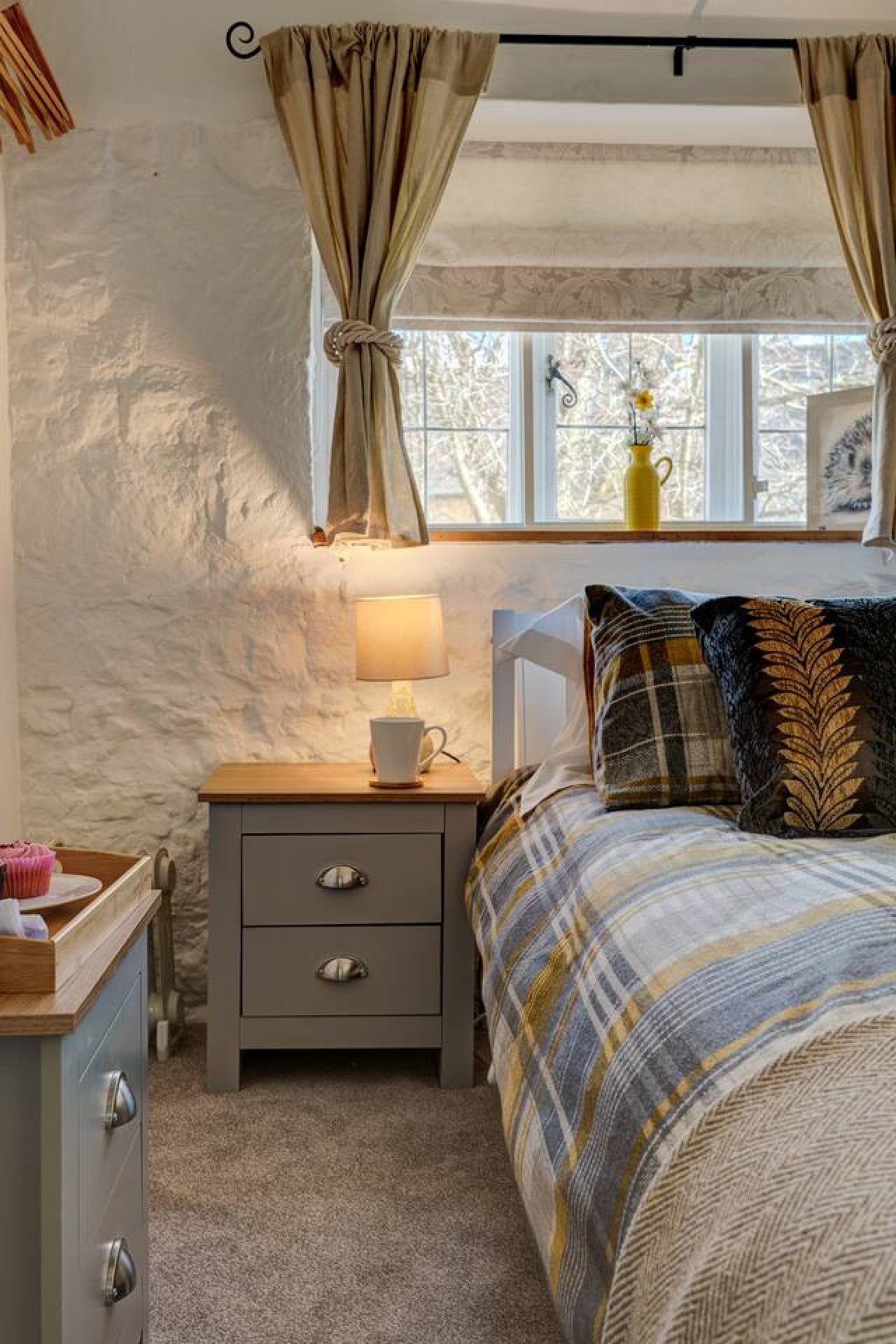
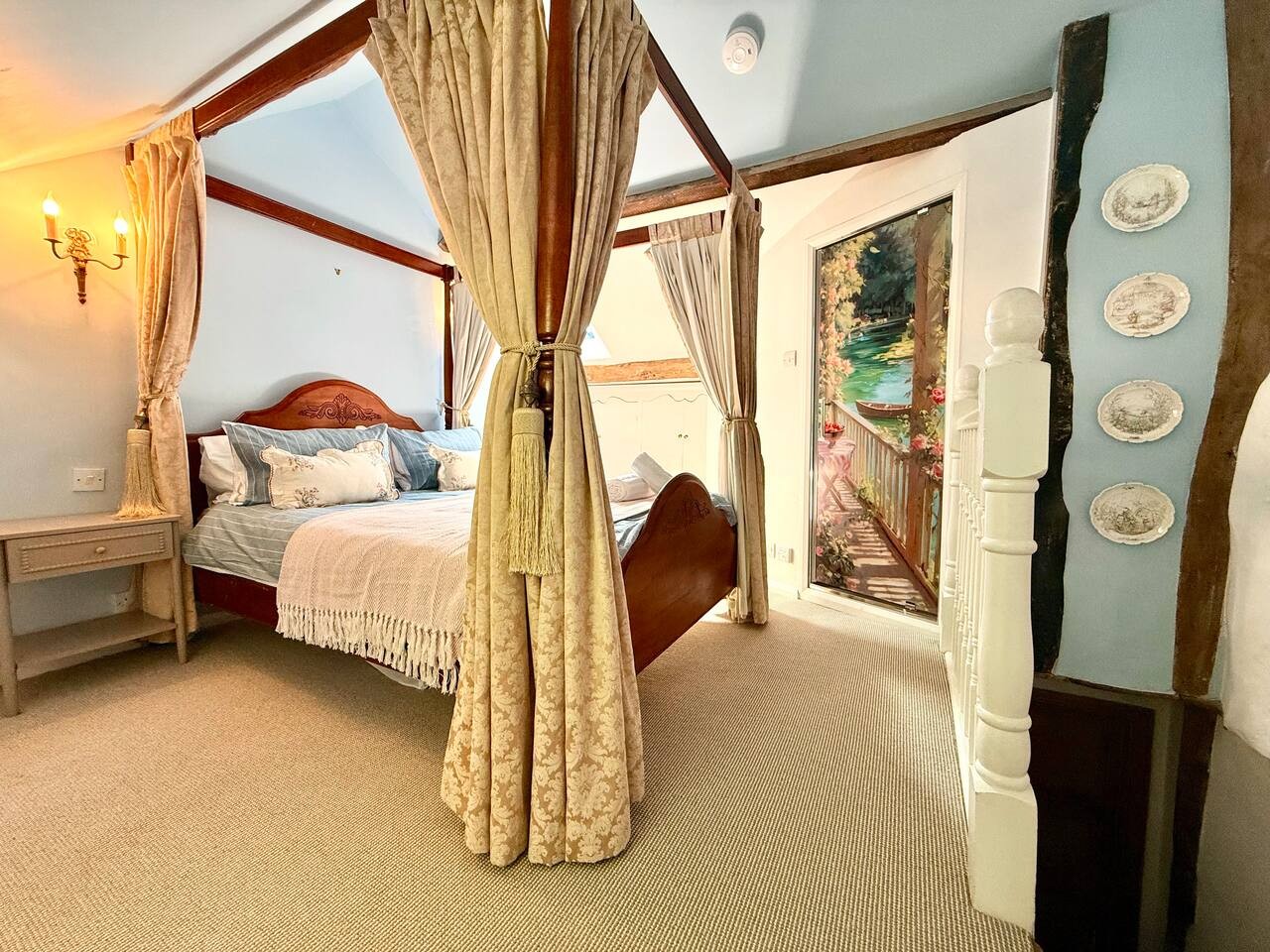
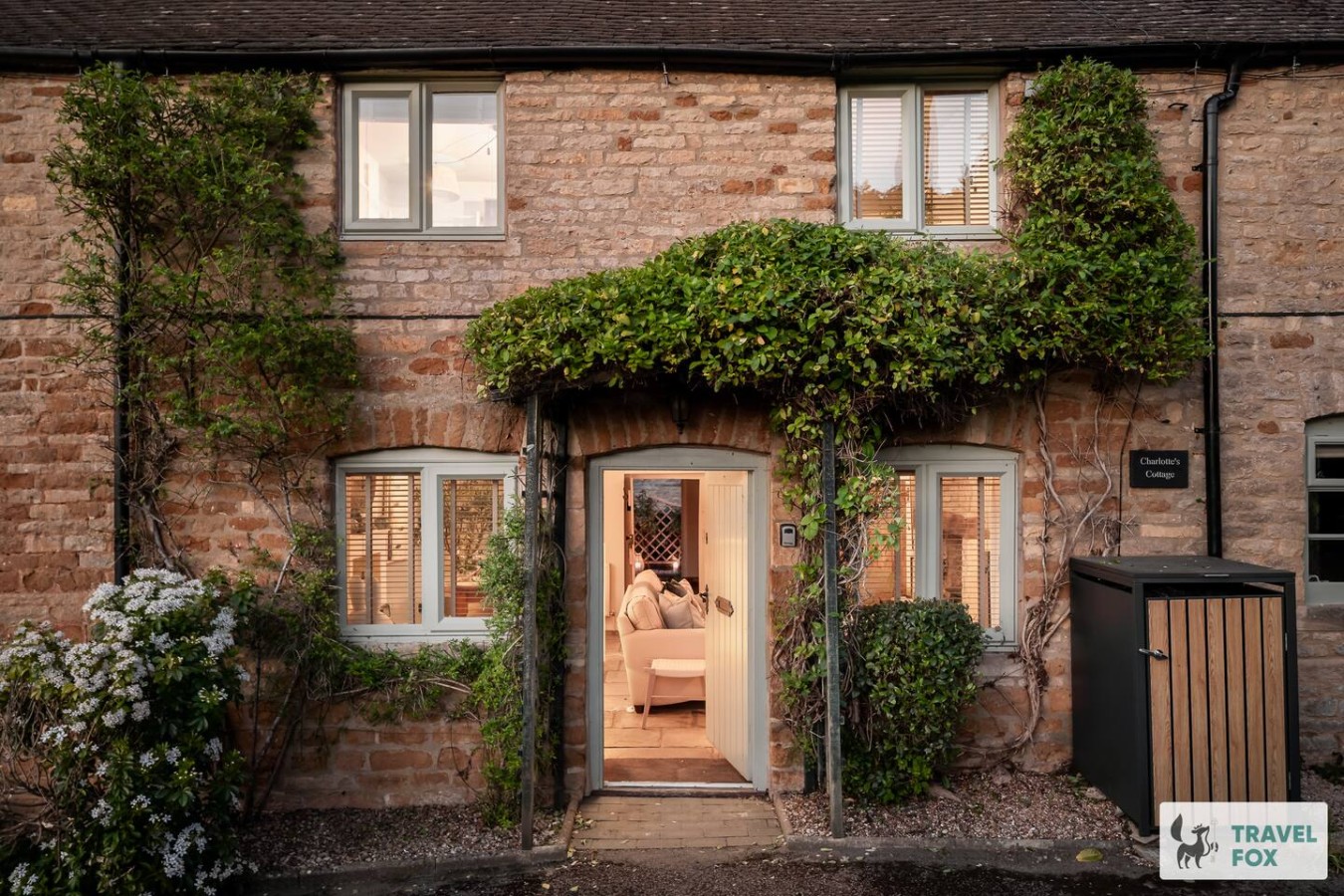
Travel Fox holiday homes around Cotswolds, linked directly to their property pages.
For homeowners
Own a holiday home near Icomb?
We manage holiday lets across the Cotswolds from 12% commission, charged after cleaning costs, with no lock-in. A co-founder visits before you decide.
Holiday let management in the Cotswolds →
A guide with a point of view
Written from research. Edited for real journeys.
Use the Official site links for live practical details, then use this guide for context, ideas and room to explore.
Sources
Every place on this page is checked against a published source. Each entry links the record we used and names who publishes it.
- Church of St Mary — historicengland.org.uk statutory register or public authority record not machine-readable; publisher restricts automated access
- Bledington, Church Westcote & Icomb Circuit — christophersomerville.co.uk other published source
- Bledington Community Shop & Café — bledingtonshop.com operator, sector body or destination organisation
- The King's Head Inn — thekingsheadinn.net operator, sector body or destination organisation
- The Fox at Oddington — thefoxatoddington.com operator, sector body or destination organisation
- Birdland Park & Gardens — birdland.co.uk operator, sector body or destination organisation