
Canal craft and Cotswold woodland
Sapperton
A village above the Golden Valley where canal engineering, Arts and Crafts history and ancient woodland meet.
- Best for
- Canal history, Arts and Crafts and woodland walks
- Give it
- Time for the church, canal story and woods
- Don't miss
- St Kenelm's monuments and the restored Coates portal
The Fox verdict
A craft village shaped by canal and woodland
Sapperton brings together an unusually rich parish church, the story of England's once-longest tunnel and paths through ancient woods.
Come for the Arts and Crafts story, then follow it into a landscape of canal portals, steep woodland paths and the Golden Valley. The Bell and the Daneway Inn give the village two distinct food-and-drink stops, while St Kenelm's salvaged woodwork and monuments reward a careful look.
Where to go
Places in Sapperton
Every place below is checked against a published source, listed with what it is and how long to give it.
Local signatures
3 placesThe Bell at Sapperton
An independent family-owned country pub with monthly-changing food, a landscaped garden and a covered courtyard with its own bar and pizzeria.
- Visit length
- Editorial estimate: Allow around 75 minutes
- Locality
- Sapperton
- Access
- Well-behaved dogs are allowed at the duty manager's discretion; declare them when booking, keep them clean and on a short lead, and keep them off furniture.
The Daneway Inn
A Wadworth country pub with a canal-working past: its three cottages were built for canal managers and overseers; the western one became the Bricklayers Arms, while the other cottages lodged tunnel leggers, and the former summit lock is now its car park.
- Visit length
- Editorial estimate: Allow around 75 minutes
- Locality
- western edge of Sapperton
Rodmarton Manor
A closely related Arts and Crafts day out, built and furnished by Ernest Barnsley and the Cotswold group using local stone, timber and craftspeople, with an eight-acre garden.
- Visit length
- Editorial estimate: Allow around 2 hours
- Locality
- off the A433 near Sapperton
- Access
- Public access is seasonal, so details should be rechecked.
Walks & outdoors
3 placesSiccaridge Wood
Twenty-seven hectares of semi-natural ancient woodland with spring bluebells, wood-ant nests, monitored dormouse habitat, benches and a ridge viewpoint.
- Visit length
- Editorial estimate: Allow around 1 hour 45 minutes
- Locality
- between Sapperton and Oakridge
- Access
- Paths can be muddy, uneven and steep; keep dogs on a lead. The flatter upper stony paths are the easiest option.
Sapperton Church and Canal Loop
A circular walk across open fields to Sapperton's Arts and Crafts buildings, returning through woodland and pasture on the Golden Valley's northern slopes.
- Visit length
- Editorial estimate: Allow around 2 hours 30 minutes
- Locality
- from Oakridge
Coates Portal to Daneway Walk
A walk on the Wysis Way and Thames & Severn Way from the restored Coates portal through Hayley Wood and Sapperton to the Daneway entrance.
- Visit length
- Editorial estimate: Allow around 1 hour 45 minutes
- Locality
- from the restored Coates portal to the Daneway entrance
- Access
- Sapperton Tunnel itself has no public access.
History & heritage
2 placesChurch of St Kenelm
An early-12th-century cruciform church with a broach spire, salvaged Sapperton Park woodwork, a 15th-century font and an unusually rich collection of monuments.
- Visit length
- Editorial estimate: Allow around 40 minutes
- Locality
- Sapperton
Corinium Museum
A museum of Cotswolds archaeology displaying prehistoric tools, Roman mosaics, Anglo-Saxon grave goods and medieval sculpture.
- Visit length
- Editorial estimate: Allow around 75 minutes
- Locality
- Cirencester
Things to do
1 placeWestonbirt, the National Arboretum
A family option with more than 600 acres, 17 miles of paths, buggy-suitable hard routes, play trails and a 13-metre-high treetop walkway.
- Visit length
- Editorial estimate: Allow around 2 hours 30 minutes
- Locality
- toward Tetbury
- Access
- Admission can require advance booking at busy periods.
No places match this filter. Choose All places to reset the list.
Three ways to explore Sapperton
Signature outings
Monuments at St Kenelm's
Find the 1574 Poole tomb, Sir Robert Atkyns's reclining monument and woodwork salvaged from Sapperton Park.
Begin at Coates portal
Follow the 2.7-mile route from the restored Coates portal through Hayley Wood and Sapperton toward the Daneway entrance.
Walk Siccaridge Wood
Take the flatter upper stony paths for the easier option, with benches, a ridge viewpoint and spring bluebells along the reserve.
The village story
Sapperton Village Guide
Pubs, portals, craft history and ancient woodland above the Golden Valley.
Village pubs with a canal past
Inside the front bar of The Bell there is a self-service wall of wine: dozens of bottles you can carry off to your table or take home, and more than twenty still and sparkling wines poured by the glass. The pub is run by Peter Austen, born in Gloucestershire, and it tries to be two things at once — the village local and a place people drive out to for dinner. The menu changes month by month, and the lamb and venison, the kitchen will tell you, usually come from a field or two away. Behind the main building there is a landscaped garden and a covered courtyard with its own bar and a pizzeria. Dogs are welcome throughout, on a short lead and off the furniture, and there is baby-changing, a children's menu and high chairs, though the pub is clear that it is not a play area. The Times, reviewing winter pubs, gave it one word: idyllic.
At the western edge of the village stands The Daneway Inn, a Wadworth pub the brewery steers walkers and cyclists towards. It began as three cottages built for the men who ran the Thames and Severn Canal. In 1807 the western one became the Bricklayers Arms, named after the bricklayers who lined the locks and stretches of Sapperton Tunnel; the other cottages lodged the tunnel leggers. It became a free house in 1955 and took the Daneway name. The car park was once the canal's summit lock.
Provisions and the tunnel
Provisions mean a short drive to Cirencester, four and a half miles east, where the Corinium Museum keeps its Roman mosaics.
The canal explains much of what you walk past here. From the restored Coates portal, the Wysis Way and the Thames and Severn Way run 2.7 miles through Hayley Wood to the Daneway. The tunnel between the two portals — 3,817 yards long, and 213 feet down at its deepest — opened in 1789, and was the longest tunnel of any kind in England for twenty-two years. There was no towpath inside, so boats were legged through: two men lay on a plank across the bows and walked the boat along the walls, a crossing of about three and a half hours. Roof falls block it now, and it is closed to the public.
Woods and craftspeople
For a longer walk, Siccaridge Wood covers twenty-seven hectares of ancient woodland between Sapperton and Oakridge, with bluebells in spring, large wood-ant nests, and dormice in monitored boxes. Keep dogs on a lead and expect the lower paths to be muddy and steep; the flatter stony routes higher up are the easier option. A 5.8-mile circular from Oakridge takes in the village's Arts and Crafts buildings before returning through the woods.
Those buildings are the other reason people come. In 1893 Ernest Gimson and Sidney Barnsley persuaded Ernest Barnsley to join them here and build a craft community out of local people and local materials. They trained villagers as craftspeople, with a strong focus on furniture; Gimson himself learned to make ladder-back chairs from a travelling chair bodger. Lord Bathurst lent them Daneway House as a workshop. Gimson designed The Leasowes around 1903, and with Barnsley and Norman Jewson the village hall in 1912. Rodmarton Manor, a few miles off, was built and furnished by the same circle and can be visited in season.
Church stones and Domesday
The Church of St Kenelm is cruciform under a broach spire, its oldest stonework early twelfth century. The Atkyns family rebuilt much of it in the early eighteenth century, and when the old house at Sapperton Park was pulled down around 1730 its carved pew ends, panelling, gallery front and oak cornice were carried into the church. Inside there is a fifteenth-century font, linen-fold benches, and a run of monuments unusually rich for a village this size: the Poole tomb of 1574, with Sir Henry Poole and his family kneeling in marble, and Edward Stanton's reclining figure of Sir Robert Atkyns, the county historian, who died in 1711.
In 1086 the manor, recorded with neighbouring Frampton Mansell, was held by Robert of Tosny and worth sixteen pounds a year, up from fourteen twenty years before.
Arrival and the ridge
Getting here is straightforward enough. Kemble station is about four and a quarter miles off, on the Great Western line; the village sits just off the A419 between Stroud and Cirencester, and the demand-responsive Robin bus will stop at The Glebe or Sapperton School if you book it ahead.
In spring the lower woods fill with bluebells, and the ridge path leads to benches and a viewpoint, with the old canal lying south of the wood. It is a good place to sit for a while before the walk back up.
Stay around Cotswolds
Make a longer stay of it
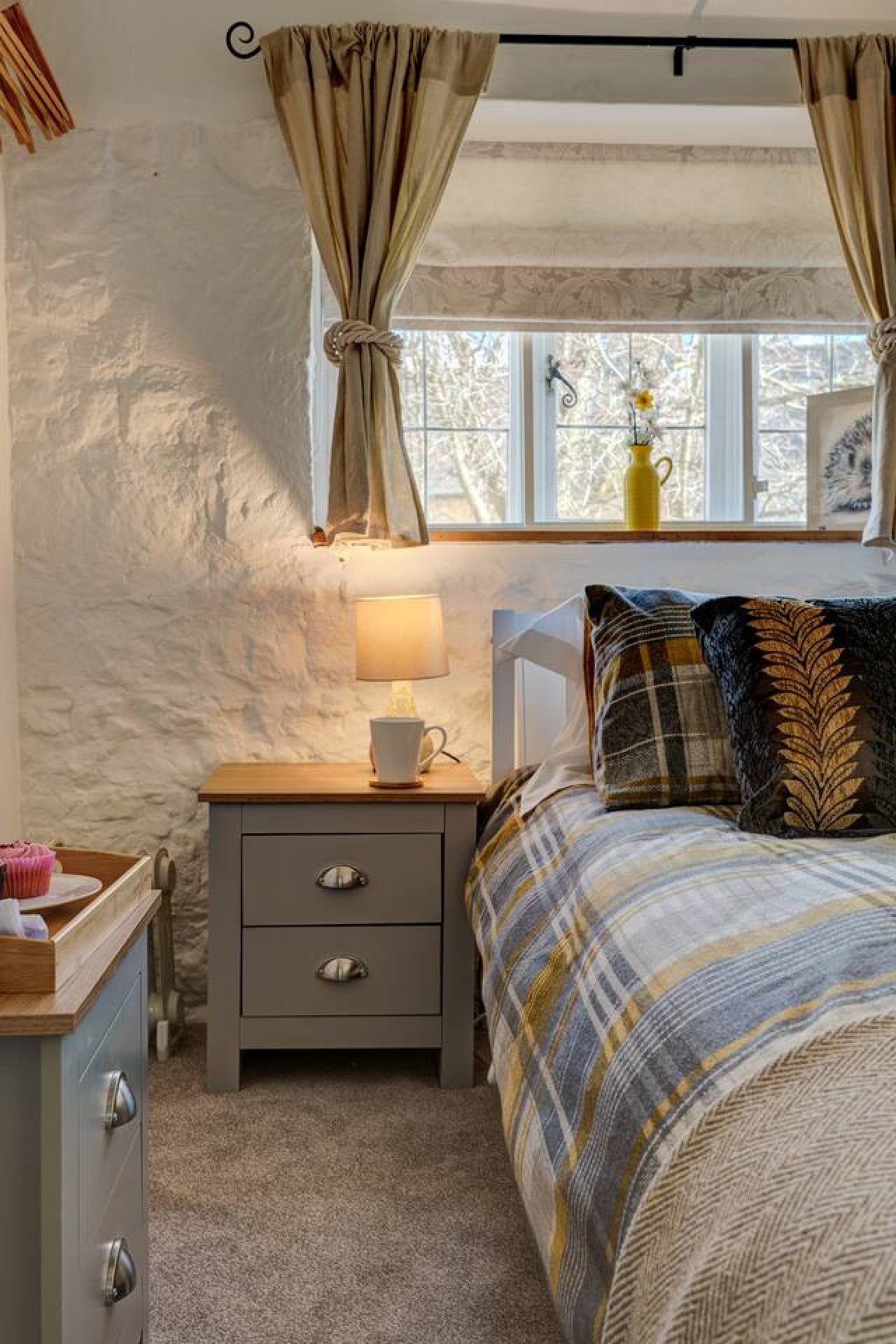
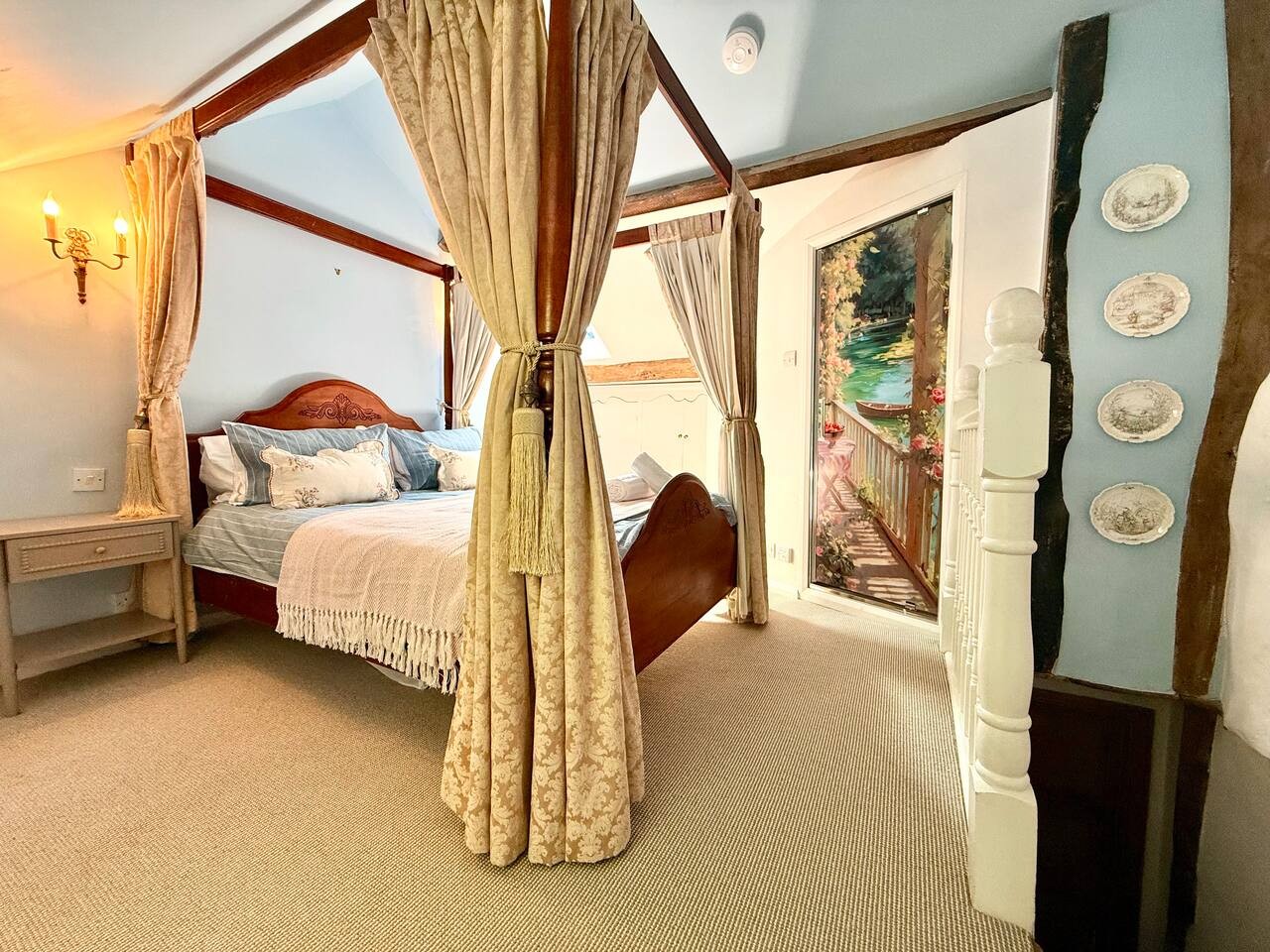
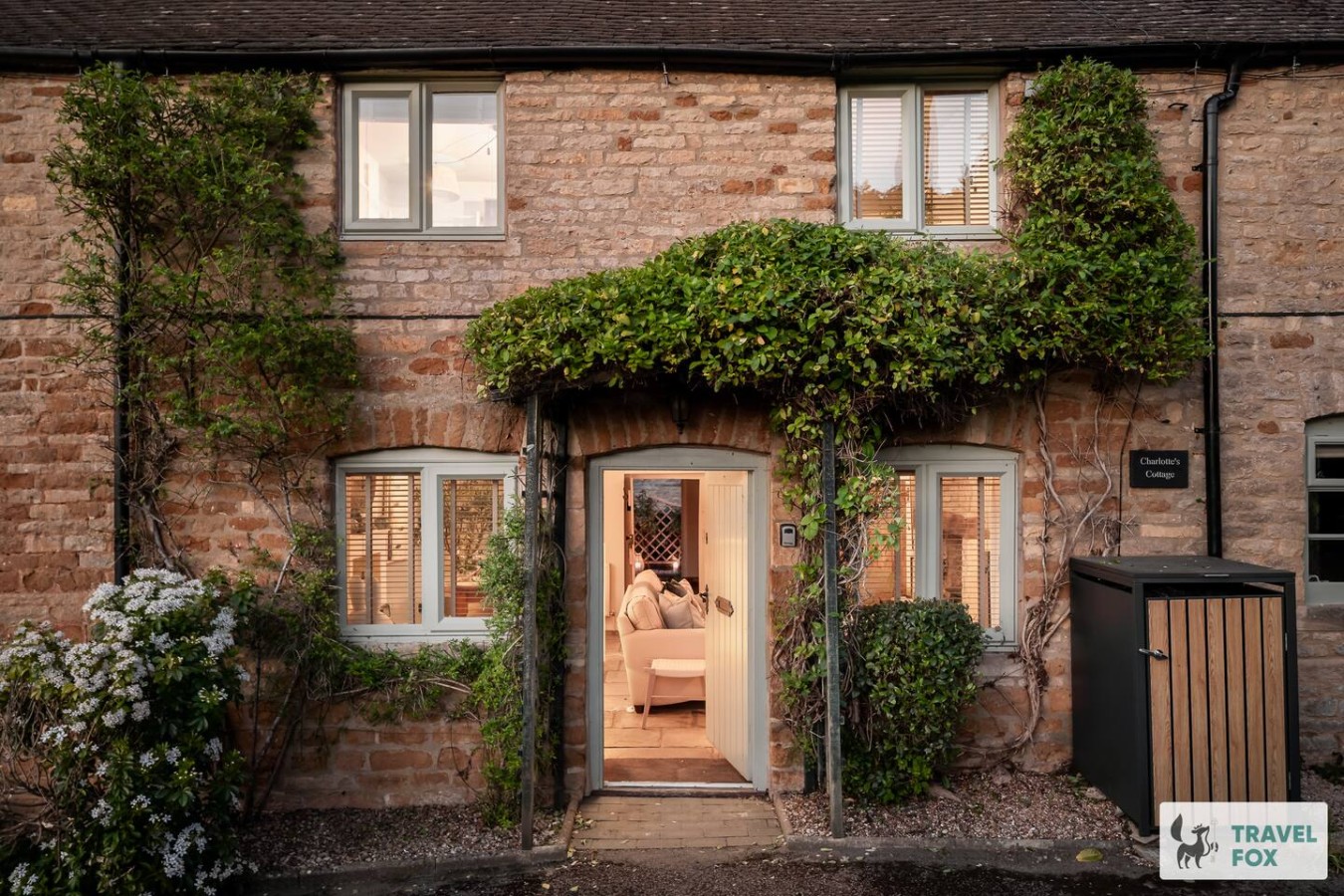
Travel Fox holiday homes around Cotswolds, linked directly to their property pages.
For homeowners
Own a holiday home near Sapperton?
We manage holiday lets across the Cotswolds from 12% commission, charged after cleaning costs, with no lock-in. A co-founder visits before you decide.
Holiday let management in the Cotswolds →
A guide with a point of view
Written from research. Edited for real journeys.
Use the Official site links for live practical details, then use this guide for context, ideas and room to explore.
Sources
Every place on this page is checked against a published source. Each entry links the record we used and names who publishes it.
- The Bell at Sapperton — bellsapperton.co.uk operator, sector body or destination organisation
- The Daneway Inn — historicengland.org.uk statutory register or public authority record not machine-readable; publisher restricts automated access
- Church of St Kenelm — historicengland.org.uk statutory register or public authority record not machine-readable; publisher restricts automated access
- Siccaridge Wood — gloucestershirewildlifetrust.co.uk other published source
- Sapperton Church and Canal Loop — visitchurches.org.uk operator, sector body or destination organisation
- Coates Portal to Daneway Walk — cotswoldcanals.net other published source
- Corinium Museum — coriniummuseum.org operator, sector body or destination organisation
- Rodmarton Manor — rodmarton-manor.co.uk operator, sector body or destination organisation
- Westonbirt, the National Arboretum — forestryengland.uk national body or asset manager