
High above the Frome valley
Miserden
A Cotswold village of estate walks, deep history, a characterful pub and a garden shaped above the River Frome.
- Best for
- Estate walks, garden history and seasonal food
- Walk choice
- Waymarked routes from 1.8 km to 6.5 km
- Don't miss
- St Andrew's two Saxon nave doorways
The Fox verdict
A small village with unusually deep layers
Come for a choice of estate walks, then make time for the garden, the church and a pub whose kitchen looks to the surrounding fields.
Miserden combines short waymarked walks and a longer six-mile circuit with a Grade II* church, a garden above the River Frome and a pub in a former carpenter's shop. The result is a visit that can move naturally between landscape, history and food.
Where to go
Places in Miserden
Every place below is checked against a published source, listed with what it is and how long to give it.
Local signatures
3 placesLittle Ginger at Miserden
A cafe and deli food trailer serving hot and cold drinks, snacks, ice creams and award-winning homemade cakes.
- Visit length
- Editorial estimate: Allow around 30 minutes
- Locality
- the garden/glasshouse grounds
The Garden at Miserden
A garden with a yew walk, mixed borders, a 200-year-old sycamore growing through a Cotswold-stone wall and a mulberry said by the estate to date from 1620.
- Visit length
- Editorial estimate: Allow around 1 hour 30 minutes
- Locality
- a bluff above the River Frome
- Access
- The house is not open to visitors. Garden routes are mostly gravel, with some uneven ground and steps; dogs are excluded except assistance dogs.
Miserden Lake Walk
The shortest estate walk, following a 1.8 km waymarked route through the arboretum and around the lake, with a chance of seeing a kingfisher.
- Visit length
- Editorial estimate: Allow around 40 minutes
- Locality
- the estate
Food & drink
1 placeThe Carpenters Arms
A traditional 17th-century Cotswold pub in a former carpenter's shop, with oak beams, a five-foot inglenook and a daily-changing seasonal menu.
- Visit length
- Editorial estimate: Allow around 1 hour 30 minutes
- Locality
- Miserden
- Access
- Dogs and children are welcome.
Walks & outdoors
3 placesMiserden Valley Walk
An easy 3.3 km estate walk through open arable fields, with a view down the valley.
- Visit length
- Editorial estimate: Allow around 50 minutes
- Locality
- the estate
Miserden Farm Walk
A quieter 6.5 km estate route leading to remote views, with an estimated walking time of about 1 hour 40 minutes.
- Visit length
- Editorial estimate: Allow around 1 hour 40 minutes
- Locality
- the estate
- Access
- Dogs should be kept on leads because of livestock and wildlife.
Miserden, Duntisbourne and Winstone Circular
A six-mile circular through woods and fields, linking Miserden with Duntisbourne and Winstone over about three hours.
- Visit length
- Editorial estimate: Allow around 3 hours
- Locality
- opposite the Carpenters Arms
- Access
- The route includes steep slopes and requires moderate fitness.
History & heritage
1 placeChurch of St Andrew
A mostly 11th-century Grade II* church with two Saxon nave doorways, a Norman font and an exceptional group of monuments.
- Visit length
- Editorial estimate: Allow around 40 minutes
- Locality
- Miserden
No places match this filter. Choose All places to reset the list.
Three ways to explore Miserden
Signature outings
A garden above the Frome
Follow the yew walk and mixed borders to the sycamore that has grown through a Cotswold-stone wall.
Saxon doors inside St Andrew's
Look for the two Saxon nave doorways, each with a pointed 14th-century doorway inserted beneath it.
A carpenter's shop turned pub
Pause at the Carpenters Arms for its five-foot inglenook, oak beams and a seasonal menu that changes daily.
The village story
Miserden Village Guide
A source-locked journey through the village's pub, estate walks, garden, church and long view across the Frome valley.
The carpenter's shop that became a pub
The Carpenters Arms has a five-foot inglenook fireplace and, until about a century ago, was a carpenter's shop rather than a pub. The oak beams are still in place. So is the kitchen garden, which grows much of what turns up on the menu, and the menu changes daily with the season. It leans on the surrounding fields: steak-and-ale pie with mash, mushy peas and gravy; Miserden lamb burgers with mint dip; breast of Miserden lamb with butternut-squash and sweet-potato mash. There is homemade chicken madras with chutney, and a butternut-squash and sweet-potato Wellington for anyone skipping the meat. On Sundays it is John Hinds' Sheepscombe topside of beef and Sue and Aubrey's Miserden leg of lamb, both named on the board like the neighbours they are.
Dogs and children are welcome. The pub keeps a selection of real ales and, less usually, eight ciders; it was Stroud CAMRA's Cider Pub of the Year in 2021. In 2015 the village stood in for Slad in the BBC's adaptation of *Cider with Rosie*, with the pub among the buildings pressed into service. Samantha Morton starred and Timothy Spall narrated.
Daytime stops and waymarked walks
For daytime supplies there is Little Ginger at Miserden, a cafe and deli run from a food trailer in the garden grounds: hot and cold drinks, ice creams, snacks and award-winning homemade cakes. The village shop and Post Office sit at Brompton Cottage, where Laura runs the counter and you can post a parcel, withdraw cash or pay in a cheque.
Three waymarked walks start from the estate. The shortest, the Lake Walk, is 1.8 km through the arboretum and around the lake, where a kingfisher is a possibility. The Valley Walk is 3.3 km of open arable fields and a view down the valley. The Farm Walk is longer at 6.5 km, on a quieter route to remote views, with dogs kept on leads for the livestock. For something bigger, a six-mile circular through Duntisbourne and Winstone starts opposite the Carpenters Arms, taking in woods, fields and a few steep slopes over about three hours.
Garden walls and layers of history
The Garden at Miserden occupies a bluff above the River Frome, which is dammed below the house into a lake about 200 metres long, possibly on the line of medieval fishponds recorded in 1233. There is a yew walk, mixed borders, a two-hundred-year-old sycamore that has grown straight through a Cotswold-stone wall, and a mulberry said by the estate to date from 1620. The paths are mostly gravel, with some steps and uneven ground; dogs are not admitted except assistance dogs. The house itself is not open.
The Sandys family began the present house in 1620. A fire in 1919 gutted much of it, and Edwin Lutyens helped rebuild and reshape the house and its grounds in 1920 and 1921. The park is older than any of it, documented from 1297, and the ground where Henry VIII spent a day hunting in 1535. Above the gardens a motte still rises about ten metres, the remains of a castle first recorded in 1146.
Saxon doorways and country-lane arrivals
The Church of St Andrew is mostly eleventh-century, with a twelfth-century chancel and a fifteenth-century tower. Two Saxon doorways survive in the nave, each with a pointed fourteenth-century doorway inserted underneath. Inside there is a round Norman font and a close group of monuments: alabaster effigies of Sir William Sandys, who died in 1640, and Margaret Culpeper, who died in 1644, laid out with their children, and a painted stone figure of William Kingstone, who died in 1614. In the Domesday survey of 1086 the place was called Greenhampstead and counted twenty-five households.
The village sits high on the west side of the wooded Frome valley, and getting here means country lanes. The A417 runs about four kilometres east; Stroud, the nearest station, is about a thirteen-minute drive west. Buses are scarce, a Thursday service through Painswick and a Saturday one to Stroud, both stopping by the shop and the pub, so it is worth checking the timetable before you rely on either. Painswick, and its rococo garden, is on that Thursday route.
One last chance of a kingfisher
If you are quiet, you may be lucky enough to see a kingfisher.
Stay around Cotswolds
Make a longer stay of it
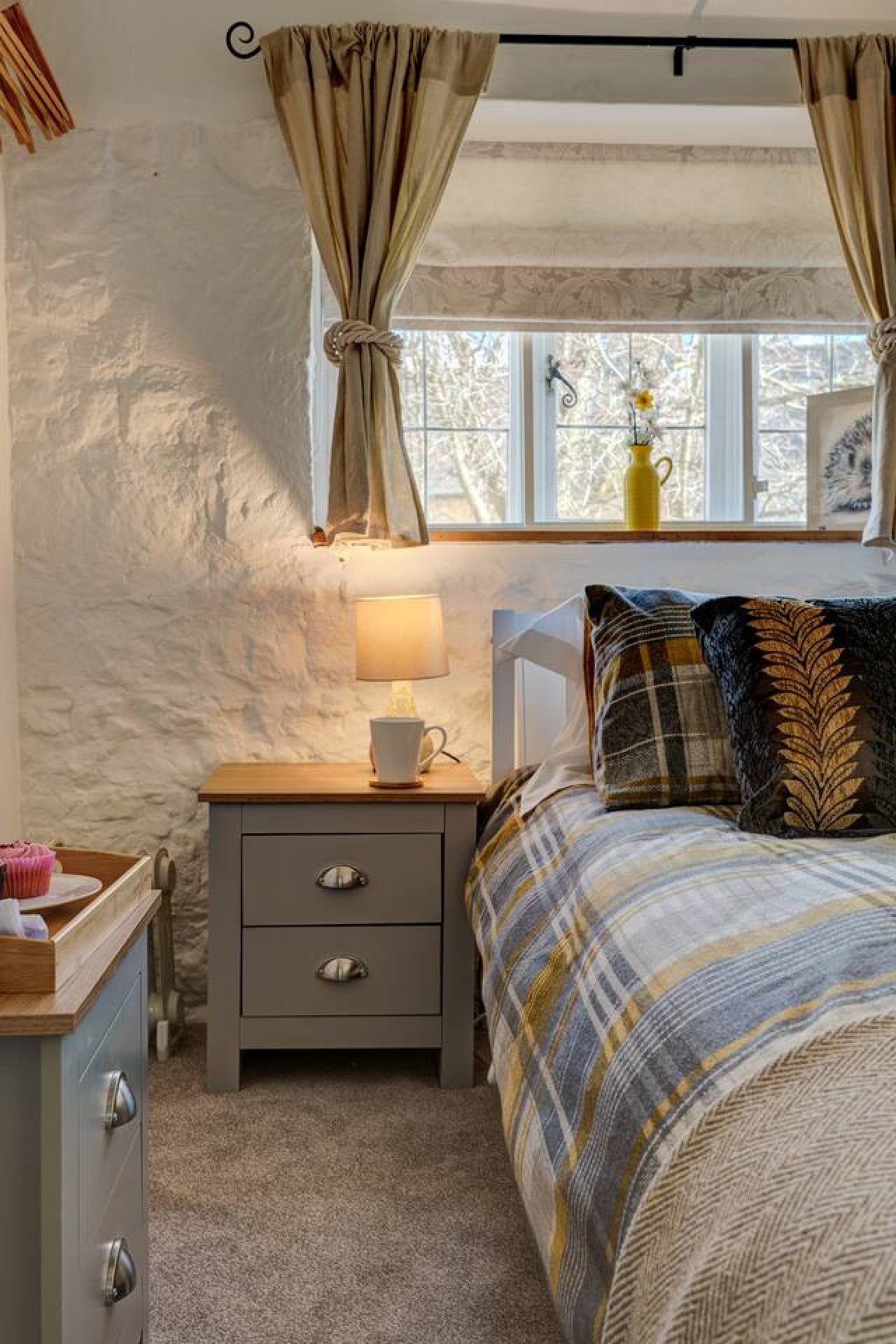
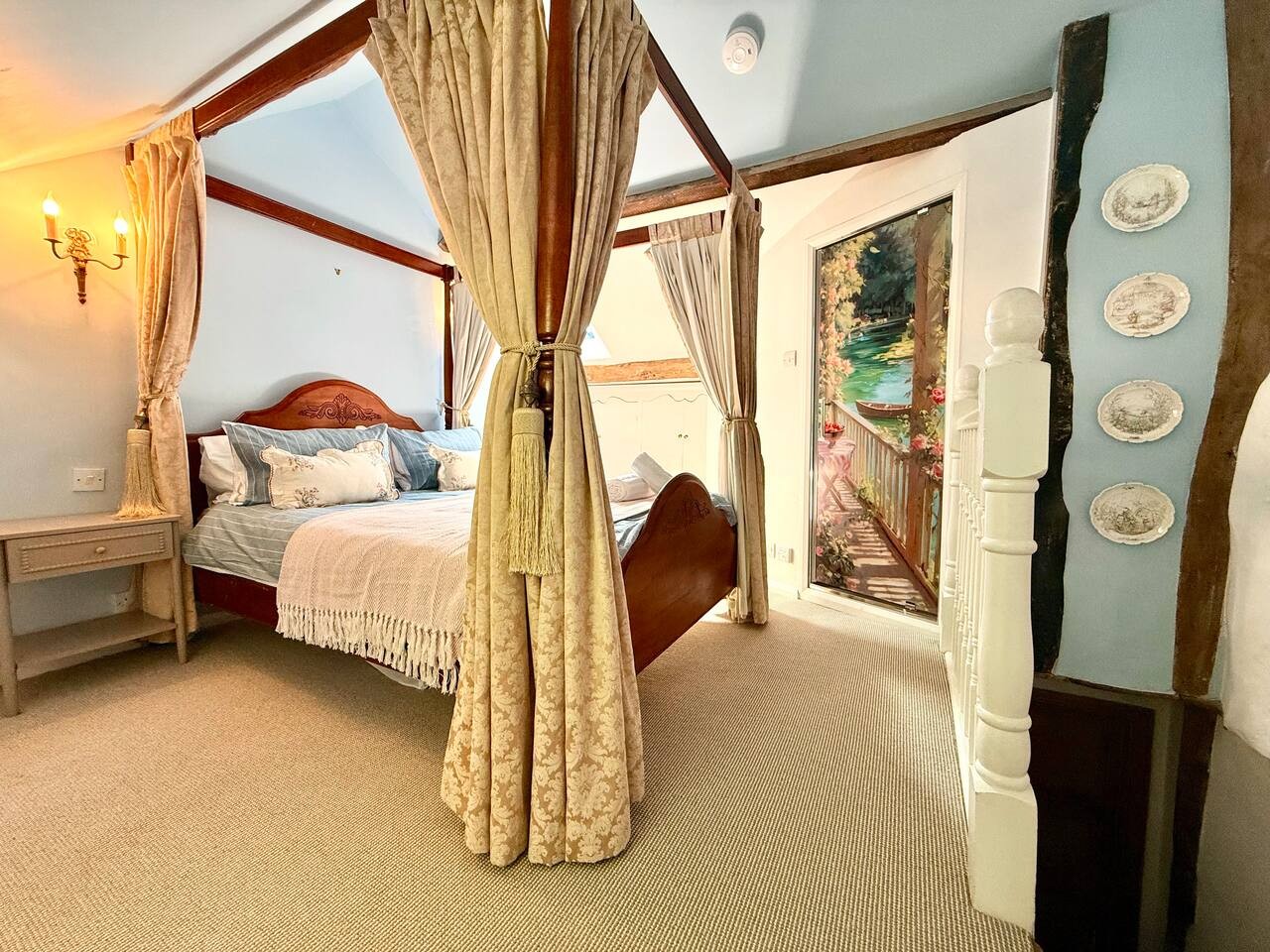
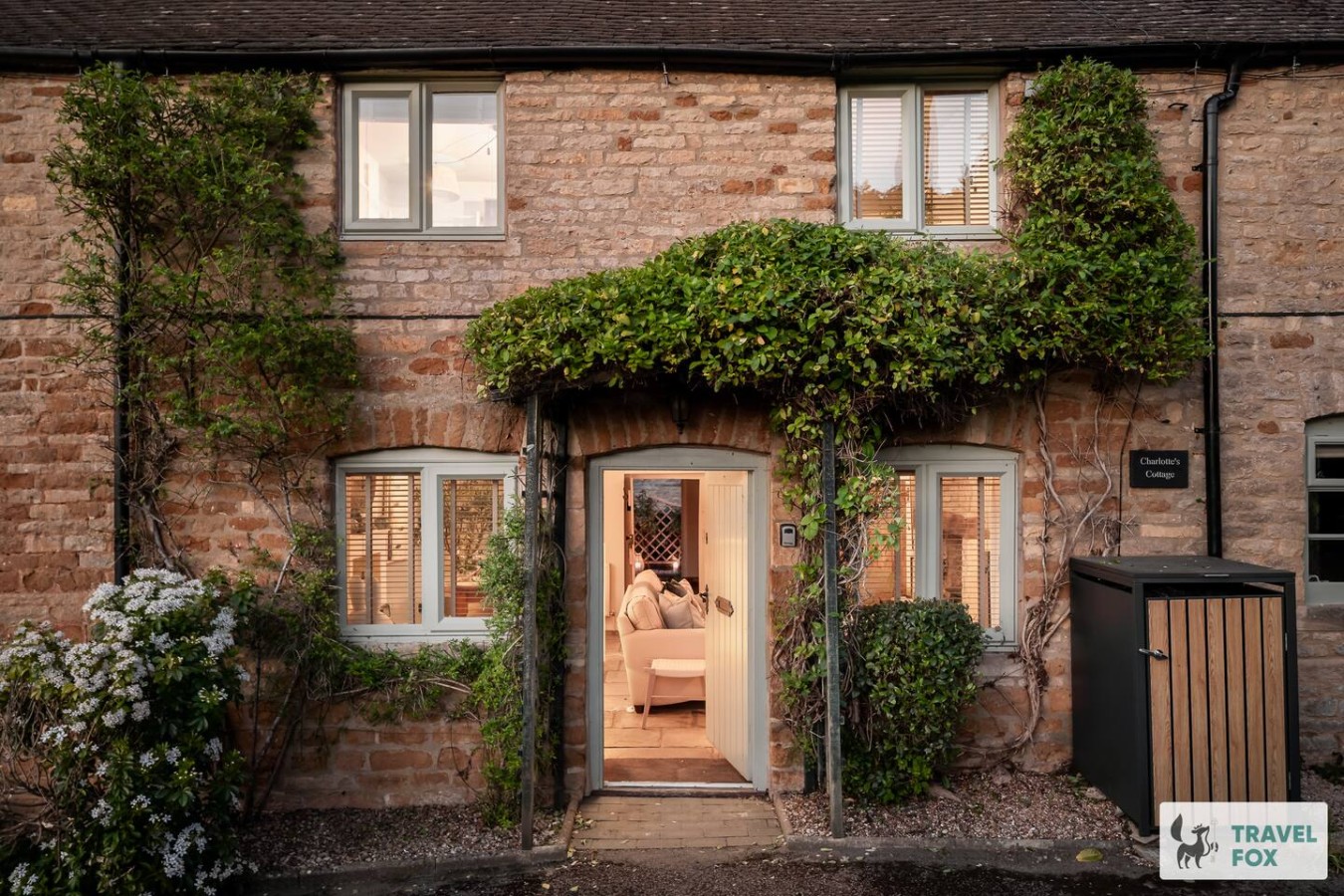
Travel Fox holiday homes around Cotswolds, linked directly to their property pages.
For homeowners
Own a holiday home near Miserden?
We manage holiday lets across the Cotswolds from 12% commission, charged after cleaning costs, with no lock-in. A co-founder visits before you decide.
Holiday let management in the Cotswolds →
A guide with a point of view
Written from research. Edited for real journeys.
Use the Official site links for live practical details, then use this guide for context, ideas and room to explore.
Sources
Every place on this page is checked against a published source. Each entry links the record we used and names who publishes it.
- The Carpenters Arms — thecarps-miserden.co.uk other published source record not machine-readable; publisher restricts automated access
- Little Ginger at Miserden — miserden.org operator, sector body or destination organisation
- The Garden at Miserden — miserden.org operator, sector body or destination organisation
- Church of St Andrew — historicengland.org.uk statutory register or public authority record not machine-readable; publisher restricts automated access
- Miserden Lake Walk — miserden.org operator, sector body or destination organisation
- Miserden Valley Walk — miserden.org operator, sector body or destination organisation
- Miserden Farm Walk — miserden.org operator, sector body or destination organisation
- Miserden, Duntisbourne and Winstone Circular — cotswolds-nl.org.uk other published source