
High-wold paths and Giffard history
Brimpsfield
A small, quiet high-Cotswold village where a River Frome circular, a field-path church and the village hall shape the visit.
- Best for
- River Frome walking and medieval history
- Give it
- Two and a half hours for the four-mile circular
- Don't miss
- The scratch mass dial at St Michael and All Angels
The Fox verdict
Come for the walk; linger for the medieval layers
Brimpsfield is a small, quiet high-Cotswold village with a strong circular walk and a Grade I church reached by a long field path.
The four-mile route follows the infant River Frome through meadow, stream valley and woodland and passes the medieval castle site. Pair it with St Michael and All Angels for the Giffard story, medieval fabric and the church's later connection with Eton College.
Where to go
Places in Brimpsfield
Every place below is checked against a published source, listed with what it is and how long to give it.
Local signatures
3 placesBrimpsfield Village Hall
The village's community hub, with an active bar rota and occasional organised activities and events after extension and refurbishment work from 2022 onward.
- Visit length
- Editorial estimate: Allow around 45 minutes
- Locality
- Brimpsfield
- Access
- The hall is Brimpsfield's community hub, with a bar and space for organised activities and events.
St Michael and All Angels
A Grade I church with an early-12th-century nave, a scratch mass dial, complete rood-loft stairs, medieval wall-painting fragments, a 1658 carved oak pulpit and a 15th-century font.
- Visit length
- Editorial estimate: Allow around 45 minutes
- Locality
- On the edge of a promontory
The Green Dragon Inn
A 17th-century country inn with beamed ceilings, stone-flagged floors, log fires, real ales, nine bedrooms and bars and furniture made by Robert Thompson, the Mouseman of Kilburn.
- Visit length
- Editorial estimate: Allow around 90 minutes
- Locality
- Cockleford
Food & drink
3 placesThe Highwayman Inn
An Arkell's coaching inn on the old Ermin Way, with low beams, stripped stone, log fires, a restaurant and a replica carriage outside.
- Visit length
- Editorial estimate: Allow around 90 minutes
- Locality
- Elkstone
- Access
- Dogs are allowed in both the bar and the restaurant.
The Royal George Hotel
A pub and hotel in Birdlip identified by the Brimpsfield visitor page as a nearby pub option outside the village.
- Visit length
- Editorial estimate: Allow around 75 minutes
- Locality
- Birdlip
- Access
- The venue confirms that it is dog friendly.
Miserden Stores and Post Office
A village convenience store and Post Office established for more than 100 years, selling fresh local bread, cakes, milk, fruit, vegetables and meat.
- Visit length
- Editorial estimate: Allow around 30 minutes
- Locality
- Miserden
Walks & outdoors
1 placeA Vanished Castle and River Restoration
A circular towards Syde and Caudle Green that passes the medieval castle site and follows the infant River Frome through meadow, stream valley and woodland.
- Visit length
- Editorial estimate: Allow around 2.5 hours
- Locality
- From Brimpsfield Village Hall
- Access
- There are two early stiles and a steady steep climb near the end.
No places match this filter. Choose All places to reset the list.
Three ways to explore Brimpsfield
Signature outings
The hall takes the pub's place
The village-hall bar makes the community hub Brimpsfield's local social-drinking venue.
Pause at an old coaching inn
At Elkstone, the Highwayman stands on the old Ermin Way with low beams, stripped stone and a replica carriage outside.
Call at the century-old shop
Miserden Stores and Post Office has traded for more than 100 years and sells fresh local bread, cakes, milk, fruit, vegetables and meat.
The village story
Brimpsfield: hall life, river paths and vanished power
The locked article moves from the village's present-day gathering place through practical stops and nearby inns to the Frome walk, Giffard history, the church, Domesday and the long-running village show.
Hall life on the high wold
On Friday evenings the bar in Brimpsfield's village hall opens for drinks, and for now that is where the village does its social drinking. There is no conventional pub or shop in Brimpsfield; the hall bar is the village's social-drinking venue. What the village has instead is a hall its volunteers extended and refurbished from 2022 onward, an active bar rota, and the habit of treating it as the main place to gather.
You are high on the wold, in the Cotswolds National Landscape, roughly seven miles from Cheltenham and nine each from Gloucester and Cirencester. The A417 runs just to the east, close enough for the towns. South of the houses the infant River Frome begins its run through meadow and wooded valley.
Supplies and nearby inns
Supplies take a little planning. Cotteswold Dairies delivers milk and groceries three days a week, which provides some essentials. For anything more, Miserden has the nearest village shop and post office, going for more than a hundred years, with fresh local bread, cakes, fruit, vegetables and meat. Brockworth is where you go for a fuller range and for petrol. The Miserden estate also sells direct: pasture-fed Belted Galloway beef boxes from cattle grazed on low-input wildflower grassland, and seasonal venison.
For a proper pub you drive out. The Green Dragon at Cockleford is a seventeenth-century inn with beamed ceilings, stone-flagged floors, log fires and bars and furniture made by Robert Thompson, the Mouseman of Kilburn, whose small carved mouse is worth hunting for on the woodwork. A recent kitchen menu has featured cod fish-finger and tartare sandwiches, a Somerset Brie, rocket and cranberry sandwich, and a piri-piri chicken and mozzarella panini, with spaghetti Bolognese and Gloucester Old Spot chipolatas for children; check what's currently on before you go. It has nine bedrooms and a shop of its own. At Elkstone, the Highwayman is an Arkell's coaching inn on the old Ermin Way, all low beams and stripped stone, with a replica carriage parked outside and a Sunday lunch. Ian Blake keeps it, and dogs are allowed in both the bar and the restaurant. A mile and a half off, the Royal George at Birdlip is also dog friendly.
River walking and the vanished castles
The walking justifies the whole trip. A four-mile circular starts from the village-hall car park and takes about two and a half hours, heading south towards Syde and Caudle Green, past the site of the medieval castle, then following the young Frome through meadow, stream valley and woodland. There are two early stiles and one steady steep climb near the end. Walkers are asked to leave cars at the hall, where parking is free with voluntary contributions welcomed, and to keep off the village's narrow lanes.
The castle is not much to look at now. The Giffards held Brimpsfield from the Norman period, and their stone castle was pulled down by royal forces after John Giffard, second Lord of Brimpsfield, rebelled against Edward II and was executed in 1322. What remains can be seen from the footpath to the church, though the earthworks sit on private land. An older motte survives on a valley-side spur nearby, a flat-topped oval mound and encircling ditch, and to the south-west lie the earthworks of Manless Town, a deserted medieval settlement partly overlying the buried remains of a probable Roman camp.
Church, priory and Domesday
The church is worth the field path. St Michael and All Angels — the Church of St Michael in the official listing — is Grade I listed and grew in stages: an early-twelfth-century nave, thirteenth-century chancel, fourteenth-century porch, fifteenth-century tower. By the south doorway is a scratch mass dial cut for telling the time by the sun. Inside are complete rood-loft stairs, fragments of medieval wall-painting, a carved oak pulpit dated 1658 and a fifteenth-century font. The six bells have recently been rehung and extended. A Giffard founded the church and gave it to an abbey in Normandy, which made it an alien priory, seized again and again during the French wars until it passed to Eton College, still one of its patrons.
Domesday found forty households here, three lord's plough teams and twelve of the men's, two mills, and a village valued at twelve pounds a year to its lord, the same in 1086 as in 1066.
The village show
The Brimpsfield Village Show began in January 1976, devised by a group led by Harold and Frances Masding as a Victorian-style Christmas party to see off the flat days after Christmas. It ran for about forty years and raised thousands for local causes, which is a lot of jam and raffle tickets for a place this small.
Stay around Cotswolds
Make a longer stay of it
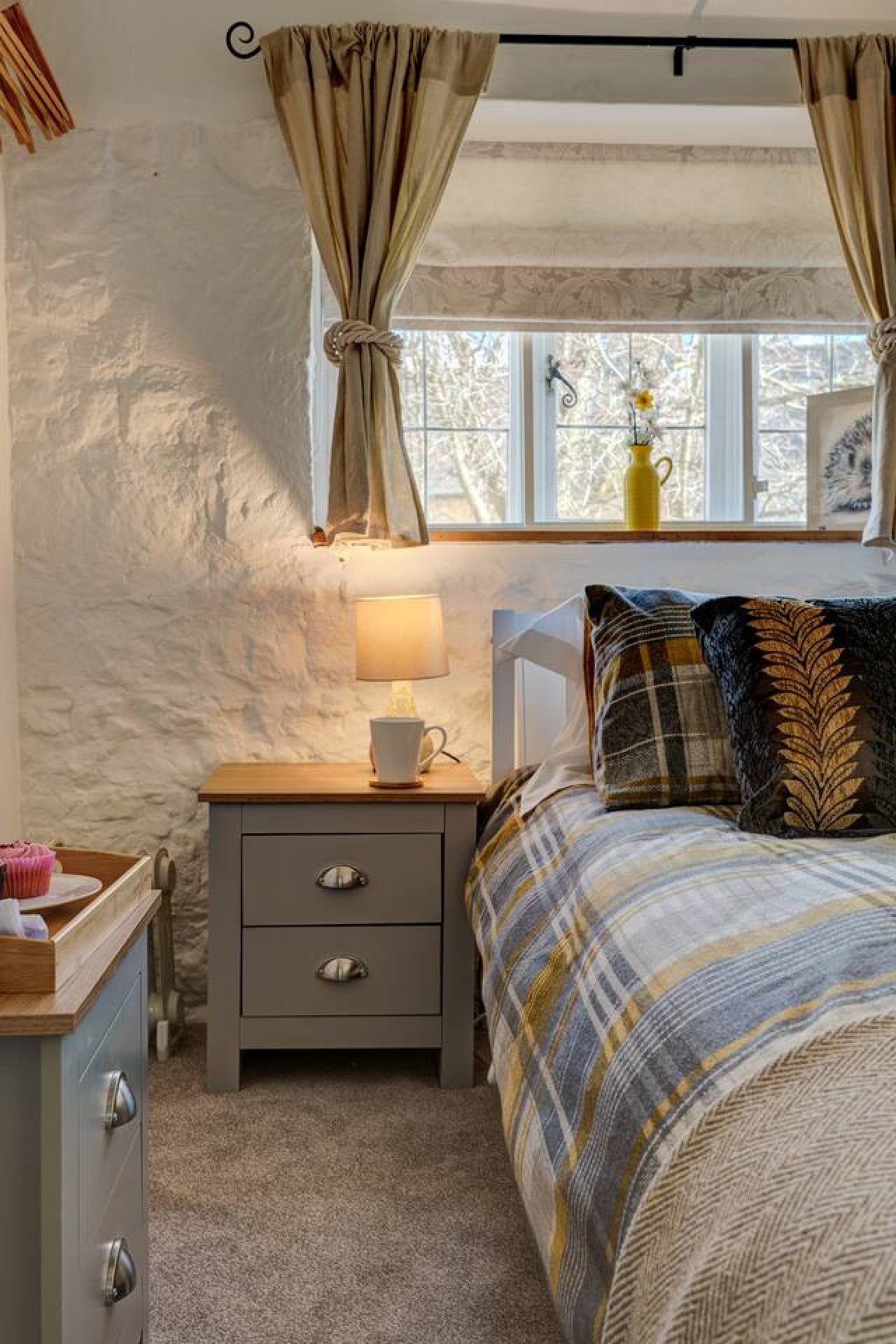
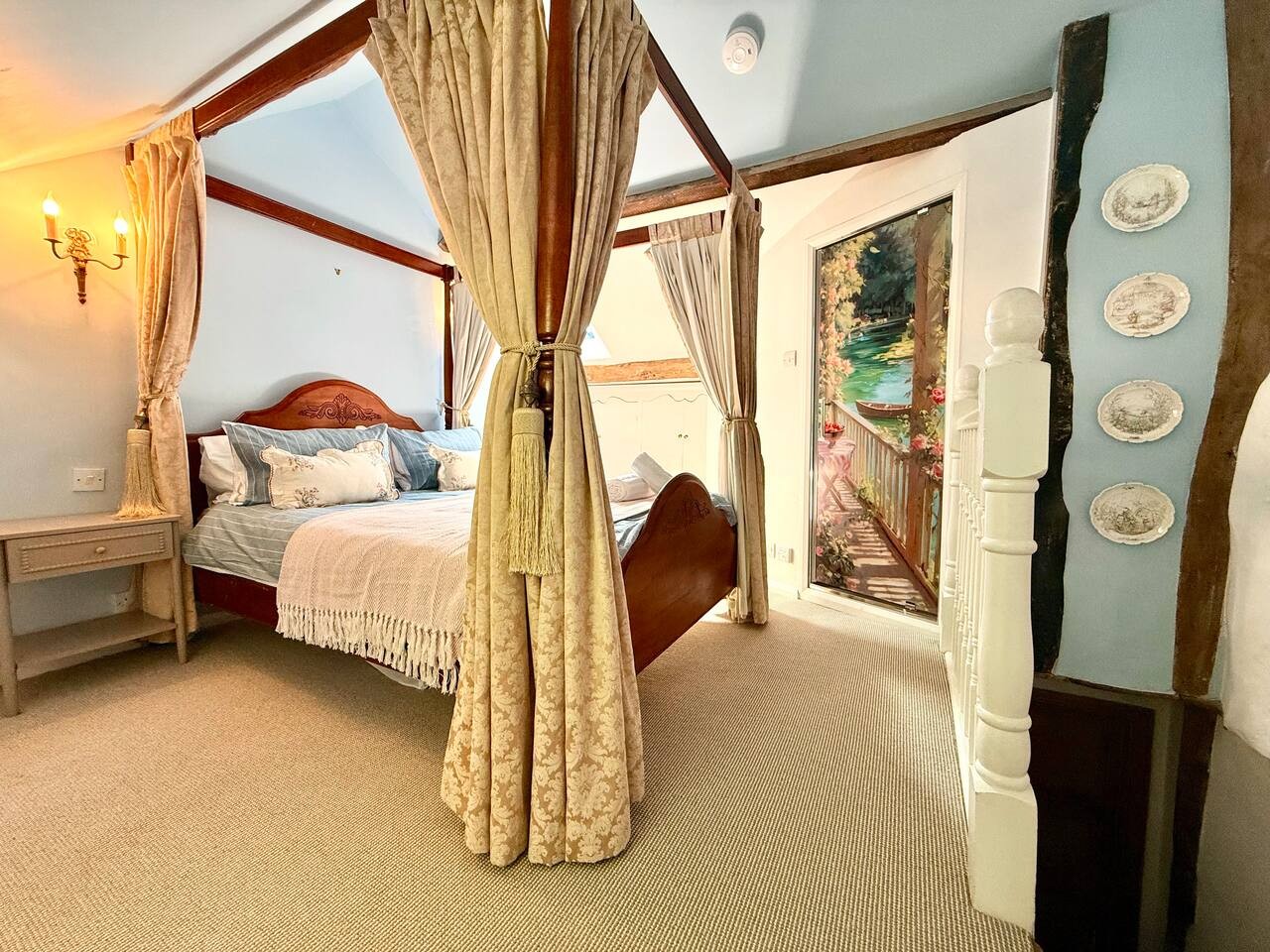
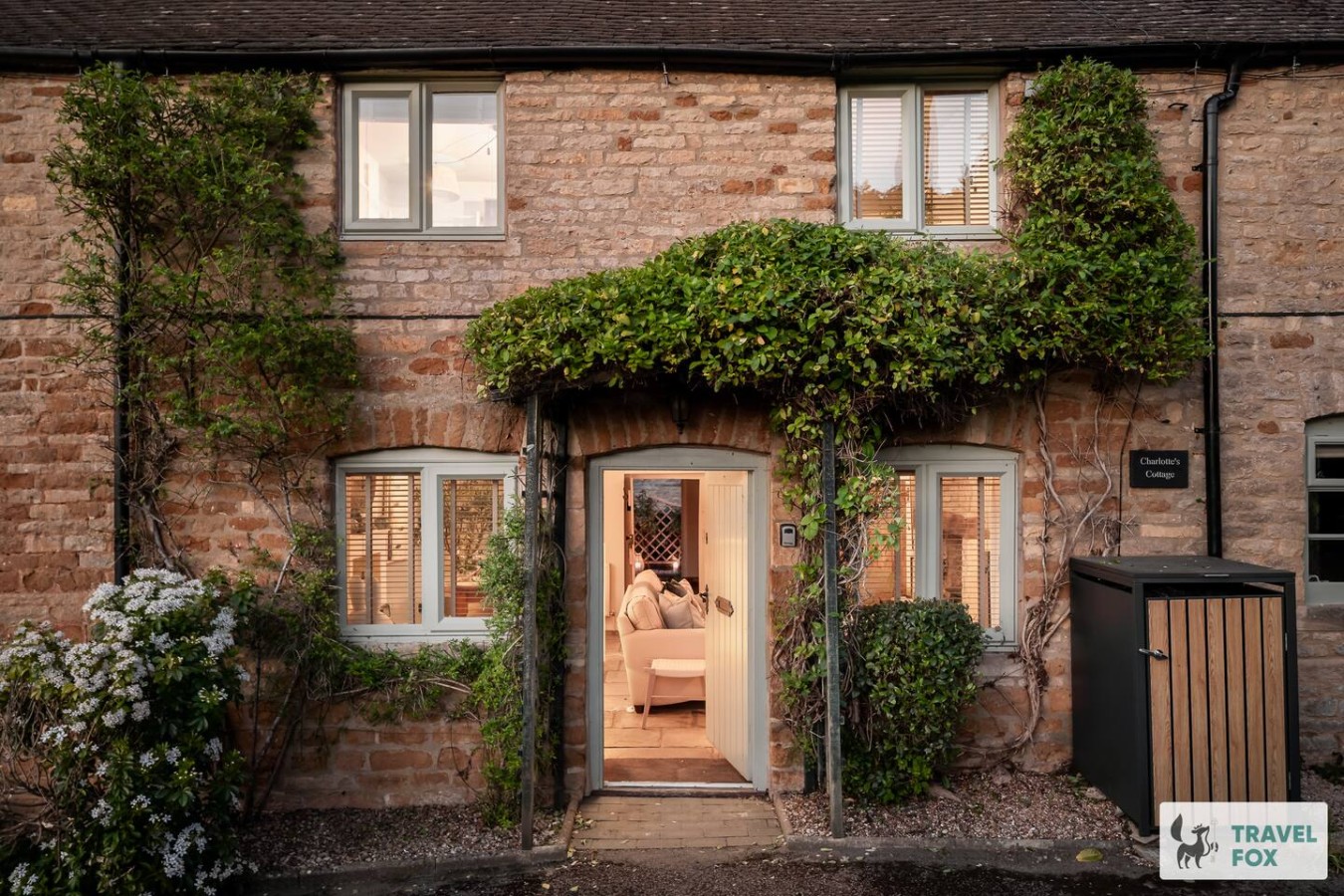
Travel Fox holiday homes around Cotswolds, linked directly to their property pages.
For homeowners
Own a holiday home near Brimpsfield?
We manage holiday lets across the Cotswolds from 12% commission, charged after cleaning costs, with no lock-in. A co-founder visits before you decide.
Holiday let management in the Cotswolds →
A guide with a point of view
Written from research. Edited for real journeys.
Use the Official site links for live practical details, then use this guide for context, ideas and room to explore.
Sources
Every place on this page is checked against a published source. Each entry links the record we used and names who publishes it.
- Brimpsfield Village Hall — brimpsfieldvillage.org operator, sector body or destination organisation
- A Vanished Castle and River Restoration — cotswolds-nl.org.uk other published source
- St Michael and All Angels — historicengland.org.uk statutory register or public authority record not machine-readable; publisher restricts automated access
- The Green Dragon Inn — green-dragon-inn.co.uk operator, sector body or destination organisation
- The Highwayman Inn — arkells.com other published source
- The Royal George Hotel — greeneking.co.uk other published source
- Miserden Stores and Post Office — miserdenstores.co.uk operator, sector body or destination organisation