
High Cotswold village
Elkstone
Nearly 1,000 feet up, Elkstone brings Norman carving, two circular walks and a reimagined farmyard of food businesses into one compact guide.
- Best for
- Norman church carving, circular walks and Elkstone Studios food stops
- Give it
- A three-hour walk with extra time for the church or Studios
- Don't miss
- The carved south doorway at St John the Evangelist
The Fox verdict
Ancient stone with a modern farmyard counterpoint
Elkstone pairs an unusually rich Romanesque church with official valley and lane walks, then adds a concentrated choice of food stops at Elkstone Studios.
The church's Christ-in-Majesty tympanum, beakheads and animal-head corbels give the village a strong historic focus. The Hidden Valleys and Lanes Only circuits offer contrasting three-hour walks, while the Highwayman and the Studios cover pub, bakery, food-hall and wood-fired dining stops.
Where to go
Places in Elkstone
Every place below is checked against a published source, listed with what it is and how long to give it.
Local signatures
3 placesJesse Smith & W.J. Castle, Elkstone
A butcher, delicatessen and food hall stocking fresh meat, organic vegetables and gourmet pantry goods; the wider family butchery traces its roots to 1808.
- Visit length
- Editorial estimate: around 30 minutes
- Locality
- at Elkstone Studios
Lardon
A European-inspired, ingredient-led restaurant whose wood-fired small plates are designed for sharing.
- Visit length
- Editorial estimate: around 90 minutes
- Locality
- at Elkstone Studios
Elkstone Studios Playground and Park
A public park with a wooden children's playground near the Elk Tipi.
- Visit length
- Editorial estimate: around 45 minutes
- Locality
- at Elkstone Studios, near the Elk Tipi
Food & drink
2 placesKNEAD Bakery
An artisan bakery, eatery and brunch café serving pastries, breads, patisserie, seasonal brunches and locally roasted coffee.
- Visit length
- Editorial estimate: around 60 minutes
- Locality
- at Elkstone Studios
- Access
- Dogs are welcomed; seating is indoors and in a heated courtyard.
The Highwayman Inn
An Arkell's country pub and former coaching inn with low beams, stripped stone, alcoves, log fires and a rambling old interior.
- Visit length
- Editorial estimate: around 90 minutes
- Locality
- at Beech Pike, just off the A417
- Access
- Dogs are allowed in the bar and restaurant; the garden has an outside children's play area.
Walks & outdoors
2 placesHidden Valleys around Elkstone
An official circular route following the Churn Valley into remote side valleys, then towards Cowley Woods with views of Cowley Manor.
- Visit length
- Editorial estimate: Roughly three hours
- Locality
- from the Green Dragon at Cockleford
- Access
- Rated for moderate fitness, with potentially steep slopes.
Elkstone Lanes Only Walk
An official hilly farm-lane circuit planned as a lower-mud winter alternative to field paths.
- Visit length
- Editorial estimate: Roughly three hours
- Locality
- from the Highwayman
- Access
- Designed as a lower-mud winter option, but it includes serious road walking and can still be muddy.
History & heritage
1 placeChurch of St John the Evangelist
A Grade I church begun around 1160, distinguished by its richly carved south doorway, animal-head corbels and a former dovecote chamber above the chancel.
- Visit length
- Editorial estimate: around 45 minutes
- Locality
- Elkstone
No places match this filter. Choose All places to reset the list.
Three ways to explore Elkstone
Signature outings
Study a Romanesque doorway
Look closely at St John the Evangelist's Christ-in-Majesty tympanum, Evangelist symbols, Agnus Dei, beakheads and chevrons.
Walk from Churn to woods
Take the 5.5-mile Hidden Valleys circuit from Cockleford through the Churn Valley and remote valleys towards Cowley Woods.
Pause at the old coaching inn
Find low beams, stripped stone, alcoves and log fires inside the Highwayman's rambling old interior.
The village story
Elkstone Village Guide
Food, walks and a remarkable hilltop church shape the story of this high Cotswold village.
Food and Fire at Elkstone Studios
The food hall at Elkstone Studios stocks fresh meat, organic vegetables and gourmet pantry goods. This is Jesse Smith & W.J. Castle, a butcher and delicatessen whose family trade runs back to 1808, with Marley Thorn running the Elkstone shop and Old Spot pork, new-season lamb and hung sirloin over the counter. The Studios fill a reimagined former farmyard, which is how a butcher comes to share a yard with a bakery, a restaurant and two covered padel courts.
Next door, KNEAD is an artisan bakery and brunch café with indoor seating and a heated courtyard, and it welcomes dogs. It turns out pastries, breads and patisserie, serves locally roasted coffee, and runs afternoon teas and themed supper clubs alongside hot seasonal brunches.
Lardon opened in June 2026 in the same complex, a wood-fired, ingredient-led restaurant of small plates built for sharing. The head chef, Mikey Bain, came from Calcot Manor and Whatley Manor. The dishes include wood-fired cod with butterbean ragù, chorizo and parsley; milk-fed lamb shoulder with broad beans, cavolo nero and mint; lobster flatbread with brown butter and Gruyère; and gâteau Basque with pastry cream and sour cherry.
Play, Padel and the Highwayman
The rest of the Studios runs to a gym, wellness studios, and Padel Shift's two covered courts, which take pay-and-play bookings the year round. Near the Elk Tipi there is a wooden children's playground and a public park.
For a pub you go to Beech Pike, just off the A417, where the Good Pub Guide describes the Highwayman Inn's rambling 16th-century interior of low beams, stripped stone, alcoves and log fires. It belongs to Arkell's and is kept by Ian Blake. The kitchen has served beer-battered haddock with garden peas and chunky chips, ham and eggs with triple-cooked chips, cauliflower curry with chickpeas and basmati rice, grilled venison with haggis, and a house-made Scotch egg served with Houses of Parliament sauce. Three cask beers pour regularly, Arkell's 3B, Kingsdown and Wiltshire Gold, with a local guest each month. Dogs are allowed in both the bar and the restaurant, and there is a garden with a play area for children.
Old Names and Norman Stone
The inn has answered to several names. It was the Huntsman & Hounds by 1781 and the Masons Arms by 1856, and became the Highwayman only after a later enlargement, around 1960.
Elkstone sits nearly a thousand feet up, and the parish council calls St John the Evangelist the highest church in the Cotswolds. It was begun around 1160. The south doorway carries a carved Christ in Majesty over beakheads and chevrons, with the four Evangelist symbols and an Agnus Dei, and animal-head corbels run the length of the nave outside. When the central tower was taken down in the 13th century, the raised chamber above the rib-vaulted chancel was turned into a dovecote; it still holds its pigeon holes and a stone spiral stair. Inside are box pews, a 15th-century font, a Jacobean pulpit of 1609, a reading desk of 1604 and a vault boss cut with four masks. A local description calls it a prayer in stone.
Valley Walks and Village Connections
Two circular walks start close by. The Hidden Valleys route is five and a half miles from the Green Dragon at Cockleford, following the Churn Valley up into remote side valleys to Elkstone and on towards Cowley Woods, with views across to Cowley Manor. The Elkstone Lanes Only walk is six miles of hilly farm lanes from the Highwayman, laid out as a lower-mud winter option, though it still involves a fair stretch of road.
The village is halfway between Cirencester and Cheltenham. Cheltenham Spa is the nearest station, about 6.4 miles away in a straight line and farther by road. Buses are thin: the 882 calls here, but check the current timetable before counting on it, and the bookable Robin service will collect from Westerleigh Crossroads and Newcombe End if you arrange it ahead.
Rectory, Romans and Remembrance
Jane Austen visited the rectory here more than once. The Old Rectory survives on the edge of the village, chiefly early 18th century. At nearby Combend, a Roman villa discovered in 1779 was partly excavated in 1794 by the antiquary Samuel Lysons, who found a hypocaust, tessellated floors and a stone sarcophagus. The Domesday clerks folded Elkstone in with Great Colesbourne, so its earliest tallies belong to the two places together.
One village account remembers 1912 as the year the first aeroplane was seen, when most people had never seen one, and the year the church sang special hymns after the Titanic went down. The electricity did not reach the houses until 1926.
Stay around Cotswolds
Make a longer stay of it
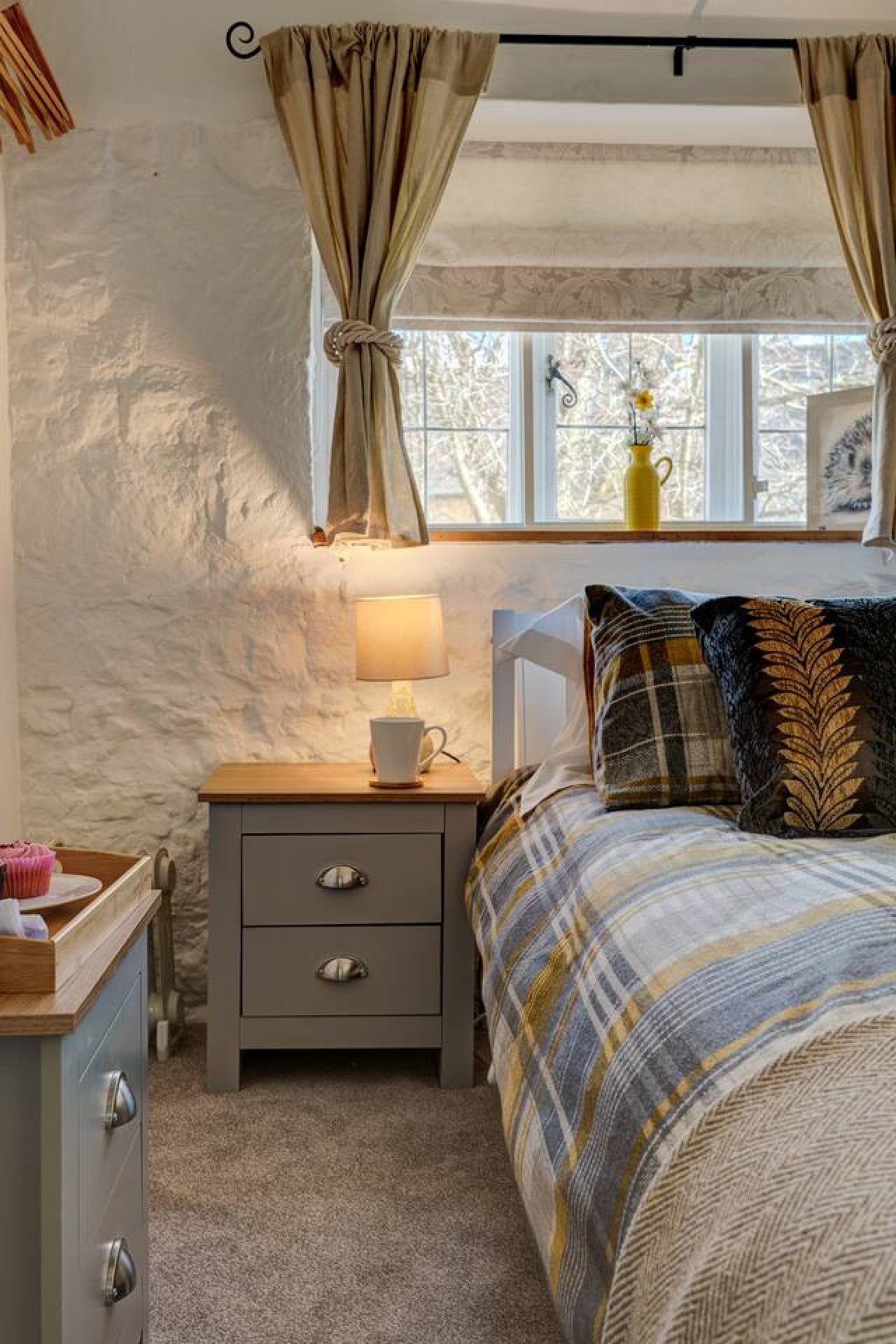
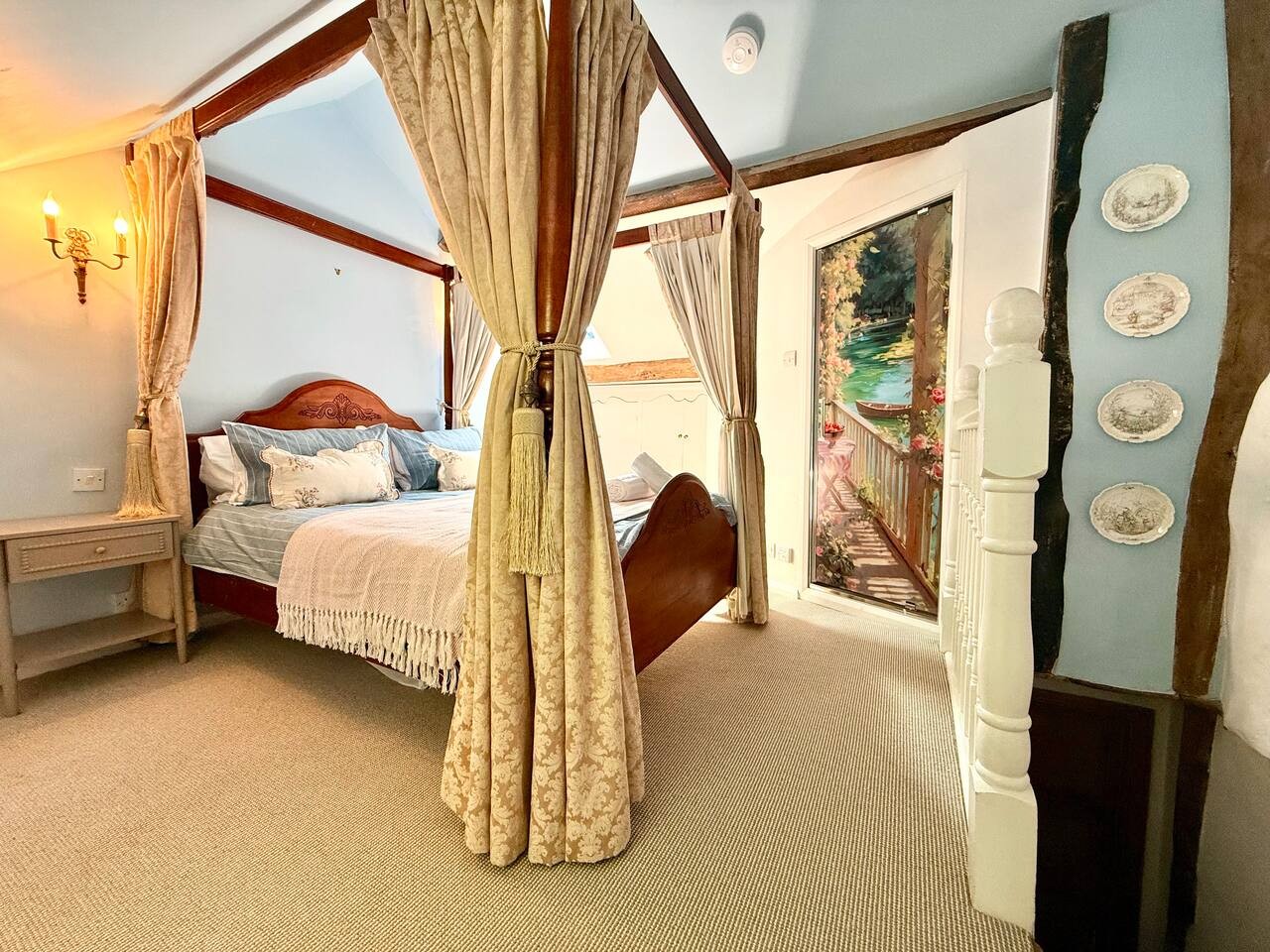
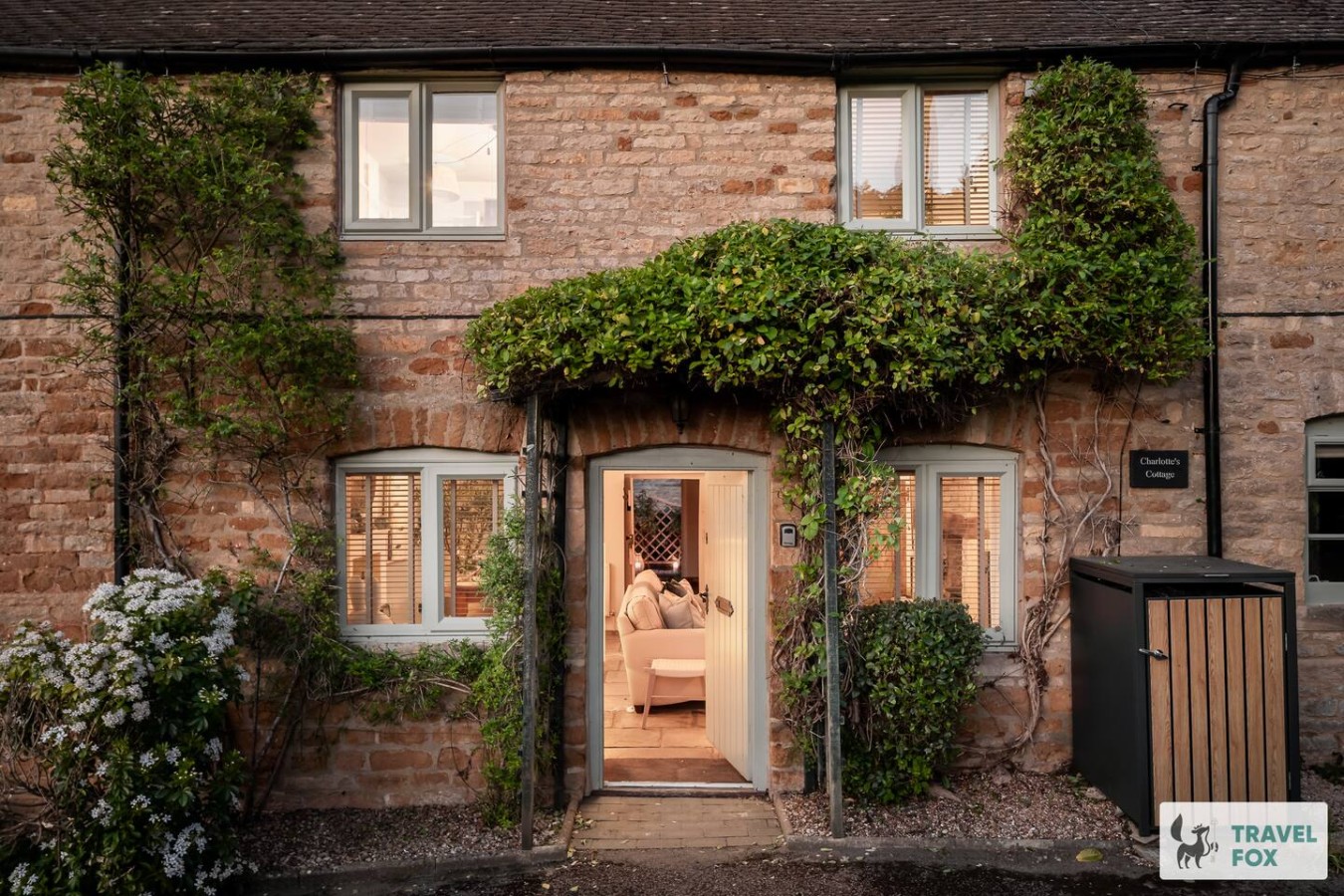
Travel Fox holiday homes around Cotswolds, linked directly to their property pages.
For homeowners
Own a holiday home near Elkstone?
We manage holiday lets across the Cotswolds from 12% commission, charged after cleaning costs, with no lock-in. A co-founder visits before you decide.
Holiday let management in the Cotswolds →
A guide with a point of view
Written from research. Edited for real journeys.
Use the Official site links for live practical details, then use this guide for context, ideas and room to explore.
Sources
Every place on this page is checked against a published source. Each entry links the record we used and names who publishes it.
- Jesse Smith & W.J. Castle, Elkstone — jessesmith.co.uk operator, sector body or destination organisation
- KNEAD Bakery — elkstone-studios.com other published source record not machine-readable; publisher restricts automated access
- Lardon — lardon-restaurant.com operator, sector body or destination organisation
- The Highwayman Inn — arkells.com other published source
- Church of St John the Evangelist — historicengland.org.uk statutory register or public authority record not machine-readable; publisher restricts automated access
- Hidden Valleys around Elkstone — cotswolds-nl.org.uk other published source
- Elkstone Lanes Only Walk — cotswolds-nl.org.uk other published source
- Elkstone Studios Playground and Park — elkstone-studios.com operator, sector body or destination organisation record not machine-readable; publisher restricts automated access