
River Coln village
Withington
A limestone village of riverside fires, Norman carving, family trails and layers of Roman and Mercian history.
- Best for
- Riverside pub time, church details and village walks
- Give it
- A slow half-day, or longer with a five-mile walk
- Don't miss
- The Norman doorway at St Michael and All Angels
The Fox verdict
A small village with unusually deep layers
Withington pairs the River Coln and two useful walking choices with a remarkable church and a country inn worth lingering over.
Begin with the chevron, beast heads and plague stone at St Michael and All Angels, choose the free family trail or the longer circular, then return to the Mill Inn for open fires, the riverside garden and chicken in a basket. Chedworth Roman Villa and the Corinium Museum extend the Roman story beyond the buried complex south of Withington.
Where to go
Places in Withington
Every place below is checked against a published source, listed with what it is and how long to give it.
Local signatures
3 placesThe Mill Inn
A Grade II-listed limestone inn with original features, open fireplaces and a riverside beer garden; chicken in a basket, credited here as its birthplace, remains on the menu.
- Visit length
- Editorial estimate: Allow around 90 minutes
- Locality
- beside the River Coln
St Michael and All Angels
A Grade I church with 12th-century origins, a chevron-carved Norman south doorway, grotesque corbels, medieval details and Ninian Comper's strawberry signature.
- Visit length
- Editorial estimate: Allow around 45 minutes
- Locality
- Withington
Chedworth Roman Villa
A nearby National Trust site with mosaics and extensive villa remains.
- Visit length
- Editorial estimate: Allow around 90 minutes
- Locality
- near Withington
- Access
- There is no public transport from nearby rail stations.
Walks & outdoors
1 placeChristmas Circular from the Mill Inn
A five-mile circular walk published by Cotswolds National Landscape, using the Mill Inn as both start and finish.
- Visit length
- Editorial estimate: Allow around 2.5 hours
- Locality
- starting and finishing at the Mill Inn
- Access
- The route is graded for moderate fitness and possible steep slopes.
History & heritage
1 placeCorinium Museum
A companion visit to Withington's buried villa remains, with a principal collection of important finds from Roman Corinium.
- Visit length
- Editorial estimate: Allow around 90 minutes
- Locality
- Cirencester
Things to do
1 placeWithington Playing Field
A parish-council-owned playing field with a children's play area and cricket square.
- Visit length
- Editorial estimate: Allow around 45 minutes
- Locality
- Withington
No places match this filter. Choose All places to reset the list.
Three ways to explore Withington
Signature outings
Find chevrons and beast heads
Study the three chevron orders, flower enrichment and beast-head stops around the Norman south doorway of St Michael and All Angels.
Pause at the playing field
The parish-council-owned playing field pairs a children's play area with a cricket square for a simple family stop.
Meet Roman Corinium
Pair Withington's buried villa story with the Corinium Museum's important finds from Roman Corinium.
The village story
Withington Village Guide
A streamside inn, a church rich in carved detail and walking routes through a valley layered with Roman, Mercian and railway history.
Fires and water at the Mill Inn
A stream runs through the beer garden of the Mill Inn, which is the first thing you will want to sit beside on a warm afternoon. The inn sits low beside the River Coln in coursed limestone, Grade II listed, with open fires and old beams inside and a stone-slate roof above. Two firebacks in the building are dated 1588 and 1699. The rear extensions, added around 1960, reused stone from Northleach Prison, which is the kind of thing a village keeps quiet about and then puts in the leaflet.
The Mill Inn is credited as the birthplace of chicken in a basket, and it is still on the menu, crispy fried. The rest of the food is honest country cooking: Old Brewery beer-battered fish and chips, steak, shin and ale pie, pan-fried lamb's liver with onion-and-bacon gravy, crispy Korean chicken, pressed ham hock, crispy squid. You come for the fires and the water and stay because nobody is hurrying you.
Trails and a slow village morning
Shopping is thin on the ground here, so this is a village you stock for rather than shop in. What Withington offers instead is ground to walk on. A free family trail begins at the church and threads together the village green, Dark Lane, the Mill Inn, the old railway and the playing field, crossing an ancient right of way over the Coln. The field path turns to deep mud in winter, and some stretches beside the road have no pavement, so bring boots and keep children close on the tarmac. For a longer outing, a five-mile circular from the Mill Inn takes about two and a half hours over ground graded for moderate fitness and the odd steep slope.
The playing field has a children's play area and a cricket square, and there is a small green, which between them cover most of what a family needs on a slow morning.
Stonework, stories and the way to church
St Michael and All Angels is Grade I listed, with twelfth-century origins and a tower whose three stages were built in the twelfth, thirteenth and fifteenth centuries. The south doorway is Norman, carved with three orders of chevron, flower enrichment and beast-head stops, and the corbel table above has been reset with grotesque animal heads. Inside there is a priest's effigy, fragments of medieval glass, and a window by Ninian Comper carrying his strawberry signature. Set into the fabric is a plague stone reading HONEST JHON STOCKWELL, dated 1665. William Cobbett called it "a church like a small cathedral" in 1830, which was not flattery so much as measurement.
Opposite the churchyard stands the Corner House, which has been a pilgrims' lodging on the road to Hailes Abbey, a pub called The George, and the village police station with its own lock-up. A five-seat privy still survives in its garden. Next door, the Forge was once a working forge. A deep-walled footpath called the Gulley was rerouted in the 1860s after the rector objected to parishioners passing too near his house on the way to worship, and the diversion is still the way you walk.
Buried history in the Coln valley
The older history is buried, literally. South of the village lies a scheduled Roman complex where Samuel Lysons dug the first villa in 1811 and sent its Orpheus mosaic to the British Museum; a second, larger complex near the Coln was found by excavation in 2006. A monastery stood here between roughly 674 and 704, founded by Æthelred, king of Mercia, and Oshere, under-king of the Hwicce. The railway came later and left in 1961, and the trail still passes its bridge remains and a length of old trackbed.
The village sits in a broad valley running north to south, the Coln on its eastern side and springs on the western slopes below Withington Hill, which reaches 289 metres. Cheltenham is about seven miles north-west, with the nearest trains at Cheltenham Spa; Cirencester is eight miles south, and its Corinium Museum makes a good companion to the buried villa. Buses are the demand-responsive Robin service, which you book rather than catch, with stops at Compton Rise and the Mill Inn. Chedworth Roman Villa, with its own mosaics, is signed from the A429.
Back to the stream
Come back to the garden at the end of the day. The stream is still running, the fires are still lit, and the same chicken is still coming out in a basket.
Stay around Cotswolds
Make a longer stay of it
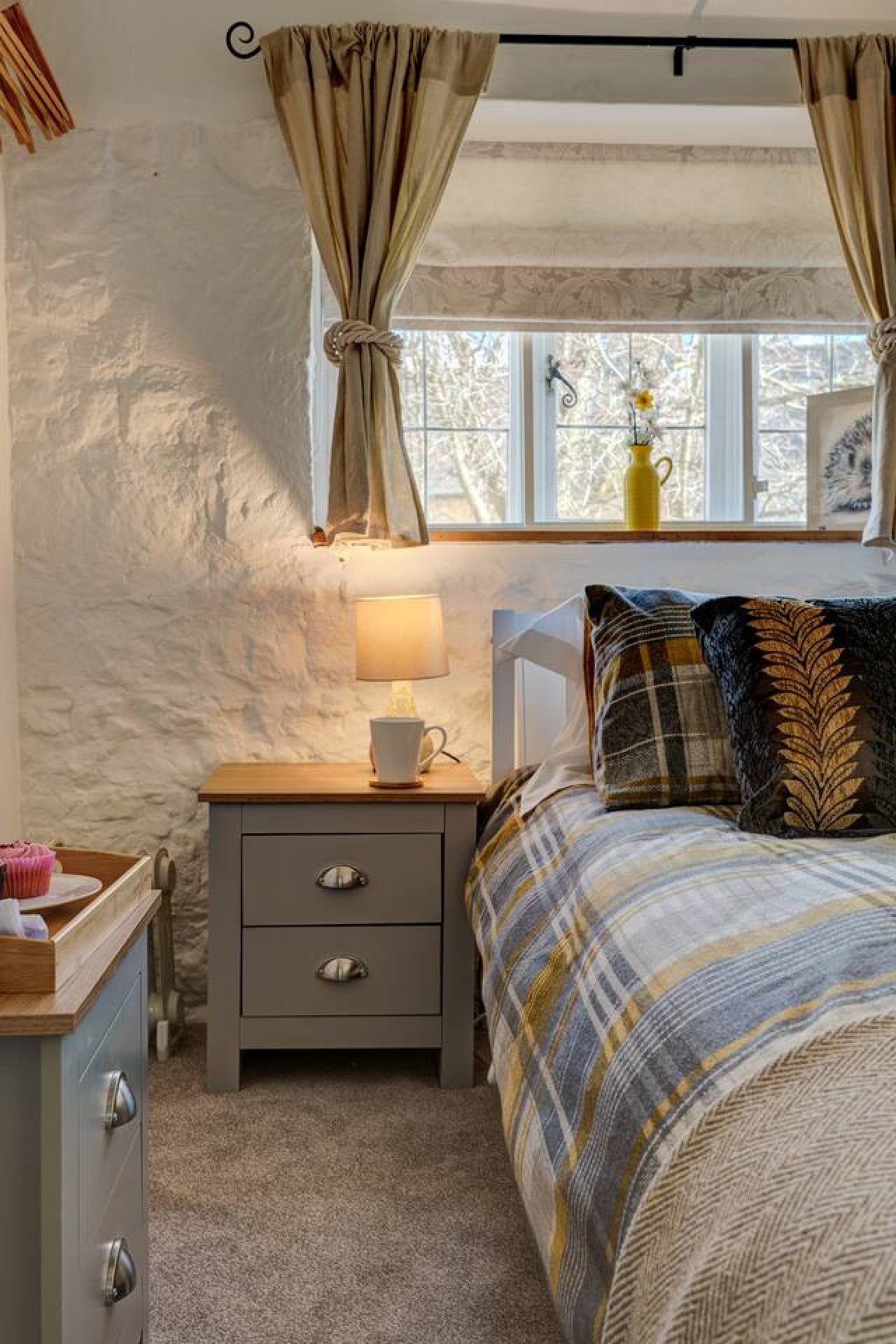
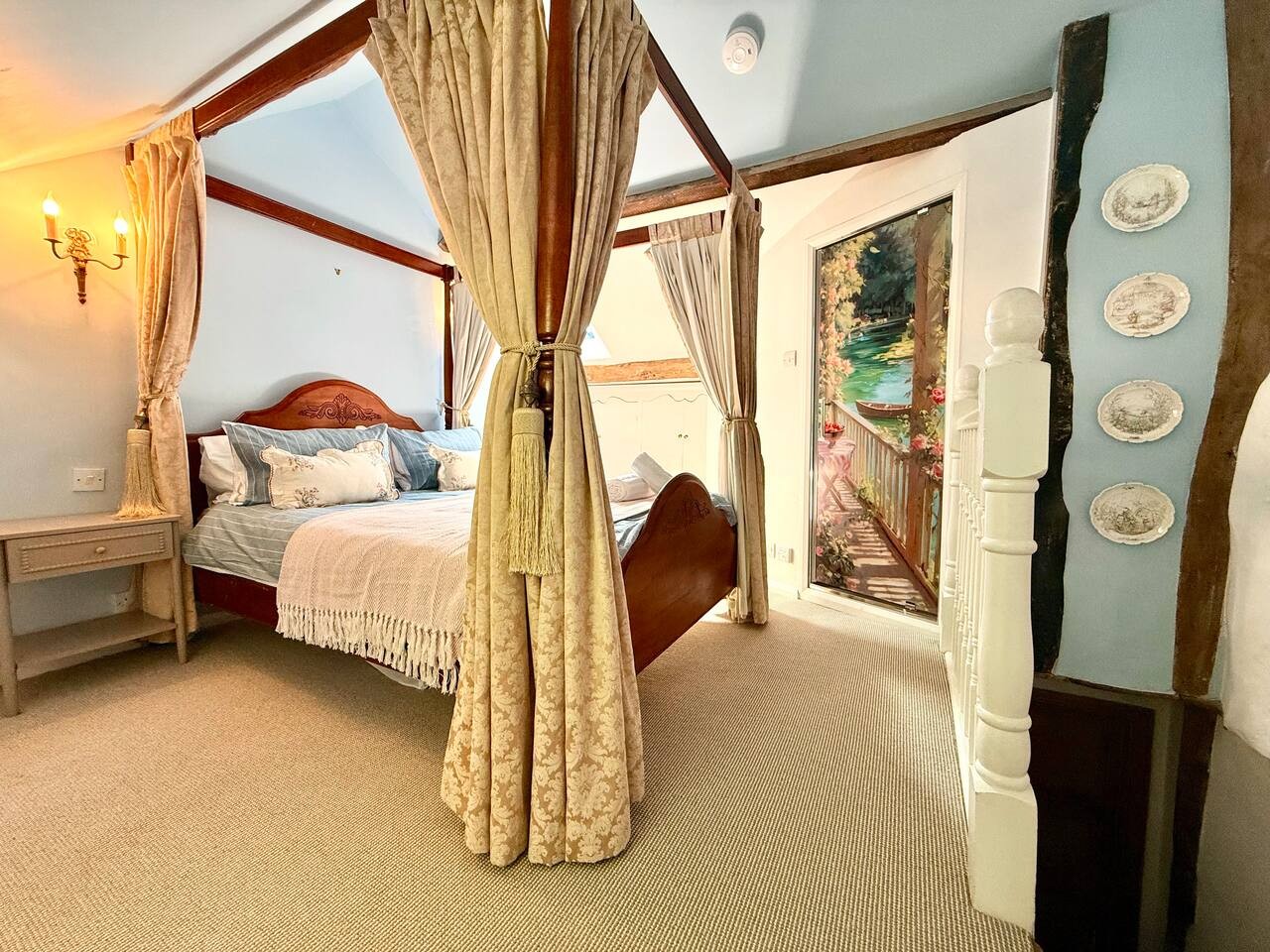
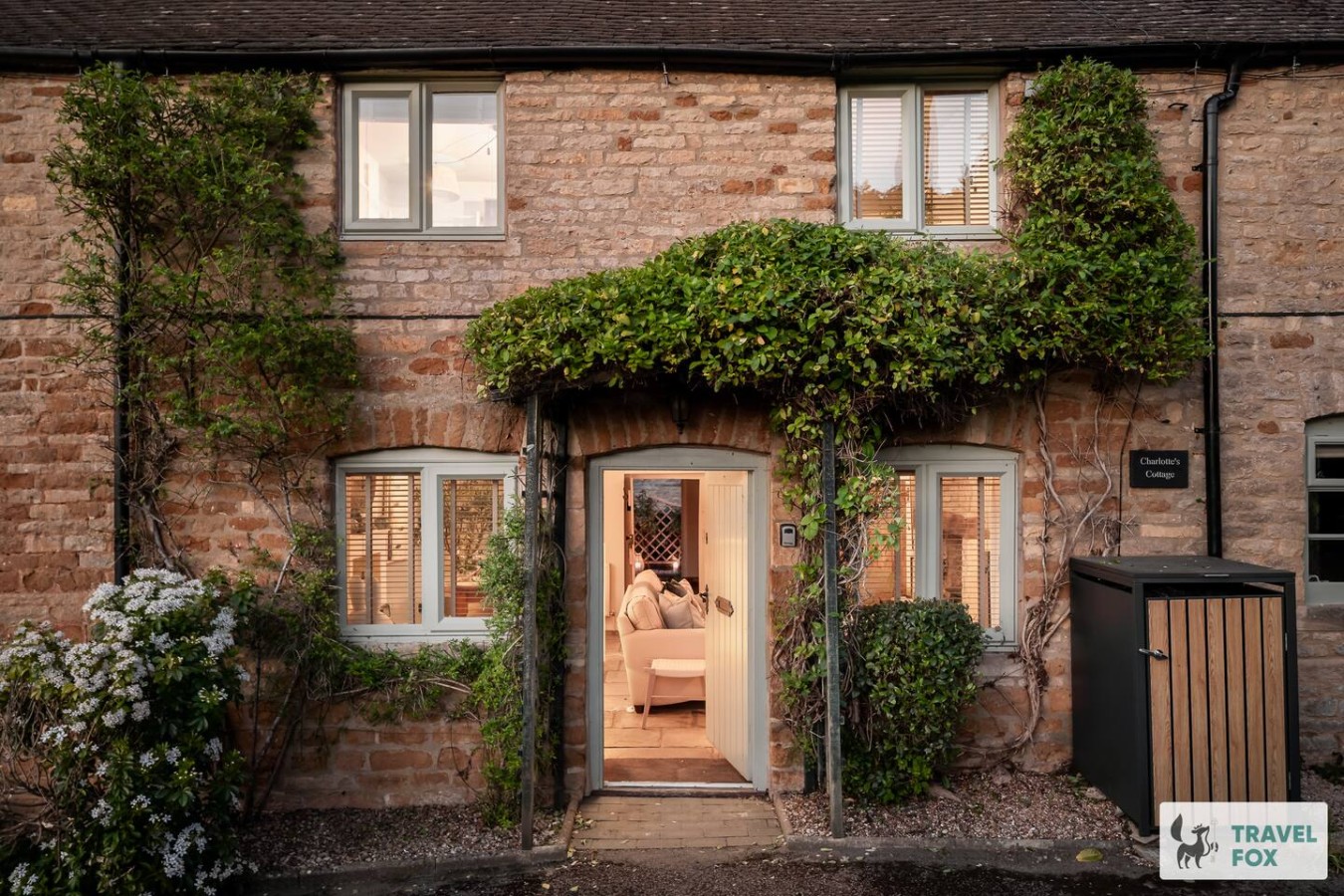
Travel Fox holiday homes around Cotswolds, linked directly to their property pages.
For homeowners
Own a holiday home near Withington?
We manage holiday lets across the Cotswolds from 12% commission, charged after cleaning costs, with no lock-in. A co-founder visits before you decide.
Holiday let management in the Cotswolds →
A guide with a point of view
Written from research. Edited for real journeys.
Use the Official site links for live practical details, then use this guide for context, ideas and room to explore.
Sources
Every place on this page is checked against a published source. Each entry links the record we used and names who publishes it.
- The Mill Inn — mill-inn-withington.co.uk operator, sector body or destination organisation
- St Michael and All Angels — historicengland.org.uk statutory register or public authority record not machine-readable; publisher restricts automated access
- Withington Playing Field — withington-gloucestershire.co.uk operator, sector body or destination organisation
- Christmas Circular from the Mill Inn — cotswolds-nl.org.uk other published source
- Chedworth Roman Villa — nationaltrust.org.uk national body or asset manager
- Corinium Museum — coriniummuseum.org operator, sector body or destination organisation