
A hidden Cotswold valley
Chedworth
A long, quiet village of Cotswold-stone houses, with Roman mosaics, a medieval church and a four-mile River Coln circuit.
- Best for
- Roman archaeology and valley walking
- Give it
- A Villa visit and the four-mile circular
- Don't miss
- The Villa mosaics and St Andrew's carved frog
The Fox verdict
A hidden valley with Roman depth
Chedworth pairs a quiet valley settlement stretching for almost two miles with one of its major reasons to visit: the Roman Villa.
See in-situ mosaics, bath-house remains, hypocausts and the spring-fed water shrine at the Villa, then return to the village for St Andrew's Norman font, medieval fabric and carved gargoyles. A published four-mile circular links the Villa, the River Coln, fields, Chedworth and woodland.
Where to go
Places in Chedworth
Every place below is checked against a published source, listed with what it is and how long to give it.
Local signatures
3 placesChedworth Roman Villa
See in-situ mosaics, two bath-house complexes, hypocausts, a spring-fed water shrine and finds in the Victorian lodge museum.
- Visit length
- Editorial estimate: allow around 2 hours
- Locality
- about 4.5 road miles from the nearest village house
- Access
- Only assistance dogs are allowed on site. There is no public transport from the listed nearest stations to the Villa; the National Trust recommends a pre-booked taxi.
The Inn at Fossebridge
An early-17th-century country pub-hotel with flagstone floors, stone arches and open fires, plus a terrace and riverside gardens in four acres of grounds.
- Visit length
- Editorial estimate: allow around 90 minutes
- Locality
- Fossebridge, beside the River Coln
- Access
- The inn welcomes dogs, walkers and children.
Chedworth Village Hall
The village hall has a playing field, changing rooms and showers, with indoor recreation available when organised or booked.
- Visit length
- Editorial estimate: allow around 60 minutes
- Locality
- Chedworth village
- Access
- Indoor badminton, table tennis, bowls and skittles are possibilities when organised or booked.
Food & drink
1 placeThe Stump
A food-led pub with pizza as a standing offer and separate sample pub, pizza and children's menus.
- Visit length
- Editorial estimate: allow around 75 minutes
- Locality
- nearby on the A429
Walks & outdoors
1 placeChedworth Village, River Coln and Romans Circular
Follow the River Coln, cross fields, pass through Chedworth and return through woodland and beneath an old railway bridge.
- Visit length
- Editorial estimate: allow around 2 hours 15 minutes
- Locality
- from the Roman Villa and through Chedworth
- Access
- The route is fairly level with a couple of climbs and can be muddy.
History & heritage
1 placeSt Andrew's Church
A Grade I church with a late-12th-century tower and nave arcade, a Norman tub font, an early door and gargoyles that include a frog.
- Visit length
- Editorial estimate: allow around 30 minutes
- Locality
- Chedworth village
Things to do
1 placeHill & Valley Lawn Tennis Club
Two LED-floodlit hard courts host adult and junior coaching and holiday camps.
- Visit length
- Editorial estimate: allow around 60 minutes
- Locality
- behind Chedworth Village Hall
- Access
- Junior coaching and holiday camps are open to non-members, with rackets provided.
No places match this filter. Choose All places to reset the list.
Three ways to explore Chedworth
Signature outings
Roman life after Rome
See in-situ mosaics, hypocausts, two bath-house complexes and a spring-fed shrine; a fifth-century mosaic shows Romanised life continuing after Rome's withdrawal.
St Andrew's carved details
Inside are a Norman tub font and an early door; outside, the carved faces, bats and gargoyles include a frog.
Four miles through the valley
Start at the Roman Villa, follow the River Coln, cross fields, pass the Seven Tuns and St Andrew's, then return through woodland beneath a railway bridge.
The village story
Chedworth Village Guide
Roman remains, medieval stonework and a long village hidden in a steep Cotswold valley.
A Village Hidden in the Valley
The road gives no warning. From the high wold there is nothing to see, and then the lane drops and Chedworth arrives all at once, strung for almost two miles along the steep sides of a valley above a tributary of the Coln. Cotswold-stone houses sit close to the roadside, dry-stone walls hold back orchards and sloping fields, and sunken lanes twist between them at around 600 feet. Many of the roads are narrow or single-track, and cars slow to pass.
The conservation record describes it as a place where "there is an air of repose. A stillness and quiet prevails," and from inside the valley that is fair.
Inns and Provisions
At the centre stands the Seven Tuns, a stone-and-slate inn from the early seventeenth century with an open fireplace and a heavy timber bressumer above it. For now it is being refurbished, and will open when the work is done. Until then, the Inn at Fossebridge, a low seventeenth-century pub-hotel with flagstone floors, stone arches and open fires beside the River Coln, is a short drive away. The kitchen runs to a layered prawn cocktail, baked Camembert, a Capricorn goat's-cheese salad, the Fossebridge beef burger, sausages with mash and red-onion gravy, cottage pie and ribeye. Dogs are welcome, there are riverside gardens across four acres, and cask ales come from local breweries. On the A429 nearby, the Stump leans on pizza and keeps separate menus for children.
You will not shop for supper in Chedworth itself. The village once had shops, a post office, a bakery, a blacksmith, an undertaker and a wheelwright, and it now has none of them. The nearest reliable stop for provisions is Northleach, five miles off, which keeps a convenience store and a post office; Cirencester, eight miles away, handles a larger run. The one place to eat in the parish besides the pubs is the café at the Roman Villa, good for light lunches, cakes and ice cream, though by road it is four and a half miles away despite sitting less than a mile off as the crow flies.
Roman Villa and Parish Church
The villa is a major reason to visit. A gamekeeper is said to have stumbled on it by chance in 1864; the archaeologist James Farrer, uncle of the landowner Lord Eldon, then set estate workers to clear the wood, and walls and mosaics came up out of the ground. What began as plain buildings after AD 43 had grown into a lavish fourth-century house, with two bath-house complexes, hypocausts, mosaics in place and a spring-fed water shrine whose stones were later recut with Christian chi-rho symbols. A silver spoon found here names a man called Censorinus, who may have built or occupied the villa. A mosaic dated to the fifth century shows that this kind of Romanised life carried on after Rome let go of Britain around AD 410.
Back in the village, St Andrew's rewards the short climb. The tower and nave arcade are late twelfth century, the chancel thirteenth, with heavy fifteenth-century work above; the north aisle was rebuilt in 1883. Inside are a Norman tub font and an early door with a thumb latch, and an inscription of 1461 to Richard Sely, thought to have been the Nevilles' bailiff. Outside, among the carved faces, bats and gargoyles, there is a frog.
Walking and Arriving
A four-mile circular from the villa follows the Coln, crosses fields, comes into Chedworth past the Seven Tuns and the church, and returns through woodland and under an old railway bridge. It is mostly level, with a couple of climbs, and it can be muddy. The bridge is a leftover of the line that opened in 1891, carried troops south before D-Day and closed in 1961, leaving wooded embankments behind. The Monarch's Way passes the villa too, with other circular paths through the surrounding wooded valley.
Getting here is a matter of roads rather than rails. The A429 Fosse Way runs close by, and the Stagecoach 78 between Winson and Cirencester stops at Village Hall Crossroads, the Vicarage and Seven Tuns Turn. Cheltenham Spa, Kemble and Moreton-in-Marsh are the nearest stations; none has scheduled transport on to the Roman Villa, so a pre-booked taxi is recommended for that last stretch.
Village Recreation and Quiet
The village hall keeps a playing field with changing rooms and showers, and behind it two floodlit courts run junior coaching and holiday camps that take non-members.
On a quiet afternoon the lanes empty out, and the frog carved into the church wall is still watching the road.
Stay around Cotswolds
Make a longer stay of it
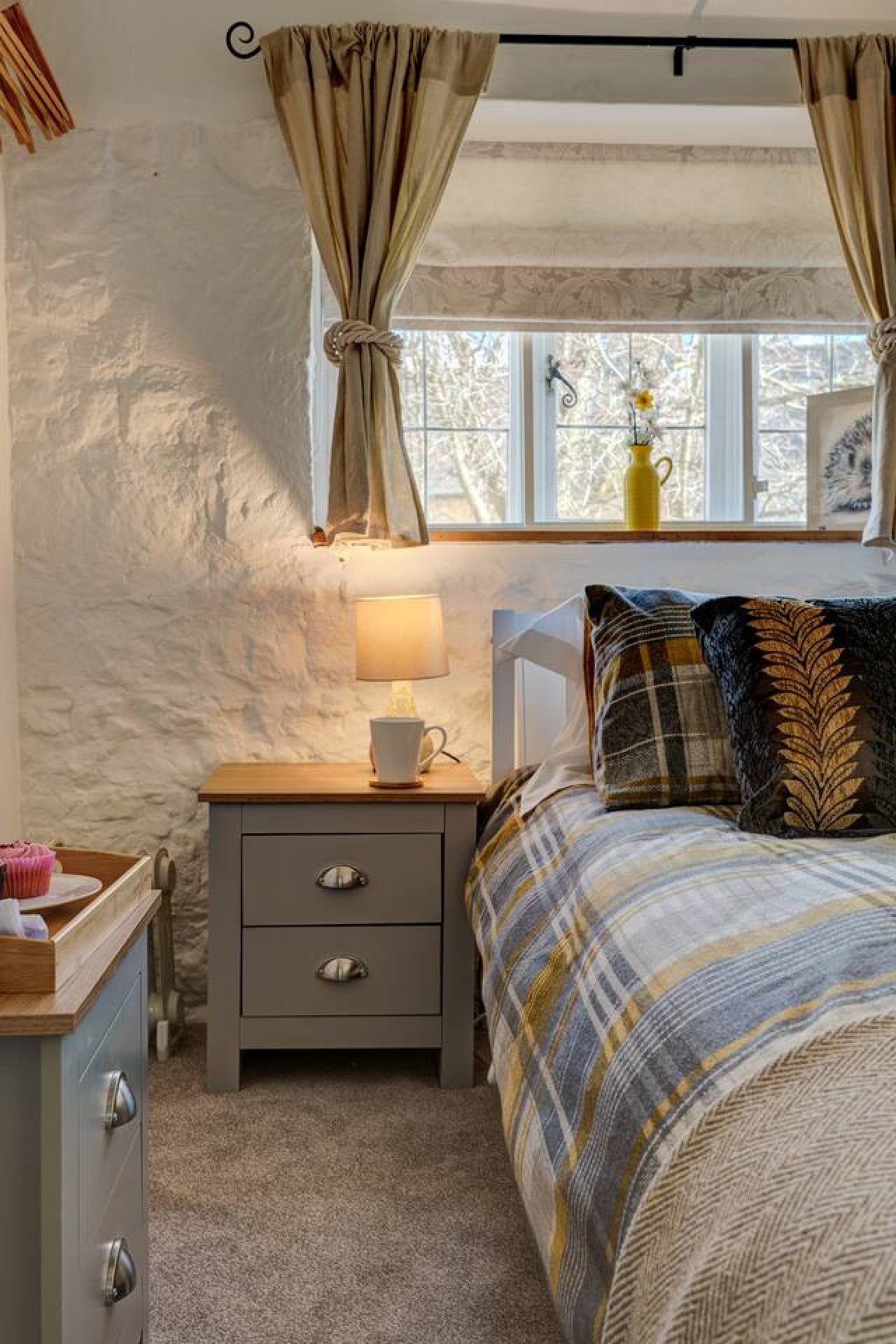
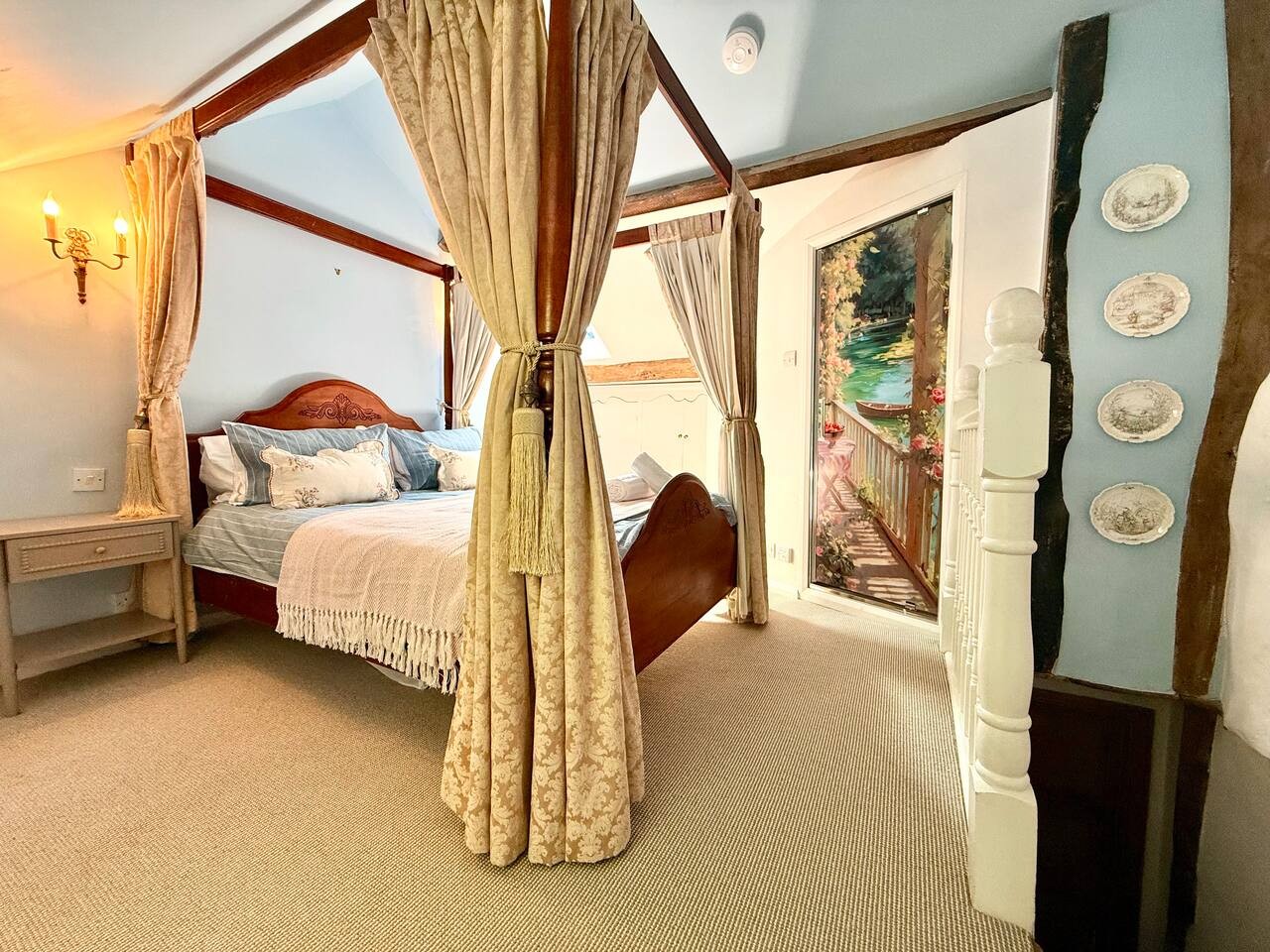
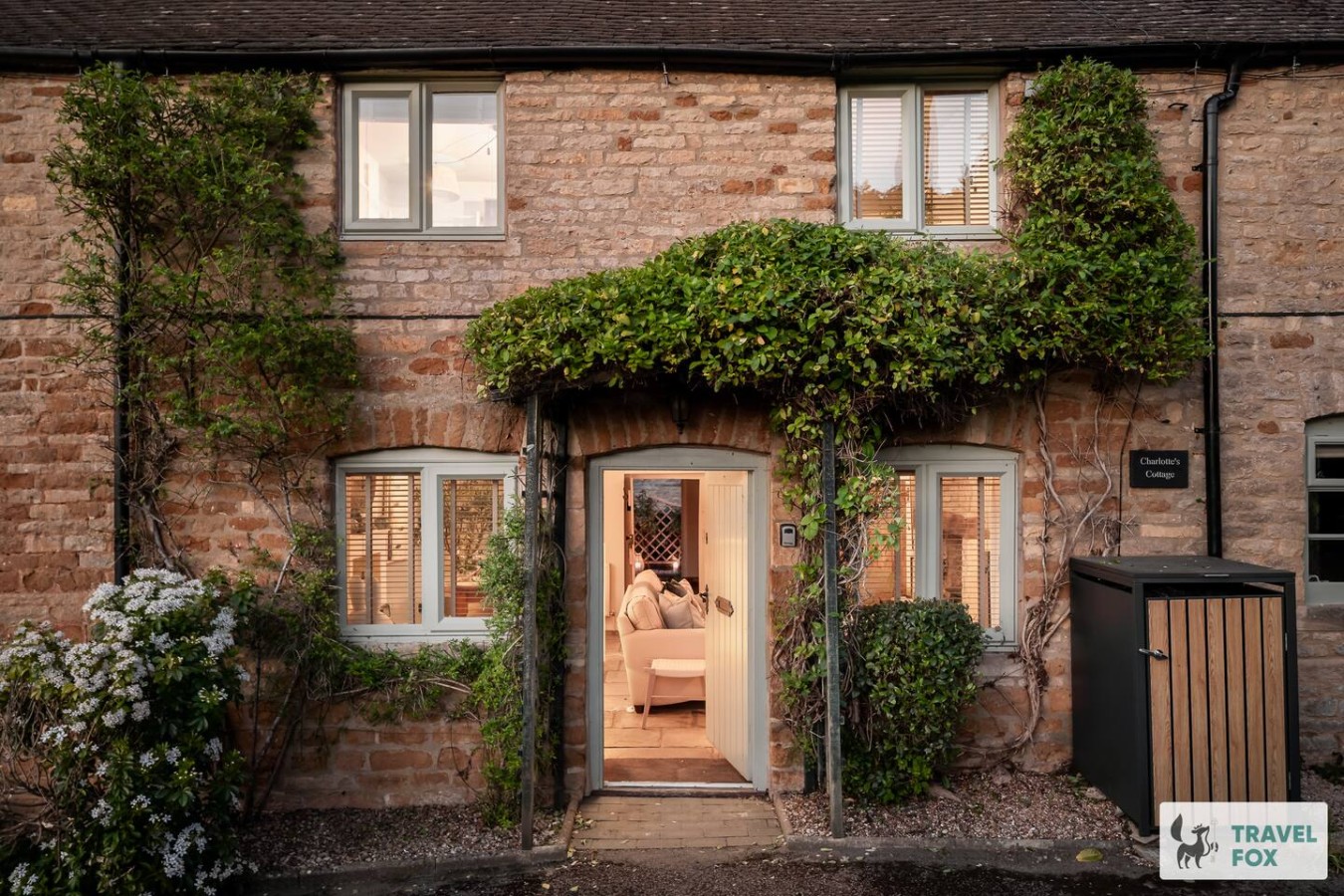
Travel Fox holiday homes around Cotswolds, linked directly to their property pages.
For homeowners
Own a holiday home near Chedworth?
We manage holiday lets across the Cotswolds from 12% commission, charged after cleaning costs, with no lock-in. A co-founder visits before you decide.
Holiday let management in the Cotswolds →
A guide with a point of view
Written from research. Edited for real journeys.
Use the Official site links for live practical details, then use this guide for context, ideas and room to explore.
Sources
Every place on this page is checked against a published source. Each entry links the record we used and names who publishes it.
- Chedworth Roman Villa — nationaltrust.org.uk national body or asset manager
- St Andrew's Church — historicengland.org.uk statutory register or public authority record not machine-readable; publisher restricts automated access
- Chedworth Village, River Coln and Romans Circular — ramblers.org.uk operator, sector body or destination organisation record not machine-readable; publisher restricts automated access
- The Inn at Fossebridge — innatfossebridge.co.uk operator, sector body or destination organisation
- The Stump — thestump.co.uk operator, sector body or destination organisation
- Chedworth Village Hall — chedworthvillagehall.co.uk operator, sector body or destination organisation
- Hill & Valley Lawn Tennis Club — clubspark.lta.org.uk other published source