
Coln Valley on foot
Yanworth
An estate hamlet where lanes fall towards the Coln and climb towards high farmland, with Roman history nearby.
- Best for
- Valley walks and Roman history
- Give it
- A day planned around the walks
- Don't miss
- St Michael's Father Time wall painting
The Fox verdict
A walking base with deep history
Yanworth offers Coln Valley walks, St Michael's Church and a major Roman site nearby.
The estate hamlet rewards a planned visit: follow one of two documented circuits, look inside St Michael's, continue to Chedworth Roman Villa, and use the Inn at Fossebridge for food and drink.
Where to go
Places in Yanworth
Every place below is checked against a published source, listed with what it is and how long to give it.
Local signatures
3 placesChurch of St Michael
A Grade II* church with 12th-century work, a chancel arch of about 1200, a cable-moulded font and a post-Reformation Father Time wall painting.
- Visit length
- Editorial estimate: allow around 40 minutes
- Locality
- Yanworth
Oxpens-Yanworth-Hangman's Stone Walk
A route through late-spring bluebell woods, high farmland and Coln-side field edges, with Stowell Park views, a stone sheep-wash and Hangman's Stone.
- Visit length
- Editorial estimate: Allow around two hours before the optional extension
- Locality
- Oxpens, Yanworth and Hangman's Stone
- Access
- The route is hilly in places and includes road walking.
Chedworth Roman Villa
A major Roman site with extensive in-situ mosaics, hypocausts, bath-house rooms, a museum and a natural spring shrine; family activities include puzzles, games, seasonal trails and archaeology.
- Visit length
- Editorial estimate: allow around two hours
- Locality
- Chedworth civil parish
- Access
- The site has uneven surfaces and admits assistance dogs only.
Food & drink
1 placeInn at Fossebridge
A country inn with two traditional Cotswold bars, local cask ales, a food menu and outdoor tables in riverside gardens and on the terrace.
- Visit length
- Editorial estimate: allow around 90 minutes
- Locality
- Fossebridge
- Access
- The inn explicitly welcomes walkers, children and dogs.
Walks & outdoors
1 placeQuiet Lanes and Tracks around Stowell Park and Coln Valley
A circuit following the Macmillan Way into Yanworth and the Monarch's Way beside the Coln between Stowell and Yanworth Mills, then passing Fossebridge and the edge of Stowell Park.
- Visit length
- Editorial estimate: allow around three and a half hours
- Locality
- Stowell Park and Coln Valley
- Access
- The route has uneven terrain and steep slopes and is graded for good fitness.
No places match this filter. Choose All places to reset the list.
Three ways to explore Yanworth
Signature outings
Fossebridge lunch
Step into the inn's two oldest bars for flagstone floors, beamed ceilings, an open fire and a log-burning stove.
Father Time on the wall
St Michael's brings together a c.1200 chancel arch, grotesque corbel heads and a post-Reformation wall painting of Father Time.
Stowell Park circuit
Follow the Macmillan Way into Yanworth and the Monarch's Way beside the Coln on a seven-mile circuit past Fossebridge and the edge of Stowell Park.
The village story
Yanworth: from valley paths to Roman mosaics
An estate hamlet of valley walks, old stone and Roman history.
Estate Hamlet and Valley Table
Yanworth's village sign was commissioned by Lord Vestey to carry the Stowell Park estate and its family crest. The estate hamlet sits in the Coln Valley, with a handful of stone houses on lanes that fall towards the river and its mills on one side and climb towards high farmland on the other.
For food and drink nearby, the Inn at Fossebridge has two traditional bars in the oldest part of its building, with flagstone floors, beams, mellow stone walls, an open fire and a log burner. Walkers, children and dogs are welcome. The riverside gardens and terrace have outdoor tables, and food and local cask ales are available.
Open Country and Valley Walks
Around Yanworth, the Coln Valley opens into high farmland and broad views over Stowell Park.
Two documented walking routes pass through Yanworth. The Stowell Park and Coln Valley circuit starts near Hangman's Stone and covers seven miles in around three and a half hours. It follows the Macmillan Way into Yanworth and the Monarch's Way beside the Coln between Stowell and Yanworth Mills, then passes Fossebridge and skirts Stowell Park. The Oxpens–Yanworth–Hangman's Stone walk crosses late-spring bluebell woods, high farmland and Coln-side field edges, with Stowell Park views, a stone sheep-wash and Hangman's Stone. It is hilly in places and includes road walking; the webpage lists four miles, while the leaflet gives about seven, and the optional extension adds about two hours. Hangman's Stone is a holed standing stone with several local explanations for its name. Both circuits run through classic Cotswold countryside.
Norman Stone and Roman Mosaics
The Grade II* Church of St Michael has 12th-century fabric, a chancel arch of about 1200 and a cable-moulded Norman font; 15th-century work followed, and the nave and chancel roofs, pews and east window date to the 19th century. Inside are grotesque corbel heads, a carved woman's face and a post-Reformation wall painting of Father Time as a skeleton carrying a scythe. Outside, a scratch sundial is set to the left of the south-porch entrance. A local tradition attributes marks in the church wall to Cromwell's cannon balls.
Chedworth Roman Villa uses a Yanworth visitor address, although the site lies in Chedworth civil parish. It is walkable from the village, down in a wooded fold of the valley. A gamekeeper is said to have found it by chance in 1864; the archaeologist James Farrer and estate workers then cleared the woodland and exposed one of the largest Roman villas in Britain, and Welbore St Clair Baddeley raised a public subscription to buy it for the National Trust in 1924. There are in-situ mosaics, hypocausts, bath-house rooms, a museum and a shrine over a natural spring, along with a café and a shop selling Roman-themed souvenirs, books and games. Children can try Roman puzzles and games, seasonal trails and archaeological activities; the surfaces are uneven, and only assistance dogs are admitted.
Domesday and the Road In
Long before any of that, the Domesday commissioners counted twenty-three households at Yanworth, along with one mill worth three shillings and twopence, and valued the whole manor at six pounds, down from seven twenty years earlier.
Drivers approach via the A429 from Northleach or Cirencester; the final lanes are narrow, and brown signs point to Roman Villa. Stagecoach 78 has limited journeys from Cirencester to Yanworth Village Hall and the villa. Gloucestershire's bookable Robin connects Kemble station with stops at St Michael's Church and Yanworth Village Hall.
The Village Hall
Yanworth Village Hall is a community venue with a kitchen for catered events. Its alcohol licence is for club members only, and the hall is not registered as a food premises.
Stay around Cotswolds
Make a longer stay of it
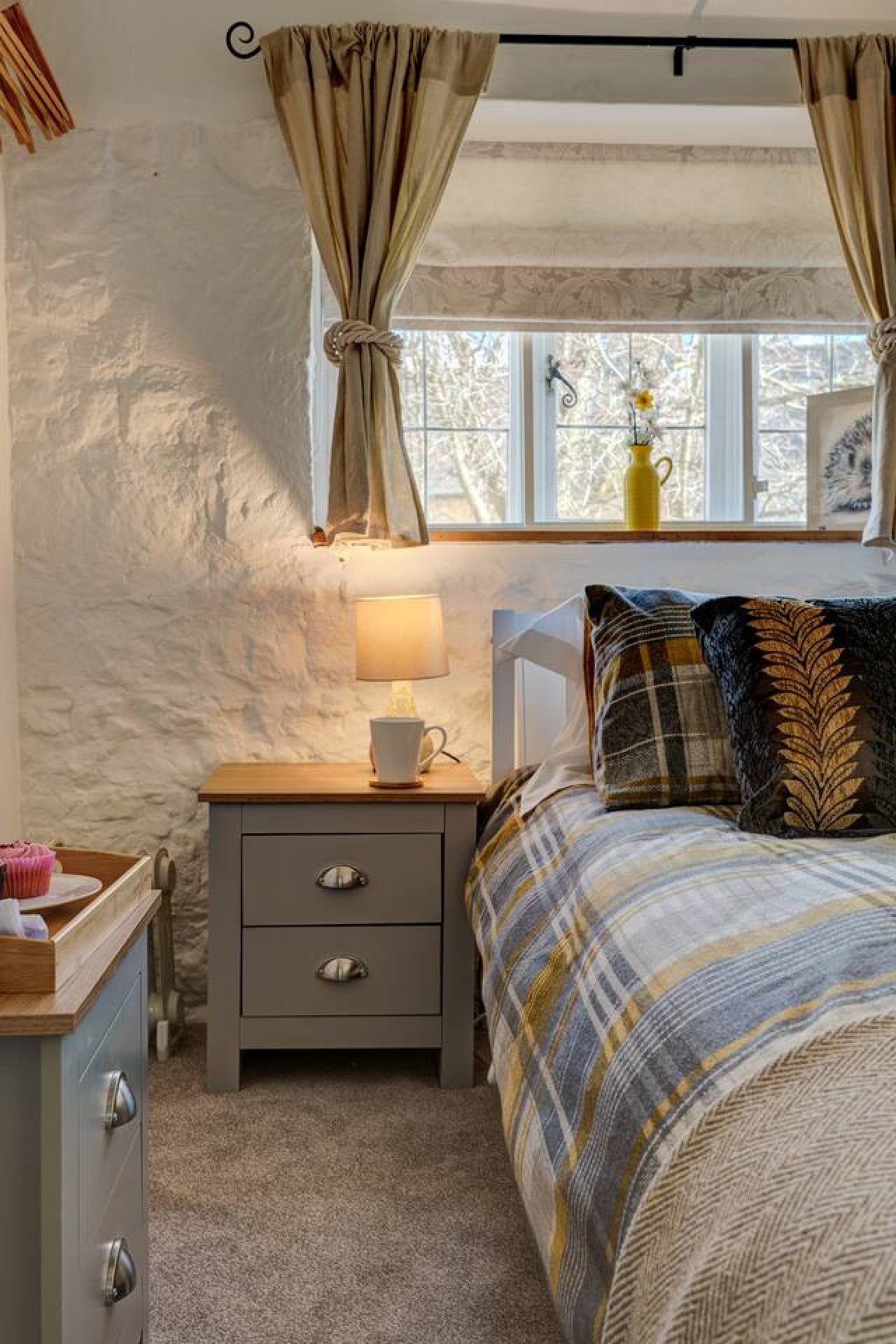
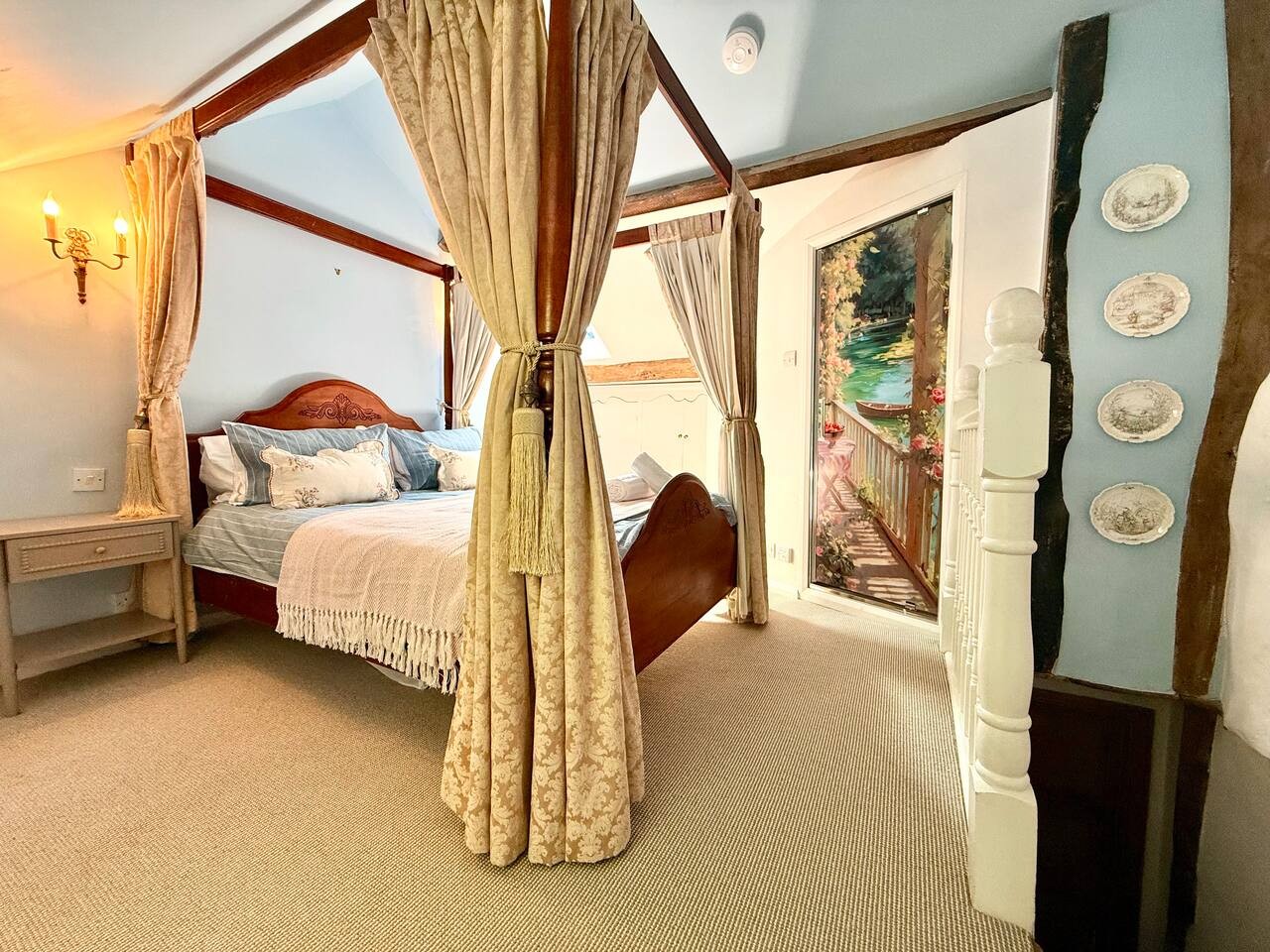
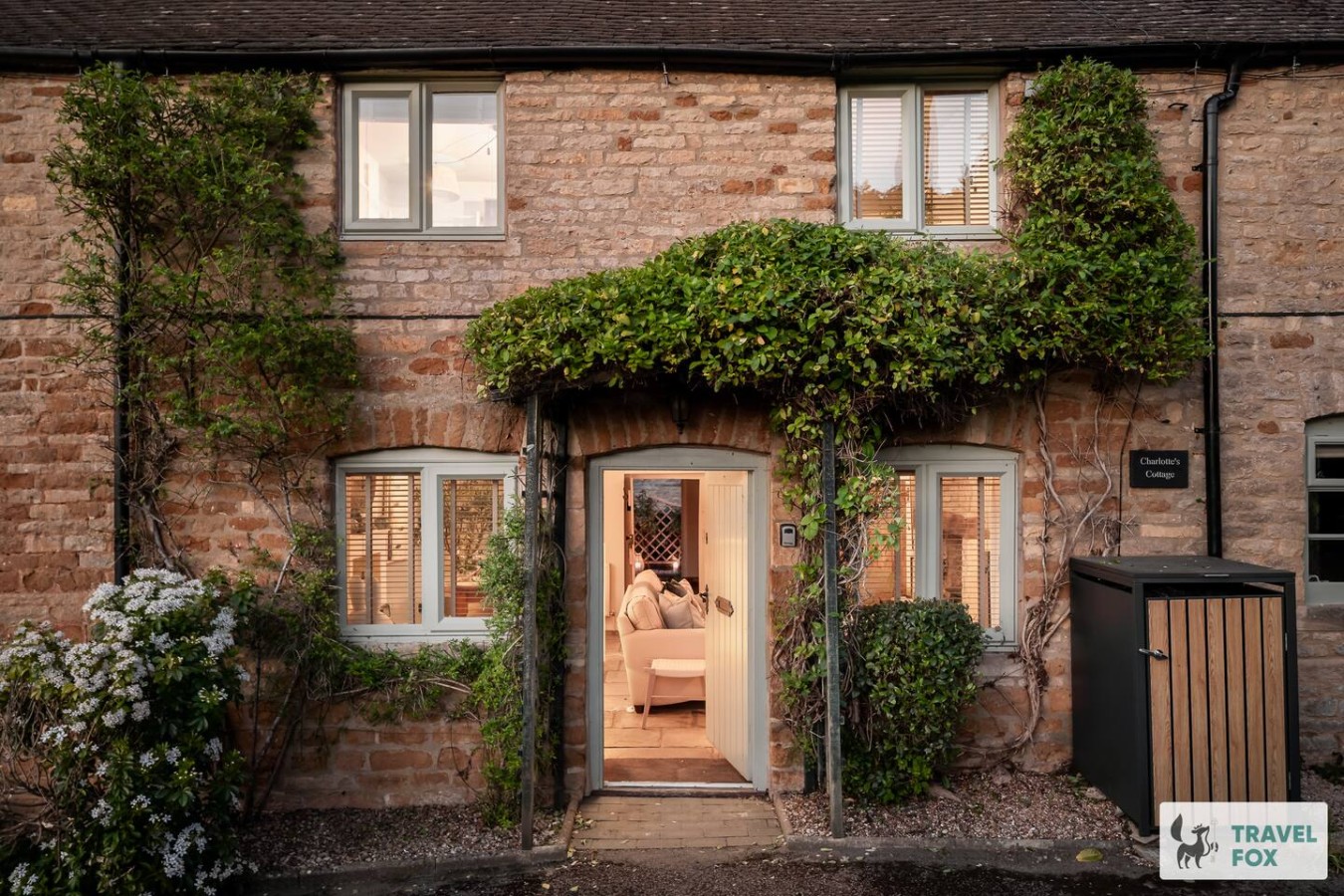
Travel Fox holiday homes around Cotswolds, linked directly to their property pages.
For homeowners
Own a holiday home near Yanworth?
We manage holiday lets across the Cotswolds from 12% commission, charged after cleaning costs, with no lock-in. A co-founder visits before you decide.
Holiday let management in the Cotswolds →
A guide with a point of view
Written from research. Edited for real journeys.
Use the Official site links for live practical details, then use this guide for context, ideas and room to explore.
Sources
Every place on this page is checked against a published source. Each entry links the record we used and names who publishes it.
- Church of St Michael — historicengland.org.uk statutory register or public authority record not machine-readable; publisher restricts automated access
- Inn at Fossebridge — innatfossebridge.co.uk operator, sector body or destination organisation
- Quiet Lanes and Tracks around Stowell Park and Coln Valley — cotswolds-nl.org.uk other published source
- Oxpens-Yanworth-Hangman's Stone Walk — northleach.gov.uk statutory register or public authority
- Chedworth Roman Villa — nationaltrust.org.uk national body or asset manager