
Quiet above Bibury
Ablington
A small River Coln hamlet where the walking leads through water meadows to Bibury's food, pubs and historic church.
- Best for
- Quiet valley walking and nearby Bibury stops
- Give it
- A little over two hours for the shorter circular
- Don't miss
- St Mary's carved Transitional capitals
The Fox verdict
Come for the quiet side of the Coln
Ablington keeps the rural calm while two walks connect it with Bibury's visitor stops about a mile downstream.
The strongest reason to base a visit here is the walking: an 8.4-mile figure-of-eight and a 4.1-mile circular connect Ablington's limestone cottages and River Coln setting with Bibury. Food, drink and church interest sit downstream, while Cirencester and Chedworth add Roman history further afield.
Where to go
Places in Ablington
Every place below is checked against a published source, listed with what it is and how long to give it.
Local signatures
3 placesColn Valley Walk 6
A leisurely figure-of-eight following the River Coln from Ablington to Bibury, its trout farm and Arlington Row.
- Visit length
- Editorial estimate: Allow 4 hours 19 minutes
- Locality
- starting at Ablington War Memorial opposite the manor
The Catherine Wheel
A busy 16th-century, Grade II-listed traditional pub with open fires, a family room, a beer garden and three changing cask ales.
- Visit length
- Editorial estimate: Allow around 60 minutes
- Locality
- Arlington/Bibury
Corinium Museum
A museum whose principal collection contains major finds from Roman Corinium, alongside prehistoric, Saxon and medieval material.
- Visit length
- Editorial estimate: Allow around 90 minutes
- Locality
- Cirencester
Food & drink
2 placesThe Swan
A former Cotswold coaching inn on the River Coln, with a country bar, log fire, riverside terrace and a brasserie serving seasonal British food.
- Visit length
- Editorial estimate: Allow around 60 minutes
- Locality
- Bibury
- Access
- Dogs are allowed in the bar and designated dining area; garden tables are available in good weather.
Bibury Trout Farm
A working trout farm founded in 1902, with a fish counter, deli and gift shop, cafe, catch-your-own fishing, barbecue hire, crazy golf and outdoor seating.
- Visit length
- Editorial estimate: Allow around 75 minutes
- Locality
- Bibury
Walks & outdoors
1 placeBibury and Ablington Circular
An easy 4.1-mile circular with 76 metres of ascent, using defined tracks and country lanes and returning through Ablington's rural cottages.
- Visit length
- Editorial estimate: Allow around 2 hours 20 minutes
- Locality
- Bibury and Ablington
- Access
- The route uses defined tracks and country lanes.
History & heritage
2 placesSt Mary's, Bibury
A Grade I church with 11th-century fabric, Saxon fragments, a chevroned Norman doorway, an unusual Transitional north arcade and a ten-bay Perpendicular roof.
- Visit length
- Editorial estimate: Allow around 45 minutes
- Locality
- Bibury
Chedworth Roman Villa
A National Trust Roman site known for its mosaics, bath houses and Roman latrines.
- Visit length
- Editorial estimate: Allow around 2 hours
- Locality
- nearby
No places match this filter. Choose All places to reset the list.
Three ways to explore Ablington
Signature outings
Saxon and Norman details
Look for Saxon fragments, the chevroned Norman north doorway and the carved capitals of St Mary's unusual Transitional north arcade.
Trout from pond to plate
Bibury Trout Farm combines its working grounds with catch-your-own fishing, a fish counter, deli, cafe and outdoor seating.
Mosaics and bath houses
Chedworth Roman Villa is known for its mosaics, bath houses and Roman latrines.
The village story
Ablington Village Guide
Manor stonework, River Coln walks and the useful contrast between quiet Ablington and nearby Bibury.
Manor Heads and Valley Quiet
Above the porch of Ablington Manor, five carved heads look down at anyone approaching the door: Elizabeth I, Mary, Henry VIII, Philip of Spain and James I. Beneath them a line was cut into the stone in 1590 — "Plead thou my cause O Lord" — set there by John Coxwell, who built the house that year. The manor is Grade I listed, was enlarged in the seventeenth century and altered around 1780, and its grounds slope down to the River Coln.
Ablington is a small hamlet, a scatter of limestone houses in a sheltered valley about a mile upstream from Bibury. Water meadows follow the river; a ridge above carries the earthwork of an old hillfort. The nearest pubs, shop and church are about a mile downstream in Bibury. Ablington's lanes are quieter than Bibury's busy visitor centre.
Two Walks and Bibury Pubs
That distance is walkable, and the walking is the reason to be here. The Coln Valley Walk 6 is an 8.4-mile figure-of-eight, roughly four and a quarter hours at a leisurely pace, starting at the war memorial opposite the manor and following the Coln downstream to the trout farm in Bibury. If that is too much, the Bibury and Ablington Circular covers 4.1 miles in a little over two hours, on defined tracks and country lanes, and comes back through Ablington's cottages.
In Bibury, The Catherine Wheel is a busy sixteenth-century pub with open fires, a family room, beer garden and three changing cask ales. The Swan, a former coaching inn on the Coln, has a country bar, log fire and riverside terrace; its brasserie serves seasonal British food and scones with clotted cream and strawberry jam. Dogs are welcome in the bar, designated dining area and at garden tables in good weather.
Trout Farm and St Mary's
For food to take back, or a meal you build your own trip around, there is Bibury Trout Farm. It is a working farm founded in 1902, with a fish counter, a deli and gift shop, and a cafe. The shop sells fresh and smoked trout, preserves, local honey and fudge, bread, eggs, milk and cheese. The cafe leans on its own fish: trout Benedict, a trout croque monsieur, crispy trout bites, trout chowder, whole trout, fillet of trout with beurre blanc, and a smoked trio of trout. Beyond the counter the grounds run to catch-your-own fishing, barbecue hire and crazy golf, with plenty of outdoor seating.
Bibury's church, St Mary's, is worth the mile. It is Grade I listed, with fabric reaching back to the eleventh century and additions across the twelfth and thirteenth. Inside are Saxon pilasters in the nave, carved Saxon fragments, a chevroned Norman north doorway, an unusual Transitional north arcade whose carved capitals are the most interesting thing in the building, a Perpendicular roof of ten bays and a square early-thirteenth-century font. Gilbert Scott restored it in 1863.
Hillfort History and Getting Here
The manor's later life is why some visitors arrive already knowing the name. In the 1890s it was home to J. Arthur Gibbs, whose 1898 book *A Cotswold Village* did a good deal to bring people to this stretch of country in the first place. The ridge behind the houses holds Rawbarrow, or Ablington Camp, an oval enclosure of about 4.4 hectares, broadly Late Bronze Age to Early Iron Age. A nearby barn has a sixteenth-century portion and a later addition dated, over the door, to 1727.
A car is simplest for Ablington, reached by local lanes about six miles north-east of Cirencester. Kemble, roughly fourteen miles from Bibury, is the nearest station, with direct trains from London Paddington; a taxi is a practical choice for the last leg. Further afield lie the Corinium Museum in Cirencester, rich in Roman finds, and Chedworth Roman Villa, known for its mosaics, bath houses and latrines.
Arlington Row and the Return
Many visitors photograph Arlington Row's cottages on the longer circuit through Bibury. The walk returns to the war memorial opposite the manor, where five carved faces still watch the door.
Stay around Cotswolds
Make a longer stay of it
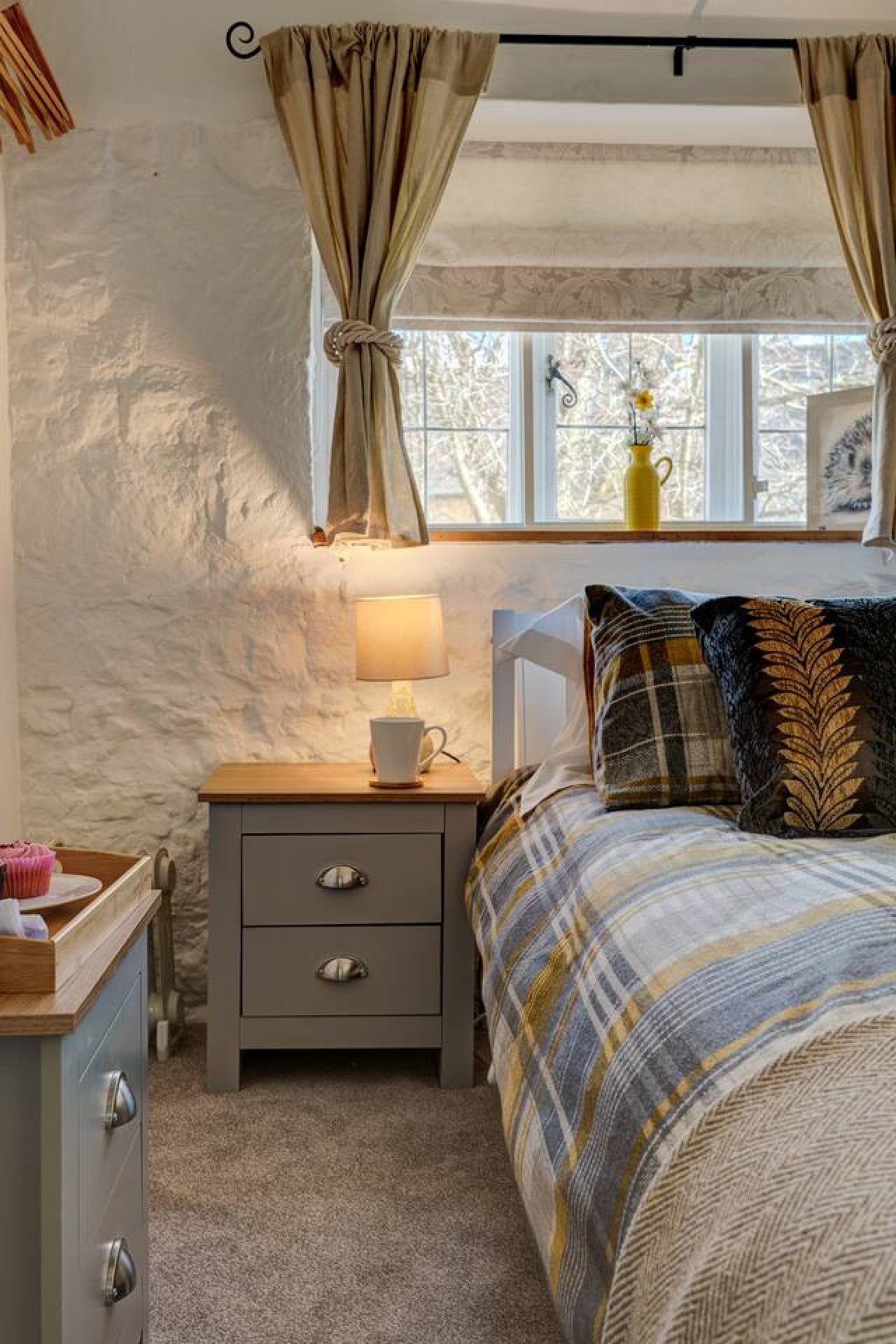
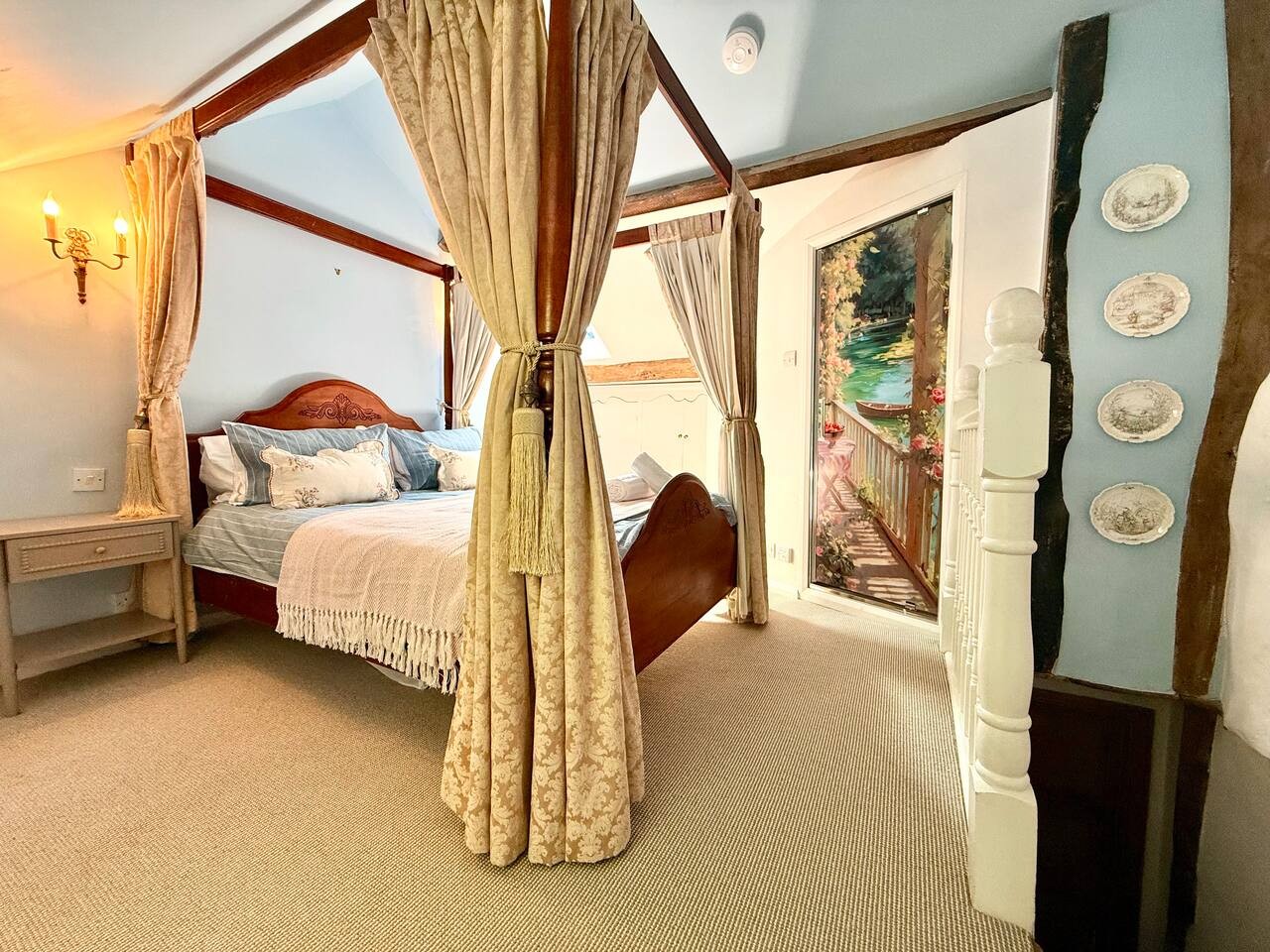
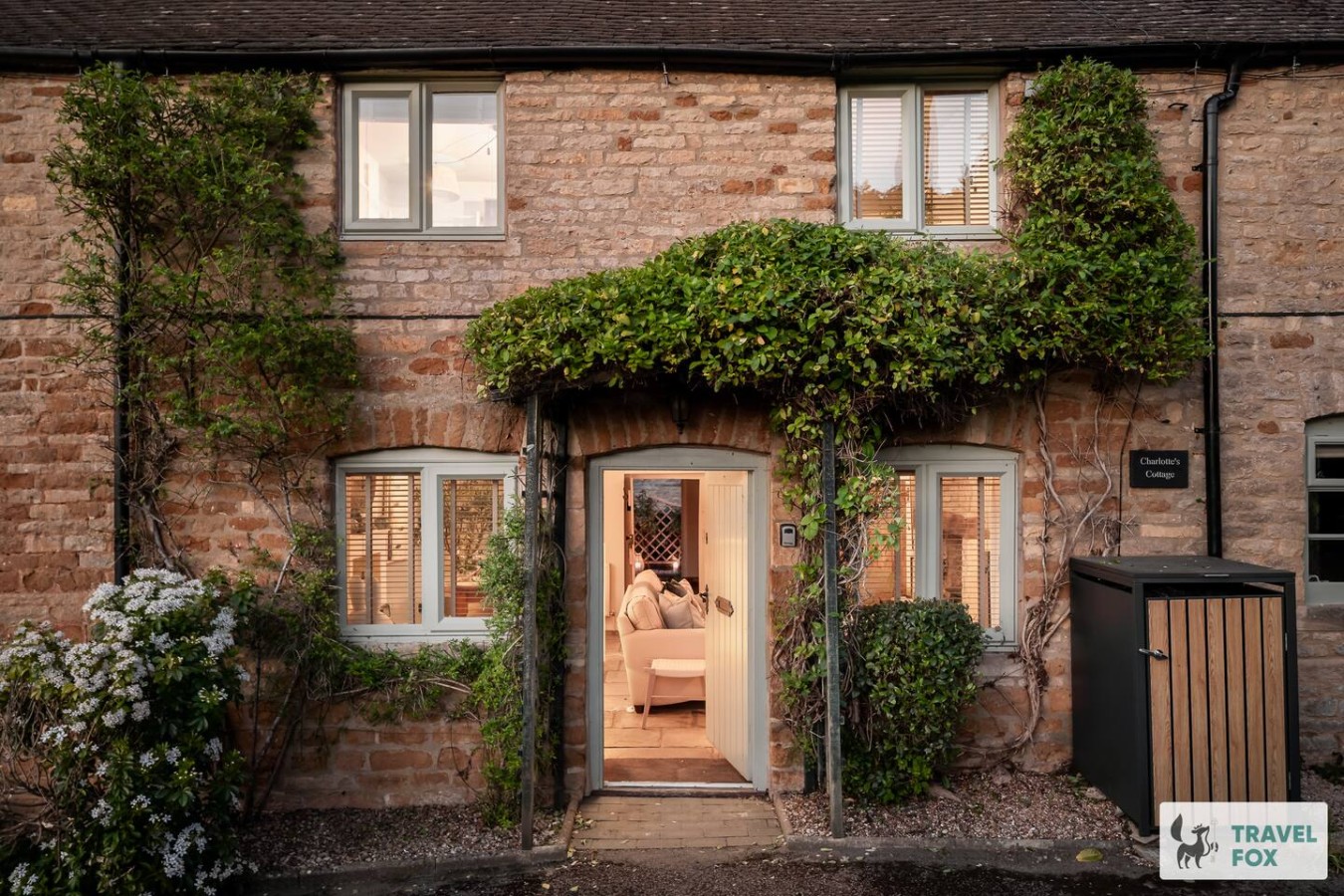
Travel Fox holiday homes around Cotswolds, linked directly to their property pages.
For homeowners
Own a holiday home near Ablington?
We manage holiday lets across the Cotswolds from 12% commission, charged after cleaning costs, with no lock-in. A co-founder visits before you decide.
Holiday let management in the Cotswolds →
A guide with a point of view
Written from research. Edited for real journeys.
Use the Official site links for live practical details, then use this guide for context, ideas and room to explore.
Sources
Every place on this page is checked against a published source. Each entry links the record we used and names who publishes it.
- Coln Valley Walk 6 — ramblers.org.uk operator, sector body or destination organisation record not machine-readable; publisher restricts automated access
- Bibury and Ablington Circular — cotswolds-nl.org.uk other published source
- The Catherine Wheel — camra.org.uk operator, sector body or destination organisation
- The Swan — cotswold-inns-hotels.co.uk other published source
- Bibury Trout Farm — biburytroutfarm.co.uk operator, sector body or destination organisation
- St Mary's, Bibury — historicengland.org.uk statutory register or public authority record not machine-readable; publisher restricts automated access
- Corinium Museum — coriniummuseum.org operator, sector body or destination organisation
- Chedworth Roman Villa — nationaltrust.org.uk national body or asset manager