
Coln Valley paths and Gothic detail
Hatherop
A small estate village where a richly carved church stands beside a historic castle landscape, with food stops in the surrounding Coln Valley.
- Best for
- Church architecture and a Coln Valley circuit
- Walk
- 2¾ miles, about 1 hour 20 minutes
- Know before
- The castle and its grounds are private school property
The Fox verdict
A church-and-walk village with its refreshments next door
Hatherop pairs the elaborate Church of St Nicholas with a low-climb circuit linking two neighbouring villages.
Begin with St Nicholas, rebuilt by Henry Clutton with William Burges assisting, then use the 4.5 km circuit for riverbank, meadow and Elm Copse. The route also connects the useful food stops: The Keepers Arms, The New Inn and Coln Community Stores and Café Coln.
Where to go
Places in Hatherop
Every place below is checked against a published source, listed with what it is and how long to give it.
Local signatures
3 placesChurch of St Nicholas
Rebuilt in 1854–55 by Henry Clutton with William Burges assisting, this Perpendicular church has French Gothic influences, animal gargoyles, carved fittings, stained glass and Raffaelle Monti's marble effigy of Barbara de Mauley.
- Visit length
- Editorial estimate: around 45 minutes
- Locality
- Hatherop, beside Hatherop Castle
- Access
- The adjacent castle and landscaped grounds are school property rather than a general visitor attraction.
The Keepers Arms
A traditional family-run free house with a cosy bar, open log fires, four en-suite rooms and a sun terrace; it welcomes dogs and serves a changing selection of real ales and keg beers.
- Visit length
- Editorial estimate: around 90 minutes
- Locality
- A neighbouring Coln Valley village
Arlington Row
Arlington Row began around 1380 as a monastic wool store and was converted into weavers' cottages in the 17th century.
- Visit length
- Editorial estimate: around 45 minutes
- Locality
- Bibury
Food & drink
2 placesThe New Inn
A pub with rooms, branded Baz & Fred at The New Inn, positioned directly on the Coln Valley circuit that reaches Hatherop.
- Visit length
- Editorial estimate: around 60 minutes
- Locality
- Coln St Aldwyns, GL7 5AN
Coln Community Stores and Café Coln
A community-owned shop, café and Post Office with local produce, hot food, cakes and coffee, plus a café garden with parasols and a covered gazebo.
- Visit length
- Editorial estimate: around 45 minutes
- Locality
- Coln St Aldwyns
History & heritage
1 placeSt Mary's Church, Fairford
The Fairford church describes its late-medieval stained glass as the country's only complete set in a parish church.
- Visit length
- Editorial estimate: around 45 minutes
- Locality
- Fairford, 4 km south of Hatherop
Things to do
1 placeBibury Trout Farm
Founded in 1902 and billed by its operator as England's oldest working trout farm, with fish feeding, catch-your-own fishing and crazy golf among its family activities.
- Visit length
- Editorial estimate: around 120 minutes
- Locality
- Bibury
No places match this filter. Choose All places to reset the list.
Three ways to explore Hatherop
Signature outings
Gargoyles and a saddleback tower
See the steep saddleback roof and animal gargoyles on St Nicholas, then look inside for carved fittings, stained glass and Monti's marble effigy.
A community shop and café
Stop at Coln Community Stores for local produce, hot food, cakes and coffee; its café garden has parasols and a covered gazebo.
A complete glass sequence
St Mary's describes its late-medieval stained glass as the country's only complete set in a parish church.
The village story
Hatherop Village Guide
A locked Travel Fox guide to Hatherop's church, Coln Valley circuit, estate history and nearby stops.
The Castle–Church Ensemble
The archway that links Hatherop Castle to the Church of St Nicholas is the place to begin, mostly because you cannot go much further. The castle is a sixteenth- or seventeenth-century house with a five-storey tower and a gabled north front, restored and enlarged in 1850–56, and is now a private prep school; the church stands beside it, joined by a large nineteenth-century arch, its crossing tower carrying a steep saddleback roof and a row of gargoyles carved as animals. The two together are the village's defining sight, and since the school half is closed to visitors, the church is what's open to see.
St Nicholas was rebuilt in 1854–55 by Henry Clutton, with the young William Burges assisting, for Lord de Mauley. It is Perpendicular in outline with French Gothic detailing, richly carved inside, with a matching pulpit and font and stained glass by O'Connor and by Lavers, Barraud and Westlake. In the south mortuary chapel is Raffaelle Monti's marble effigy of Barbara de Mauley, cut in 1848, with attendant angels. For a village this small it is a lot of church.
Walking and Food Stops
Hatherop keeps most of its amenities elsewhere, which shapes how you spend the day. The best of it is a walk. A circuit of about 2¾ miles links the village with Quenington and Coln St Aldwyns, roughly an hour and twenty minutes with very little climbing. From Quenington it crosses into Coln St Aldwyns, passes the shop and the pub, follows the road towards Hatherop, crosses the River Coln on a wide metal footbridge and returns beside meadow and Elm Copse. Long stretches of riverbank make it good ground for a dog.
Both pubs sit on that circuit. The Keepers Arms at Quenington is a family-run free house with open log fires, a sun terrace and four en-suite rooms; it welcomes dogs, pours a changing selection of real ales, and the summer kitchen has run to watermelon and fennel gazpacho, pan-fried salmon with pickled cucumber and dill yoghurt, and pork loin steak with sweet-potato purée, roasted pineapple and scotch-bonnet salsa, finishing with vanilla panna cotta and Evesham strawberries. The New Inn at Coln St Aldwyns, a little further round, offers rooms as well.
Community Stores and Estate Landscape
Midway is Coln Community Stores, a shop, café and Post Office run by the village, which won a regional Countryside Alliance award in 2026. The shelves carry Cacklebean eggs, Kelmscott Butchers meat, Blackwoods charcuterie and Saturday sourdough from Lynwood; the café does award-winning sausage rolls, hot panini, and Sarah's carrot cake, with coffee from beans roasted daily in Cirencester. There is a garden with parasols and a covered gazebo.
The estate that shaped all this is old. The park dates to the sixteenth or seventeenth century; the house was badly burned in 1848, rebuilt by Clutton, and in 1862 the Government leased it to Maharajah Duleep Singh of Lahore. It became a school in 1946. The land around it still reads as estate parkland — permanent pasture, stone walls, tree belts and scattered clumps — with a late-Victorian Italian garden on the castle's west side and, once, water gardens down on the Coln that an 1862 sale catalogue called the Trout Stream.
Earlier History, Access and Nearby Detours
Long before any of that, the Domesday surveyors counted forty-seven households here, nineteen plough teams and a mill worth fifteen shillings, and valued the whole place at seventeen pounds. North of the village, out towards the old Salt Way, a round barrow called Barrow Elm still stands about a metre and a half high.
Getting here means minor roads. Hatherop is four kilometres north of Fairford and thirteen north-east of Cirencester, off the A-roads. The nearest railhead is Kemble; the demand-responsive Robin bus stops at Castle School and will run to the station if you book it ahead. Fairford is worth the short drive for St Mary's, which holds a complete set of late-medieval glass, and Bibury and its trout farm, working since 1902, are a short Coln Valley drive away.
Home Farm Today
Home Farm on the estate is worked by the Iles family, sixth-generation tenants. Jeremy farms 140 acres of pasture with his daughter Sophie, who took on the tenancy at twenty. "It is a family business and so we have such a strong connection to the local area," she told the estate's trust. The cattle graze in rotation, one field to the next.
Stay around Cotswolds
Make a longer stay of it
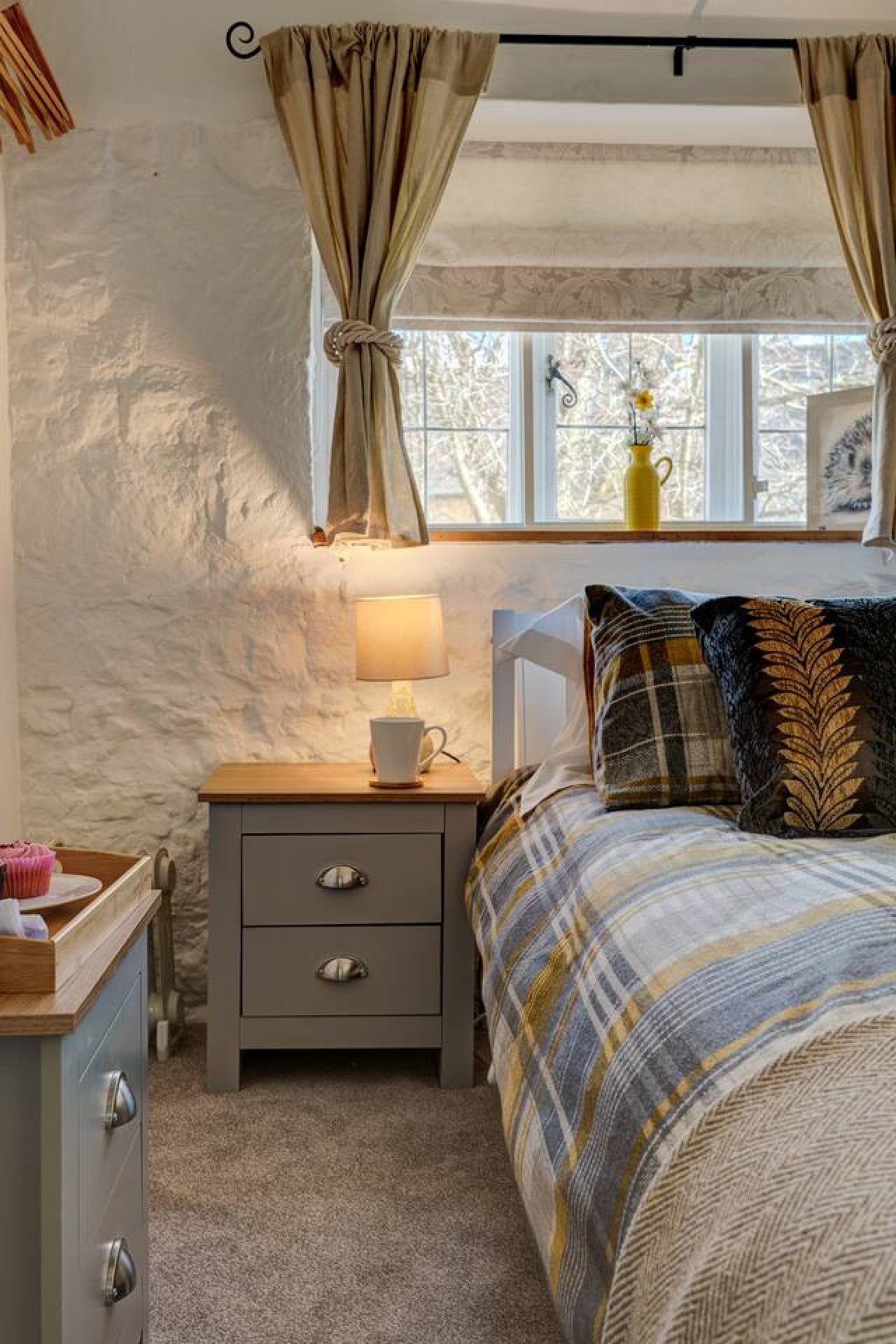
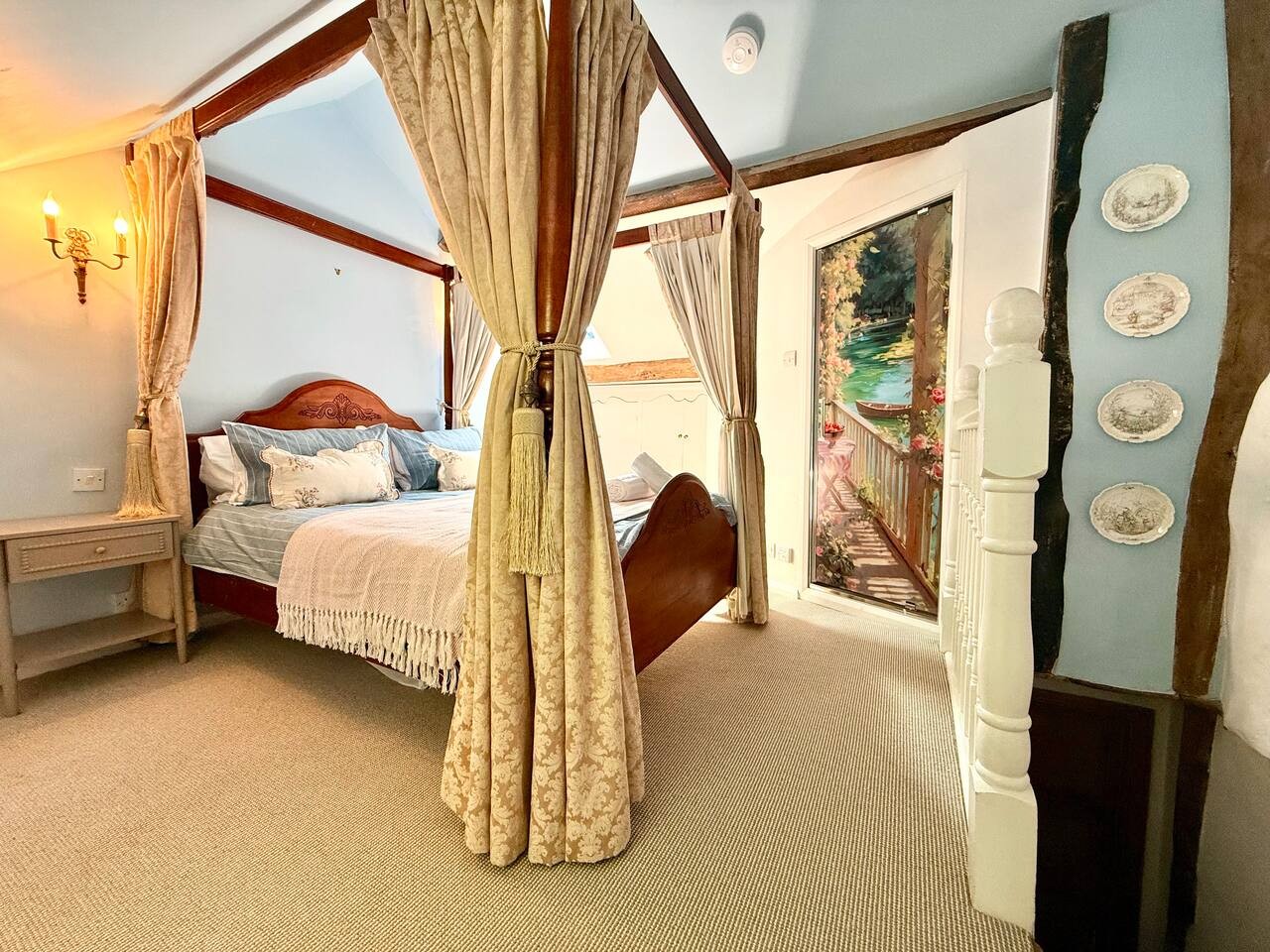
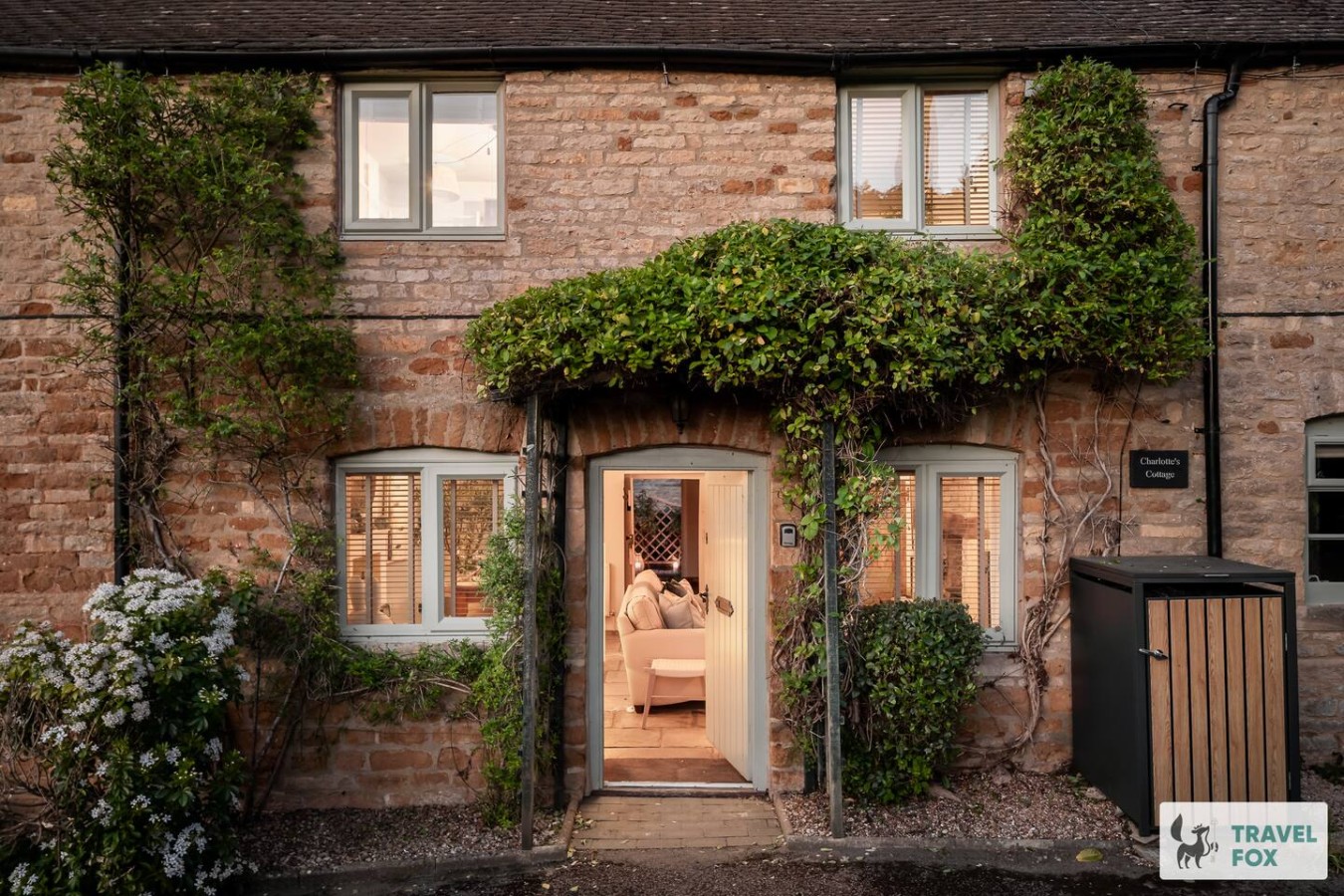
Travel Fox holiday homes around Cotswolds, linked directly to their property pages.
For homeowners
Own a holiday home near Hatherop?
We manage holiday lets across the Cotswolds from 12% commission, charged after cleaning costs, with no lock-in. A co-founder visits before you decide.
Holiday let management in the Cotswolds →
A guide with a point of view
Written from research. Edited for real journeys.
Use the Official site links for live practical details, then use this guide for context, ideas and room to explore.
Sources
Every place on this page is checked against a published source. Each entry links the record we used and names who publishes it.
- Church of St Nicholas — historicengland.org.uk statutory register or public authority record not machine-readable; publisher restricts automated access
- The Keepers Arms — thekeepersarms.co.uk operator, sector body or destination organisation
- The New Inn — thenewinncoln.co.uk other published source
- Coln Community Stores and Café Coln — colnstores.co.uk operator, sector body or destination organisation
- St Mary's Church, Fairford — stmaryschurchfairford.org.uk operator, sector body or destination organisation
- Arlington Row — visitgloucestershire.co.uk operator, sector body or destination organisation
- Bibury Trout Farm — biburytroutfarm.co.uk operator, sector body or destination organisation