
A River Coln village
Quenington
Pair Norman sculpture and Hospitaller history with a two-mile river circuit and a family-run free house.
- Best for
- River walking and Norman carving
- Give it
- 45–60 minutes for the river circuit
- Don't miss
- St Swithin's carved Norman doorways
The Fox verdict
A compact Coln Valley visit with unusual medieval detail
Quenington brings together a stile-free river circuit, a church with two Norman doorways and the remains of a Hospitaller story.
Walk between Quenington and Coln St Aldwyns, pause at the community shop, look closely at St Swithin's carved tympana and finish at the family-run Keepers Arms.
Where to go
Places in Quenington
Every place below is checked against a published source, listed with what it is and how long to give it.
Local signatures
3 placesColn Community Stores
A community-owned shop, café and Post Office that serves as the official river walk's halfway refreshment stop.
- Visit length
- Editorial estimate: Allow around 30 minutes
- Locality
- Coln St Aldwyns
Church of St Swithin
A Grade I church recorded by 1100, with two Norman doorways and carved tympana depicting the Harrowing of Hell and possibly the Coronation of the Virgin.
- Visit length
- Editorial estimate: Allow around 30 minutes
- Locality
- Quenington
Dovecote at Knights Gate
A Grade I dovecote with about 600 angled nesting holes and a revolving ladder, reputedly recorded for the Hospitallers in 1338 though some date it to the 17th century.
- Visit length
- Editorial estimate: Allow around 20 minutes
- Locality
- Knights Gate
Food & drink
1 placeThe Keepers Arms
A traditional family-run free house in a former gamekeeper's cottage, with a cosy bar, open fires, four en-suite rooms and a sun terrace.
- Visit length
- Editorial estimate: Allow around 1 hour 15 minutes
- Locality
- Quenington
- Access
- Dogs are welcome.
Walks & outdoors
1 placeTwo Villages River Walk
A two-mile circular from the Keepers Arms, crossing the River Coln three times and reaching Coln Community Stores halfway.
- Visit length
- Editorial estimate: Allow 45–60 minutes
- Locality
- Quenington and Coln St Aldwyns
- Access
- Stile-free, with unsurfaced paths and a steep hill on the return.
No places match this filter. Choose All places to reset the list.
Three ways to explore Quenington
Signature outings
Settle in at the Keepers Arms
Return to the family-run free house for its cosy bar, open fires and small front garden.
Study two Norman doorways
Look for the Harrowing of Hell on the north tympanum and the possible Coronation of the Virgin on the south.
Walk between two villages
Follow the two-mile circuit over three river bridges, with Coln Community Stores waiting halfway.
The village story
Quenington Village Guide
A River Coln village of Norman carving, Hospitaller traces and a two-mile walk between Quenington and Coln St Aldwyns.
The Keepers Arms and Village Life
The Keepers Arms began as a gamekeeper's cottage, and parts of it are around three hundred years old. It is now a family-run free house with a cosy bar, open fires, four en-suite rooms and a sun terrace. The kitchen is broader than the building suggests, and has run to cider-battered haddock with garden or mushy peas, fries and curried tartare sauce, paneer-and-pea butter masala with rice and poppadoms, an onion-bhaji burger with mango chutney, sea bream with warm caponata, and lightly spiced lamb with roast vegetables and couscous, though the menu changes. The ales come from independent breweries, with St Austell Proper Job and Butcombe Original the regulars, though the hand pumps change. Dogs are welcome.
Quenington sits in the valley of the River Coln, eight miles east of Cirencester, with a green at its centre and a village hall beside it that runs coffee mornings and an Apple Day each October. The nearest shop is Coln Community Stores in Coln St Aldwyns, the next village along — a community-owned shop, café and Post Office that took the South West regional award for Best Shop and Post Office in 2026.
The Two Villages Walk and St Swithin's
Reaching that shop is the main walk. The Two Villages River Walk is a two-mile circular that leaves the Keepers Arms, skirts Quenington Green and drops to the valley floor, crossing the Coln three times before climbing back over a steep hill. It takes most people under an hour and has no stiles, though the paths are unsurfaced. It passes a playground just below the green and a second in Coln St Aldwyns, with the community stores waiting halfway for anyone who wants to stop. From the Keepers Arms you can also strike out toward Bibury, four miles off, or follow the Coln Valley in the direction of Fairford.
The church is St Swithin's, with Norman doorways on both the north and south sides. The north tympanum shows the Harrowing of Hell. The south doorway is carved with guilloche, pellet and beakhead patterns, and its tympanum may be the earliest surviving depiction of the Coronation of the Virgin, ringed by the symbols of the Evangelists. Inside there is a late-16th-century font under a cover dated 1662, marble wall monuments and a 17th-century shield brass. The building was recorded by 1100 and known as St Mary's in the 12th century; it had become St Swithin's by 1735.
Hospitallers, Mills and Smithy
A short way off stands a dovecote at Knights Gate, with about six hundred angled nesting holes and a revolving ladder inside for reaching them. It is reputed to be the one recorded in 1338 as belonging to the Knights Hospitallers, though some put it two or three centuries later. The Hospitallers kept a preceptory here from 1193 until the Dissolution in 1540; it briefly reopened under Mary I and then went, leaving a gateway and some barn fabric behind. Quenington Court, an early-19th-century house, now stands on the site and is visible through the old gateway.
Water did the rest of the work. A Domesday corn mill became a fulling mill for cleaning wool, then gained a gig mill and a dye house; by 1738 it was making paper from rags, and did so until about 1880, which is how the rise beside it came to be called Rag Hill. The smithy was first recorded in 1678 and has stayed with the Collett family, who have lived in Quenington for more than two hundred and fifty years. When the Domesday commissioners came through, they valued the whole place at ten pounds, up from eight twenty years earlier, and counted forty-five households on the land.
Getting Here and Finishing at the Pub
Cirencester is eight miles west by car, for wider shops and services, and the practical railhead is Kemble, with its car park and Great Western trains. The 76 bus links the village with Fairford, Cirencester and Lechlade from The Green, though it is worth checking the timetable before you rely on it.
The front garden of the Keepers Arms is small. CAMRA called it popular with cyclists, ramblers and smokers. It is a good place to end a walk.
Stay around Cotswolds
Make a longer stay of it
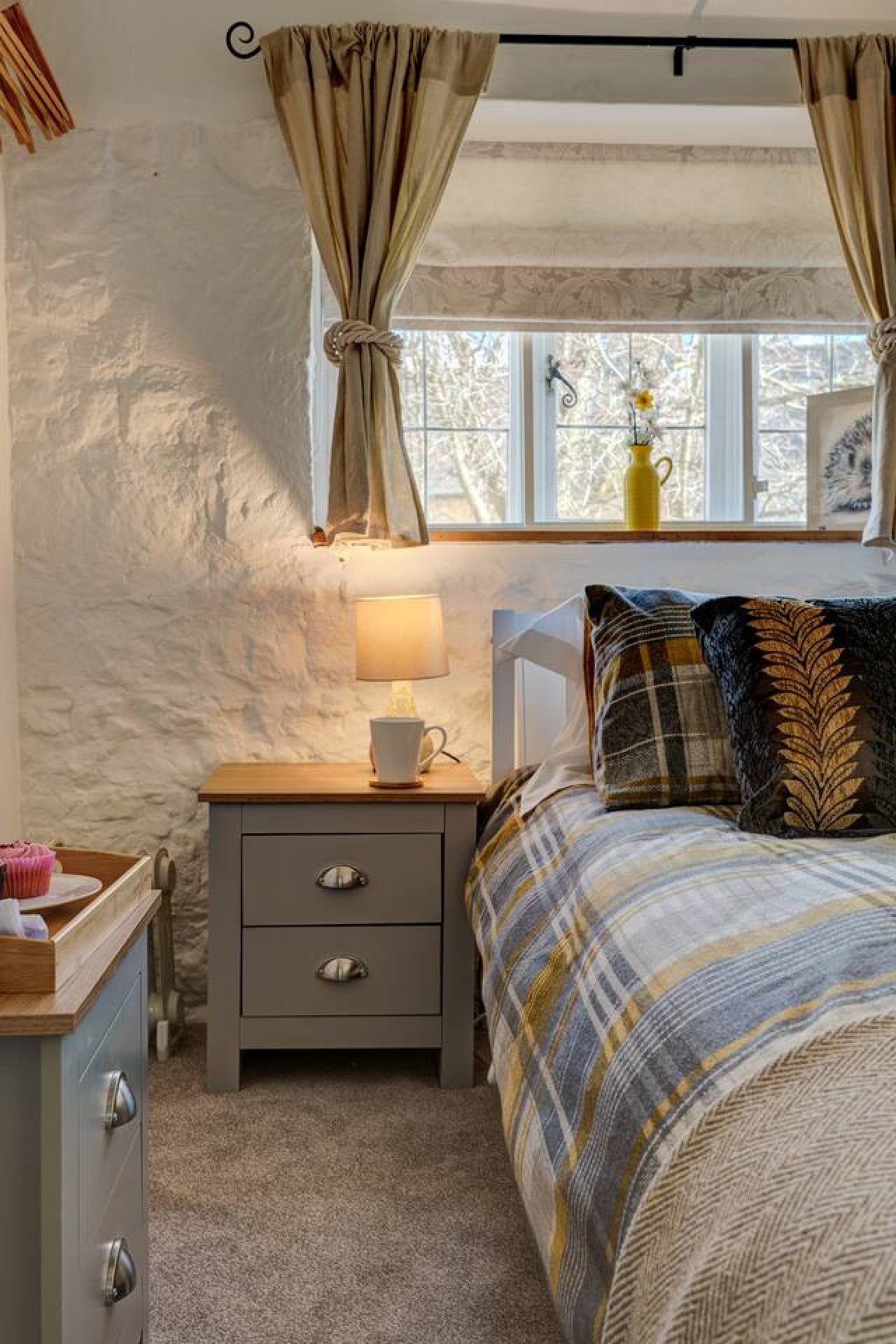
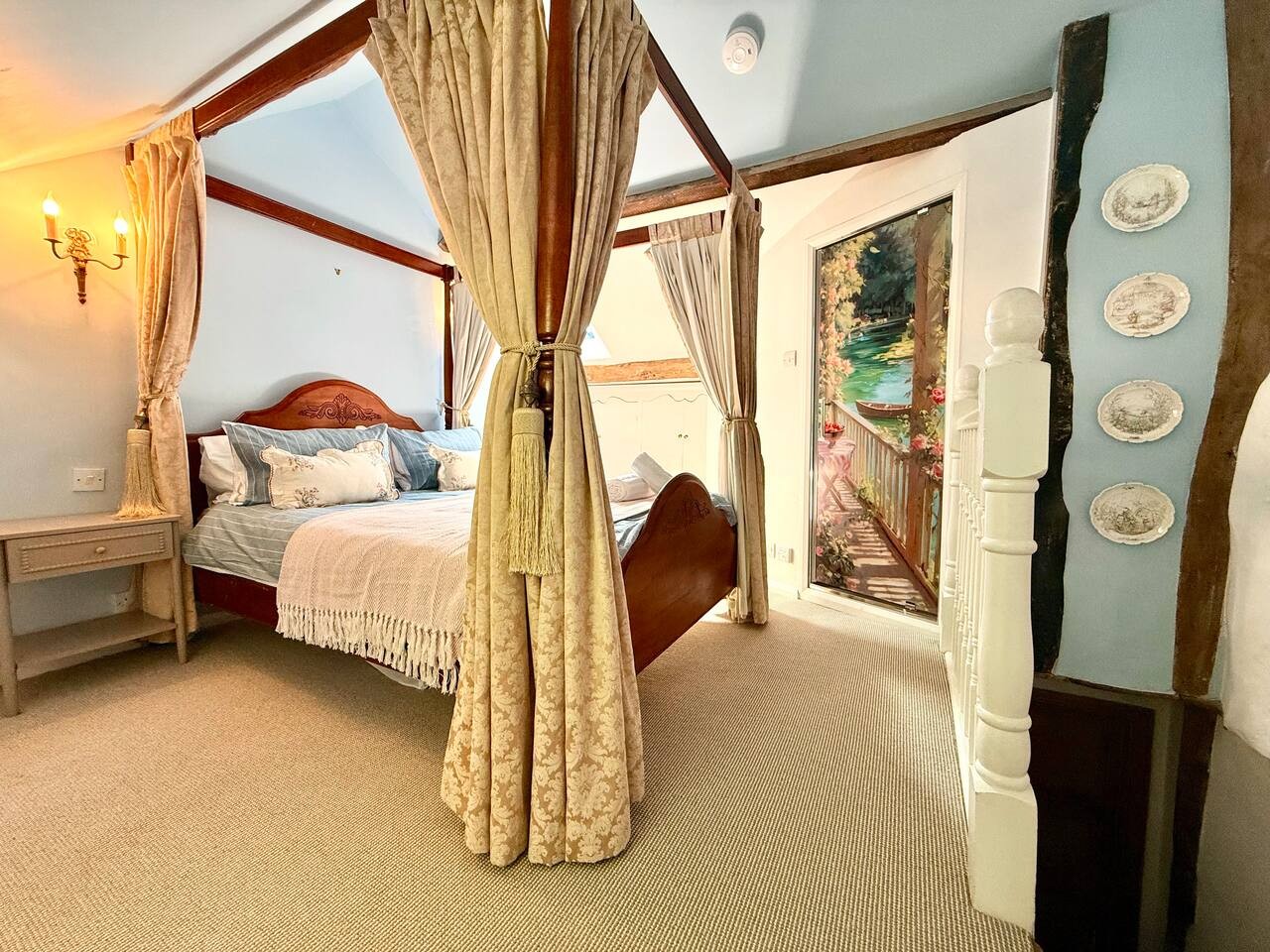
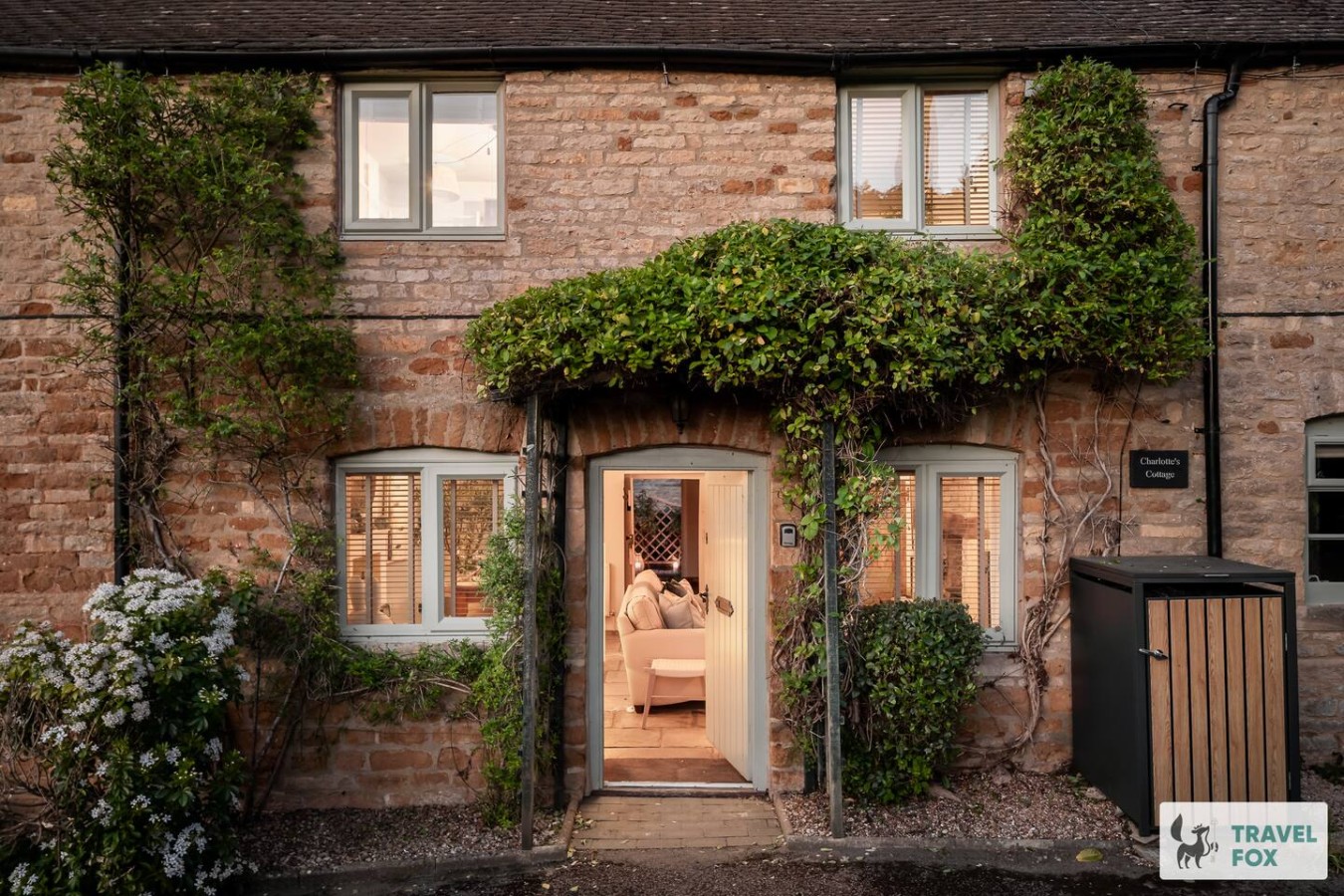
Travel Fox holiday homes around Cotswolds, linked directly to their property pages.
For homeowners
Own a holiday home near Quenington?
We manage holiday lets across the Cotswolds from 12% commission, charged after cleaning costs, with no lock-in. A co-founder visits before you decide.
Holiday let management in the Cotswolds →
A guide with a point of view
Written from research. Edited for real journeys.
Use the Official site links for live practical details, then use this guide for context, ideas and room to explore.
Sources
Every place on this page is checked against a published source. Each entry links the record we used and names who publishes it.
- The Keepers Arms — thekeepersarms.co.uk operator, sector body or destination organisation
- Two Villages River Walk — cotswolds-nl.org.uk other published source
- Coln Community Stores — colnstores.co.uk operator, sector body or destination organisation
- Church of St Swithin — historicengland.org.uk statutory register or public authority record not machine-readable; publisher restricts automated access
- Dovecote at Knights Gate — historicengland.org.uk statutory register or public authority record not machine-readable; publisher restricts automated access