
River, stone and village life
Coln St Aldwyns
A River Coln estate village of limestone cottages, local food and a stile-free circular to Bibury.
- Best for
- Village history, local food and the Bibury circular
- Give it
- A village visit, or about three hours for the six-mile circular
- Don't miss
- The Norman carvings in St John the Baptist
The Fox verdict
A small Coln Valley village with a full day within easy reach
Coln St Aldwyns brings together an estate-village landscape, a community shop and café, a richly detailed church and a country inn.
The official six-mile circular gives the village a clear link to Bibury, while the Stores, New Inn and Church of St John the Baptist provide useful stops before or after the walk.
Where to go
Places in Coln St Aldwyns
Every place below is checked against a published source, listed with what it is and how long to give it.
Local signatures
3 placesColn Community Stores and Café Coln
A community-owned shop, café and Post Office with local produce, homemade cakes and coffee from Rave in Cirencester.
- Visit length
- Editorial estimate: Allow around 45 minutes
- Locality
- Coln St Aldwyns
- Access
- The café provides toilets and a sheltered garden, and food and drink can be taken away.
Church of St John the Baptist
A Grade II* church with late-12th-century fabric, a chevron-carved Norman doorway, a 13th-century chancel and tower, and a 15th-century belfry.
- Visit length
- Editorial estimate: Allow around 45 minutes
- Locality
- Coln St Aldwyns
Bibury’s Saxon-rich church
Bibury’s Saxon-rich church is one of the named places on or beside the official circular from Coln St Aldwyns.
- Visit length
- Editorial estimate: Allow around 30 minutes
- Locality
- Bibury, about three miles away
Food & drink
1 placeThe New Inn
A village country inn with a restaurant and rooms, renovated and reopened by local food duo Baz & Fred in 2020.
- Visit length
- Editorial estimate: Allow around 90 minutes
- Locality
- Coln St Aldwyns
- Access
- Two dog-friendly bedrooms are available by prior arrangement; the official accommodation information does not state a dog policy for the bar or restaurant.
Walks & outdoors
1 placeArlington Row
A named Bibury landmark reached on the official circular before the return through old mill buildings, meadows and the Coln valley.
- Visit length
- Editorial estimate: Allow around 30 minutes
- Locality
- Bibury, about three miles away
No places match this filter. Choose All places to reset the list.
Three ways to explore Coln St Aldwyns
Signature outings
The New Inn
Baz & Fred renovated and reopened this village country inn with restaurant and rooms in 2020.
Carvings and centuries
Look for the chevron-carved Norman doorway, the demon pursuing a man and grotesque heads on the tower.
Arlington Row
The official six-mile circular reaches Arlington Row before returning through meadows and the Coln valley.
The village story
Coln St Aldwyns Village Guide
Follow the village from the River Coln to its raised green, with local food, a historic church and a circular walk to Bibury along the way.
The village and the New Inn
Main Street rises straight out of the riverbed and climbs to a large horse chestnut standing on a raised green. That is the shape of Coln St Aldwyns: a line of limestone cottages, most of them 17th or 18th century, following the ground up from the River Coln. It is an estate village; later cottages were built for Williamstrip Park.
The New Inn sits on Main Street, close to the water meadows. Historic England dates the building to the late 18th century, with early-19th-century additions. Since 2020 it has been run by a local food pair trading as Baz & Fred, with a restaurant, a garden looking out over the meadows, a sun terrace and fifteen ensuite bedrooms. Two of the rooms take dogs by prior arrangement. Some Booking.com reviewers praise the breakfasts and evening meals.
Stores and the Bibury circular
Up the street stands Coln Community Stores. It is owned by the village and combines a shop, a café and the Post Office, and in 2026 it won the Countryside Alliance's South West award for best shop and post office. The shelves lean local: Cacklebean eggs, meat from Kelmscott Butchers, Blackwoods charcuterie, Woodlands Farm yoghurt, and Lynwood sourdough delivered on Saturdays. Café Coln, alongside, serves Little Jack Horner sausage rolls, panini, wraps, pies, pasties and homemade cakes, among them Sarah's legendary Carrot Cake, with coffee from Rave in Cirencester. There is a garden with parasols and a covered gazebo, toilets, and everything can be taken away — useful for walkers and cyclists heading out from the village.
The village is the start of a six-mile circular walk to Bibury and back, laid out as one of the Cotswolds' stile-free routes and taking about three hours. It begins by the Post Office, crosses the Coln, climbs a bridleway past the line of Roman Akeman Street and a dewpond, then drops into Bibury at Arlington Row before returning through old mill buildings and water meadows along the valley, past the New Inn. The paths are unsurfaced, so sturdy footwear is recommended.
Church, Domesday and the mill
The church stands above the street, dedicated to St John the Baptist — to his beheading, specifically, as the parish is careful to note. Its oldest stone is late 12th century, including a Norman south doorway carved with chevron and waterleaf capitals; the chancel and tower followed in the 13th century, the belfry in the 15th, and a thorough restoration ran from 1853 to 1868. Look for a small blocked Norman window whose carved head shows a demon chasing a man, grotesque heads on the tower, an octagonal font cut with a Greek palindrome, and a two-tier chandelier of about 1767. John Keble the elder was vicar here for forty years and his son curate for ten before going on to found the Oxford Movement; the east windows remember them.
The Domesday surveyors found 22 households, two mills and a value of eight pounds, all of it held by St Peter's Abbey in Gloucester. The mill by the river was rebuilt as a corn mill in 1858 and still holds its machinery, minus the wheel.
Getting here and the raised green
Getting here means the A417 from Cirencester, nine miles off, with Kemble the nearest station and Bibury and Fairford each about three miles away.
Back at the top of the village the road levels out at the raised green, and below it the street runs down to the river it climbed from.
Stay around Cotswolds
Make a longer stay of it
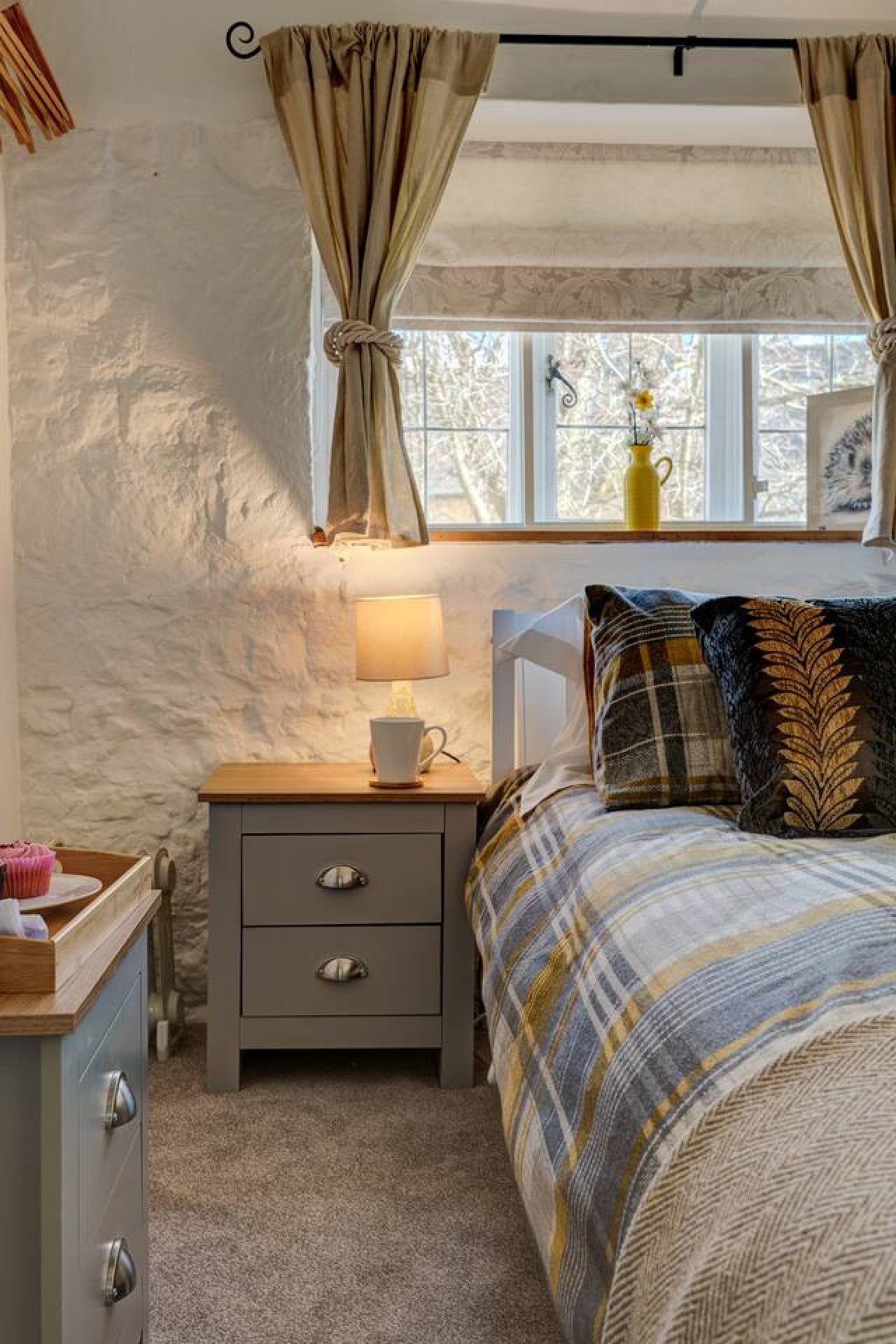
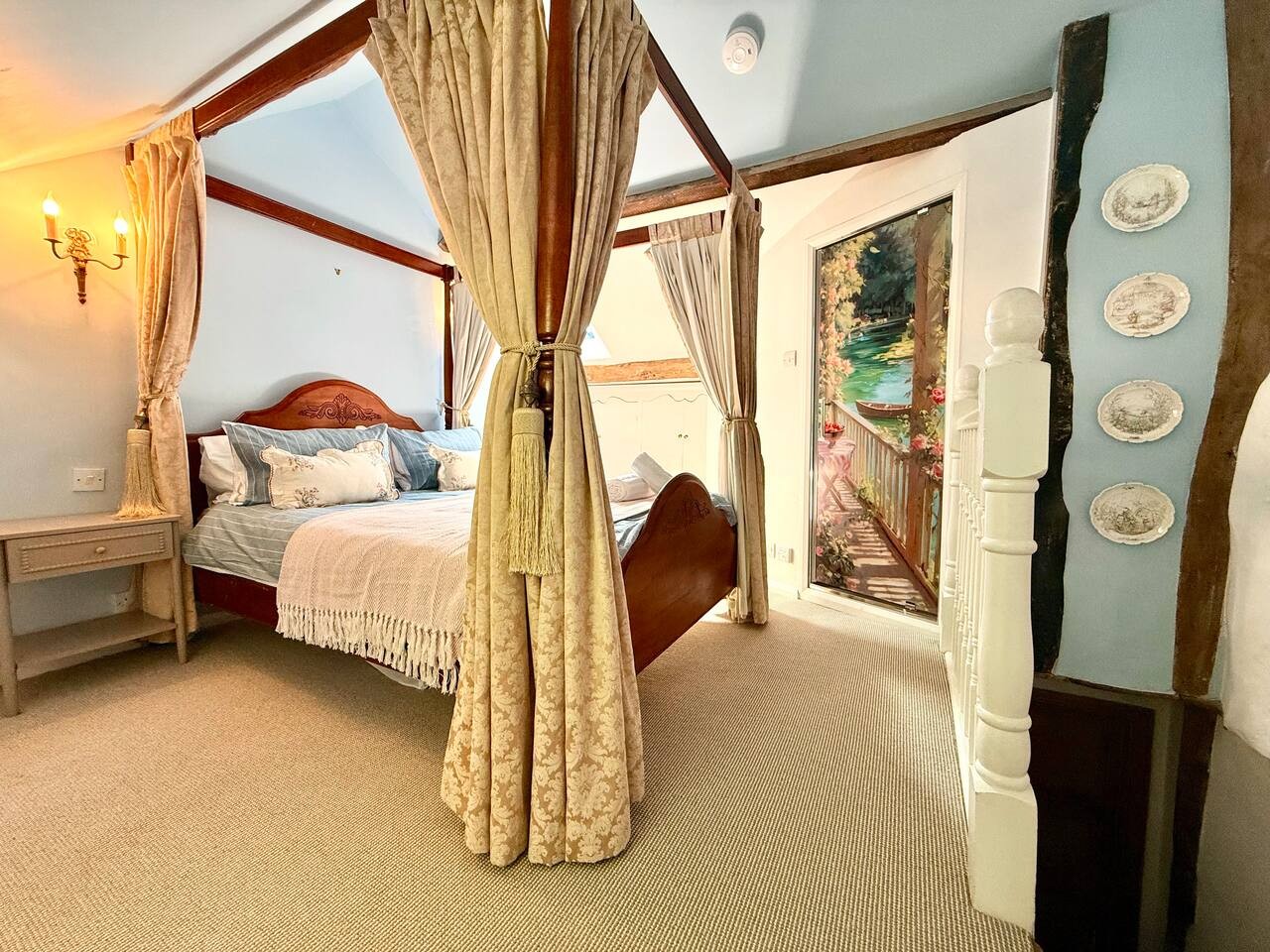
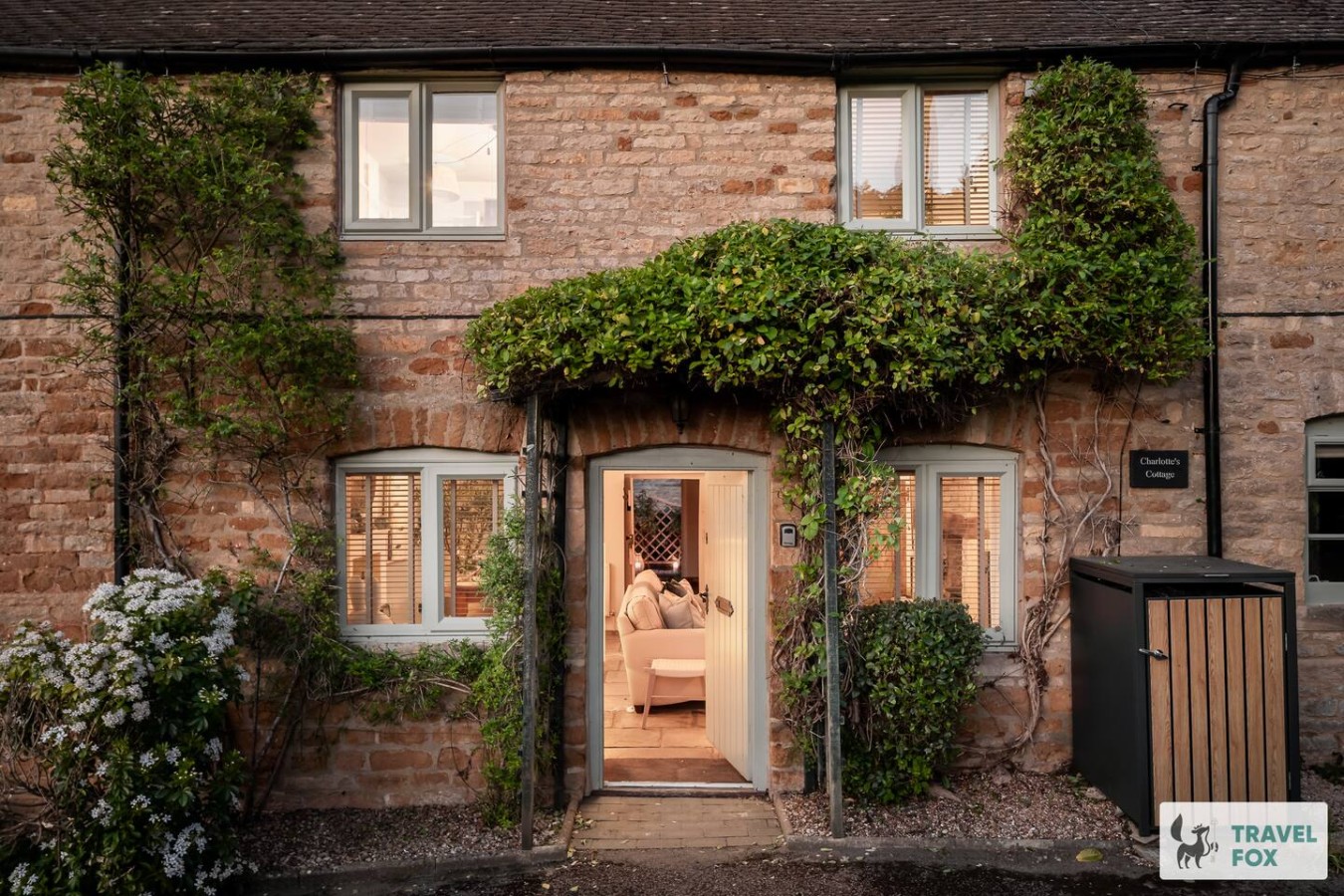
Travel Fox holiday homes around Cotswolds, linked directly to their property pages.
For homeowners
Own a holiday home near Coln St Aldwyns?
We manage holiday lets across the Cotswolds from 12% commission, charged after cleaning costs, with no lock-in. A co-founder visits before you decide.
Holiday let management in the Cotswolds →
A guide with a point of view
Written from research. Edited for real journeys.
Use the Official site links for live practical details, then use this guide for context, ideas and room to explore.
Sources
Every place on this page is checked against a published source. Each entry links the record we used and names who publishes it.
- The New Inn — thenewinncoln.co.uk other published source
- Coln Community Stores and Café Coln — colnstores.co.uk operator, sector body or destination organisation
- Church of St John the Baptist — historicengland.org.uk statutory register or public authority record not machine-readable; publisher restricts automated access
- Arlington Row — cotswolds-nl.org.uk other published source
- Bibury’s Saxon-rich church — historicengland.org.uk statutory register or public authority record not machine-readable; publisher restricts automated access