
Cotswold Heritage
Bibury
A winding valley of limestone cottages, ancient wool trade history, and the clear waters of the River Coln.
- Best for
- Photography and heritage walks
- Give it
- A slow morning to avoid the crowds
- Don't miss
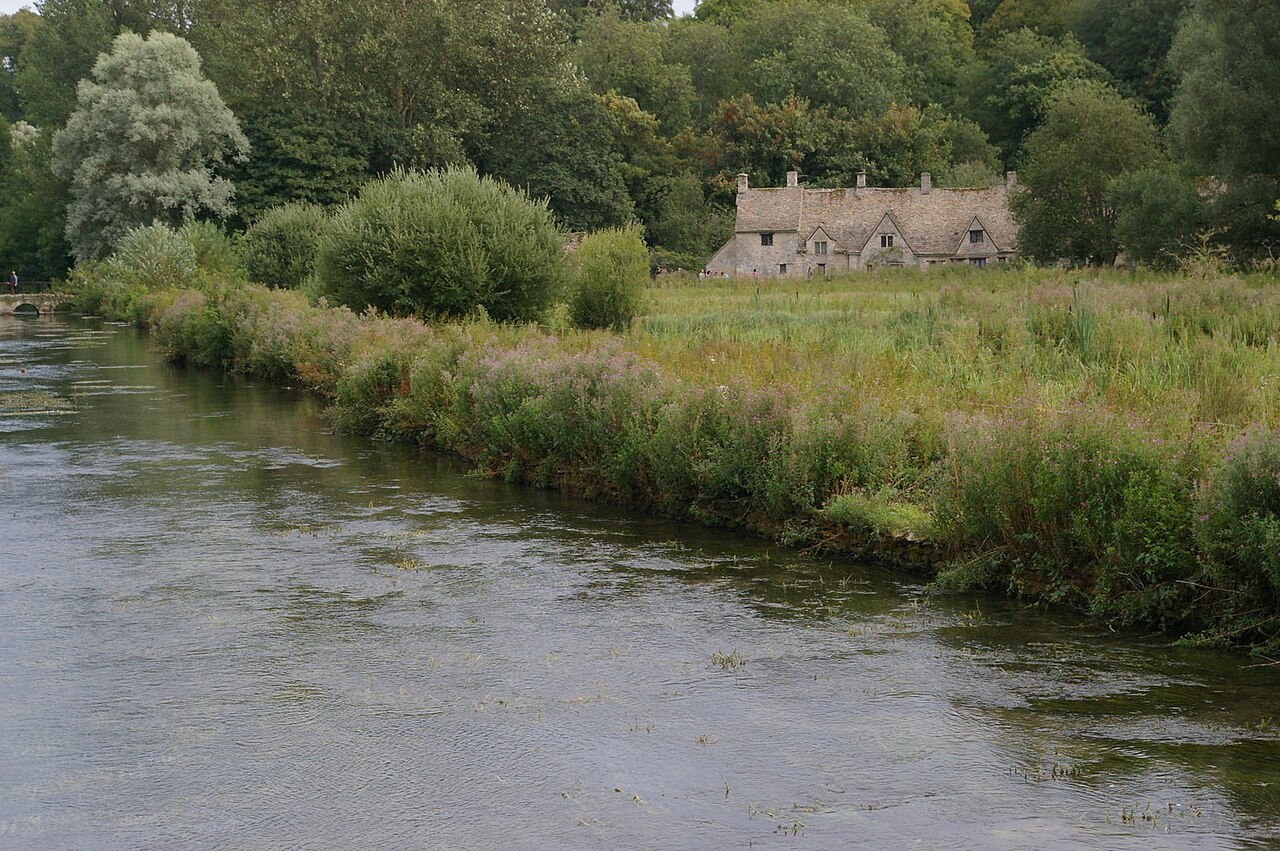
- The irregular roofline of Arlington Row
Photo: Christopher Hilton · CC BY-SA 2.0 · cropped
The Fox verdict
The quintessential English village
Bibury captures the romantic essence of the Cotswolds through its preserved medieval architecture and river-side meadows.
While famous for the postcard-perfect Arlington Row, the village offers deeper layers of history, from its Iron Age hillfort to the enduring legacy of the wool trade. Visitors can balance the popular sights with a visit to the working trout farm or a quiet moment in the Grade I listed St Mary's Church. The atmosphere is most rewarding when explored early or late, avoiding the peak afternoon rush of tourists.
Your picks, your pace
Make Bibury yours
Choose a mood or build your own list. Your saved stops are an ordering aid, with a direct map route when you are ready.
Local signatures
3 placesThe Catherine Wheel
A family-run Grade II listed free house serving local Bibury trout and cask ales in a traditional setting with open fires.
- Visit length
- Editorial estimate: around 90 minutes
- Locality
- The Street
The Swan
A historic hotel with a public bar and brasserie, featuring a riverside lawn with views of Swan Bridge.
- Visit length
- Editorial estimate: around 60 minutes
- Locality
- Riverside
- Access
- Dogs are welcome in the bar and garden, but not in the main restaurant.
Eleven Bibury
A restored complex housing a café and gallery selling local Gloucestershire crafts, including ceramics and textiles.
- Visit length
- Editorial estimate: around 60 minutes
- Locality
- Opposite Arlington Row
- Access
- The café and gallery are step-free; the terraced garden is not.
Walks & outdoors
1 place
Rack Isle
A water meadow once used for drying wool, now a habitat for water voles, marsh orchids, and flag irises.
- Visit length
- Editorial estimate: around 30 minutes
- Locality
- Opposite Arlington Row
- Access
- Dogs must be kept on leads to protect the habitat.
History & heritage
1 place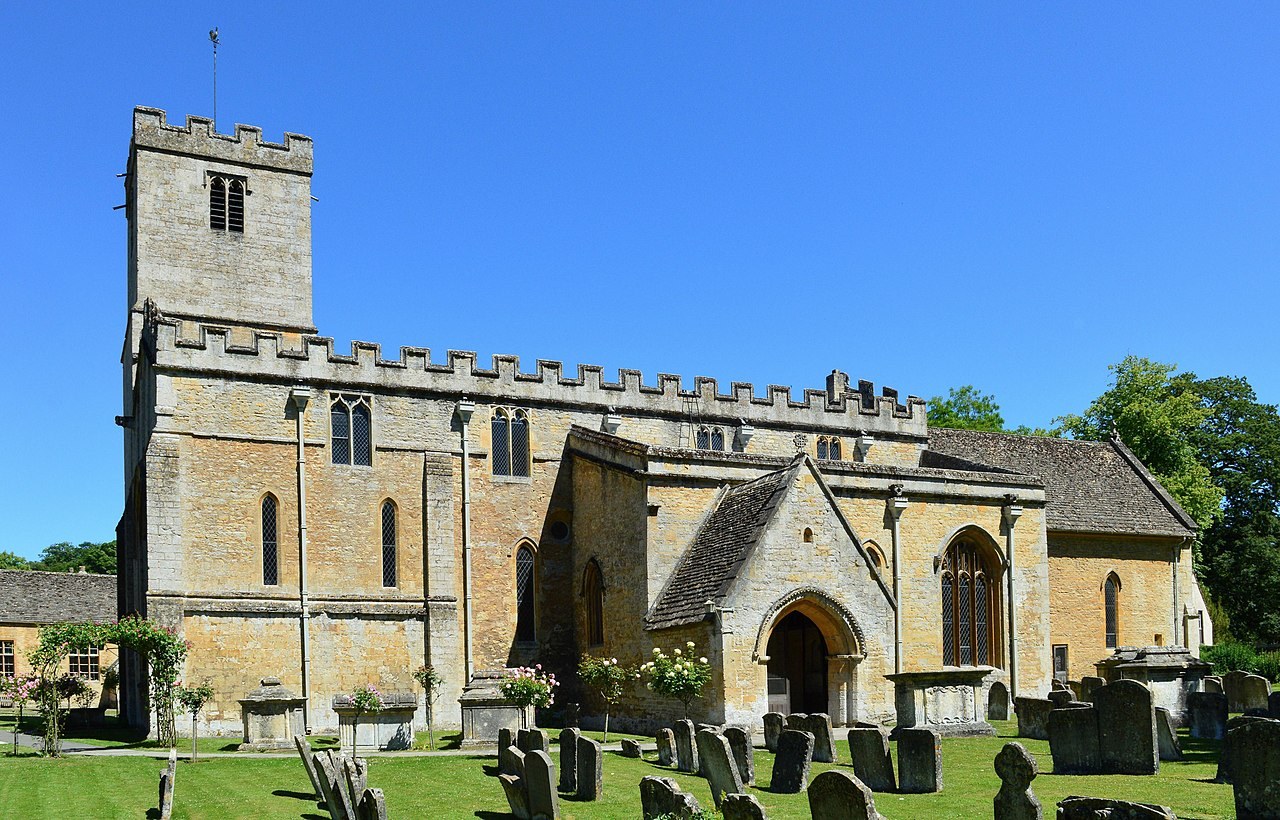
St Mary's Church
A Grade I listed church featuring Norman doorways, a 13th-century font, and a vivid 1927 stained-glass window of the Virgin and Child.
- Visit length
- Editorial estimate: around 60 minutes
- Locality
- Set back from the river
Things to do
1 place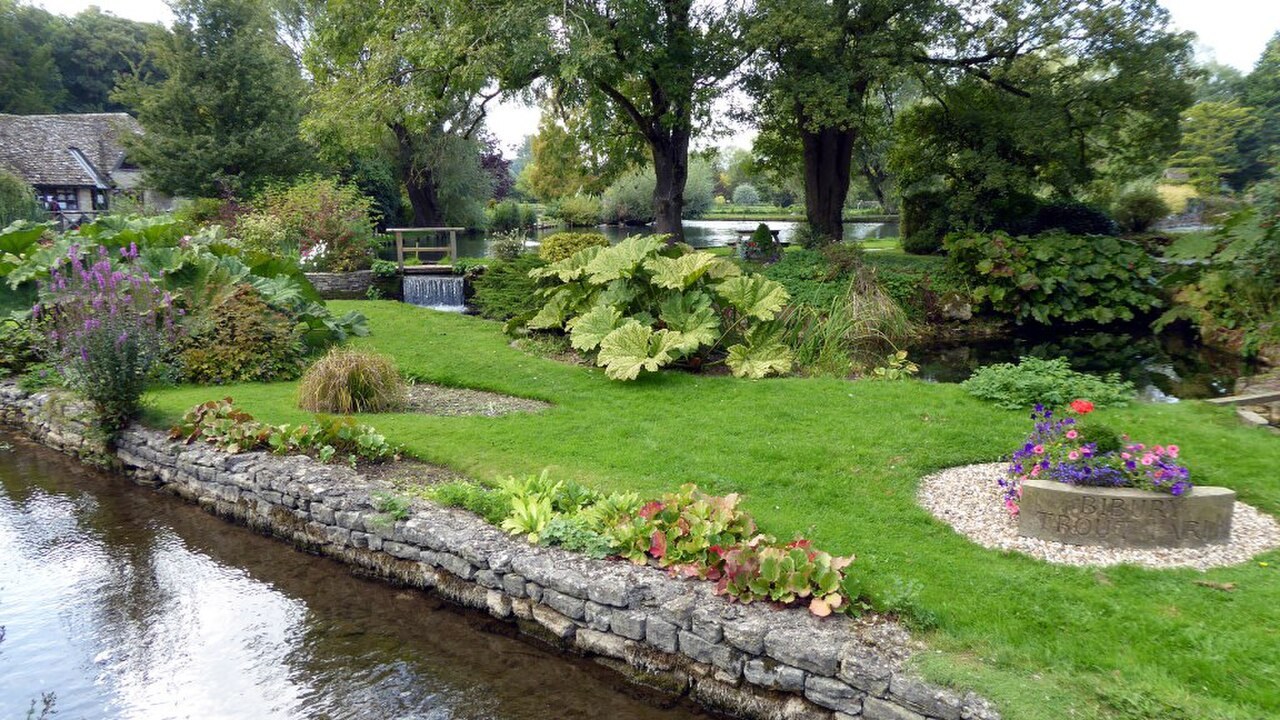
Bibury Trout Farm
England's oldest working trout farm, offering fish feeding, catch-and-barbecue fishing, crazy golf, and a trout-focused café.
- Visit length
- Editorial estimate: around 120 minutes
- Locality
- Beside the Coln
- Access
- Admission is charged separately from the village.
No places match this filter. Choose All places to reset the list.
On the map
Bibury at a glance
Tap a marker to jump to its guide card.
Three ways to explore Bibury
Signature outings
Circle Rack Isle
Cross the narrow bridge around the water meadow where washed wool was once dried on wooden racks.
Visit the Trout Farm
Experience England's oldest working trout farm by feeding the rainbow and brown trout beside the Coln.
Explore St Mary's
Discover Norman architecture and a vivid 1927 stained-glass window in this Grade I listed church.
The village story
Bibury Village Guide
A journey through the winding valley of the River Coln, where medieval wool trade and natural beauty converge.
The Iconic River Scene
Nine cottages stand in a line along the far bank of the River Coln, their steep stone roofs rising and dipping at slightly different heights, gable interrupting gable. This is Arlington Row, built around 1380 as a monastic wool store and converted in the seventeenth century into weavers' homes. They are still homes. People live behind the small windows, and their gardens run down to the water. Two of the nine, Nos. 1 and 9, are holiday cottages you can book; the rest are private, and there is no way inside any of them. What you get from the outside, standing on the level tarmac path that runs in front, is the roofline itself — a raised-cruck timber frame whose weakened trusses and later gables have left no two bays aligned.
Opposite the row lies Rack Isle, a water meadow. Its name comes from the wooden racks once set up here to dry wool after washing. It is wet, rough ground: water voles live in the banks, and in spring the meadow carries marsh marigolds, flag irises and marsh orchids. A narrow bridge crosses it, and dogs should be on leads, because the ground is a habitat rather than a lawn.
The village has one pub in the ordinary sense. The Catherine Wheel is a family-run free house, kept by Jeremy and Joanne since 2009, with open fires, a large garden and cask ale that changes through the year. The kitchen cooks whole roasted Bibury trout with a parsley-and-lemon crumb and a bean stew, and also does chicken-liver-and-brandy pâté, Thai salmon and cod fishcakes, a panko goat's cheese salad, steak and red-wine pie, slow-cooked shin-beef lasagne, smoked Applewood macaroni cheese, Gloucestershire Old Spot sausages and stone-baked sourdough pizzas. There is a burger made with local beef, and sticky toffee pudding to finish. The building is Grade II listed; its own tradition calls it a fifteenth-century cooper's building that became a pub in 1755, though the listed record dates the surviving structure to the early seventeenth century and describes it as a former house.
The other place to drink is the Swan, a hotel rather than a pub but one that keeps a public bar and brasserie. The bar has armchairs, a log fire and antler chandeliers; the garden runs down to the river with a lawn and views towards Swan Bridge, and food and drink are served outside. Dogs are welcome in the bar and garden but not in the main restaurant. The kitchen builds British seasonal cooking around Cotswold produce, including the local Bibury trout, and serves an afternoon tea of fruit scones, clotted cream and strawberry jam. About twenty metres north-west of the hotel stands the village lock-up, a small hexagonal stone cell of the late eighteenth century, listed in its own right; the Swan served historically as both inn and courthouse, and the lock-up is its neighbour.
Dining and Local Flavours
Across from Arlington Row is Eleven Bibury, a café and gallery shop that Lady Anne Evans created after a four-year restoration of a group of old village buildings. The head chef is Lee Ward, and the kitchen cooks on site: Green Eggs, a full English, monkey bread, Severn & Wye smoked salmon, Loch Duart salmon, Brixham cod, lamb shoulder, beef-brisket hash and flat-iron chicken, alongside lighter things like a coronation-chicken sandwich, a smoked-salmon multigrain bagel, pea and spinach soup and a paprika and sweet-potato salad. The eggs are Cacklebean. There is an Arlington Afternoon Tea, a British cheeseboard, Salt Pig charcuterie, a vegetable-led Garden Trug and a carrot, cardamom and pistachio cake. The gallery sells ceramics, textiles, homeware and books chosen by Lady Anne, drawing on the Gloucestershire Guild of Craftsmen — among them glass by Louise and Colin Hawkins of Loco Glass in Cirencester. Dogs are welcome. The café, gallery and toilet are on the level and step-free; the terraced garden behind them is not.
Eleven also ran the village Post Office until July 2026, when Lady Anne closed the counter. She had been covering its losses, parking was difficult, and no trainee postmaster could be found. Stamps are still sold, but there is no longer a postal counter in Bibury.
A major draw in the village is the Bibury Trout Farm, founded in 1902 and still rearing thousands of rainbow and brown trout beside the Coln. You can feed the fish, catch your own, and barbecue what you catch on site; there is crazy golf, a children's trail and a small play area. The farm's café turns the fish into a wide menu — freshly baked whole trout with tartare sauce, trout fillet with greens, a smoked-trout trio of pâté and cold- and hot-smoked fish, trout linguine, trout chowder, crispy trout bites, a trout Croque Monsieur, eggs Benedict with house-smoked trout, and, for anyone who has reached their limit of trout, a Bibury beef burger, a wild-mushroom risotto and truffled mushrooms on toast. Meat comes from Jesse Smith, eggs from Cacklebean and bread from Mark's Bakery. The shop and fish counter sell marinated fillets, whole gutted trout, smoked-trout fishcakes, quiches, pies and pâté, next to local honey, fudge, Poulton Hill Estate wine and Arlington Row prints.
Family Fun and the Trout Farm
The people who run the farm have been there a long time. The general manager, Angus, joined in April 2021 and is usually accompanied by his Lakeland terrier, Fig; Emily, the sales manager, has a dog called Ozzy; Dave, the fisheries manager, first worked here in the school holidays of 1975; Steve, the production manager, joined in 1998 and sells the farm's trout at markets. Admission to the farm is charged separately from the rest of the village, which costs nothing to walk through.
The shortest walk is the one everyone does: the flat path in front of Arlington Row and over the bridge around Rack Isle, quick if you don't stop and much longer if you do. For a proper morning, the Bibury and River Coln route is a four-mile circular from Swan Bridge, stile-free but not surfaced throughout, with about 110 metres of climb; it takes in the river valley, woodland, meadow, a stretch of the Roman Akeman Street and a hidden dewpond. A longer six-mile route runs from the church to Coln St Aldwyns, alternating the intimate valley with higher ground and passing the New Inn at the far end. Somewhere on the edge of the village is Packhorse Lane, a sunken hollow-way whose enclosed, worn-down character feels older than almost anything built above it.
Bibury sits on the B4425 between Cirencester and Burford; parking is limited to a little free roadside space on The Street and a small free car park opposite the trout farm, with the farm running its own paid parking beside it. Space is tight, and an easy afternoon spot should not be assumed. The Pulhams 855 bus links Bibury with Cirencester, Northleach and Bourton-on-the-Water from Monday to Saturday, with nothing on Sundays or public holidays; the nearest railway station is Kemble, about fourteen miles off, which means a taxi or a further bus at the end. National Cycle Route 48 passes close by.
Walking the Cotswold Landscape
Set back from the river, St Mary's is older than it looks from the churchyard gate. It is Grade I listed and holds work from the mid-to-late eleventh century, enlarged around 1200 and altered through the fourteenth and fifteenth centuries before Sir George Gilbert Scott restored it in 1863. The south doorway is Norman; the north doorway is transitional work of about 1180; the square font, carved with arches, is early thirteenth century. A ten-bay tie-beam roof runs the length of the nave. The glass spans centuries, from medieval fragments to a north chancel window designed by Karl Parsons in 1927 — a full-frontal Virgin and Child in vivid blue and red, made after Parsons had been to see Chartres, and later reproduced on a 1992 Royal Mail Christmas stamp. The churchyard rewards slowing down for: it keeps an unusual number of seventeenth- and eighteenth-century table tombs, several with rounded bale tops and carved cherubs.
Bibury is old on paper as well as in stone. The Domesday commissioners recorded it in 1086 with two mills worth seventeen shillings and ten acres of meadow, and valued the whole holding at eighteen pounds — the same figure it had been worth twenty years earlier, held then under the Bishop of Worcester. The settlement is older still: a local tradition traces the name to Beage, a woman granted land here with her father, Earl Leppa, around AD 800, which would make Bibury "Beaga's enclosure." Above the valley sits Rawbarrow, an Iron Age hillfort of about eight acres, and a Roman villa once stood east of Court Farm, first noted in 1670.
The wool trade shaped much of what you see. Arlington Mill combined corn milling and fulling, Rack Isle dried the washed fleeces, and the cottages of Arlington Row housed the weaving. A steam engine went into Arlington Mill in 1859 and left its iron columns behind; the mill ground corn until 1913, and Bibury Mill worked into the 1920s. Arlington Mill became a folk museum after David Verey restored it in the mid-1960s, and is now a private house. So is Bibury Court, the Grade I great house with a 1633 range built for Sir Thomas Sackville, which spent years as a hotel before returning to private hands.
Faith, History and Ancient Roots
Bibury has been admired in print for a long time, and the admiration has occasionally turned into trouble. For twenty-five years from 1800 the village lent its name to the Bibury Club, an exclusive racing society whose second member and patron was the Prince of Wales, later George IV; races were run near Aldsworth, villagers let out their rooms, and shopkeepers reportedly slept under their own counters while the rooms above them were taken. In 1928 the Royal Society of Arts bought Arlington Row, which is the reason it is still here: Henry Ford had wanted to take it apart and rebuild it in the United States. The trout farm remembers a visit from the future Emperor Hirohito, then a prince, which it credits with much of Bibury's later popularity among Japanese visitors. William Morris knew the village in the late nineteenth century and left it a sentence it has never shaken off: "Bibury is surely the most beautiful village in England, lying down in the winding valley beside the clear Coln." The film Stardust was later shot here.
For a change of scale, Cirencester is about seven miles away, with the Corinium Museum and its Roman collection, and a far wider run of shops than Bibury keeps. Burford lies roughly ten miles west along the B4425, a larger town on a sloping high street, and Chedworth Roman Villa, a National Trust site elsewhere in the Cotswolds, turns the region's fragmentary Roman archaeology into a walkable villa complex. Closer to home, the village cricket club plays at Lady Hill and runs junior sessions; a parish account remembers Bob Willis bringing Warwickshire here for a testimonial in 1981, when he was out for a duck but took four wickets for five runs and his side won anyway.
Two things are worth knowing before you come. The central river scene fills up on warm afternoons — the conservation people list the parked cars among the things spoiling the view — so early or late is kinder to both the photographs and the standing room. And on Boxing Day the village tips rubber ducks into the Coln beside the Swan and races them downstream, a tradition the trout farm sponsors. Grown adults stand on the bridge in coats, watching plastic ducks bob past the weavers' cottages.
Stay around Cotswolds
Make a longer stay of it
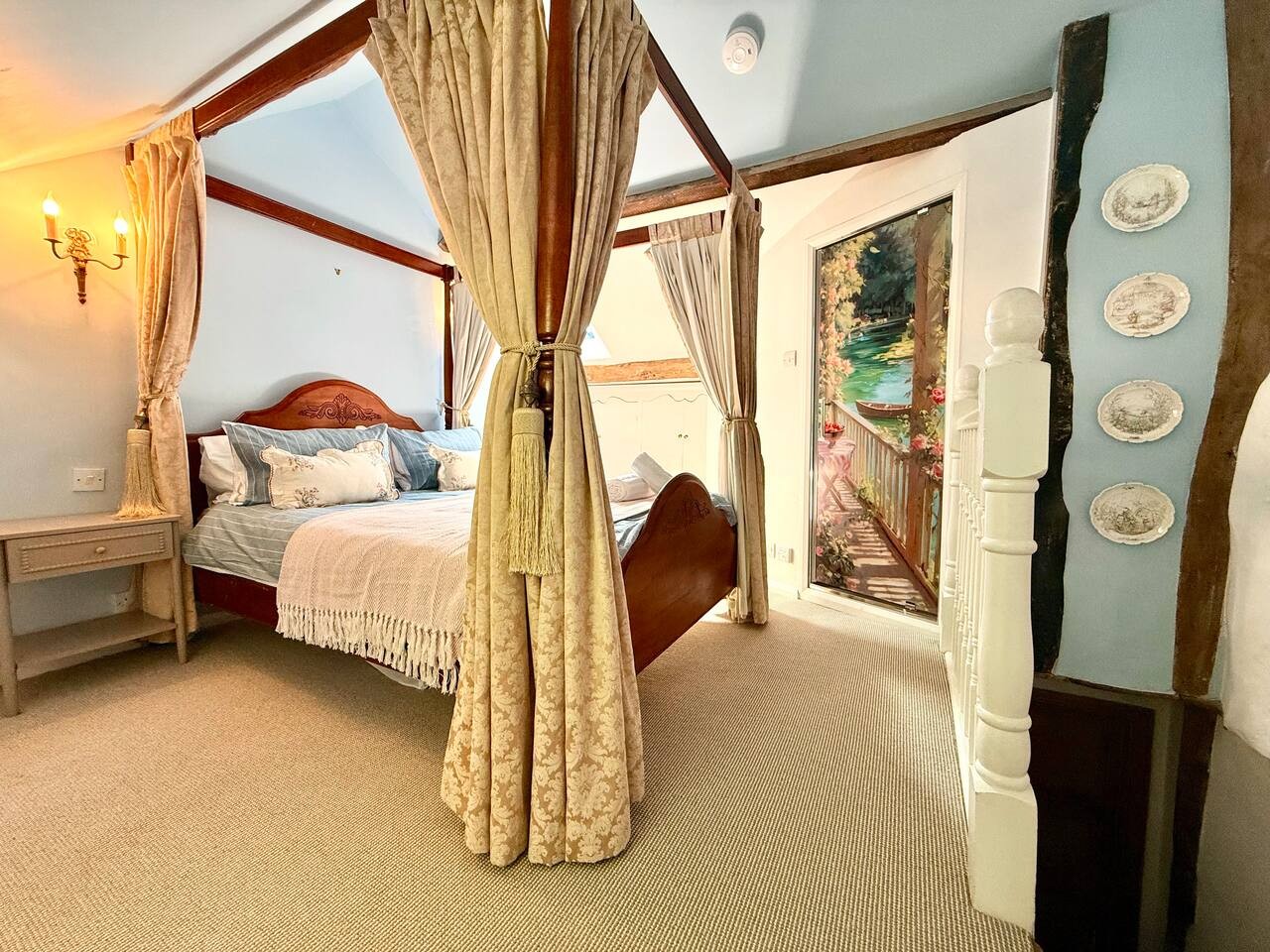
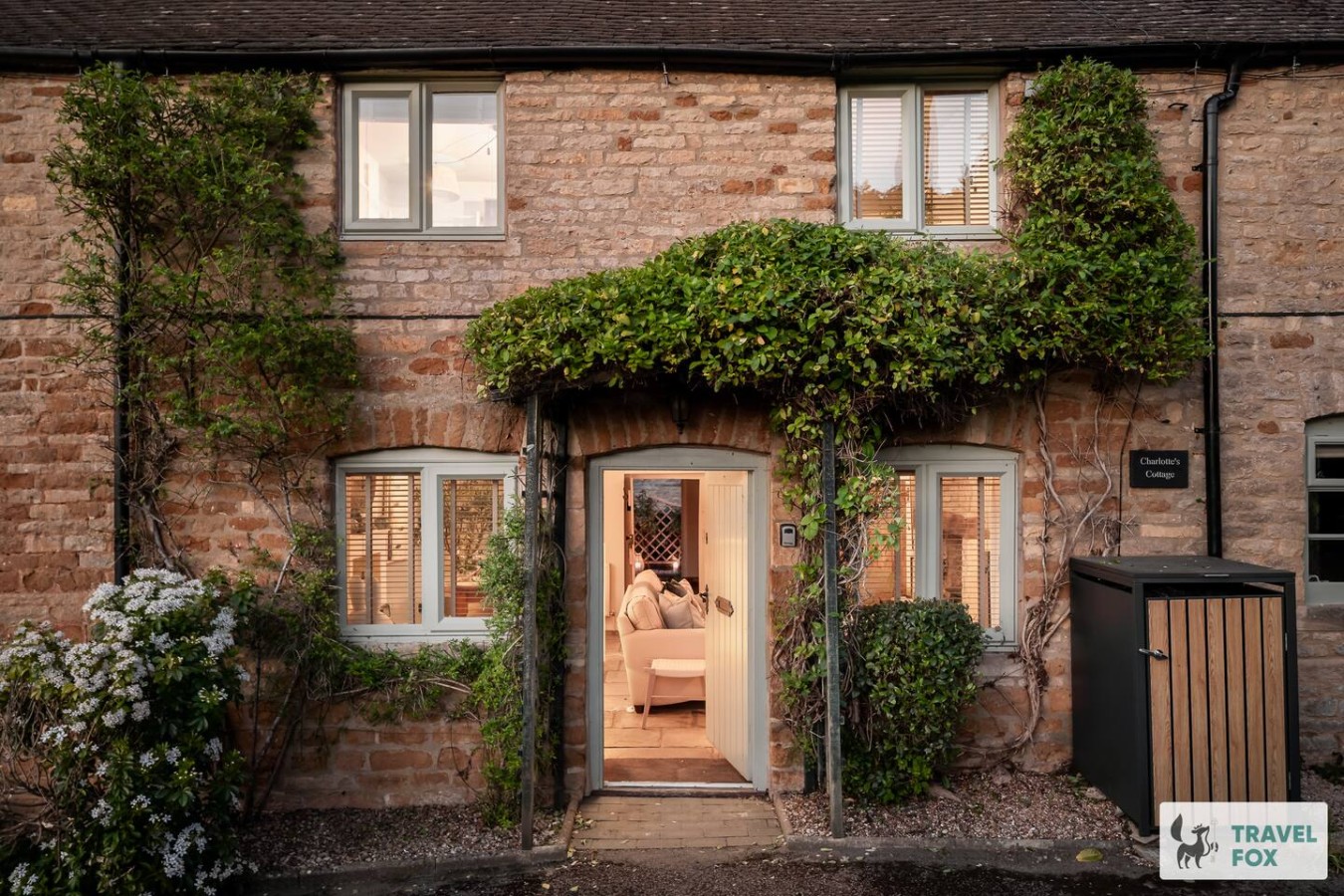
Travel Fox holiday homes around Cotswolds, linked directly to their property pages.
For homeowners
Own a holiday home near Bibury?
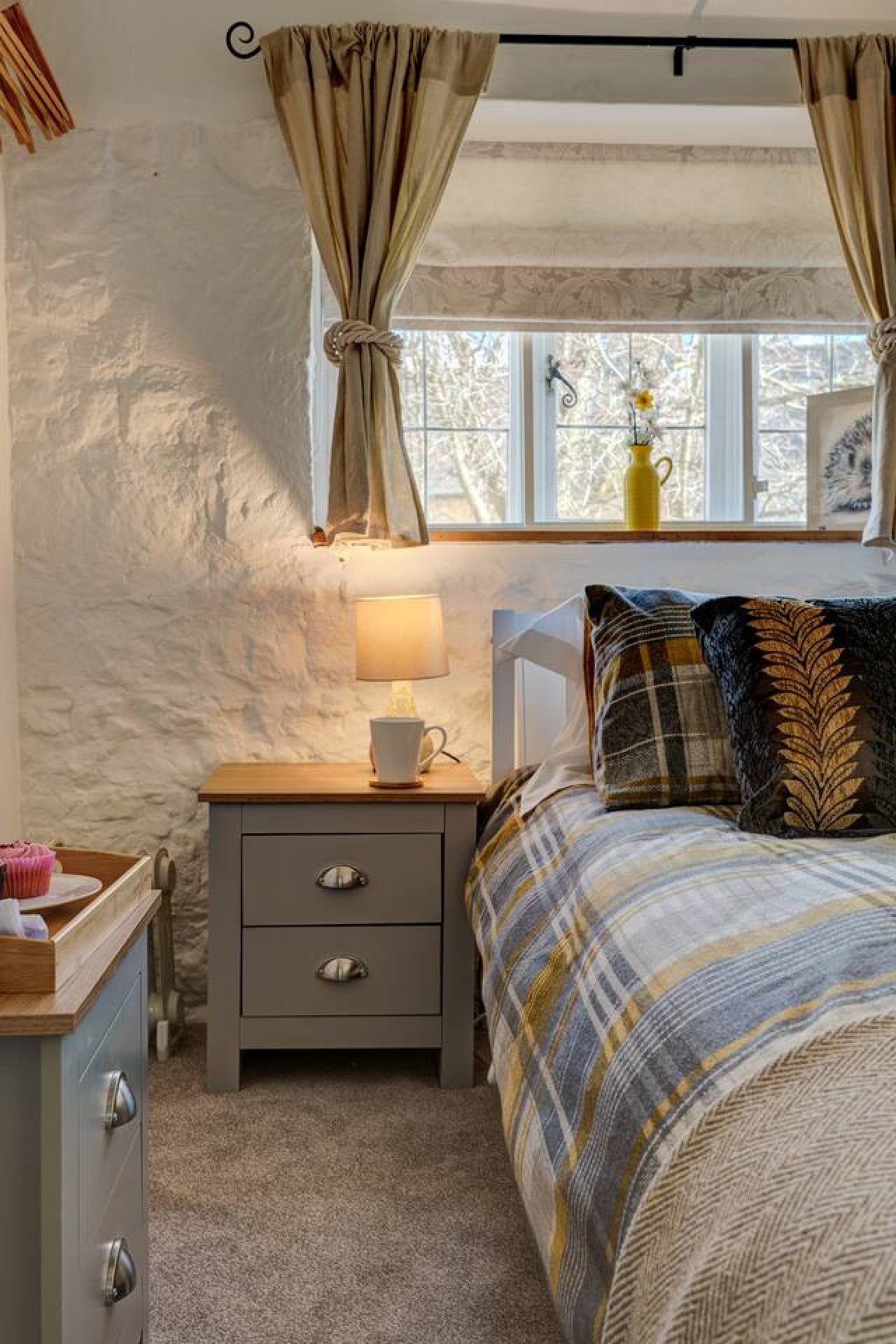
We manage holiday lets across the Cotswolds from 12% commission, charged after cleaning costs, with no lock-in. A co-founder visits before you decide.
Holiday let management in the Cotswolds →
A guide with a point of view
Written from research. Edited for real journeys.
Use the Official site links for live practical details, then use this guide for context, ideas and room to explore.
Photography credits & licences
Third-party photographs are credited to their named creators and reused under the linked Creative Commons licence or public-domain dedication. Travel Fox stores an optimised local copy; the file-specific changes and any browser-applied display crop are disclosed below. Reused photographs link both to the Wikimedia Commons source record and to the declared source image; Travel Fox's own photographs carry no such record and are marked as ours. These image licences do not cover Travel Fox text, branding or page design.
- File:Bibury, cottages on Arlington Row, seen across the meadows on Rack Isle - geograph.org.uk - 4137652.jpg — photograph by Christopher Hilton; Bibury: cottages on Arlington Row, seen across the meadows on Rack Isle by Christopher Hilton. Source record on Wikimedia Commons. Declared source image. Licence: CC BY-SA 2.0. File changes: Downloaded from Wikimedia Commons, resized to a maximum 1920px edge and encoded as an optimised JPEG. Display changes: Displayed with responsive CSS cropping.
- File:Bibury Trout Farm - geograph.org.uk - 4194713.jpg — photograph by Roger Gittins; Bibury Trout Farm by Roger Gittins. Source record on Wikimedia Commons. Declared source image. Licence: CC BY-SA 2.0. File changes: Downloaded from Wikimedia Commons, resized to a maximum 1920px edge and encoded as an optimised JPEG. Display changes: Displayed with responsive CSS cropping.
- File:Church of St Mary, Bibury, Gloucestershire (geograph 4645053).jpg — photograph by Oswald Bertram; Oswald Bertram. Source record on Wikimedia Commons. Declared source image. Licence: CC BY-SA 2.0. File changes: Downloaded from Wikimedia Commons, resized to a maximum 1920px edge and encoded as an optimised JPEG. Display changes: Displayed with responsive CSS cropping.