
Food, gardens and old stone
Barnsley
A compact Cotswold-stone village with destination dining, Rosemary Verey's formal garden and a church whose fabric reaches back to the twelfth century.
- Best for
- Food, garden design and church architecture
- Give it
- An unhurried half day
- Don't miss
- The Long Vista and Frog Fountain
The Fox verdict
A small village with unusually strong food and garden stories
Barnsley pairs two destination dining choices with Rosemary Verey's Grade II* garden and a richly layered parish church.
The Village Pub brings oak beams, open fires and a traditional-food focus, while THE PIG cooks a changing 25 Mile Menu from its kitchen garden and small Cotswold producers. The formal garden around Barnsley House and the surviving Norman, thirteenth-, fourteenth- and fifteenth-century work at St Mary's give the visit its historical depth.
Where to go
Places in Barnsley
Every place below is checked against a published source, listed with what it is and how long to give it.
Local signatures
3 placesTHE PIG-in the Cotswolds
A destination hotel restaurant serving a changing 25 Mile Menu based on its kitchen garden and small Cotswold producers, with the dining room overlooking Rosemary Verey's formal garden.
- Visit length
- Editorial estimate: Allow around 90 minutes
- Locality
- The former Barnsley House
- Access
- Non-residents can book the restaurant.
Barnsley House Gardens
Rosemary and David Verey's approximately one-hectare Grade II* garden, with a knot garden, potager, Lime Walk, Long Vista, Frog Fountain, classical temple and Gothick summerhouse.
- Visit length
- Editorial estimate: Allow around 60 minutes
- Locality
- Around Barnsley House
The Organic Farm Shop, Abbey Home Farm
An organic farm shop with an attached cafe at Abbey Home Farm.
- Visit length
- Editorial estimate: Allow around 60 minutes
- Locality
- Burford Road/B4425
- Access
- The venue is largely wheelchair accessible and welcomes assistance dogs, but not other dogs around the shop, cafe or gardens.
Food & drink
1 placeThe Village Pub
A country inn with oak beams, open fires, six bedrooms, traditional food, local gravity-fed ales and a garden used for summer acoustic music and barbecues.
- Visit length
- Editorial estimate: Allow around 90 minutes
- Locality
- Barnsley
- Access
- Dogs are reported welcome in the bar, with indoor restrictions, but the pub's own site does not publish a policy, so reconfirm before visiting.
History & heritage
1 placeChurch of St Mary
A twelfth-century foundation altered in every succeeding century, retaining Norman corbel tables and capitals, a thirteenth-century chancel arch, a fourteenth-century roof and a late-fifteenth-century north aisle.
- Visit length
- Editorial estimate: Allow around 45 minutes
- Locality
- Barnsley, Gloucestershire
No places match this filter. Choose All places to reset the list.
Three ways to explore Barnsley
Signature outings
Rosemary Verey's Garden
Trace the Long Vista to Simon Verity's 1971 Frog Fountain, with its frogs carved by Judith Verity.
The Village Pub
Choose traditional food and local gravity-fed ales in a country inn with oak beams and open fires.
Centuries at St Mary's
Look for surviving Norman corbel tables and capitals alongside later medieval work.
The village story
Barnsley Village Guide
Food-led hospitality, a celebrated formal garden and layers of parish history in a compact Cotswold-stone village.
The Pub and THE PIG
The Village Pub has oak beams, open fires and six bedrooms above the pub, and has long been a food destination in Barnsley. The kitchen keeps to traditional food done properly: monkfish scampi with tartare sauce, peppered venison carpaccio, a honey-and-mustard-glazed ham hock to share with duck egg and chips, smoked halloumi with chilli jam, and sticky toffee pudding to finish. On Sundays there is a lamb-shoulder roast with mint sauce. The ales are local and gravity-fed, with Tom Long from Stroud Brewery and Gloucester Gold from Arkell's on the list. Dogs are welcome, though it is worth checking the indoor rules when you book. In summer the garden runs acoustic music and barbecues, and there is a sheltered courtyard round the back for the days the Cotswold weather cannot decide.
Across the village is THE PIG-in the Cotswolds, which now runs the pub as its informal counterpart. It occupies the former Barnsley House and cooks from a changing 25 Mile Menu built on its own kitchen garden and small local producers: whipped cod's roe with crispbread, Jesse Smith's pork belly with parsley-and-apple salad, chilled garden beetroot soup, whole Bibury trout with herb butter and a gooseberry-and-fennel slaw, and a gardener's summer vegetable risotto. Children get their own menu of sausage, chips and beans, fish of the day, pasta, or grilled chicken. Non-residents can book a table, and the dining room looks straight out onto the formal garden.
Rosemary Verey's Garden and the Farm Shop
That garden is the reason a lot of people come. Rosemary Verey and her husband David, an architectural historian, laid it out from the 1950s, and it became well enough known that Historic England now describes her as an influential plantswoman, writer and designer. It is registered Grade II*, about a hectare, and stitched together from a knot garden, a potager, a Lime Walk and a Long Vista that ends at the Frog Fountain, carved by Simon Verity in 1971 with the frogs done by Judith Verity. There is a classical temple moved here from Fairford Park in 1962-63, and an eighteenth-century Gothick summerhouse. Verey also founded the Barnsley Village Festival, which opens private gardens to raise money for the village and still runs in May.
For food from a basket rather than a plate, the Organic Farm Shop at Abbey Home Farm sits a short way out on the Burford Road, with a café attached. It is largely wheelchair accessible and takes assistance dogs, though not other dogs around the shop and gardens.
St Mary's and Barnsley's Deep History
The Church of St Mary has been altered in almost every century since the twelfth, and the layers show. Norman corbel tables survive along the walls, the chancel arch is thirteenth-century, the chancel roof is a fourteenth-century construction of trussed rafters, and the north aisle is late fifteenth. Inside there is an Early English piscina, dog-tooth moulding, a set of Norman capitals each carved differently, and monuments to the Bourchier family, who held the manor from the sixteenth century. Before them the manor had passed through the jointure of every one of Henry VIII's wives; when Catherine Parr died in 1548 it came to Anthony Bourchier.
The land here has been worked for a very long time. A Roman villa and its fields lie in Barnsley Park, its main house and bath suite built around AD 350-360. The Domesday surveyors recorded two mills and ten acres of meadow, and valued the manor at eighteen pounds in 1066 and the same eighteen pounds twenty years later.
Walking, Connections and the Long Vista
The walking is gentle. The Barnsley Circular is a 2.8-mile loop over rolling farmland and wildflower meadows, with brown hares if you are early and quiet. A longer route runs north through Barnsley Park to Winson, drops to the River Coln at Ablington and comes back south, roughly six and three-quarter miles of stone stiles and parkland. Cirencester is about four miles down the road for a market town and buses; the 855 links the village to Bibury and Bourton, and Kemble station is the nearest train.
Come at dusk and the stone goes the colour of weak tea, the Long Vista running down to the Frog Fountain at its end.
Stay around Cotswolds
Make a longer stay of it
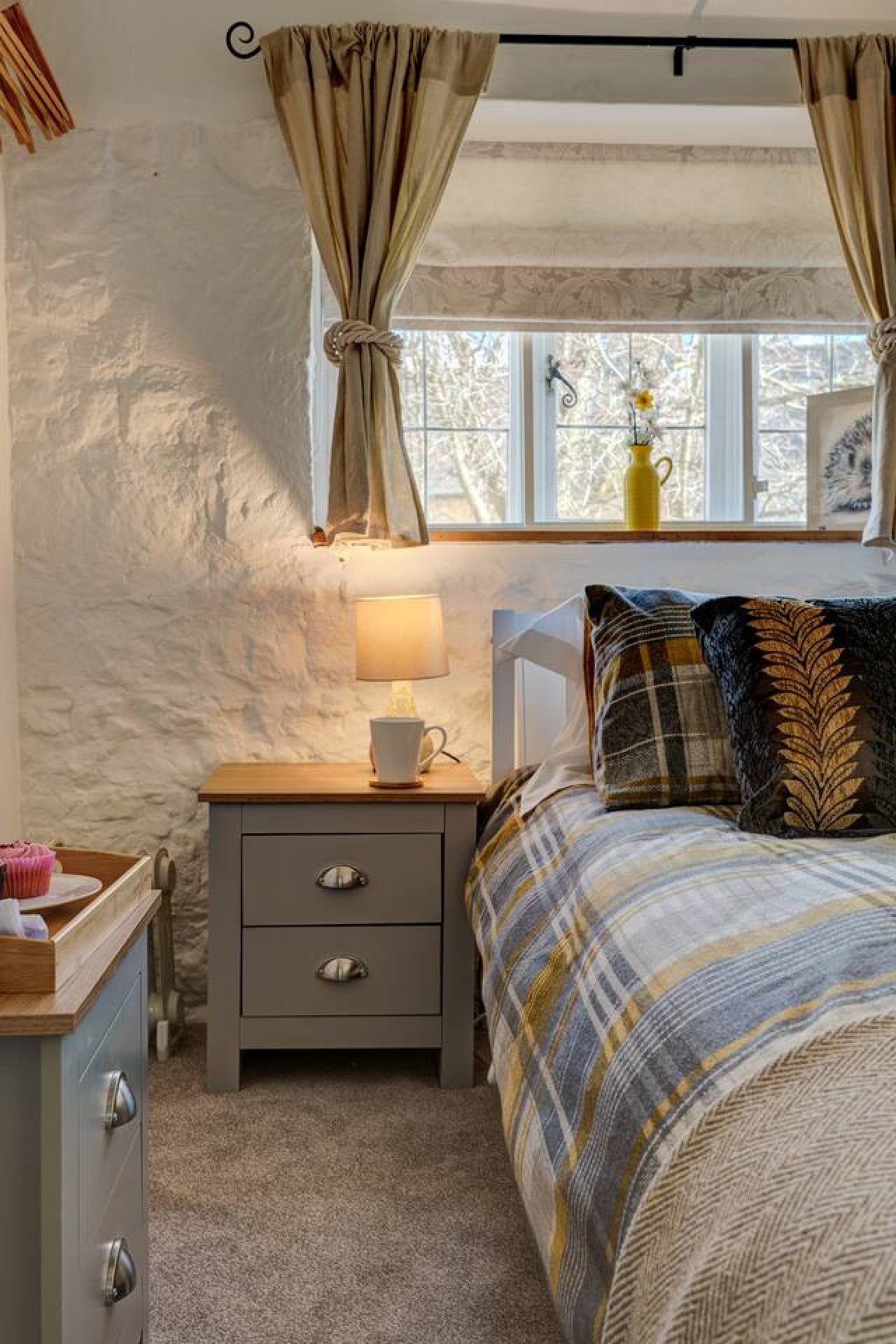
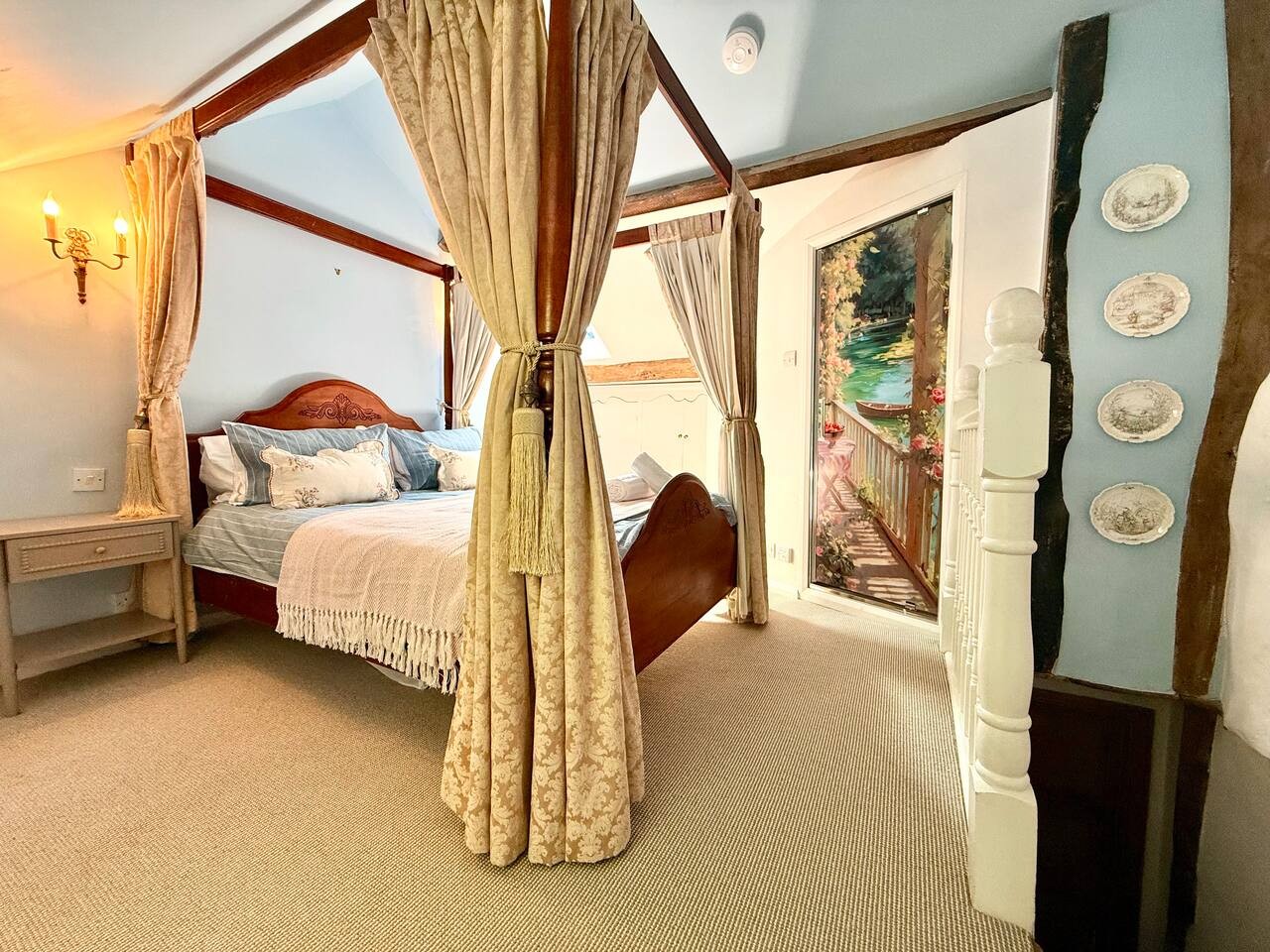
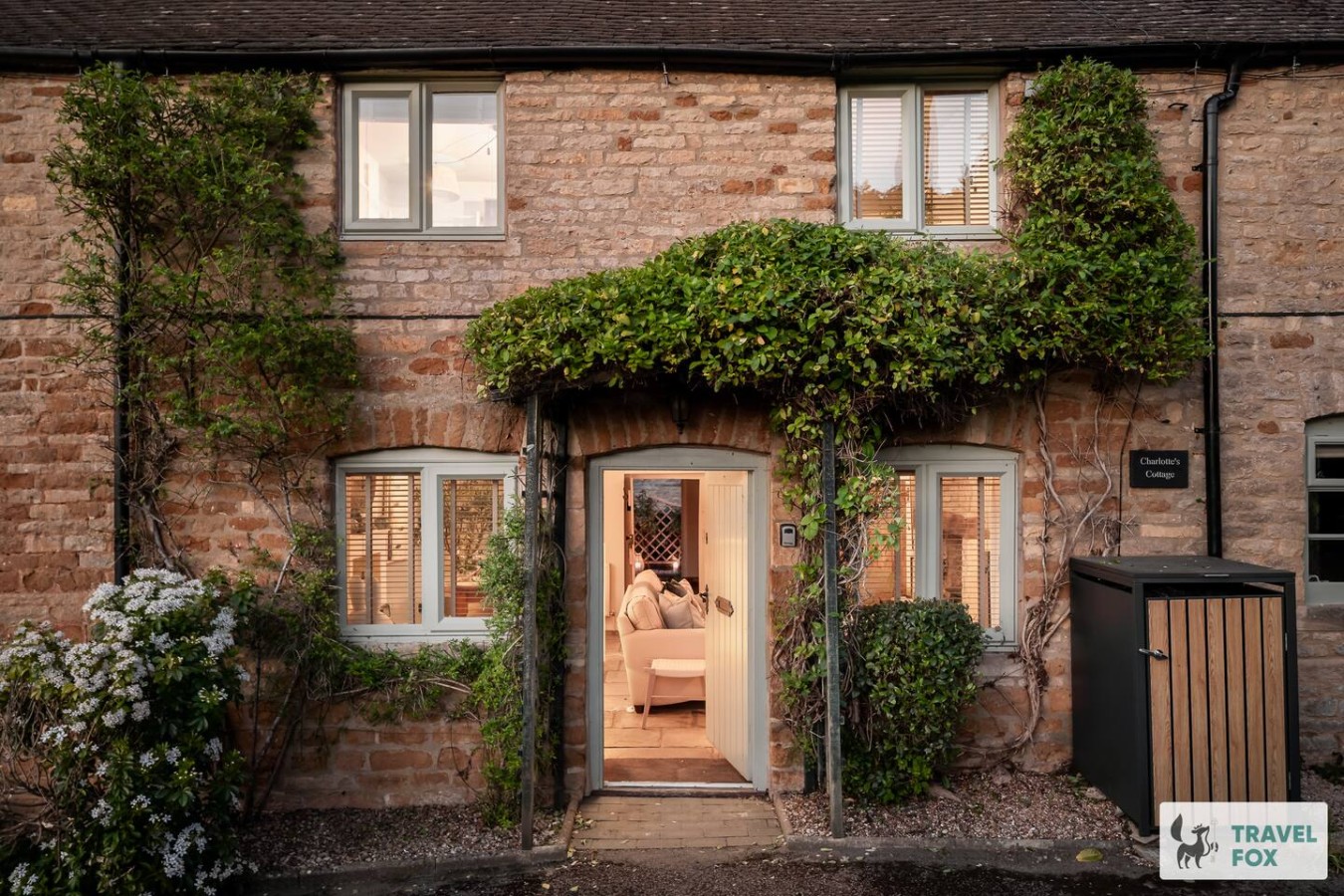
Travel Fox holiday homes around Cotswolds, linked directly to their property pages.
For homeowners
Own a holiday home near Barnsley?
We manage holiday lets across the Cotswolds from 12% commission, charged after cleaning costs, with no lock-in. A co-founder visits before you decide.
Holiday let management in the Cotswolds →
A guide with a point of view
Written from research. Edited for real journeys.
Use the Official site links for live practical details, then use this guide for context, ideas and room to explore.
Sources
Every place on this page is checked against a published source. Each entry links the record we used and names who publishes it.
- The Village Pub — thevillagepub.co.uk operator, sector body or destination organisation
- THE PIG-in the Cotswolds — ratings.food.gov.uk statutory register or public authority
- Barnsley House Gardens — historicengland.org.uk statutory register or public authority record not machine-readable; publisher restricts automated access
- The Organic Farm Shop, Abbey Home Farm — theorganicfarmshop.co.uk operator, sector body or destination organisation
- Church of St Mary — historicengland.org.uk statutory register or public authority record not machine-readable; publisher restricts automated access