
The Capital of the Cotswolds
Cirencester
A working market town of golden limestone, where Roman ruins and medieval wool wealth meet a vibrant independent high street.
- Best for
- Roman history and independent shopping
- Give it
- A full weekend
- Don't miss
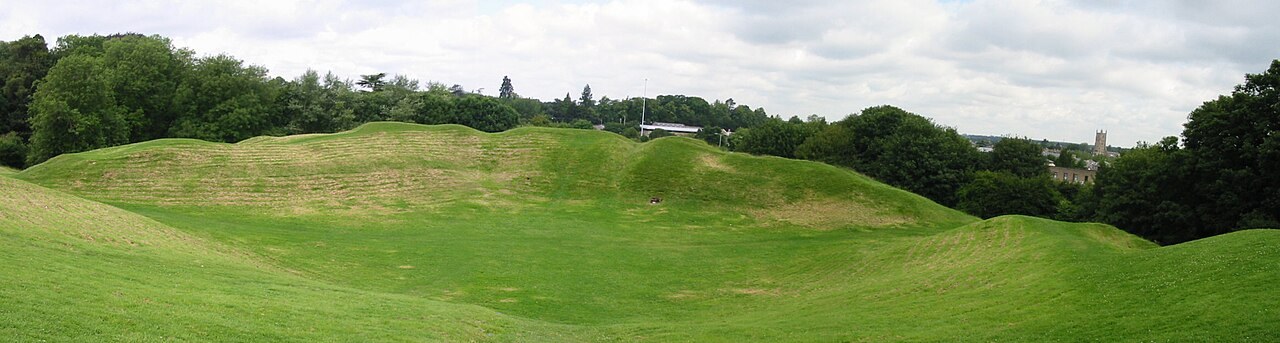
- The Roman amphitheatre
Photo: Chris McKenna (user:Thryduulf) · CC BY-SA 4.0 · cropped
The Fox verdict
More than a picture village
Cirencester trades quaintness for civic energy.
While many Cotswold destinations feel like preserved museums, Cirencester is a living, breathing hub. It balances its identity as a former Roman powerhouse and a medieval wool centre with a genuine modern economy of independent bookshops, artisan bakeries, and a dense concentration of characterful pubs. The scale is impressive—from the largest parish church in the county to the monumental avenues of Cirencester Park—yet the town remains walkable and accessible.
Your picks, your pace
Make Cirencester yours
Choose a mood or build your own list. Your saved stops are an ordering aid, with a direct map route when you are ready.
Local signatures
3 placesCorinium Museum
The town's premier wet-weather refuge, housing the principal finds from Corinium Dobunnorum, the second-largest town in Roman Britain.
- Visit length
- Editorial estimate: around 90 minutes
- Locality
- Town centre
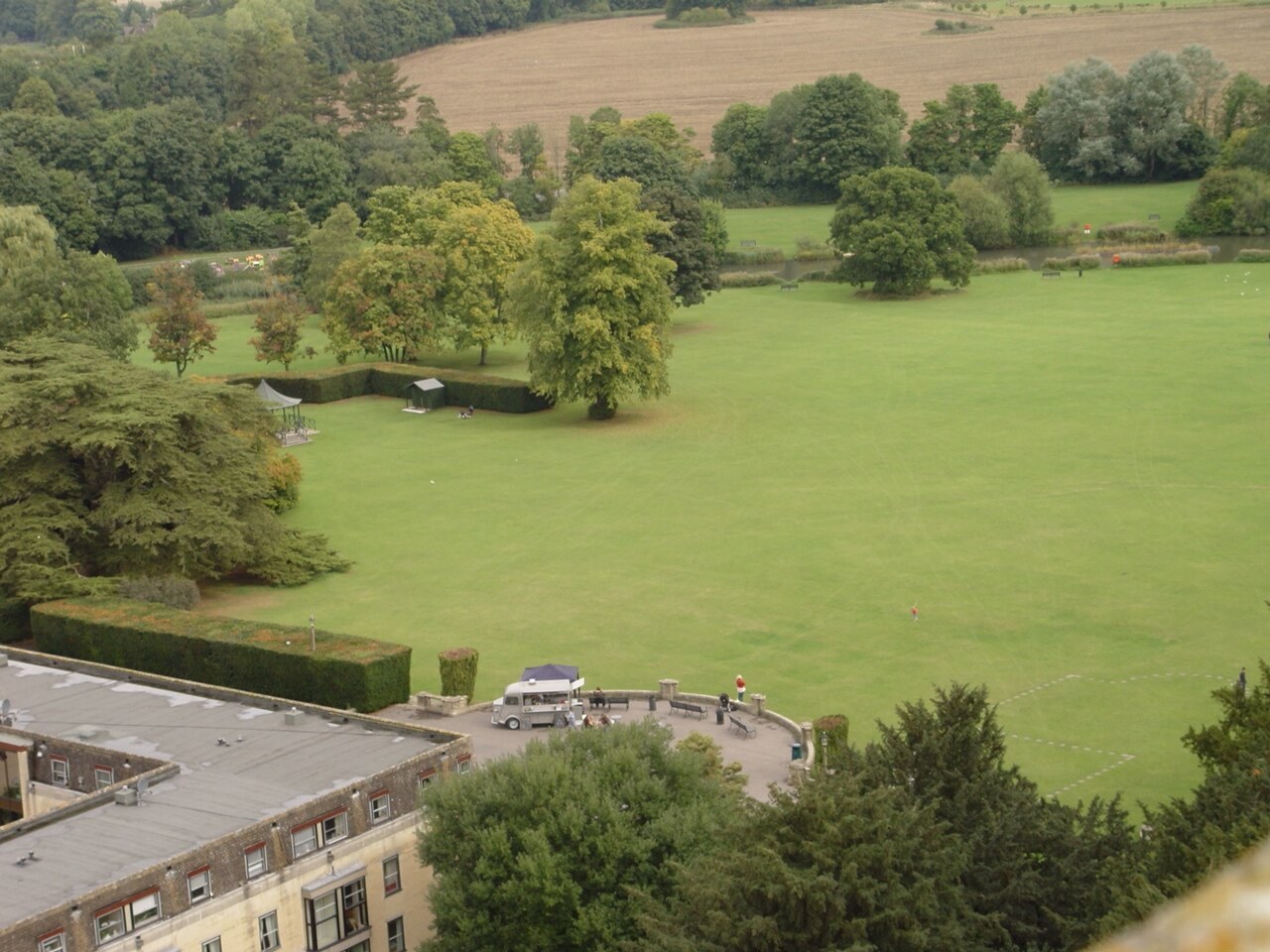
Abbey Grounds
A public green space featuring a lake, an ice house, and the legible footprint of a dissolved Augustinian abbey.
- Visit length
- Editorial estimate: around 60 minutes
- Locality
- East of the church
New Brewery Arts
Housed in a surviving brewery building, this centre sells work by UK makers and hosts studios and exhibitions.
- Visit length
- Editorial estimate: around 60 minutes
- Locality
- Town centre
- Access
- Exhibitions and activities vary; check the Official site before travel.
Food & drink
2 placesThe Bear Inn
A former coaching inn with exposed stone, dark beams, and a covered courtyard garden. Dog-friendly with dedicated treats.
- Visit length
- Editorial estimate: around 90 minutes
- Locality
- Off Market Place
Corinium Ales Tap Room
A microbrewery taproom and courtyard established in 2012, producing both classic and contemporary styles.
- Visit length
- Editorial estimate: around 60 minutes
- Locality
- The Old Kennels
- Access
- The tap room is outside the neighbouring park attraction.
History & heritage
2 places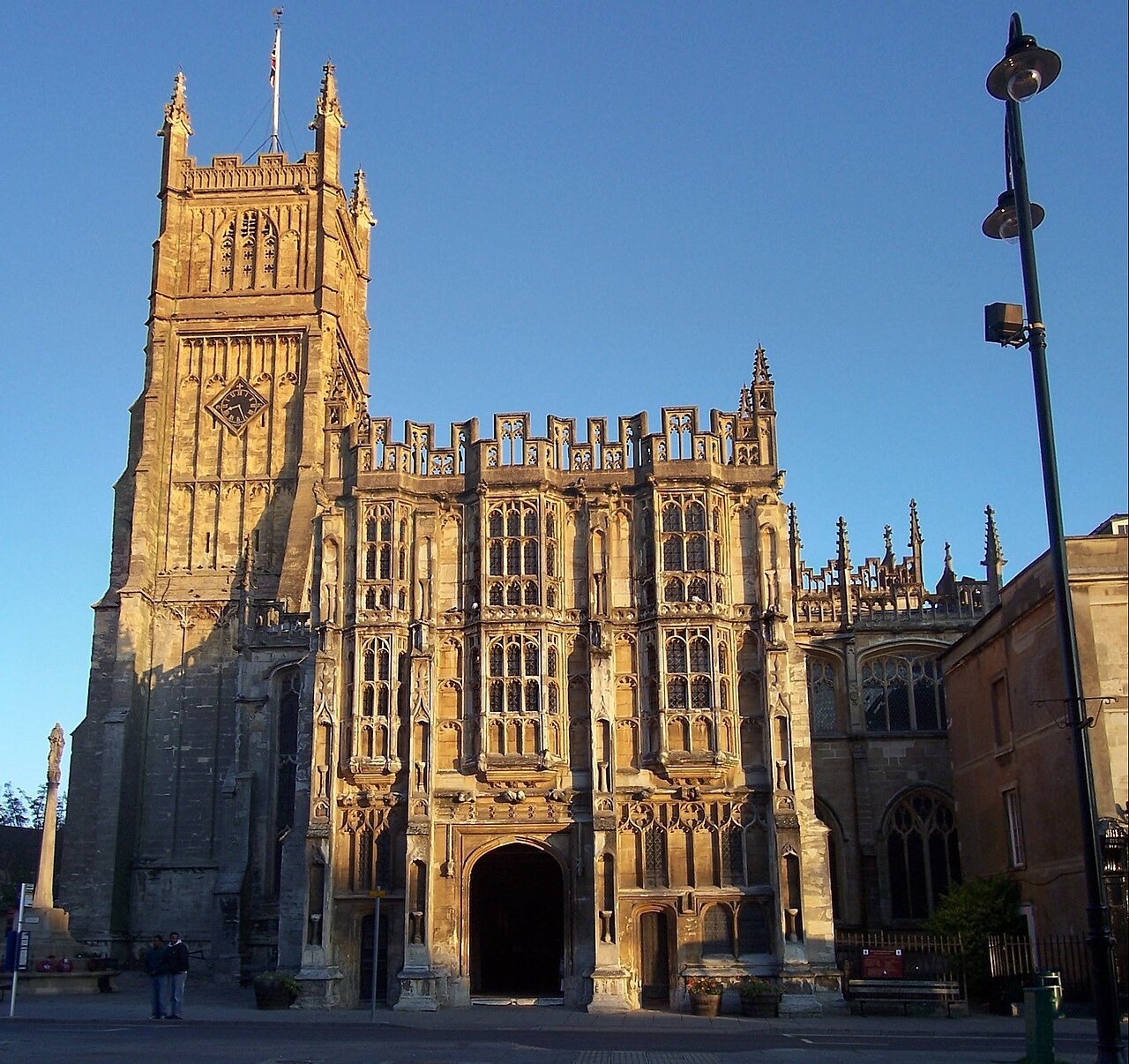
Parish Church of St John Baptist
The largest parish church in Gloucestershire, noted for its splendid fan-vaulted south porch and monuments to the wool merchants who funded its scale.
- Visit length
- Editorial estimate: around 60 minutes
- Locality
- Market Place
Roman Amphitheatre
A free-to-visit earthwork arena that once seated 8,000 people in the early 2nd century.
- Visit length
- Editorial estimate: around 45 minutes
- Locality
- Town edge
- Access
- Ground is steep and uneven; caution advised for children.
Things to do
1 placeCirencester Open Air Pool
A historic spring-fed pool opened in 1870, remaining a popular family swimming destination.
- Visit length
- Editorial estimate: around 120 minutes
- Locality
- Town centre
- Access
- Seasonal operation; check opening dates.
No places match this filter. Choose All places to reset the list.
On the map
Cirencester at a glance
Tap a marker to jump to its guide card.
Three ways to explore Cirencester
Signature outings
The Roman Arena
Walk the steep earthworks of the amphitheatre, once the heart of the second-largest town in Roman Britain.
Wool Merchant's Grandeur
Explore the fan-vaulted porch of St John Baptist, a monument to the wealth of the 16th-century wool trade.
Walk the vanished cloister
Cross Abbey Grounds to trace the footprint of Cirencester's former Augustinian abbey.
The town story
Cirencester Town Guide
From Roman Corinium to the Capital of the Cotswolds, this market town blends ancient weight with independent spirit.
The Market Heart
The south porch of the parish church of St John Baptist rises three storeys off the Market Place, fan-vaulted inside, and for a long stretch of its life its upper room served as the town hall. It is the grandest thing in Cirencester and the first thing you meet, because it fronts straight onto the square. Nikolaus Pevsner called it "the most splendid of all English church porches," and the church behind it is the largest in Gloucestershire, built to the scale that wool money once allowed.
Cirencester sits in a shallow bowl on the floodplain of the River Churn, with Cotswold high ground wrapping round the north and west and the protected landscape reaching to the edge of the built streets. The stone is the golden limestone you come to the Cotswolds for, but this is a working market town, not a preserved village. The tourism copy calls it the Capital of the Cotswolds, and it carries itself like a small capital, with more shops, pubs and civic business than a picture village would tolerate. From the square the old streets fan out — Black Jack Street, Castle Street, Cricklade Street, Dyer Street — narrow, mostly independent, and short enough that everything below is walkable once you have parked.
Start with the pubs, because there are a great many and they sort themselves by character. The Bear Inn, just off the Market Place, is a former coaching inn now run by Butcombe: exposed stone, dark beams, an open fire and a covered courtyard garden. The house fish and chips comes in Butcombe Gold batter, the cask beers are Butcombe Original and Gold, and dogs are given bowls and treats inside and out. The Crown, a family-run pub near the church, has been in the same hands for more than thirty years, now led by Carmen, and cooks the kind of food you order without deliberation: slow-roasted pork belly with champ and mustard cream, pan-fried hake, beef lasagne, a chicken-and-mushroom pie, and a couple of vegan plates. The Golden Cross on Black Jack Street is a small Arkell's inn with five letting rooms, a real fire and a covered courtyard, pouring Arkell's 3B and Wiltshire Gold; if you want to stay in the middle of town without a hotel, this is the address.
Pubs and Pints
For beer specifically, three places stand out. The Marlborough Arms faces the site of the old railway station and has held its place in the Good Beer Guide across 2024, 2025 and 2026, trading in rotating real ale, traditional cider and Belgian beer, with a rear courtyard that catches the sun. Out in the Stratton part of the parish, the Drillman's Arms is a Georgian free house that the Selby family bought in 1990: low beams, a wood-burning stove, a skittle alley, an annual beer festival, and Sunday roasts. Matt and Jordan Selby took the local CAMRA Pub of the Year award for 2025, and the pub carries the 2026 title too. Porters, despite the "Bar & Kitchen" name, is really a drinks-led room with two real fires, bar billiards and seven hand pumps running the likes of Otter Ale, Sharp's Doom Bar and St Austell Tribute. Add the Hop Kettle taproom in the Woolmarket, with five cask and ten keg lines and a rotating cast of pop-up kitchens, and you have enough proper beer for a long weekend.
The town also drinks where it makes things. Corinium Ales, the microbrewery Lucy and Colin started in 2012, keeps a taproom and courtyard in the Old Kennels inside Cirencester Park — a corner you can reach without a park pass. For food with the beer as backdrop, the Bees Knees on Watermoor Road, led by landlady Michaela, runs live jazz and a kitchen that reaches for Cornish scallops with pancetta and samphire, cheddar-and-spring-onion arancini and monkfish scampi. The Fleece on the Market Place has taken in guests since 1651 and cooks moules marinière, Thwaites-battered haddock, spring lamb navarin and sticky toffee pudding. Henry's is the seafood specialist, promoting lobster rolls, oysters and moules-frites; the Golden Farm, on Upper Churnside, is a chef-led family pub whose menu runs to the Farm Burger and slow-cooked pork belly; and the Corinium Hotel occupies a wool merchant's house dated 1595, run by the Sherriff family — David, Julie, Alex and Harry — with a large walled garden and dogs welcome throughout. The Admiral Sir John Talbot, the old Talbot Inn on Victoria Road, was closed for refurbishment as this was written, with an Arkell's reopening promised for the summer.
Artisan Shopping
Food shopping is unusually good for a town this size. Jesse Smith's is a family butcher; its Black Jack Street shop, W. J. Castle, keeps a Grade II listed Edwardian tiled frontage decorated with a pig, which makes the building about as worth a look as the meat inside. New Wave Fish Shop has run fresh fish from the coast to Cotswold kitchens since Tim Boyd founded it in 1989. KNEAD bakery turns out sourdough, patisserie and sausage rolls made for the day; the Corn Hall deli keeps a dedicated cheese room in a restored indoor market that also fills with antiques and craft stalls. Just outside town, the Organic Farm Shop at Abbey Home Farm sells vegetables, milk, cheese, bacon and lamb from a fully organic mixed farm, with a café attached. For the rest of the browsing, Octavia's Bookshop on Black Jack Street has won recognition as the country's best children's independent bookshop, and New Brewery Arts — free to enter, in a surviving brewery building — sells work by UK makers and runs studios and courses. The charter market fills the centre on Mondays and Fridays, with farmers' markets on the second and fourth Saturdays.
The green space is the other reason to stay. Immediately east of the church, Abbey Grounds is open to all and holds a lake, an ice house, the outline of the vanished abbey and its surviving Norman gateway; it is made for picnics and slow lakeside wandering. To the west, Cirencester Park answers with the Bathurst estate's monumental avenues — the Broad Ride and the rest — which take a pass to enter but reward buggies and long legs alike. Between them runs the River Walk, three linked sections along the Churn and Gumstool Brook, enclosed and urban at first before opening into pasture and tree-lined banks. A 2.6-mile circular from the Market Place ties the Roman amphitheatre to the park in a little over an hour and is the best first-time walk; keener walkers can pick up longer Ramblers routes, or arrive on foot from Kemble by a 5.8-mile linear path that follows the young Thames past a hillfort and the Royal Agricultural University. The amphitheatre itself is free but steep and uneven underfoot, so mind children on the earthworks.
Green Spaces and Walks
Getting here without much trouble is possible. Cirencester lost its own station in the 1960s, so the railhead is Kemble, about four to seven miles south on the London–Swindon–Cheltenham line, with the Stagecoach 882 bus linking the station to the Forum in the centre; check the day's timetable before you rely on the connection. By road the A417/A419 is the strategic approach, with the A429 and A433 handling the Cotswold cross-country.
The history is worth having, but it is seasoning here rather than the meal. This was Corinium Dobunnorum, the second-largest town in Roman Britain, with a population above ten thousand and an amphitheatre that seated around 8,000; the principal finds sit in the Corinium Museum, which doubles as the town's best wet-weather refuge. Henry I founded an Augustinian abbey in 1117; it was dissolved in December 1539 and almost nothing stands above ground, though the plan is still legible in the Abbey Grounds. Wool made the town rich through the sixteenth and seventeenth centuries and had effectively died out by the nineteenth, leaving the great church, the merchant tombs and that 1595 house as its monuments. In the Civil War the townspeople leaned to Parliament while the gentry and clergy backed the King; Royalists seized the town in February 1643 and held it until 1645. From about 1712 the first Earl Bathurst laid out the park with the poet Alexander Pope, whose hand is in the sham Gothic ruin of Alfred's Hall and the seat that still bears his name.
Roman and Medieval Legacies
Some of the older texture is quieter than that. In the Domesday survey the main royal holding kept three mills valued at thirty shillings, and the church displays a small gilt cup made in 1535 with a falcon finial linked by tradition to Anne Boleyn — a fine object whose ownership story is more legend than record. The town still appoints a crier, John Lawrence taking the role at the Fleece Fayre in 2019, in a line that reaches back to a William Markins crying the streets by 1845.
For all the Roman weight and wool money, the thing most likely to fix Cirencester in a child's memory is the open-air pool, dug in the winter of 1869 and opened the following year, ninety feet of spring-fed water that families have been swimming in for a century and a half. On a warm afternoon it is the least historic and most used thing in town, which is probably as it should be.
Stay around Cotswolds
Make a longer stay of it
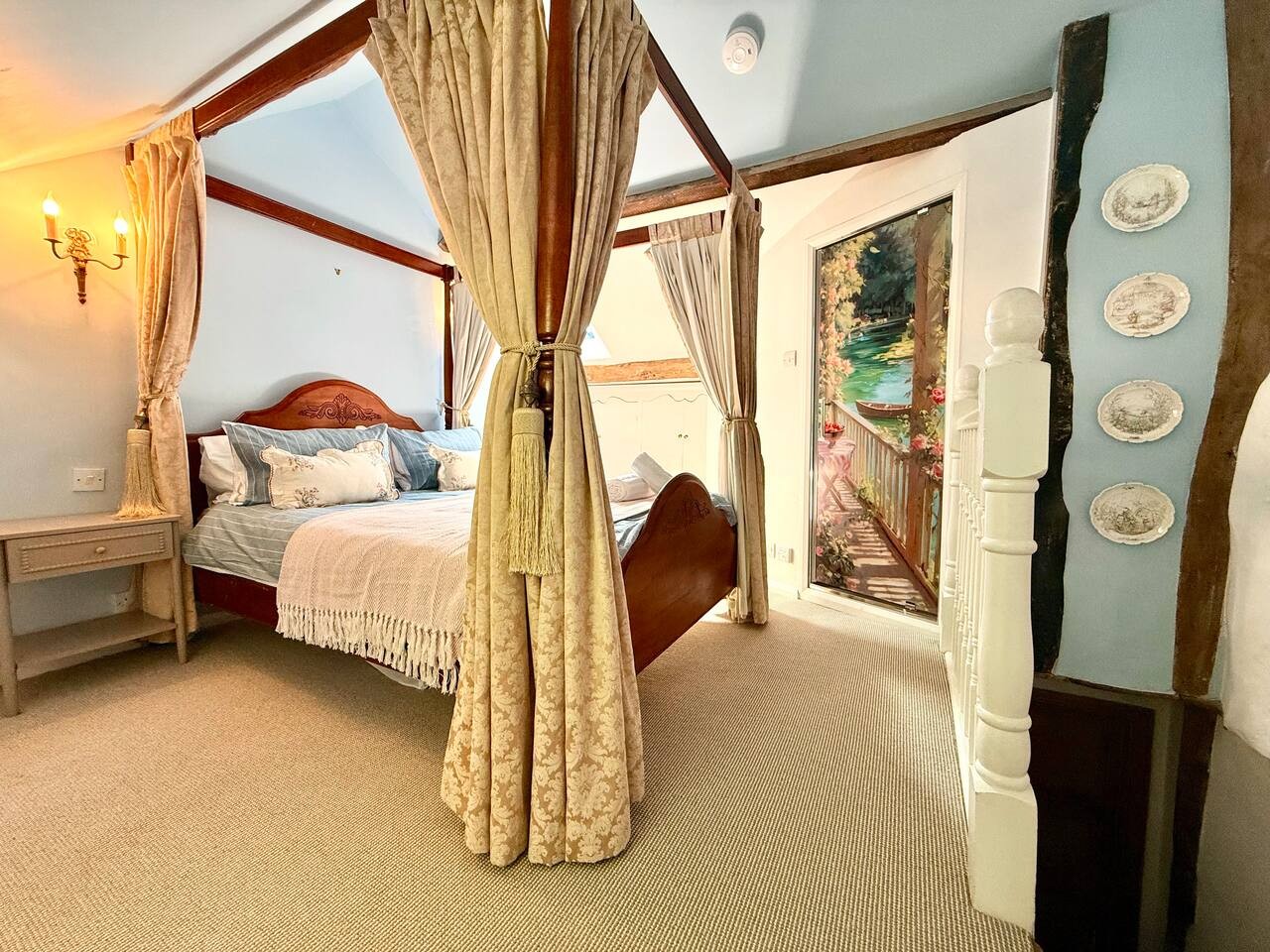
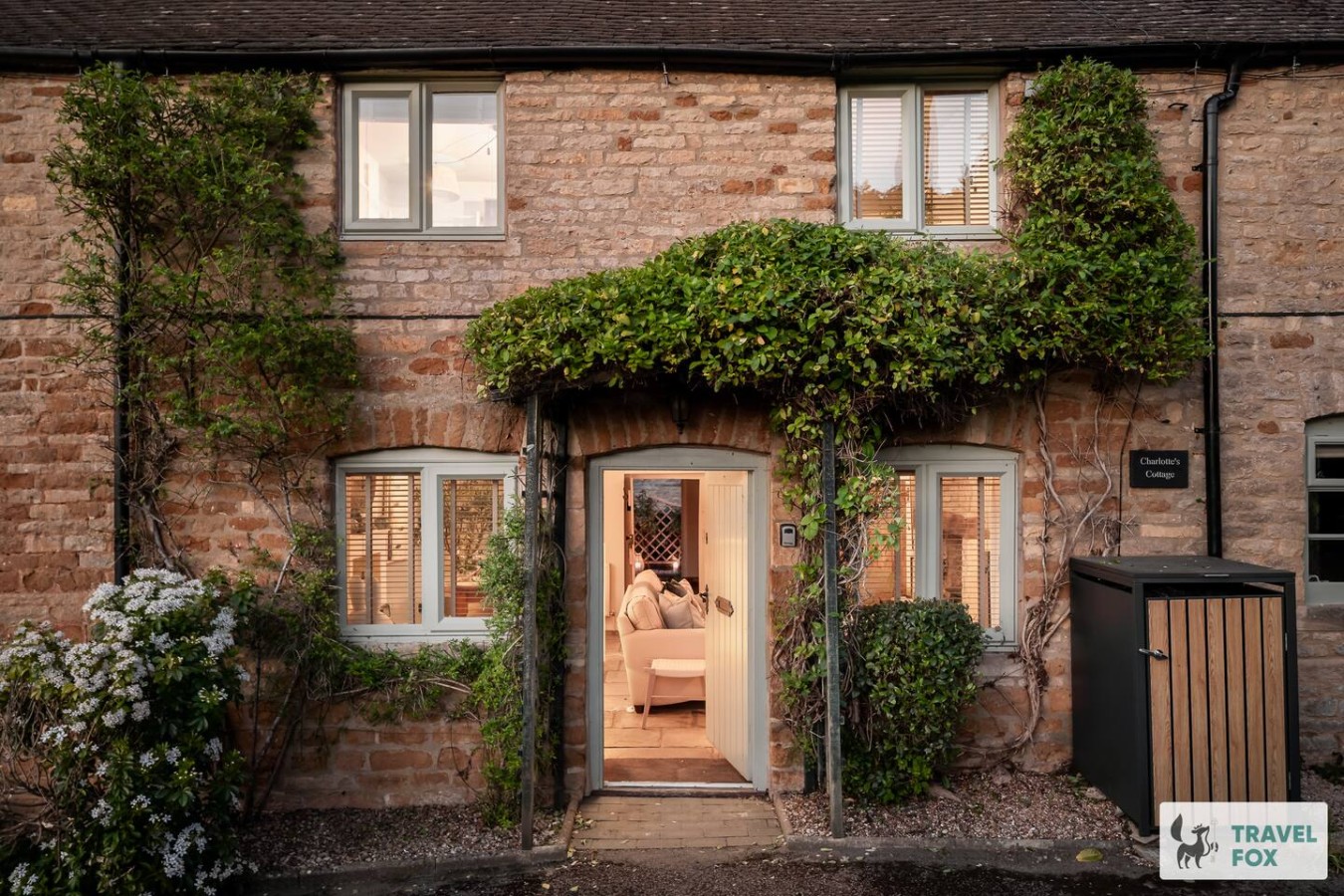
Travel Fox holiday homes around Cotswolds, linked directly to their property pages.
For homeowners
Own a holiday home near Cirencester?
We manage holiday lets across the Cotswolds from 12% commission, charged after cleaning costs, with no lock-in. A co-founder visits before you decide.
Holiday let management in the Cotswolds →
A guide with a point of view
Written from research. Edited for real journeys.
Use the Official site links for live practical details, then use this guide for context, ideas and room to explore.
Photography credits & licences
Third-party photographs are credited to their named creators and reused under the linked Creative Commons licence or public-domain dedication. Travel Fox stores an optimised local copy; the file-specific changes and any browser-applied display crop are disclosed below. Reused photographs link both to the Wikimedia Commons source record and to the declared source image; Travel Fox's own photographs carry no such record and are marked as ours. These image licences do not cover Travel Fox text, branding or page design.
- File:Cirencester Amphitheatre.jpg — photograph by Chris McKenna (user:Thryduulf); Chris McKenna ( Thryduulf ). Source record on Wikimedia Commons. Declared source image. Licence: CC BY-SA 4.0. File changes: Downloaded from Wikimedia Commons, resized to a maximum 1920px edge and encoded as an optimised JPEG. Display changes: Displayed with responsive CSS cropping.
- File:Cirencester StJohnBaptistChurch.jpg — photograph by Traveler100; Own work. Source record on Wikimedia Commons. Declared source image. Licence: CC BY-SA 3.0. File changes: Downloaded from Wikimedia Commons, resized to a maximum 1920px edge and encoded as an optimised JPEG. Display changes: Displayed with responsive CSS cropping.
- File:Abbey Grounds Cirencester - geograph.org.uk - 3795272.jpg — photograph by Paul Best; Abbey Grounds Cirencester by Paul Best. Source record on Wikimedia Commons. Declared source image. Licence: CC BY-SA 2.0. File changes: Downloaded from Wikimedia Commons, resized to a maximum 1920px edge and encoded as an optimised JPEG. Display changes: Displayed with responsive CSS cropping.