
Beechwoods and village customs
Cranham
A steep-sided western Cotswold valley with ancient beech woodland, two four-mile circuits and a community-owned free house.
- Best for
- Four-mile woodland circuits
- Give it
- Two to three hours for either official walk
- Don't miss
- The sheep-shear carvings at St James the Great
The Fox verdict
A steep valley shaped by beechwoods and custom
Cranham brings together ancient woodland, limestone grassland, long-lived village traditions and two country pubs.
The official circuits lead through Buckholt Wood, the Ebworth estate and the commons, while St James the Great, the community-owned Black Horse and Cooper's Hill add church, pub and cheese-rolling history.
Where to go
Places in Cranham
Every place below is checked against a published source, listed with what it is and how long to give it.
Local signatures
3 placesFoston's Ash Inn
An owner-chef-led country pub in a Grade II listed former coaching inn, with seasonal food, local ales, former stables, outdoor areas and shepherd-hut accommodation.
- Visit length
- Editorial estimate: allow around 75 minutes
- Locality
- on the B4070 at The Camp, within Cranham parish
- Access
- Dogs are welcome; the garden includes an enclosed children's play area.
St James the Great
A Grade II* church with a 12th-century core, a late-medieval west tower carved with sheep shears, a wagon roof, vine-carved rood screen and beam, Baroque monument and Wailes glass.
- Visit length
- Editorial estimate: allow around 30 minutes
- Locality
- Cranham
Ebworth Centre Cotswolds Walk
A moderate National Trust circuit through steep valleys, limestone grassland, beechwoods, Sheepscombe Common and the Ebworth estate.
- Visit length
- Editorial estimate: allow 2–3 hours
- Locality
- from Cranham Common
- Access
- Paths can be muddy even in summer; dogs are welcome on leads because of grazing livestock.
Food & drink
1 placeThe Black Horse Inn
A community-owned, independently run 17th-century free house serving seasonal West Country food and three changing cask ales, with a garden, real fire, games and one room to stay in.
- Visit length
- Editorial estimate: allow around 75 minutes
- Locality
- up a side lane in lower Cranham
- Access
- Dogs are welcome.
Walks & outdoors
1 placeCranham, Cooper's and the Beechwoods Circular
An official four-mile circuit through bluebell-rich Buckholt Wood, following the Cotswold Way to Cooper's Hill before returning through Cranham, with an optional Black Horse detour.
- Visit length
- Editorial estimate: allow 2–3 hours
- Locality
- from Cranham
- Access
- The route is stile-free but has steep slopes.
History & heritage
1 placeCooper's Hill
The steep slope associated with a cheese-rolling custom recorded since the 1800s, in which competitors chase a seven-pound Double Gloucester downhill.
- Visit length
- Editorial estimate: allow around 30 minutes
- Locality
- on the official four-mile Cranham circular
- Access
- The cheese-rolling bank is very steep.
No places match this filter. Choose All places to reset the list.
Three ways to explore Cranham
Signature outings
Cranham's woodland circuit
Follow the four-mile, stile-free circuit through bluebell-rich Buckholt Wood and along the Cotswold Way to Cooper's Hill.
Sheep shears on the tower
Look for two carved sets of sheep shears on St James the Great's late-15th-century west tower.
The Black Horse reborn
Visit the community-owned free house bought by more than 260 shareholders and reopened after refurbishment in 2024.
The village story
Cranham Village Guide
Community pubs, ancient beechwoods, a storied footbridge and a church rich in carved detail shape this steep-sided Cotswold valley.
The Black Horse Reborn
The Black Horse stands up a side lane in lower Cranham, easy to miss if you keep to the main road through. It was two cottages once, and later a 17th-century free house; when closure loomed, more than 260 shareholders formed a benefit society, raised about £260,900 and bought it in 2023, reopening after refurbishment in May 2024. It is community-owned and independently run now, with three changing cask ales that often include Uley Pigs Ear alongside beers from Hook Norton and Hop Union. There is a beer garden, a real fire, a single room to stay in, and a drawer of board games, cribbage and shove halfpenny. Dogs are welcome. One recent visitor called it "Romantic. Friendly. Good selection for wine," which covers most of what a village pub needs to be.
The kitchen leans on seasonal West Country food, and the Sunday roast has its admirers.
Coaching-Inn Food and Village Provisions
Cranham's other pub, Foston's Ash, sits out on the B4070 at The Camp, still within the parish. It was built around 1800 as a coaching inn and keeps its former stables; the sign shows a rider jumping an ash tollgate, which is how local tradition explains the name. The food is owner-chef-led and moves with the season. Typical changing beers include Butcombe Gold and Gloucester Cascade, with cask cider too, and the garden has an enclosed play area for children and shepherd huts to sleep in. The third pub, the Royal William at Cranham Corner, has closed.
For provisions the village runs on an outreach Post Office and a short list of local producers: goat's cheese from Liz Holmes, organic lamb and beef from Martin and Pauhla Whitaker at Overtown Farm, pork from Mike Marks's Reeva Pigs, and deliveries from Bisley Farm Shop. It is worth arranging ordering or collection before you arrive rather than expecting a shop counter.
Getting There and Into the Woods
The village lies east of the A46 between Brockworth and Painswick, and is also reached off the B4070. Stroud is the practical railhead, and the 228 bus threads through on Thursdays, though it's worth checking times before you travel.
The reason most people come is the woods. Cranham sits in a steep western Cotswold valley wrapped in Buckholt and Rough Woods, ancient beech that turns blue with bluebells in spring. A four-mile circular from the village climbs the Cotswold Way to Cooper's Hill and comes back down through Cranham — stile-free, but the slopes are steep, and it takes two to three hours, with an optional Black Horse detour. Cooper's Hill is where they roll a seven-pound Double Gloucester down a very steep bank and send people after it, a habit recorded since the 1800s. A second four-mile loop from Cranham Common runs out through the National Trust's Ebworth estate and Sheepscombe Common; it can be muddy even in summer, and there are Welsh Black cattle on the commons all year, so dogs stay on leads. In the grassland you will find pyramidal orchids, rock-rose and butterflies.
Gladys Leap and St James
One footbridge on that ground is called Gladys Leap. It is named for Gladys Hillier, a postwoman who used to jump the brook there rather than walk a two-mile detour on her round; the village asked, and Ordnance Survey made the name official in 1977. Fairport Convention borrowed it for an album, and volunteer wardens later built a footbridge there.
St James the Great is twelfth-century at its core, much altered later and enlarged in the 1890s. The late-medieval west tower carries two carved sets of sheep shears, possibly signalling a gift from a local wool merchant. Inside there is a wagon roof over the south aisle, a vine-carved rood screen and beam, a Baroque monument to Obadiah Done, rector, who died in 1738, and glass by Wailes of Newcastle.
Holst and the Cranham Feast
Across from the Black Horse is Midwinter Cottage, where Gustav Holst is said to have written the music for "In the Bleak Midwinter" while staying there. On the Saturday before the second Monday in August the village holds the Cranham Feast and Deer Roast, among the oldest customs in the county, and it runs through the weekend.
Stay around Cotswolds
Make a longer stay of it
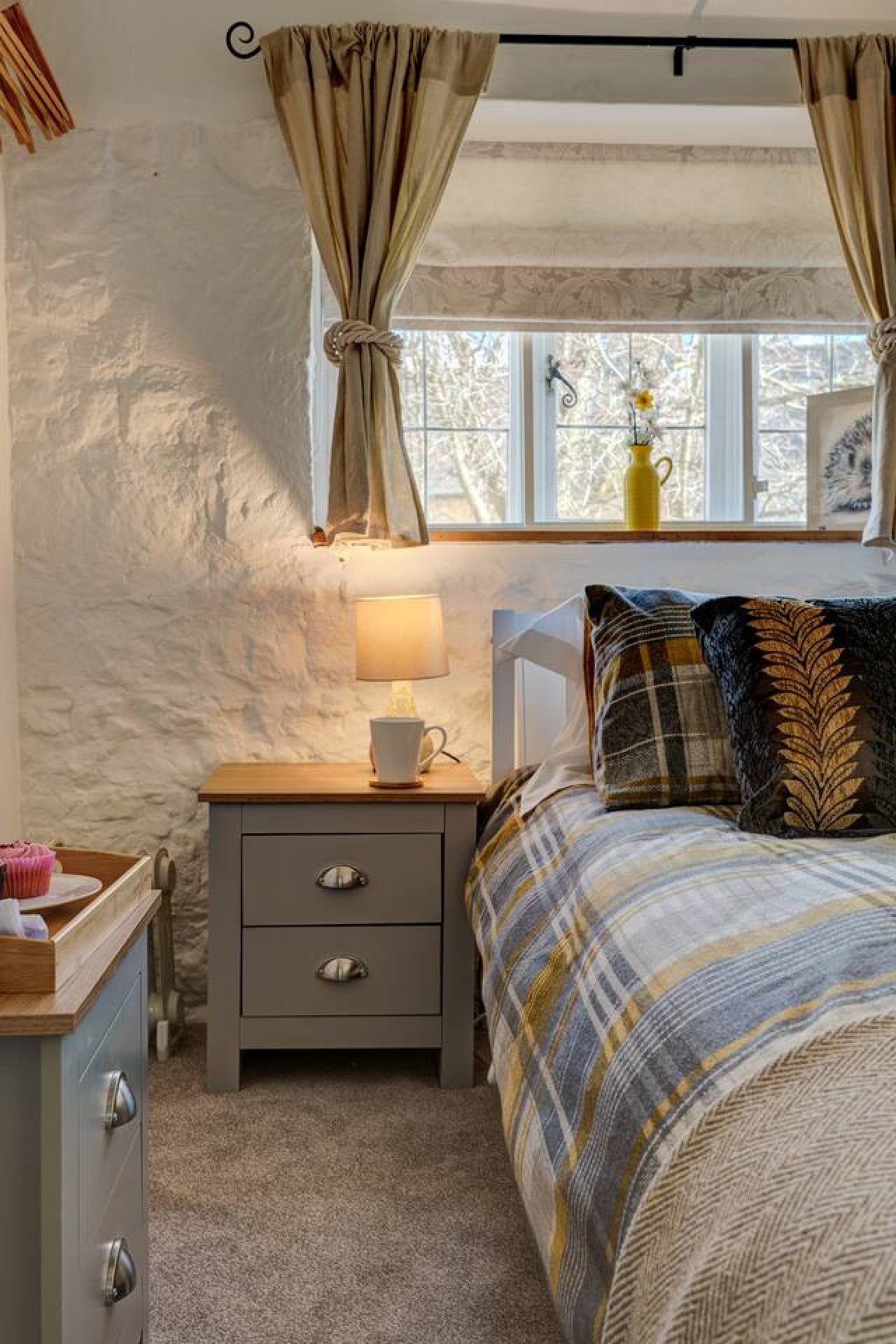
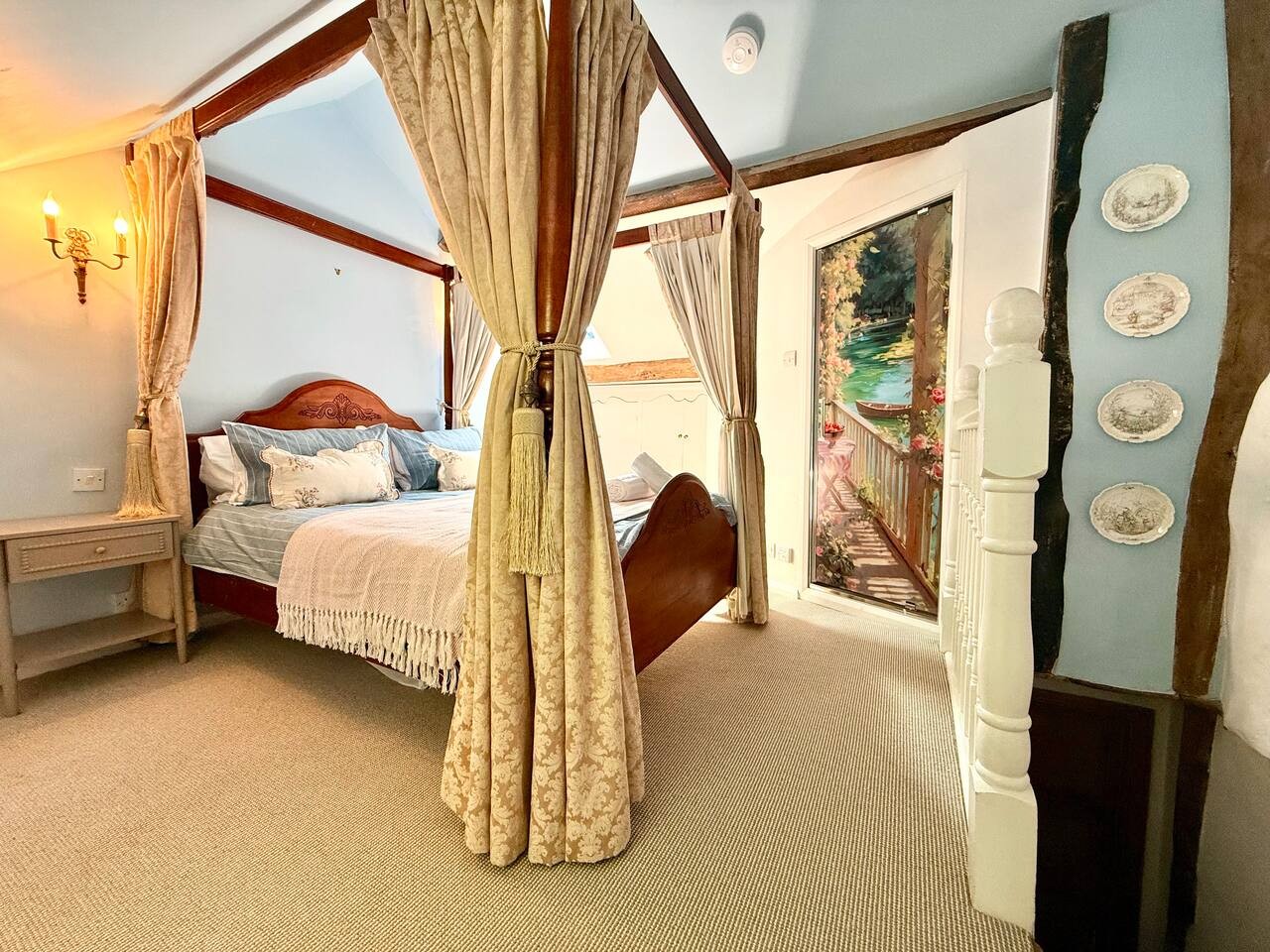
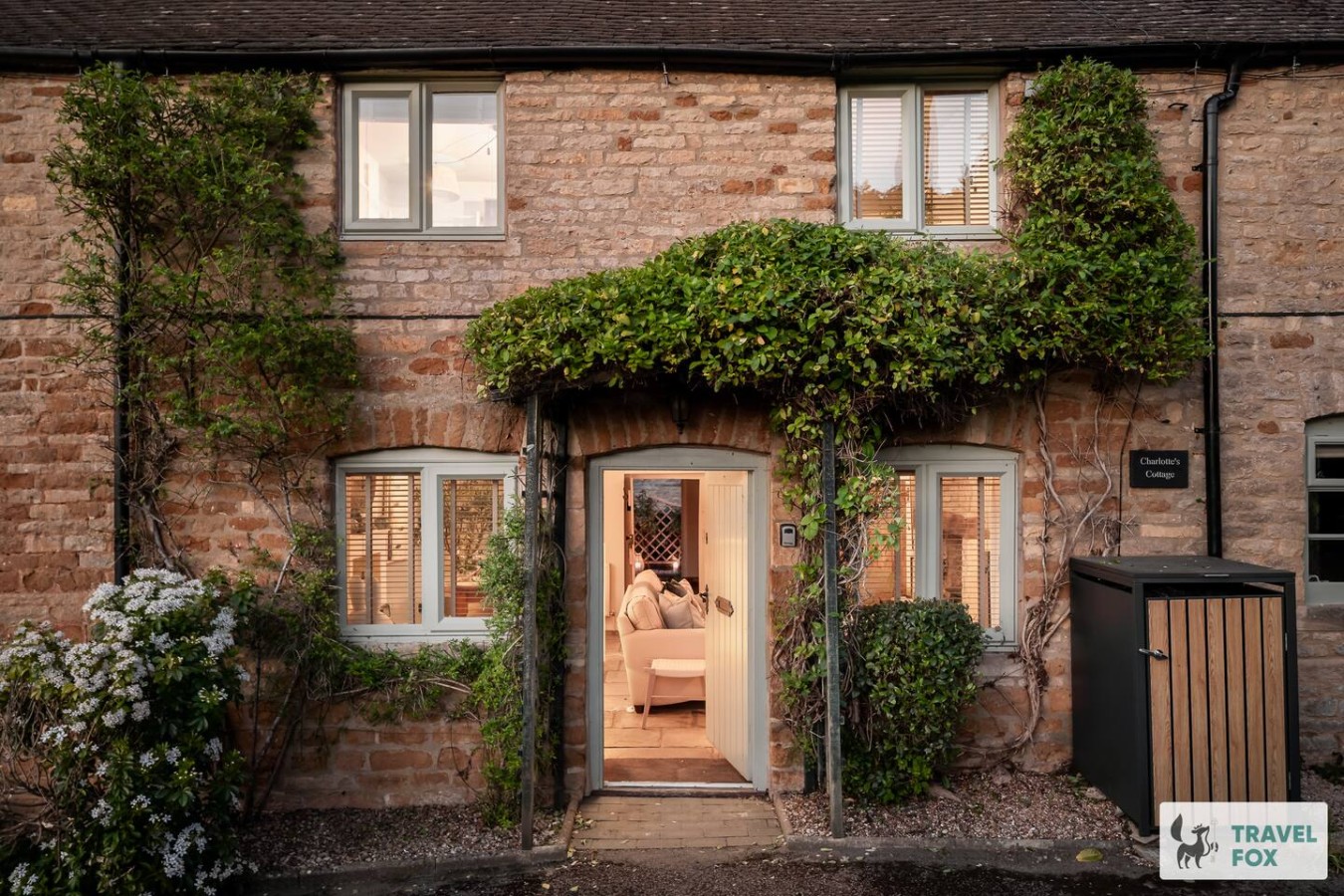
Travel Fox holiday homes around Cotswolds, linked directly to their property pages.
For homeowners
Own a holiday home near Cranham?
We manage holiday lets across the Cotswolds from 12% commission, charged after cleaning costs, with no lock-in. A co-founder visits before you decide.
Holiday let management in the Cotswolds →
A guide with a point of view
Written from research. Edited for real journeys.
Use the Official site links for live practical details, then use this guide for context, ideas and room to explore.
Sources
Every place on this page is checked against a published source. Each entry links the record we used and names who publishes it.
- The Black Horse Inn — blackhorsecranham.co.uk operator, sector body or destination organisation record not machine-readable; publisher restricts automated access
- Foston's Ash Inn — fostonsash.co.uk operator, sector body or destination organisation record not machine-readable; publisher restricts automated access
- St James the Great — historicengland.org.uk statutory register or public authority record not machine-readable; publisher restricts automated access
- Cranham, Cooper's and the Beechwoods Circular — cotswolds-nl.org.uk other published source
- Ebworth Centre Cotswolds Walk — nationaltrust.org.uk national body or asset manager
- Cooper's Hill — gloucestershirewildlifetrust.co.uk other published source