
Escarpment village, far-reaching landscape
Birdlip
Birdlip pairs a small limestone village with Barrow Wake's grassland, Severn Vale views and two long-distance directions on the Cotswold Way.
- Best for
- Escarpment views and Cotswold Way walking
- Landscape
- Limestone grassland, scrub and beech woodland
- Don't miss
- The westward view from Barrow Wake
The Fox verdict
A small village with a much larger horizon
Come for Barrow Wake and the Cotswold Way, then use the inn, church and Gloucester collections to connect the landscape with Birdlip's stories.
Birdlip's strength is the meeting of ridge scenery and compact village history: limestone grassland and beech woods outside, an eighteenth-century inn and a church rebuilt after fire within, and the Birdlip Mirror preserved in Gloucester.
Where to go
Places in Birdlip
Every place below is checked against a published source, listed with what it is and how long to give it.
Local signatures
3 placesCrickley Hill
A National Trust and Gloucestershire Wildlife Trust landmark whose visitor interest combines wildlife, archaeology and a broad panorama.
- Visit length
- Editorial estimate: allow around 90 minutes
- Locality
- North of Birdlip on the Cotswold Way
Painswick Rococo Garden
The UK's only complete surviving rococo garden was designed in the 1740s and combines follies with Cotswold views.
- Visit length
- Editorial estimate: allow around 90 minutes
- Locality
- Painswick
- Access
- Dogs on short leads are welcome.
Museum of Gloucester
The museum holds the Birdlip Mirror, found with a multiple burial in 1879 and identified by the museum as one of its archaeological treasures.
- Visit length
- Editorial estimate: allow around 75 minutes
- Locality
- Gloucester
Food & drink
1 placeRoyal George Hotel
Birdlip's confirmed operating pub is an eighteenth-century inn with a bar, restaurant, bedrooms and a large leafy garden; its Birdlip menu names burgers, fish and chips, pies and puddings.
- Visit length
- Editorial estimate: allow around 60 minutes
- Locality
- Off the B4070 in Birdlip
- Access
- The hotel lists itself as dog-friendly and asks guests to notify it when booking a room with a dog.
Walks & outdoors
1 placeBarrow Wake
A 12-hectare reserve crossed by the Cotswold Way, with informal trails over steep limestone grassland, scrub and woodland and westward views across Gloucester and the Severn Vale.
- Visit length
- Editorial estimate: allow around 90 minutes
- Locality
- On the ridge at Birdlip
- Access
- Dogs are permitted, and Belted Galloway cattle graze intermittently.
History & heritage
2 placesSt Mary-in-Hamlet
The small Cotswold-stone church was built in 1957-58 after its mission-church predecessor burned down in 1954; a silver chalice was the sole recovered item.
- Visit length
- Editorial estimate: allow around 30 minutes
- Locality
- Birdlip
Gloucester Cathedral
A cathedral with a Norman nave, early Perpendicular Gothic work, fan vaulting, Edward II's tomb and cloisters used in three Harry Potter films.
- Visit length
- Editorial estimate: allow around 90 minutes
- Locality
- Gloucester
No places match this filter. Choose All places to reset the list.
Three ways to explore Birdlip
Signature outings
Wildlife above the vale
Follow Barrow Wake's informal trails through limestone grassland, scrub and woodland, with views west across Gloucester and the Severn Vale.
The church after the fire
At St Mary-in-Hamlet, connect the present 1957-58 church with the 1954 fire and the silver chalice recovered from it.
Birdlip's village inn
Choose the Royal George for a pub meal in Birdlip, then make use of its large leafy garden if that suits the visit.
The village story
Birdlip on the Cotswold edge
An escarpment village where an inn, a rebuilt church, a wildlife-rich ridge and a prehistoric mirror carry the story from Birdlip down to Gloucester.
The Inn and the Escarpment
The Royal George stands off the B4070 in pale Cotswold stone, an eighteenth-century inn with a bar, a restaurant and thirty-four bedrooms behind it. It is Birdlip's pub, and its kitchen carries a certain weight because of it — the burgers, the fish and chips, the pies and the puddings that run to sticky toffee, chocolate brownies and crumble. There is a large, leafy garden at the back, and dogs are welcome; the hotel asks only that you mention yours when booking a room.
That one pub tells you the scale of the place. Birdlip is small, strung along the top of the Cotswold escarpment above Gloucester, and most of what people come for is outside the village rather than in it. The houses are the local limestone, the same stone as the inn and the church, and the Cotswold Way arrives through woodland at the edge of the settlement.
Barrow Wake and the Cotswold Way
The best of the walking is a few minutes from the last house. Barrow Wake is a twelve-hectare nature reserve on the ridge, all steep limestone grassland, scrub and beech, with free parking and informal trails leading to the edge. From there the view opens west across Gloucester and the Severn Vale. Belted Galloway cattle graze it on and off, and dogs are allowed. In the grass there are musk orchids and devil's-bit scabious; peregrines nest on the higher cliffs, and the reserve is said to hold more than half of Britain's butterfly species.
The Cotswold Way runs straight through. Northward it is 5.6 miles back to Leckhampton Hill, by way of Crickley Hill Country Park and the open grassland of Barrow Wake, with about 425 feet of ascent and descent spread across the distance. Southward it is 8.6 miles to Painswick, first through semi-natural beech woods to Cooper's Hill, then up and over Painswick Beacon and its golf course, past the earth ramparts of an Iron Age hillfort. Painswick itself is worth the walk for the Rococo Garden, the only complete surviving garden of its kind in the country, laid out in the 1740s with follies set among the valleys.
Approaches and Ancient Finds
Getting here without a car takes some planning. Gloucester is the nearest railhead, and Stagecoach's 882 bus links the Royal George stop with the city and, beyond it, Winstone, Cirencester and Tetbury, though the timetable is thin and some journeys branch off elsewhere. By road the village sits just off the A417 and on the B4070, and through the summer of 2026 the A417 Missing Link works are rearranging the approaches, with a temporary route, a 40mph limit and access into Birdlip that is worth checking before you set off.
The scenery here has a long history of giving things up. In the summer of 1879 a road mender named Joseph Barnfield turned up a bronze mirror in a grave on the ridge, buried with a young woman and two men. The Birdlip Mirror is the largest prehistoric bronze mirror yet found in Britain and now sits among the treasures of the Museum of Gloucester, down in the city below. Barrow Wake takes its name from that kind of discovery: three skeletons came out of an Iron Age barrow, and the old mound was said to have woken.
Lost Inns and a Rebuilt Church
Older Birdlip survives in fragments. Black Horse Ridge, at the top of the hill, is a seventeenth-century former inn where the Cotteswold Naturalists' Field Club held its first meeting in 1846; it stopped serving in 1900 and is a house now. The Air Balloon, a landmark pub by the A417 junction named after one of Britain's first balloon flights, was pulled down in December 2023 to make way for the new road.
The church is younger than most of the houses. St Mary-in-Hamlet was built in 1957 and 1958, after fire took the old wood-and-iron mission church late on St George's Day 1954. Only one thing came out of the flames — a silver chalice, carried clear by a small boy — and it is still in use in the plain little building that replaced them.
Stay around Cotswolds
Make a longer stay of it
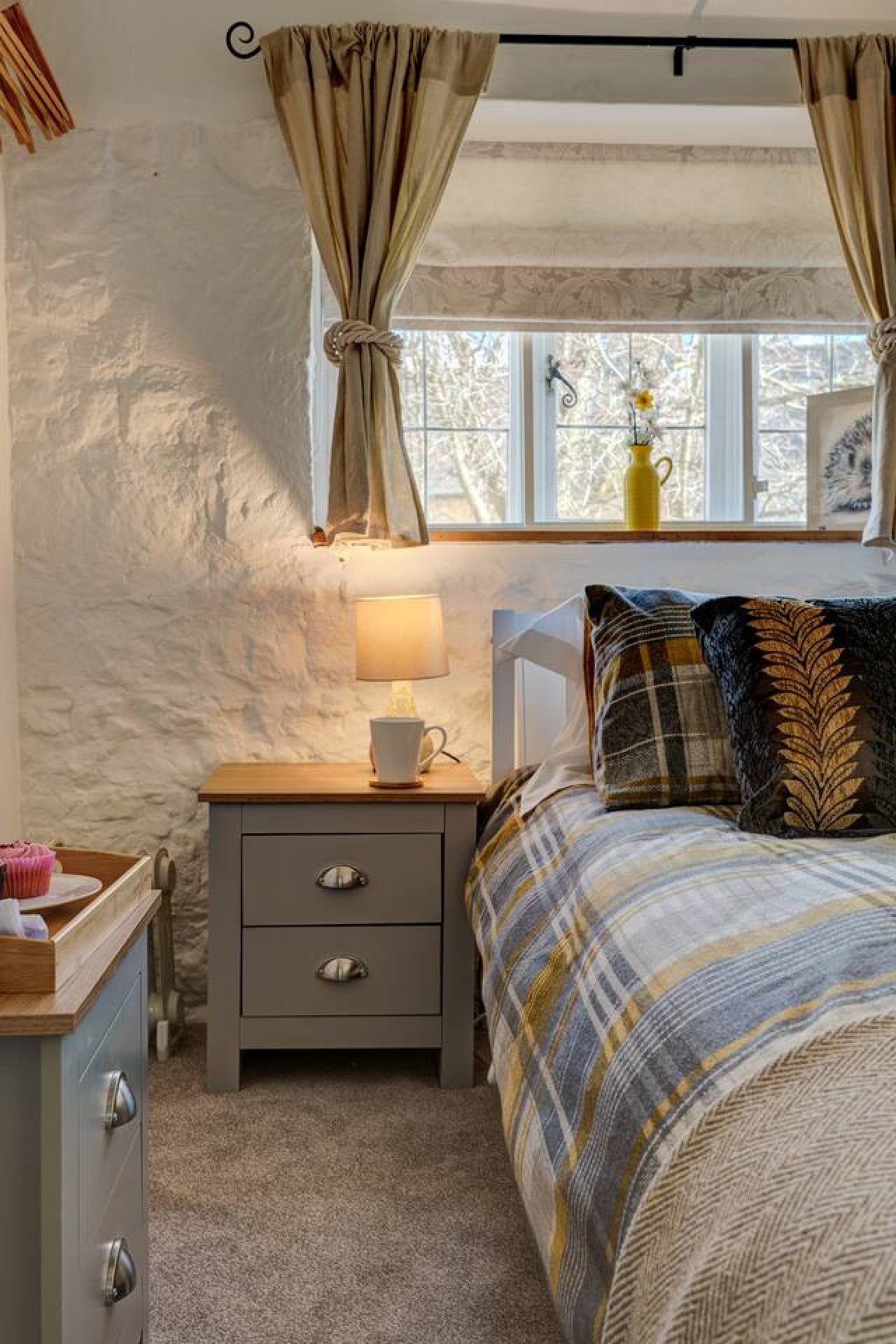
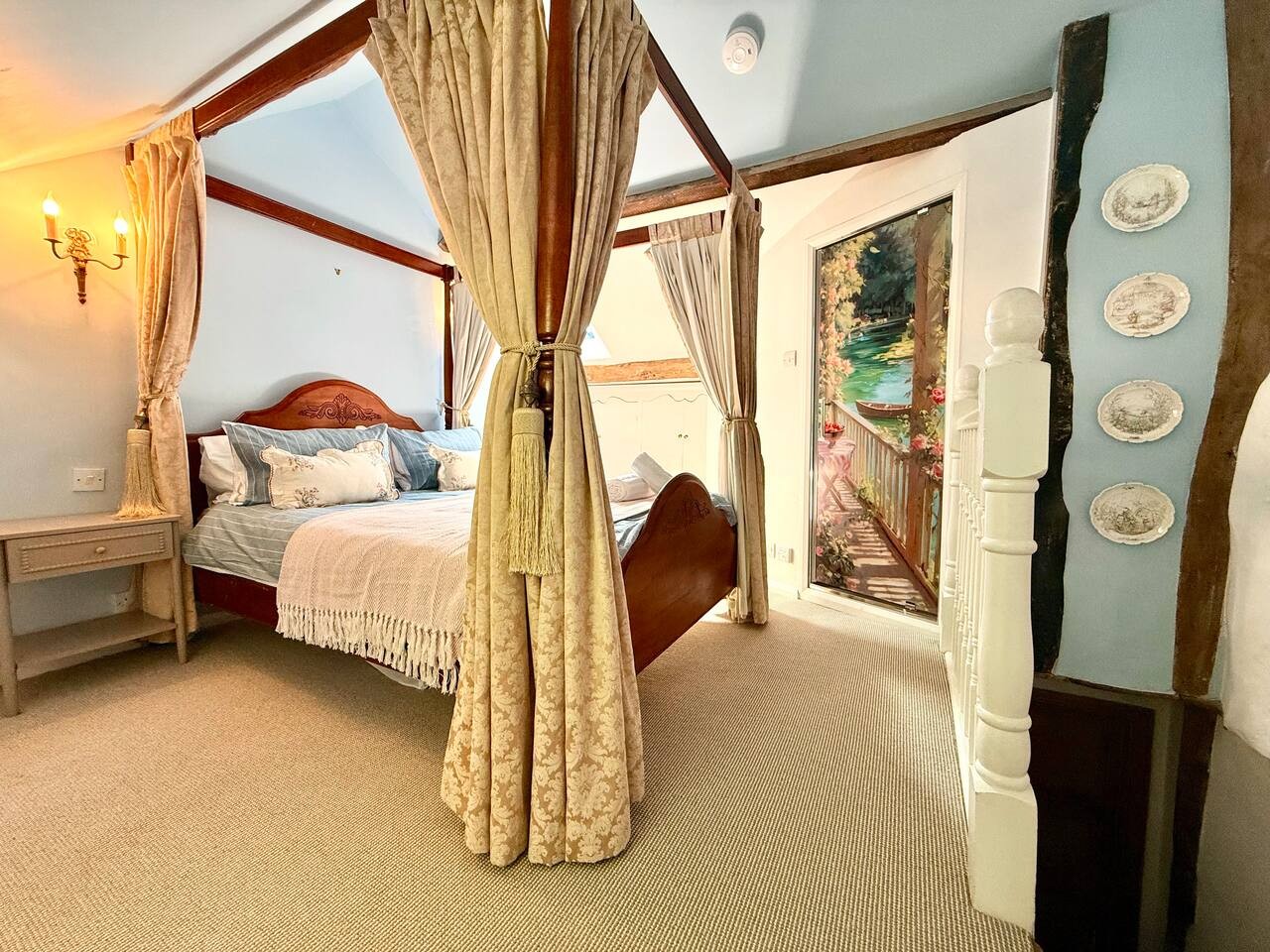
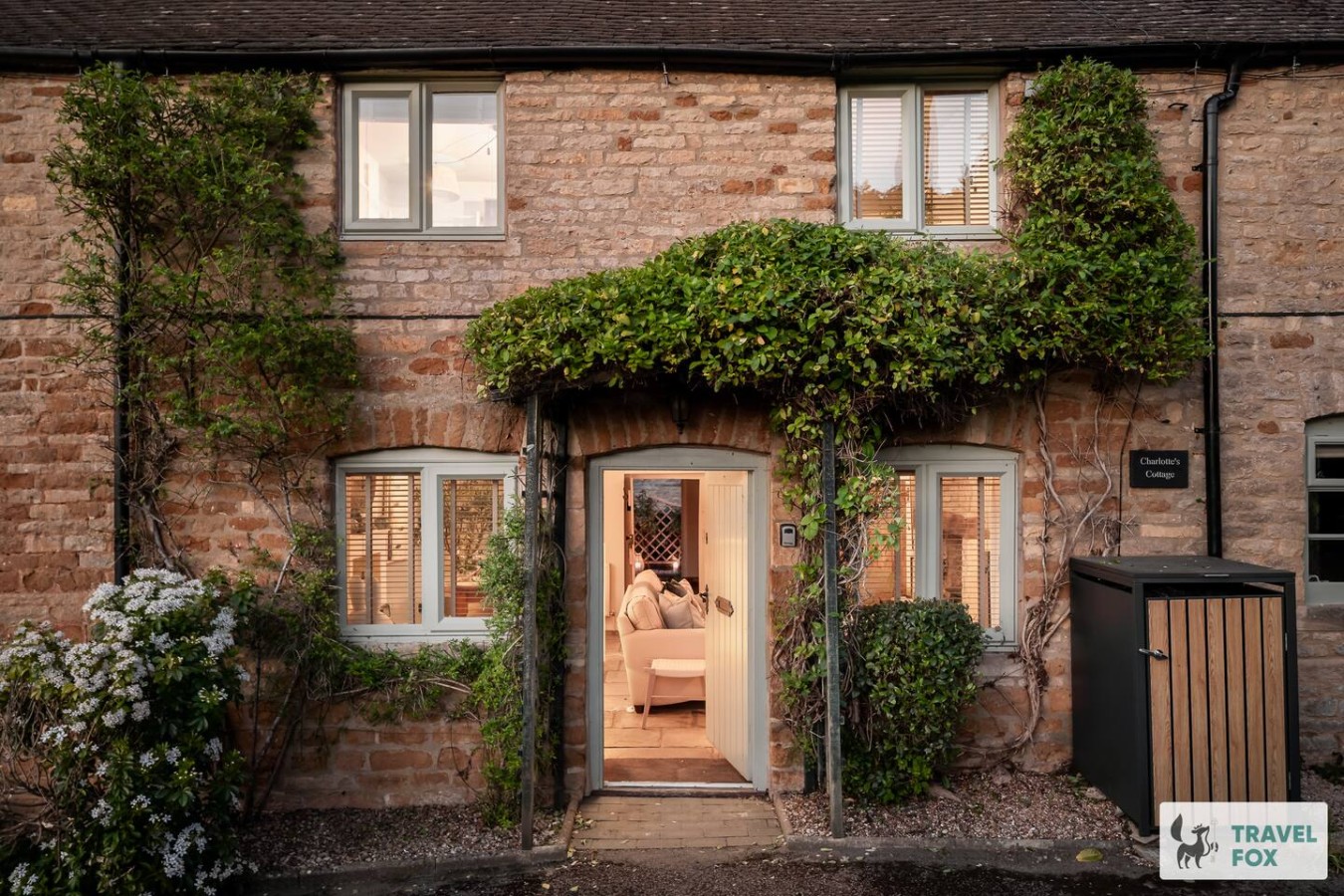
Travel Fox holiday homes around Cotswolds, linked directly to their property pages.
For homeowners
Own a holiday home near Birdlip?
We manage holiday lets across the Cotswolds from 12% commission, charged after cleaning costs, with no lock-in. A co-founder visits before you decide.
Holiday let management in the Cotswolds →
A guide with a point of view
Written from research. Edited for real journeys.
Use the Official site links for live practical details, then use this guide for context, ideas and room to explore.
Sources
Every place on this page is checked against a published source. Each entry links the record we used and names who publishes it.
- Royal George Hotel — greenekinginns.co.uk other published source
- St Mary-in-Hamlet — achurchnearyou.com national body or asset manager
- Barrow Wake — gloucestershirewildlifetrust.co.uk other published source
- Crickley Hill — nationaltrust.org.uk national body or asset manager
- Painswick Rococo Garden — rococogarden.org.uk operator, sector body or destination organisation
- Museum of Gloucester — museumofgloucester.co.uk operator, sector body or destination organisation
- Gloucester Cathedral — gloucestercathedral.org.uk operator, sector body or destination organisation