
Tidebound Lancashire
Sunderland Point
A windswept peninsula of tidal marsh, waterside terraces, shore walking and the remains of Lancaster's former outport.
- Best for
- Walking, birdwatching and Sambo's Grave
- Give it
- 3–3.5 hours for the circular walk
- Don't miss
- Sambo's Grave on the open shore
The Fox verdict
A village governed by the tide
Come for the open seascape and walking, then stay with the Point's difficult transatlantic history.
Sunderland Point stands where the River Lune meets Morecambe Bay and the Irish Sea. Its two low terraces recall an 18th-century outport for Lancaster, while the shore path leads to Sambo's Grave and a peninsula designated as a Site of Special Scientific Interest for its birdlife.
Where to go
Places in Sunderland Point
Every place below is checked against a published source, listed with what it is and how long to give it.
Local signatures
3 placesSunderland Point Circular
A 5.5-mile circuit from Overton across the tidal causeway, along Sunderland shore and a gated path to Sambo's Grave, then by the Middleton Sands slipway, Trailholme Road and field paths back to Overton.
- Visit length
- Editorial estimate: Allow 3–3.5 hours
- Locality
- Starts at the Globe Inn car park, Overton
- Access
- The causeway crossing is only possible at low tide; the alternative footpath and bridlepath are unaffected by tides. Dogs must be kept leashed and drones are banned over the salt-marsh and mudflats.
Sambo's Grave
The shore grave of Sambo, a Black cabin boy or enslaved servant who arrived around 1736 and died after believing he had been abandoned; flowers, wooden crosses and painted pebbles continue to be left there.
- Visit length
- Editorial estimate: around 35 minutes
- Locality
- On the windswept shore of Morecambe Bay
The Ship Hotel, Overton
A traditional village pub and inn with rooms, real ales, a beer garden, an open fire, leather armchairs and an on-site art gallery; the cited menu includes belly pork with crackling and chicken Parmo.
- Visit length
- Editorial estimate: around 90 minutes
- Locality
- Overton
History & heritage
3 placesThe Cotton Tree
The landmark rare female black poplar fell in a storm in 1998; two genetically identical young clones grown from its root runners survive on Second Terrace.
- Visit length
- Editorial estimate: around 15 minutes
- Locality
- Second Terrace
Horizon Line Chamber
Artist Chris Drury's stone camera-obscura-style chamber stands on the approach path to Sambo's Grave.
- Visit length
- Editorial estimate: around 20 minutes
- Locality
- On the approach path to Sambo's Grave
St Helen's Church, Overton
A Grade II* church with a main body dating from about 1050–1140 and a Norman south doorway whose decorated orders include beakhead and chevron carving.
- Visit length
- Editorial estimate: around 30 minutes
- Locality
- Overton
No places match this filter. Choose All places to reset the list.
Three ways to explore Sunderland Point
Signature outings
The Point on Foot
Follow the 5.5-mile circular from Overton across the tidal causeway, along Sunderland shore and back by field paths.
Horizon Line Chamber
Find Chris Drury's stone camera-obscura-style chamber on the approach path to Sambo's Grave.
A Norman Doorway
Look for beakhead ornament and chevron decoration in the Norman south doorway of St Helen's Church.
The village story
Sunderland Point Village Guide
A tide-dependent peninsula where open marsh, shore walking and Lancaster's former outport meet.
Terraces and Tidal Access
The front doors have flood boards leaning beside them, ready to slot into place. This is the first thing you notice about the two low terraces at Sunderland Point: Georgian and late-17th-century houses facing the water, each one prepared to be flooded. Heysham nuclear power station sits on the shoreline to the north. The two rows are called, without ceremony, First Terrace and Second Terrace.
To reach any of it you drive a single-track road across open tidal marsh, and the road goes under water at every high tide. When the tide runs above about eight metres it is impassable, so you check a tide table before you leave and again before you come back. There is no official car park. You leave the car on the shingle near the public toilets, where it is also at some risk of tidal submersion, or you park at Potts Corner and walk in along the West Shore. Sunderland Point is the only mainland community in the country entirely dependent on the tide letting it in.
Picnic Plans and Overton
Which means the practical advice is short. There are no pubs, no shops and no cafés here, so you bring a picnic. The nearest of everything is Overton, a mile and a half away across the causeway, which has two pubs and St Helen's Church, one of the oldest in Lancashire, with a Norman south doorway carved with beakhead and chevron. The Ship Hotel in Overton does belly pork with crackling and a chicken Parmo, at prices reviewers call very reasonable and in portions they call very generous. There is an open fire and leather armchairs and an art gallery on site.
Walking the Peninsula
The walking is the reason to be here. The Sunderland Point circular runs five and a half miles from Overton across the causeway, along the shore and back by field paths, taking in salt marsh, mud flats and shingle. The whole peninsula is a Site of Special Scientific Interest with, as it is put, a remarkable display of birdlife; dogs stay leashed and drones are banned over the marsh. Great British Life called it an "edge-of-the-known-world seascape."
Rise and Fall of the Outport
The village was built to be busy. A Quaker named Robert Lawson raised it around 1700 as an outport for Lancaster, handling cotton, sugar and slaves, with a custom house, an anchor smithy and a ropewalk, some of it built from stone robbed off the ruined Cockersand Abbey across the river. Lawson went bankrupt in 1728. When Glasson Dock opened in 1787 the trade left, and Sunderland reinvented itself as a place to take the sea air.
Sambo's Grave
The gated path along the shore leads to Sambo's grave, the resting place of a Black cabin boy who arrived around 1736, believed himself abandoned when his master went to Lancaster, and died in a brewhouse loft. He was buried in unconsecrated ground on the open shore. The grave almost always bears flowers, wooden crosses or pebbles painted by local children, and new ones keep arriving.
Stay around Lancashire
Make a longer stay of it
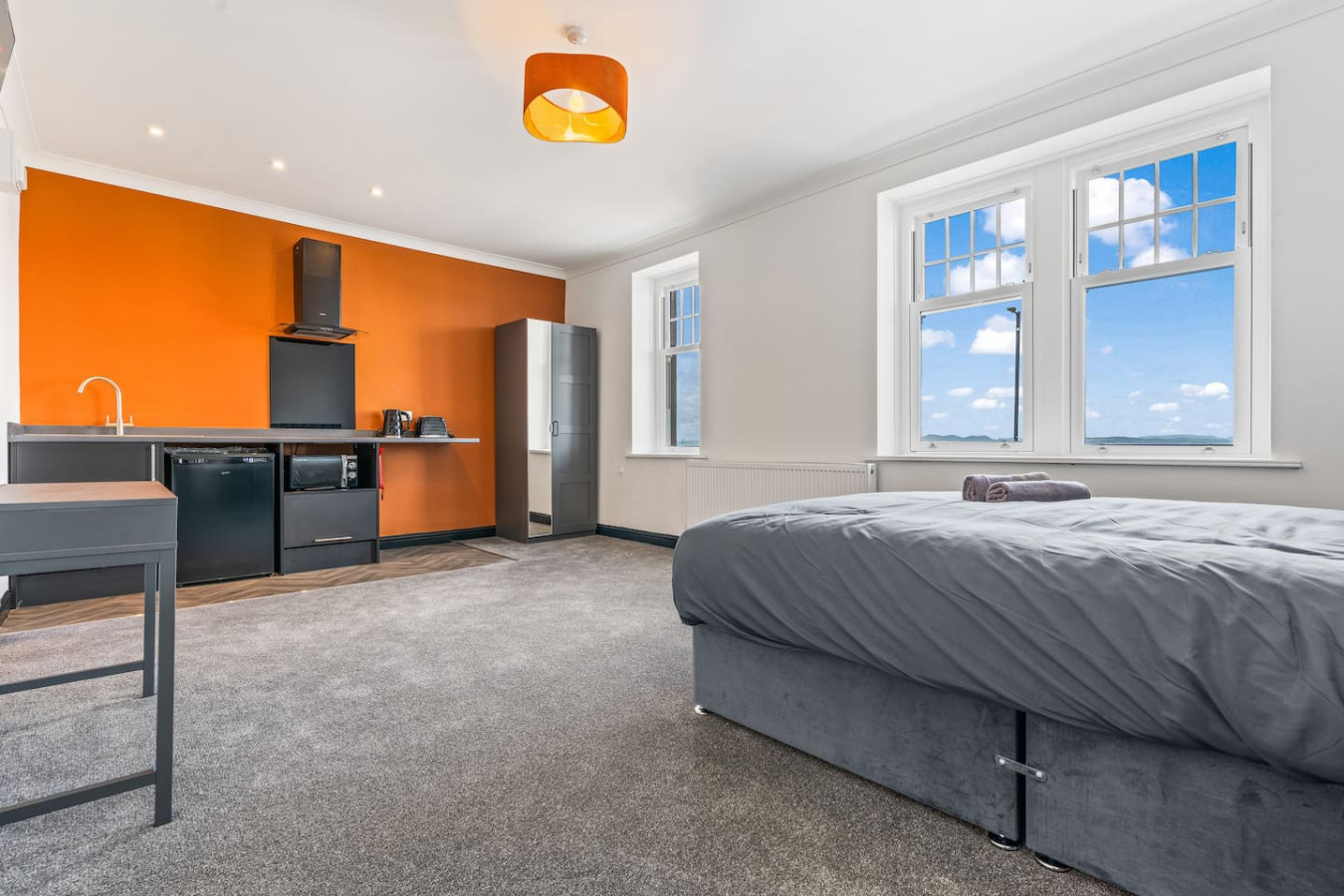
Travel Fox holiday homes around Lancashire, linked directly to their property pages.
A guide with a point of view
Written from research. Edited for real journeys.
Use the Official site links for live practical details, then use this guide for context, ideas and room to explore.
Sources
Every place on this page is checked against a published source. Each entry links the record we used and names who publishes it.
- Sunderland Point Circular — sunderlandpoint.net operator, sector body or destination organisation
- Sambo's Grave — redrosecollections.lancashire.gov.uk statutory register or public authority
- The Cotton Tree — sunderlandpoint.net other published source
- Horizon Line Chamber — sunderlandpoint.net other published source
- St Helen's Church, Overton — historicengland.org.uk statutory register or public authority record not machine-readable; publisher restricts automated access
- The Ship Hotel, Overton — overton-pc.gov.uk statutory register or public authority