
Moray town guide
Elgin
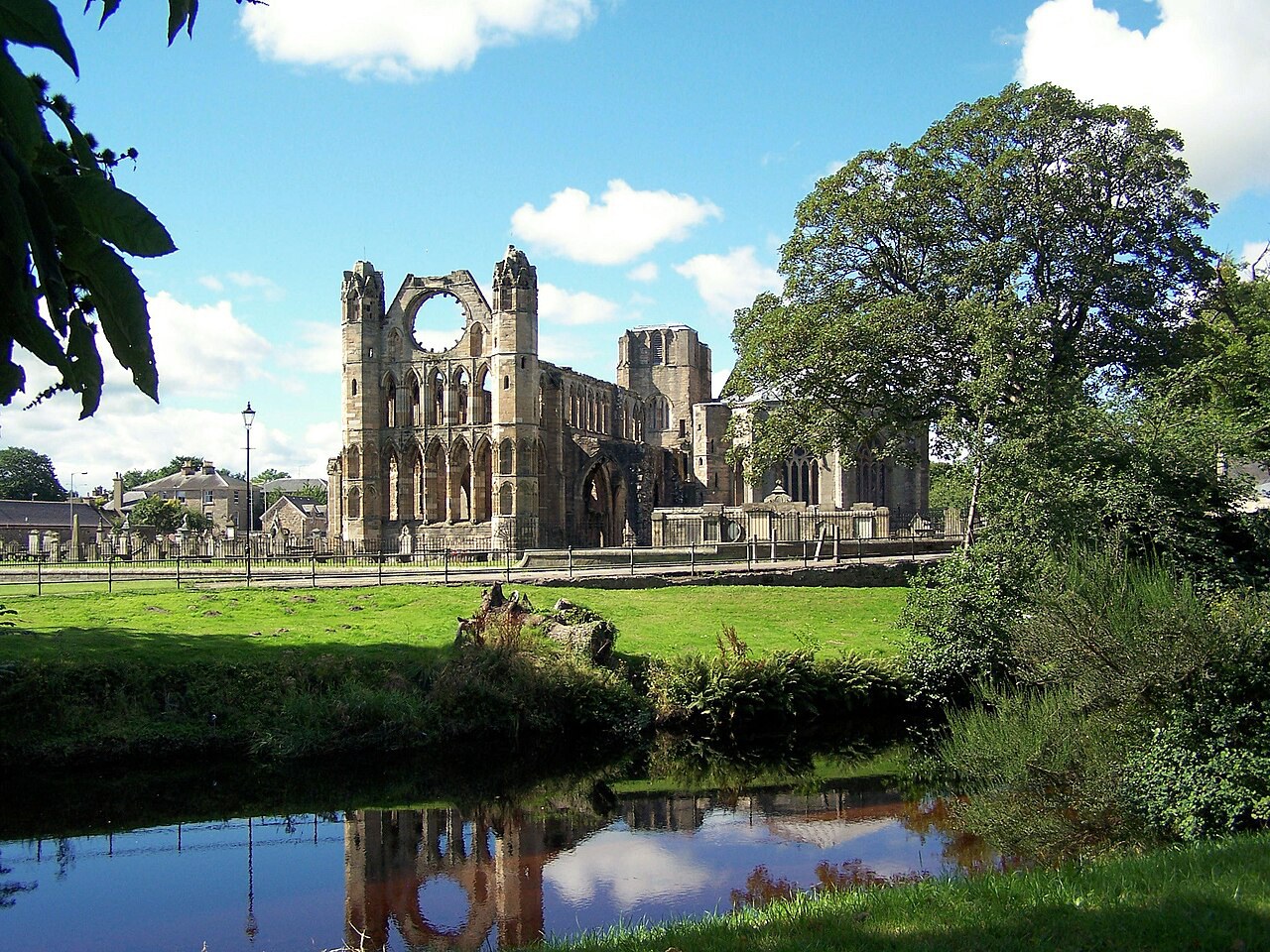
Moray's largest town brings together the River Lossie, the Lantern of the North, a working cashmere mill and long-established local food and drink.
- Cathedral established
- 1224
- Johnstons founded
- 1797
- Coast
- Roughly 5 miles north
Photo: Billreid at English Wikipedia · CC BY-SA 3.0 · cropped
The Fox verdict
Elgin rewards a day built around craft, ruins and the River Lossie
The cathedral supplies the landmark, while the mill, museum, park and garden make the town more than a single-stop heritage visit.
Come for the climbable west towers and unique octagonal chapter house, then add Scotland's last vertical woollen mill, Elgin Museum in Miniature and riverside Cooper Park. Local seafood, Aberdeen Angus beef, real ale and Moray whisky give the day a strong food-and-drink finish.
Where to go
Places in Elgin
Every place below is checked against a published source, listed with what it is and how long to give it.
Local signatures
3 places
Start here
Elgin Cathedral
The ruined Lantern of the North has twin west towers, an octagonal chapter house with carved beasts and faces, and a Pictish cross slab.
- Visit length
- Editorial estimate: Suggested 90 minutes
- Locality
- Elgin
- Access
- Conservation work has left scaffolding and fencing around parts of the cathedral.
Johnstons of Elgin
Founded in 1797, Johnstons operates Scotland’s only vertical weaving mill at Elgin, with guided Mill Experiences, a retail store and Weavers Coffee Shop.
- Visit length
- Editorial estimate: Suggested 90 minutes
- Locality
- Newmill on the banks of the River Lossie
- Access
- Book a paid Mill Experience in advance; same-day reservations and walk-ins depend on availability.
Cooper Park
A public park with riverside walks, landscaped grounds, play equipment, tennis courts, a bowling green and a cricket pitch.
- Visit length
- Editorial estimate: Suggested 60 minutes
- Locality
- Along the River Lossie in Elgin
- Access
- Use the riverside paths and play area; improvement works around the pond may affect nearby routes, so follow signs on site.
Food & drink
2 placesThe Muckle Cross
A Wetherspoon pub at 34 High Street, named for the medieval Muckle Cross, with a food menu and step-free access.
- Visit length
- Editorial estimate: Suggested 60 minutes
- Locality
- Elgin
- Access
- It can get very busy, particularly at weekends.
The Mansefield Restaurant & Lounge Bar
The hotel restaurant serves local North Sea seafood, Prime Aberdeen Angus beef and game from local estates, with oil paintings and watercolours on the walls.
- Visit length
- Editorial estimate: Suggested 75 minutes
- Locality
- Elgin
- Access
- The restaurant was refurbished in 2011 for informal dining.
Walks & outdoors
1 place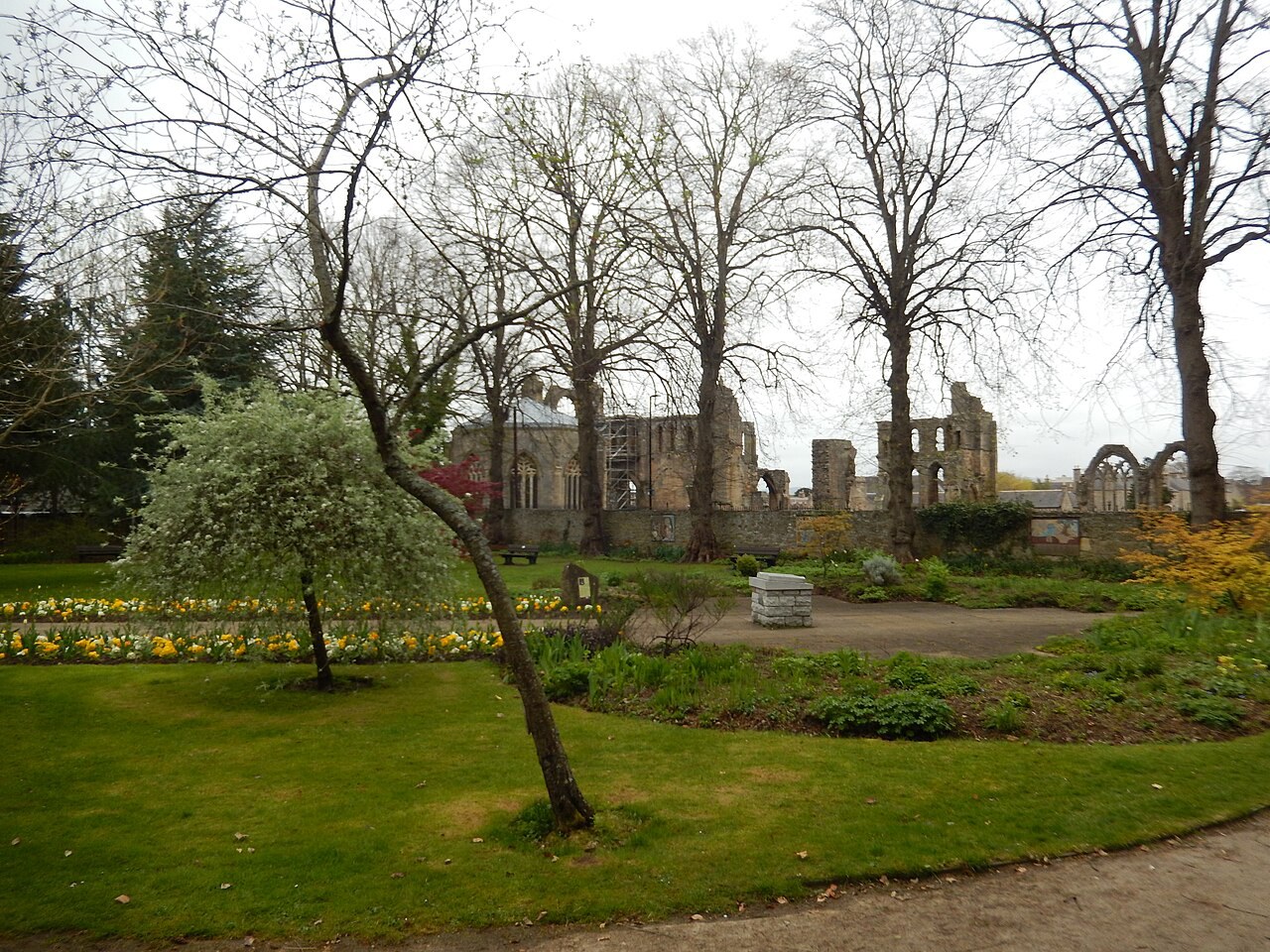
Elgin Biblical Garden
A three-acre walled garden laid out as a Celtic cross, planted with trees mentioned in the Bible and punctuated by sculpted biblical figures.
- Visit length
- Editorial estimate: Suggested 60 minutes
- Locality
- Beside the Cathedral, Bishop's Palace and River Lossie
- Access
- Admission is free throughout the year.
History & heritage
1 placeSt Giles Church
The Category A listed parish church was completed in 1828 to Archibald Simpson's Greek Revival design, replacing its medieval predecessor.
- Visit length
- Editorial estimate: Suggested 30 minutes
- Locality
- High Street
Things to do
1 place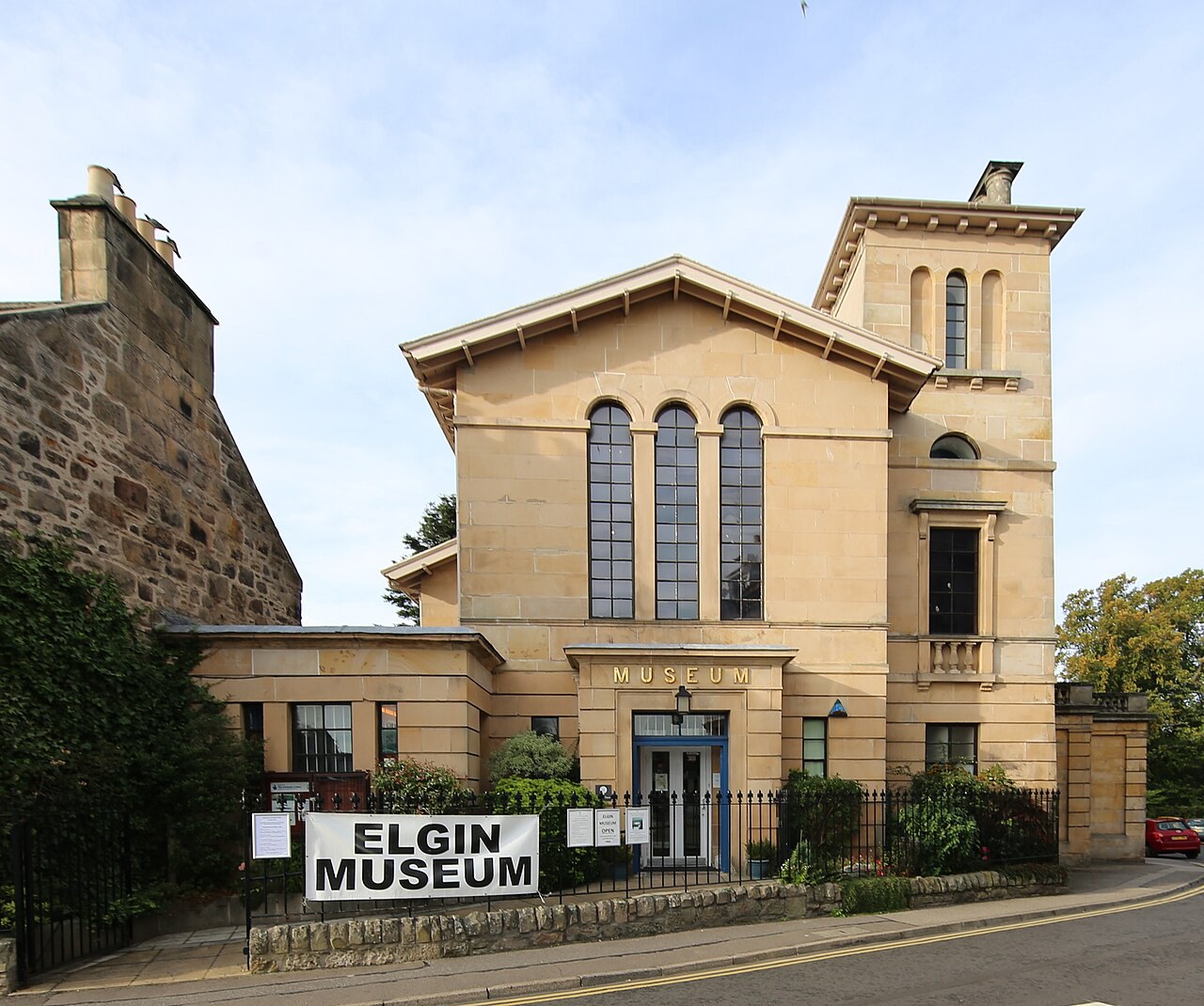
Elgin Museum
Scotland’s oldest independent museum holds local fossils and Pictish carved stones. Highlights from its collections appear in the Museum in Miniature pop-up.
- Visit length
- Editorial estimate: Suggested 75 minutes
- Locality
- Elgin
- Access
- Museum in Miniature is accessible in the Side Hall; building problems prevent visits to the main galleries or by appointment.
No places match this filter. Choose All places to reset the list.
Three ways to explore Elgin
Signature outings
Find the cathedral’s Pictish cross slab
Look for the Pictish cross slab’s rare falconry scene and the Anderson family’s five-metre gravestone against the south choir aisle.
Find figures and biblical trees inside the walls
Bring a picnic into this quiet garden beside the cathedral; horticulture students and local volunteers help care for its planting.
Read Moray through the museum collections
Founded in 1843, Elgin Museum holds more than 900 local fish and reptile fossils and Moray's largest collection of Pictish and early-medieval carved stones.
The town story
Elgin: whisky, cashmere and the Lantern of the North
Follow Elgin’s whisky and cashmere stories from the town centre to the Lossie, then make time for the cathedral, gardens and local food.
Whisky continuity on South Street
Gordon & MacPhail began on Elgin’s South Street in 1895 as a grocer and wine and spirits merchant. The historic building is being transformed into a whisky visitor experience. Visitors can find the company’s retail and tasting venue at The Courtyard inside the Newmill cashmere mill.
South Street is part of a town that has grown along the banks of the River Lossie for centuries, with the Moray Firth coast to the north.
Pubs, restaurants and food shops
The Muckle Cross is a Wetherspoon pub at 34 High Street, named after the market cross that once stood at the heart of Elgin. It serves food and drink and has step-free access.
The Mansefield Restaurant specialises in North Sea seafood and Aberdeen Angus beef from local estates, in a room decorated with paintings and watercolours. At the Sunninghill, the kitchen uses local and seasonal ingredients where possible, and the bar offers a broad malt whisky selection.
Cashmere beside the Lossie
The Batchen Street butcher’s shop long known as JC Dawson passed from the Dawson family to new owner Paul Shorter in 2026; he says its familiar pies will stay. Allarburn Farm Shop offers produce from its own farm and other local growers and makers.
At Newmill beside the Lossie, Johnstons of Elgin has worked with natural fibres since 1797. Its Elgin site is Scotland’s only vertical weaving mill. Visitors can book paid guided Mill Experiences, browse the Mill Shop and stop at Weavers Coffee Shop.
Park, garden and the Lantern of the North
Cooper Park follows the Lossie, with riverside paths and a pond area undergoing improvement works. The Biblical Garden nearby has planting inspired by biblical texts and free year-round admission. A circular walk follows the park paths, with the cathedral precinct nearby as an optional extension.
Elgin Cathedral began in 1224 and was burned by Alexander Stewart, the Wolf of Badenoch, in 1390. Its west front and octagonal chapter house survive; inside the chapter house, look for carved beasts and faces. A Pictish cross slab from the old St Giles church also stands among the ruins.
Connections, coast and a Strathspey composer
Elgin railway station, on the Aberdeen–Inverness line, and Elgin bus station are separate stops. Historic Environment Scotland puts the railway station 0.8 mile from the cathedral. Lossiemouth lies to the north, while Pluscarden Abbey is about 5.7 miles southwest of Elgin in a straight line; the road journey is longer.
William Marshall, factor to the Gordon estate, wrote 257 fiddle tunes in whatever time the job left him, built clocks and watched the stars. Burns called him the first composer of Strathspeys of the age.
Stay around Moray
Make a longer stay of it
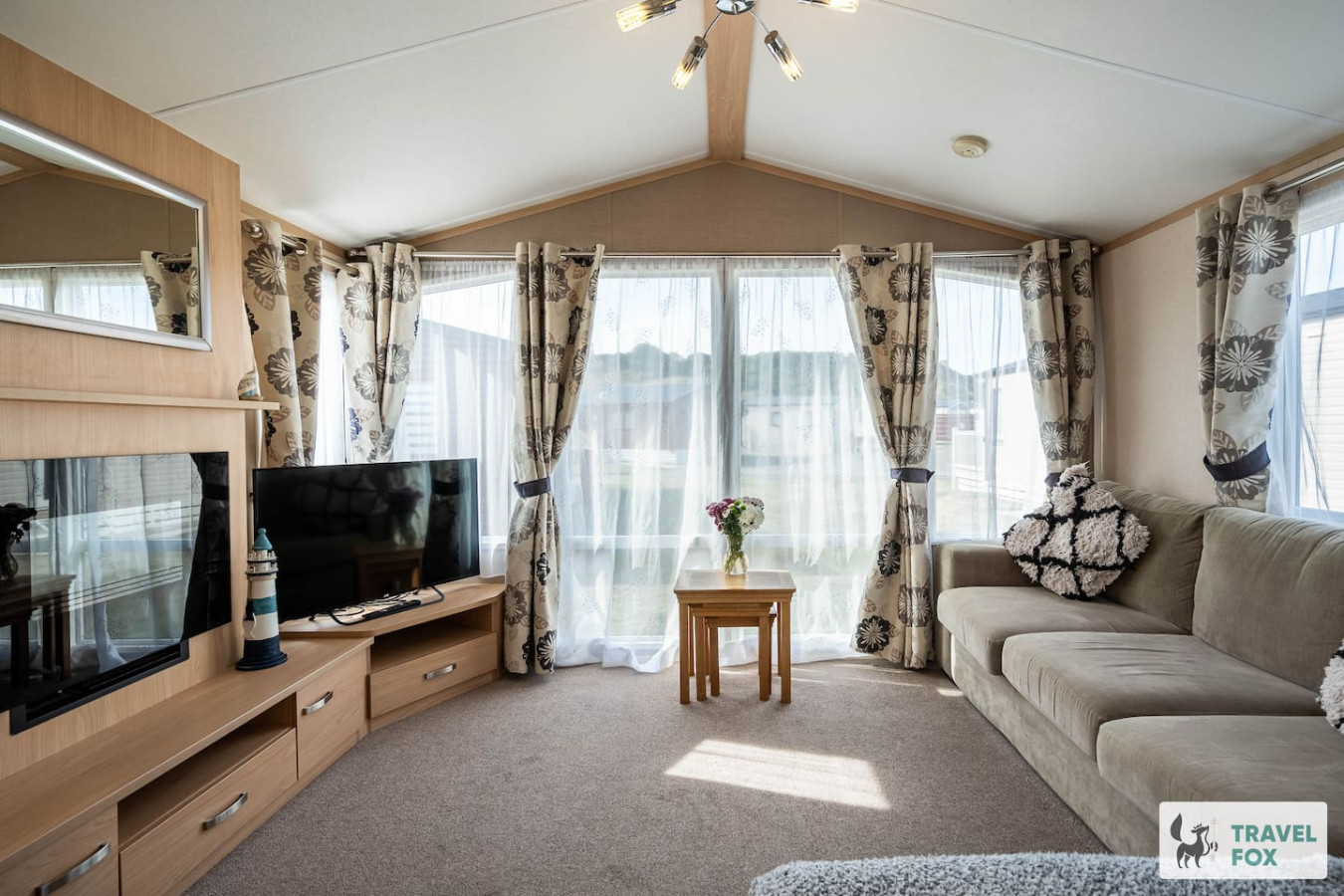
Travel Fox holiday homes around Moray, linked directly to their property pages.
For homeowners
Own a holiday home near Elgin?
We manage holiday lets across the UK from 12% commission, charged after cleaning costs, with no lock-in. A co-founder visits before you decide.
How our holiday let management works →
A guide with a point of view
Written from research. Edited for real journeys.
Use the Official site links for live practical details, then use this guide for context, ideas and room to explore.
Photography credits & licences
Third-party photographs are credited to their named creators and reused under the linked Creative Commons licence or public-domain dedication. Travel Fox stores an optimised local copy; the file-specific changes and any browser-applied display crop are disclosed below. Reused photographs link both to the Wikimedia Commons source record and to the declared source image; Travel Fox's own photographs carry no such record and are marked as ours. These image licences do not cover Travel Fox text, branding or page design.
- File:Elgin cathedral 2.jpg — photograph by Billreid at English Wikipedia; Transferred from en.wikipedia to Commons.. Source record on Wikimedia Commons. Declared source image. Licence: CC BY-SA 3.0. File changes: Downloaded from Wikimedia Commons, resized to a maximum 1920px edge and encoded as an optimised JPEG. Display changes: Displayed with responsive CSS cropping.
- File:DSCN8122 Elgin Biblical Garden.jpg — photograph by AlasdairW; Own work. Source record on Wikimedia Commons. Declared source image. Licence: CC BY-SA 3.0. File changes: Downloaded from Wikimedia Commons, resized to a maximum 1920px edge and encoded as an optimised JPEG. Display changes: Displayed with responsive CSS cropping.
- File:Elgin museum Moray.JPG — photograph by Geni; Photo by user:geni. Source record on Wikimedia Commons. Declared source image. Licence: CC BY-SA 4.0. File changes: Downloaded from Wikimedia Commons, resized to a maximum 1920px edge and encoded as an optimised JPEG. Display changes: Displayed with responsive CSS cropping.
Sources
Every place on this page is checked against a published source. Each entry links the record we used and names who publishes it.
- Elgin Cathedral — historicenvironment.scot statutory register or public authority record not machine-readable; publisher restricts automated access
- Johnstons of Elgin — discover.johnstonsofelgin.com operator, sector body or destination organisation
- Cooper Park — moray.gov.uk statutory register or public authority
- Elgin Biblical Garden — biblicalgardenelgin.co.uk operator, sector body or destination organisation
- Elgin Museum — elginmuseum.org.uk operator, sector body or destination organisation
- St Giles Church — scotlandschurchestrust.org.uk other published source
- The Muckle Cross — jdwetherspoon.com other published source
- The Mansefield Restaurant & Lounge Bar — themansefield.com operator, sector body or destination organisation