
River, heath and old stories
Fittleworth
A South Downs village where a medieval inn, an ancient church tower and the River Rother meet the wooded greensand.
- Best for
- River crossings, heathland walking and art history
- Give it
- A village half-day or a full day with one nearby stop
- Don't miss
- The Swan's painted dining room and Fittleworth Bridge
Photo: Simon Burchell · CC BY-SA 3.0 · cropped
The Fox verdict
A small village with unusually rich stories
Fittleworth rewards a slow visit built around the River Rother, local food and the greensand landscape.
The village brings several strands of West Sussex together: paintings left at an old coaching inn, bells in a late-eleventh-century tower, a many-arched historic bridge and a long-distance trail through heath and woodland. Fittleworth Stores makes a useful community-owned pause, while Petworth House and Bignor Roman Villa broaden a full-day visit.
Where to go
Places in Fittleworth
Every place below is checked against a published source, listed with what it is and how long to give it.
Local signatures
3 placesThe Swan Inn
A restored late-fourteenth-century country inn with a pub bar, panelled dining room, barn and bedrooms; its history includes Turner, Constable, Kipling and the Ancient Order of Froth Blowers.
- Visit length
- Editorial estimate: around 90 minutes
- Locality
- Fittleworth village
Fittleworth Stores
A community-owned shop, café and Post Office carrying groceries and produce from more than thirty local suppliers, with indoor and outdoor café seating and a playground beside it.
- Visit length
- Editorial estimate: around 45 minutes
- Locality
- Fittleworth village
Bignor Roman Villa
The remains of a Roman home with internationally important mosaic floors, plus a tearoom and interactive talks and events.
- Visit length
- Editorial estimate: around 90 minutes
- Locality
- Bignor
History & heritage
3 placesThe Parish Church of St Mary
The parish church has a Grade I late-eleventh-century tower, a broached shingled spire and a peal of six bells enlarged by Canon Arthur Simpson, who was noted for his work on bell tuning.
- Visit length
- Editorial estimate: around 30 minutes
- Locality
- Upper Street, Fittleworth
Fittleworth Bridge
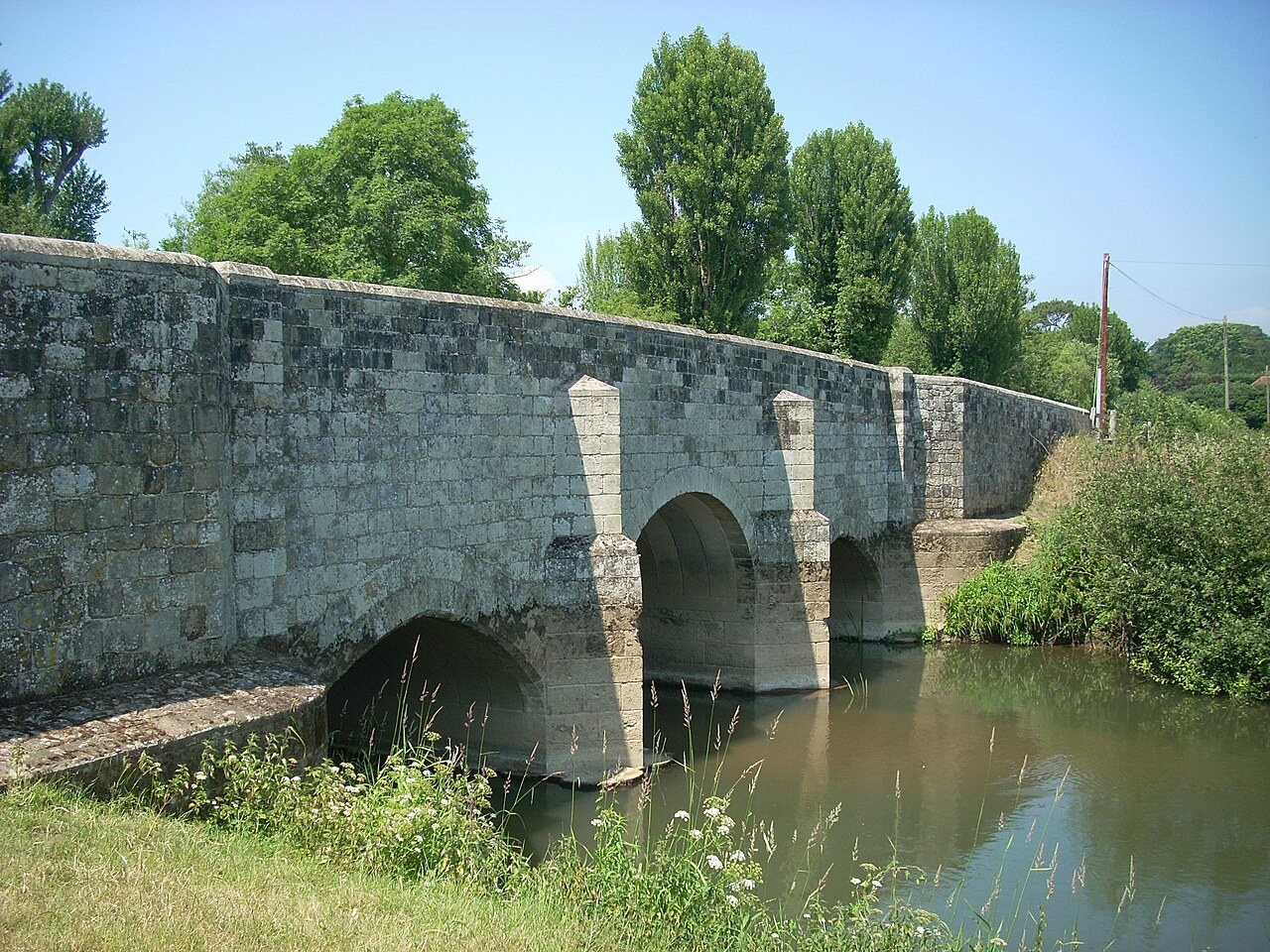
A Grade II scheduled monument crossing the River Rother, combining a three-arch southern section of sixteenth-century origin with a two-arch northern section dating from 1811–12.
- Visit length
- Editorial estimate: around 20 minutes
- Locality
- River Rother, Fittleworth
Petworth House and Park
A seventeenth-century house with works by Turner, Van Dyck and Gainsborough, alongside a Capability Brown pleasure garden and a 700-acre deer park with two lakes.
- Visit length
- Editorial estimate: around 150 minutes
- Locality
- Petworth
No places match this filter. Choose All places to reset the list.
Three ways to explore Fittleworth
Signature outings
Five Arches, Two Eras
See how Fittleworth Bridge joins a southern section of sixteenth-century origin to two northern arches built in 1811–12.
A Shingled Medieval Landmark
Study St Mary's late-eleventh-century tower and broached shingled spire, then look for signs of the nineteenth-century rebuilding.
Turner and the Deer Park
Combine Petworth House's Turner collection with its Capability Brown pleasure garden and 700-acre deer park.
The village story
Fittleworth Village Guide
Artists, bells, old stone and heathland paths gather around a quietly winding stretch of the River Rother.
The Inn Where Pictures Paid the Bill
The panelled dining room at The Swan Inn still hangs paintings that guests left in place of paying. Turner and Constable were among the artists who stayed here and sometimes settled their bills in artwork, and the walls have kept the habit. The inn goes back to the late fourteenth century, and its written record begins in 1536, when royal couriers changed horses in the yard. Rudyard Kipling signed the visitor book over three days in July 1901. In 1924 a man named Bert Temple founded the Ancient Order of Froth Blowers, and its first meeting was held here.
The Swan is still the village pub, with a bar, a forty-six-cover dining room, a barn and twelve bedrooms. The kitchen keeps to classics: ploughman's with farmhouse cheddar, seasonal suet-crust pies, grilled day-boat fish, Sussex pond pudding. The lamb comes from Jeremy Way, who farms two miles away, and the honey from a local orchard. In summer the courtyard runs a wood-fired pizza kitchen among fruit trees, firepits and a boules pitch. Dogs are welcome on a lead inside; Michelin noted a friendly team, "but the even friendlier pub dog."
A Community Shop and a Ringing Tower
A few minutes away, Fittleworth Stores does the work of a shop, a café and a Post Office at once. The old village shop closed in 2011; this one opened in October 2018, community-owned, run by manager Toni with paid staff and volunteers. It stocks groceries from more than thirty local suppliers alongside village pottery, art and jewellery. The café turns out cooked breakfasts, bacon baps, sausage rolls, homemade cakes and Jengers Craft Bakery doughnuts, with its own coffee blend from Edge Tea & Coffee and Downsview Farmhouse ice cream. In 2024 it was named National Champion Village Shop and Post Office. A children's playground and playing field sit beside it.
The Parish Church of St Mary stands on Upper Street, its late-eleventh-century tower listed Grade I and topped by a broached shingled spire. Henry Woodyer rebuilt the nave in 1871. Canon Arthur Simpson, rector here from 1876 to 1900 and known for his work on bell tuning, increased the church's two medieval bells to a peal of six. A band still rings them.
Bridge, Mill and Elgar by the Rother
Below the village, the River Rother is crossed by Fittleworth Bridge, a scheduled monument whose southern three arches are sixteenth-century in origin, rebuilt between 1717 and 1739, and whose northern two arches were built in 1811. The mill nearby was a corn mill first recorded in 1246 and rebuilt in stone in 1623; Turner painted it as Fittleworth Mill on the River Rother. From 1917 Edward Elgar rented a seventeenth-century cottage here called Brinkwells, and it was at Fittleworth that he composed his Cello Concerto.
Greensand Walks and Nearby Treasures
Walking is one of the things Fittleworth does well. The Serpent Trail passes through on its way across the greensand, the stage from Petworth arriving through wood and heath, the next crossing the Rother by way of Hesworth Common, with its lowland heath and purple heather. Petworth House and its deer park lie nearby, as do the Roman mosaics at Bignor. Pulborough station is about five minutes by car, the A283 runs past the village, and the Stagecoach 1 threads between Petworth and Worthing.
One Last Evening in the Courtyard
On a summer evening, the pizza oven in the Swan's courtyard is still going among the fruit trees and firepits.
Stay around South Downs
Make a longer stay of it
Travel Fox holiday homes around South Downs, linked directly to their property pages.
For homeowners
Own a holiday home near Fittleworth?
We manage holiday lets across the UK from 12% commission, charged after cleaning costs, with no lock-in. A co-founder visits before you decide.
How our holiday let management works →
A guide with a point of view
Written from research. Edited for real journeys.
Use the Official site links for live practical details, then use this guide for context, ideas and room to explore.
Photography credits & licences
Third-party photographs are credited to their named creators and reused under the linked Creative Commons licence or public-domain dedication. Travel Fox stores an optimised local copy; the file-specific changes and any browser-applied display crop are disclosed below. Reused photographs link both to the Wikimedia Commons source record and to the declared source image; Travel Fox's own photographs carry no such record and are marked as ours. These image licences do not cover Travel Fox text, branding or page design.
- File:Lower Fittleworth bridge 1.JPG — photograph by Simon Burchell; Own work. Source record on Wikimedia Commons. Declared source image. Licence: CC BY-SA 3.0. File changes: Downloaded from Wikimedia Commons, resized to a maximum 1920px edge and encoded as an optimised JPEG. Display changes: Displayed with responsive CSS cropping.
Sources
Every place on this page is checked against a published source. Each entry links the record we used and names who publishes it.
- The Swan Inn — swaninnfittleworth.com operator, sector body or destination organisation
- Fittleworth Stores — fittleworthstores.co.uk operator, sector body or destination organisation
- The Parish Church of St Mary — historicengland.org.uk statutory register or public authority record not machine-readable; publisher restricts automated access
- Fittleworth Bridge — historicengland.org.uk statutory register or public authority record not machine-readable; publisher restricts automated access
- Petworth House and Park — nationaltrust.org.uk national body or asset manager
- Bignor Roman Villa — bignorromanvilla.co.uk operator, sector body or destination organisation record not machine-readable; publisher restricts automated access