
Chalk, water and ingenuity
Offham
A small historic village between the South Downs chalk scarp and the Ouse water meadows, with walking routes, Victorian detail and an unusual industrial story.
- Best for
- Walking and industrial heritage
- Landscape
- Chalk scarp and Ouse water meadows
- Refreshment
- A village pub, but no village shop
Photo: Dave Spicer · CC BY-SA 2.0 · cropped
The Fox verdict
A small village with a steep sense of history
Offham rewards walkers who like their downland scenery threaded with engineering, church architecture and a distinctive pub.
The compact village sits where the Downs meet the Ouse meadows. Its useful short visit links St Peter's Victorian architecture with a two-mile heritage circuit, while longer National Park walks climb through the chalk pits and towards Black Cap.
Where to go
Places in Offham
Every place below is checked against a published source, listed with what it is and how long to give it.
Local signatures
3 placesLewes Rail to Ramble Circular
A National Park circuit following the River Ouse and woodland into Offham before reaching the chalk-pit plateau, Jill's Pond and Landport Bottom.
- Visit length
- Editorial estimate: around 3½ hours
- Locality
- from Lewes through Offham
- Access
- Moderate route with uneven and sometimes muddy ground, stiles and a steep climb to Offham Chalk Pits.
Cooksbridge Rail to Ramble Circular
A National Park circular combining high downland views from Black Cap with the winding River Ouse and a descent to Offham.
- Visit length
- Editorial estimate: around 3½ hours
- Locality
- between Cooksbridge and Offham
- Access
- Moderate route with a steep climb to Black Cap and a fairly steep descent to Offham.
Beechwood Hall and Rural Park
A parish recreation space serving Offham, Cooksbridge, Hamsey and Bevern Bridge, with green space and a playground.
- Visit length
- Editorial estimate: around 45 minutes
- Locality
- in Hamsey parish
Food & drink
1 place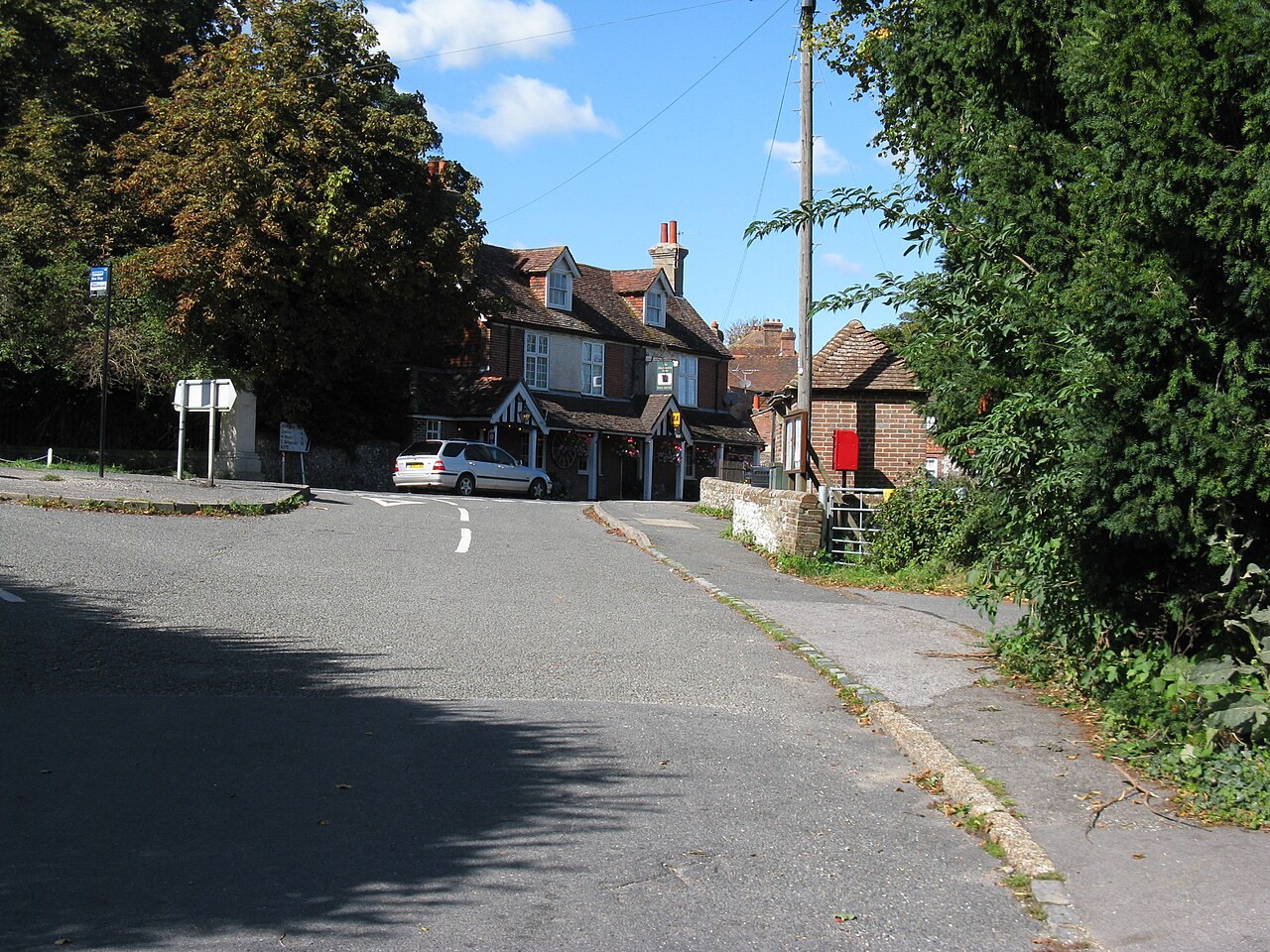
The Blacksmiths Arms
A traditional 18th-century country inn with a Caribbean twist, serving jerk cooking, Sunday roasts, pub classics and Jamaican-influenced vegetarian and vegan dishes.
- Visit length
- Editorial estimate: around 1 hour
- Locality
- at the foot of the South Downs
- Access
- Dogs are accepted; check the current menu and service details before travel.
History & heritage
2 places
St Peter's Church, Offham
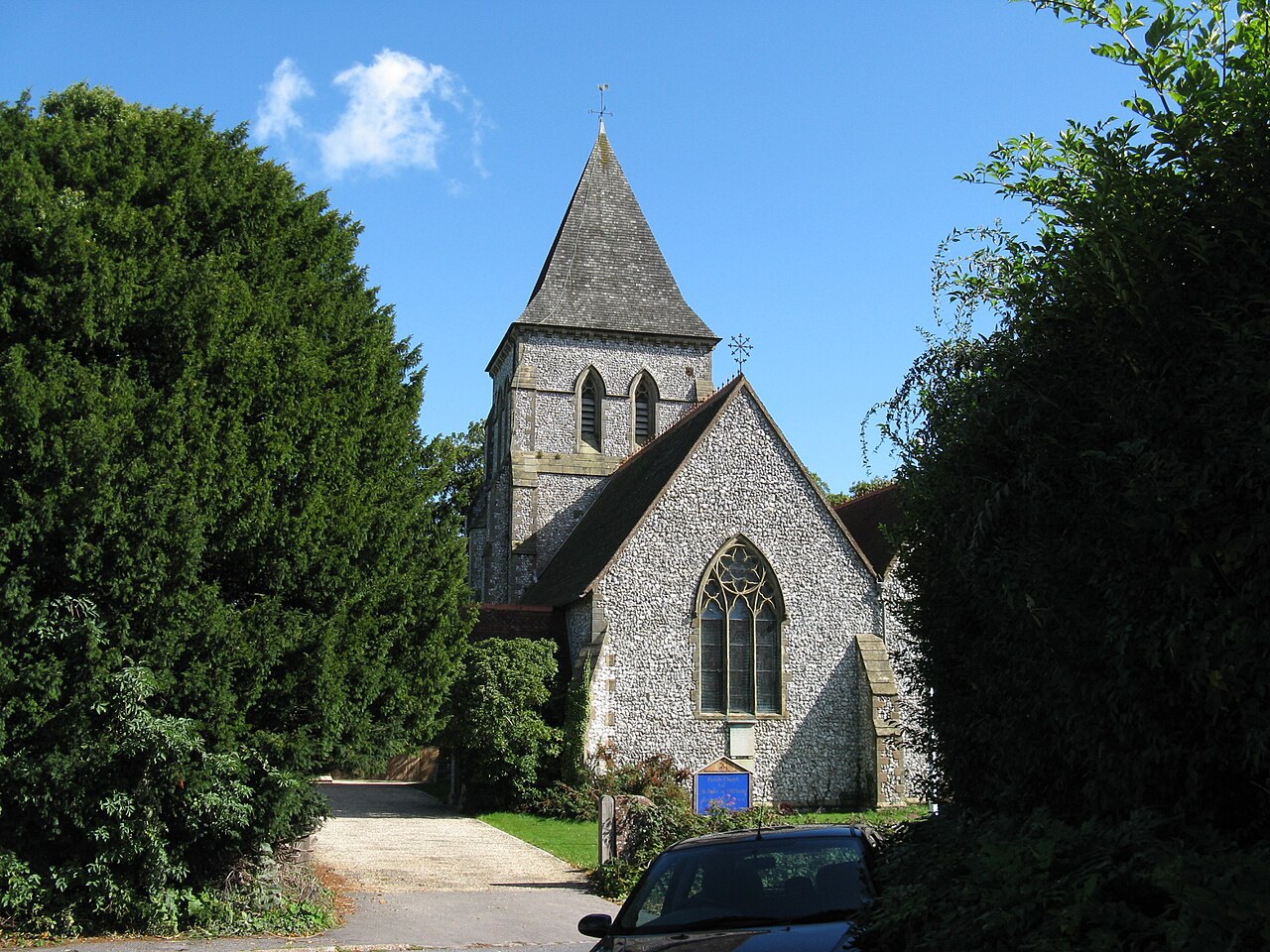
Ewan Christian's pebble-flint church was begun in 1858 and consecrated in 1860, with a seven-sided apse, pyramid-spired axial tower and stained glass from several Victorian workshops.
- Visit length
- Editorial estimate: around 30 minutes
- Locality
- Offham
Lewes Castle
A Lewes landmark where steep climbs lead to wide views over the county town's medieval streets.
- Visit length
- Editorial estimate: around 1 hour
- Locality
- Lewes
- Access
- The visitor experience includes steep climbs.
No places match this filter. Choose All places to reset the list.
Three ways to explore Offham
Signature outings
Views over medieval Lewes
Climb through Lewes Castle for wide views over the county town's medieval streets.
Victorian craft at St Peter's
Take in the light pebble-flint church, its seven-sided apse and stained glass by several prominent Victorian workshops.
A Caribbean turn
Settle into the 18th-century country inn for jerk cooking, Jamaican-influenced dishes or familiar pub classics.
The village story
Offham Village Guide
A compact South Downs village where Victorian craft, chalk-pit engineering and long views meet the Ouse meadows.
The Caribbean inn and the village in miniature
The village pub at Offham has been an inn since 1760, and its kitchen now turns out jerk chicken, sometimes cooked outside on the barbecue, alongside Sunday roasts and a rum-soaked lamb shank. The Blacksmiths Arms sits at the foot of the Downs and describes itself as a country inn with a Caribbean twist; that runs through to Jamaican-influenced vegetarian and vegan dishes as well as the usual pub classics. Inside are several small, basic dining areas rather than one large room, with a raised patio at the back. Harvey's Best is generally on, sometimes with Long Man Copper Hop beside it. Dogs are welcome, and a water bowl is kept ready.
You should not arrive expecting to buy anything else. Offham has lost its village shop, and what remains is a working forge that now makes artistic metalwork rather than shoeing horses. It is a small cluster of flint cottages, a church, the pub and the forge, and locals say the name as "Oafum".
Getting here and reading St Peter's
The A275 runs straight through, carrying you south to Lewes in three miles or north to Cooksbridge, where hourly Southern trains between London and Eastbourne stop seven days a week. The 121 bus serves the village Monday to Saturday.
St Peter's is younger than it looks. It was begun in 1858 and consecrated in 1860, designed by Ewan Christian and paid for largely by the Shiffner family of Coombe House; Sir George Shiffner was rector here from 1863 to 1906. It is built of light pebble-flint, with a seven-sided apse, an axial tower carrying a pyramid spire, marble shafts and a large circular font. The stained glass came from several of the best Victorian workshops — Lavers and Barraud, Hardman, Capronnier, Kempe. One Capronnier window was lost to a storm in 1982.
Tramway engineering and the battle hill
The real curiosity is up on Offham Hill. In 1801 George Shiffner opened a quarry and lime works there and hired the engineer William Jessop the younger to link it to the River Ouse. By 1809 the result was a gravity tramway on paired tracks: loaded wagons ran down under their own weight while empty ones were hauled up as counterweights, and the chalk and lime were tipped into barges at Chalkpit Cut. John Murray, writing his travel handbook in 1858, called it "the remains of what claims to be the first bit of railway executed in the south of England." The paired brick tunnels that carried it under the road survive, twenty-two metres long on a fierce one-in-three-and-a-half slope, and were listed in 2013.
The same hill saw the Battle of Lewes in 1264, when Simon de Montfort defeated Henry III. Domesday valued the parent manor of Hamsey at ten pounds, down from twenty before the Conquest, with thirty households working the land.
From water meadows back to the pub
The walking is the reason to stay. Trails climb from the water meadows to the chalk pit plateau, past Jill's Pond and up towards Black Cap and Mount Harry, which tops six hundred feet; a shorter two-mile circuit keeps to the heritage sites nearer the village. Families have the green and playground at Beechwood Hall, and Lewes three miles down the road adds a castle, Anne of Cleves House and the Pells, said to be the oldest documented freshwater outdoor pool in the country.
Come back down to the pub afterwards, where the smell of the Caribbean kitchen reaches you before the door does.
Stay around South Downs
Make a longer stay of it
Travel Fox holiday homes around South Downs, linked directly to their property pages.
For homeowners
Own a holiday home near Offham?
We manage holiday lets across the UK from 12% commission, charged after cleaning costs, with no lock-in. A co-founder visits before you decide.
How our holiday let management works →
A guide with a point of view
Written from research. Edited for real journeys.
Use the Official site links for live practical details, then use this guide for context, ideas and room to explore.
Photography credits & licences
Third-party photographs are credited to their named creators and reused under the linked Creative Commons licence or public-domain dedication. Travel Fox stores an optimised local copy; the file-specific changes and any browser-applied display crop are disclosed below. Reused photographs link both to the Wikimedia Commons source record and to the declared source image; Travel Fox's own photographs carry no such record and are marked as ours. These image licences do not cover Travel Fox text, branding or page design.
- File:Church of St Peter Offham - geograph.org.uk - 2087635.jpg — photograph by Dave Spicer; Church of St Peter Offham by Dave Spicer. Source record on Wikimedia Commons. Declared source image. Licence: CC BY-SA 2.0. File changes: Downloaded from Wikimedia Commons, resized to a maximum 1920px edge and encoded as an optimised JPEG. Display changes: Displayed with responsive CSS cropping.
- File:The Blacksmiths Arms Offham - geograph.org.uk - 2087500.jpg — photograph by Dave Spicer; The Blacksmiths Arms Offham by Dave Spicer. Source record on Wikimedia Commons. Declared source image. Licence: CC BY-SA 2.0. File changes: Downloaded from Wikimedia Commons, resized to a maximum 1920px edge and encoded as an optimised JPEG. Display changes: Displayed with responsive CSS cropping.
Sources
Every place on this page is checked against a published source. Each entry links the record we used and names who publishes it.
- St Peter's Church, Offham — achurchnearyou.com national body or asset manager
- The Blacksmiths Arms — visitlewes.co.uk operator, sector body or destination organisation
- Lewes Rail to Ramble Circular — southdowns.gov.uk statutory register or public authority
- Cooksbridge Rail to Ramble Circular — southdowns.gov.uk statutory register or public authority
- Beechwood Hall and Rural Park — hamseyparish.gov.uk statutory register or public authority
- Lewes Castle — visitlewes.co.uk operator, sector body or destination organisation