

Staffordshire · Village guide
Church Eaton
A border village of Norman stone, flat canal walking and one community-owned pub, with Percy the peacock patrolling the High Street.
- Best for
- Canal walks and village history
- Give it
- Editorial estimate: a relaxed half-day
- Don't miss
- Kempe glass at St Editha’s
Photo: Jonathan Thacker · CC BY-SA 2.0 · cropped
The Fox verdict
Small in scale, strong in character
Come for Norman church detail and flat towpath walking; stay for the community-owned Royal Oak.
Church Eaton is a compact rural base rather than a shopping stop. Its church, paths and village pub make an easy visit, while Boscobel House and White Ladies Priory add a separate strand of border-country history nearby.
Where to go
Places in Church Eaton
Every place below is checked against a published source, listed with what it is and how long to give it.
Local signatures
3 placesThe Royal Oak
A community-owned freehouse run by 34 villagers, serving traditionally brewed cask and bottled beers alongside cobs and visiting street food, with a beer garden, darts and pool.
- Visit length
- Editorial estimate: Allow around 1 hour 15 minutes.
- Locality
- High Street, Church Eaton
- Access
- The kitchen offer is limited and visiting street-food traders vary, so check the pub's social media before relying on a particular meal.
Way for the Millennium
A local walking option that follows the route of a disused railway line through the rolling countryside around Church Eaton.
- Visit length
- Editorial estimate: Allow around 1 hour 30 minutes.
- Locality
- Church Eaton area
White Ladies Priory
The ruins of a 12th-century priory linked with Charles II’s escape after the Battle of Worcester.
- Visit length
- Editorial estimate: Allow around 45 minutes.
- Locality
- Shropshire, beyond the county border
Walks & outdoors
1 placeShropshire Union Canal Towpath
A flat, easy towpath walk through dairy-farming country, punctuated by listed canal bridges and mileposts on the way towards Gnosall or Wheaton Aston.
- Visit length
- Editorial estimate: Allow around 1 hour 30 minutes.
- Locality
- Church Eaton parish
History & heritage
3 places
St Editha’s Church
A Grade II* church with late-12th-century fabric, a vast seven-light east window filled with C. E. Kempe glass, and the repaired remains of an elaborate font dating to around 1150.
- Visit length
- Editorial estimate: Allow around 45 minutes.
- Locality
- Church Eaton
Norman Church, Gnosall
A nearby Norman church whose interior contains the tomb of an unidentified knight.
- Visit length
- Editorial estimate: Allow around 45 minutes.
- Locality
- Gnosall
Boscobel House and the Royal Oak
A 17th-century house associated with Charles II’s escape after the Battle of Worcester and the Royal Oak tree in which he hid.
- Visit length
- Editorial estimate: Allow around 2 hours.
- Locality
- Shropshire, beyond the county border
No places match this filter. Choose All places to reset the list.
Three ways to explore Church Eaton
Signature outings
Walk the canal mileposts
Take the flat Shropshire Union towpath through the parish, using its listed bridges and mileposts as landmarks.
Read St Editha’s east window
The seven-light east window fills almost the whole chancel wall with C. E. Kempe scenes from the life of Christ.
Find the Royal Oak story
At nearby Boscobel House, follow the story of Charles II’s escape after the Battle of Worcester and the oak tree that sheltered him.
The village story
Church Eaton Village Guide
A peacock, a rescued pub and centuries of border-country history along one compact High Street.
A Peacock on the Border
Percy the peacock arrived in Church Eaton about five years ago and simply stayed. Nobody has worked out where he came from. By day he walks the High Street as if keeping an eye on proceedings, then roosts somewhere nearby at night, and the village has more or less adopted him.
The High Street is essentially the whole village: one main road, a few cul-de-sacs, houses along the five lanes that lead in, and the Shropshire Union Canal running through the parish just to the east. You're on the Staffordshire–Shropshire border, six miles southwest of Stafford, in dairy farming country.
The Pub That Stayed
The shop and post office have both closed, leaving no sales outlets in the village itself. Gnosall, Haughton and Wheaton Aston cover the gap — shops, doctors, vets, pharmacies, petrol, an Indian and a Chinese takeaway.
Which leaves the Royal Oak, on the High Street near the canal, trading since 1899. Threatened with closure at one point, it was bought instead by 34 villagers, who run it as a community pub through a company called Lanvar Ltd. The kitchen is modest — cobs with a variety of fillings, plus visiting street-food traders doing fish and chips or stone-baked pizza, so check the pub's social media before you set your heart on either. It's a freehouse with traditionally brewed cask and bottled beers, a beer garden, dogs on leads welcome, darts and pool, and once a year Oakfest, a music weekend that raises thousands of pounds for local charities. Otherwise it's simply where the village's clubs and committees meet, since there's nowhere else left to meet in.
Towpaths, Tracks and Stone
The canal towpath makes flat, easy walking toward Gnosall and Wheaton Aston, past enough listed bridges and mileposts to plot the route by them alone; there's also the Way for the Millennium, a footpath along a disused railway line. Gnosall has a Norman church with the tomb of an unidentified knight, and two canalside pubs.
St Editha's Church is Grade II* listed, tower and nave late 12th-century, restored by C. Lynam in 1886. The east window is enormous, seven lights filling almost the whole chancel wall, glazed with Kempe stained glass from that restoration, showing scenes from the life of Christ. In the north aisle is what's left of a font from around 1150, broken and repaired; Pevsner traced its carving to a workshop at Gnosall, the same one that produced fonts at Bradley and Lilleshall.
Patronage and Village Life
The church is dedicated to St Editha of Polesworth, daughter of King Egbert and aunt of Alfred the Great. From the early 12th century the right to appoint its priest belonged to the nuns of Polesworth Abbey, disputed with the local lords until an 1261 settlement had the lord nominate a candidate and the abbess present him to the bishop, the rector paying the nuns twenty marks a year until the Dissolution in 1539. Domesday had already recorded the place as Eitone, valued at one pound a year to the lord, Robert of Stafford.
Last Orders and the Road Home
Stafford station offers rail services, and the 877 bus runs between Stafford, Church Eaton, Wheaton Aston and Brewood. The Royal Oak stays open till 11pm most nights, long enough for a full game of darts before last orders. By then Percy has gone to roost.
Stay around Staffordshire
Make a longer stay of it
Travel Fox holiday homes around Staffordshire, linked directly to their property pages.
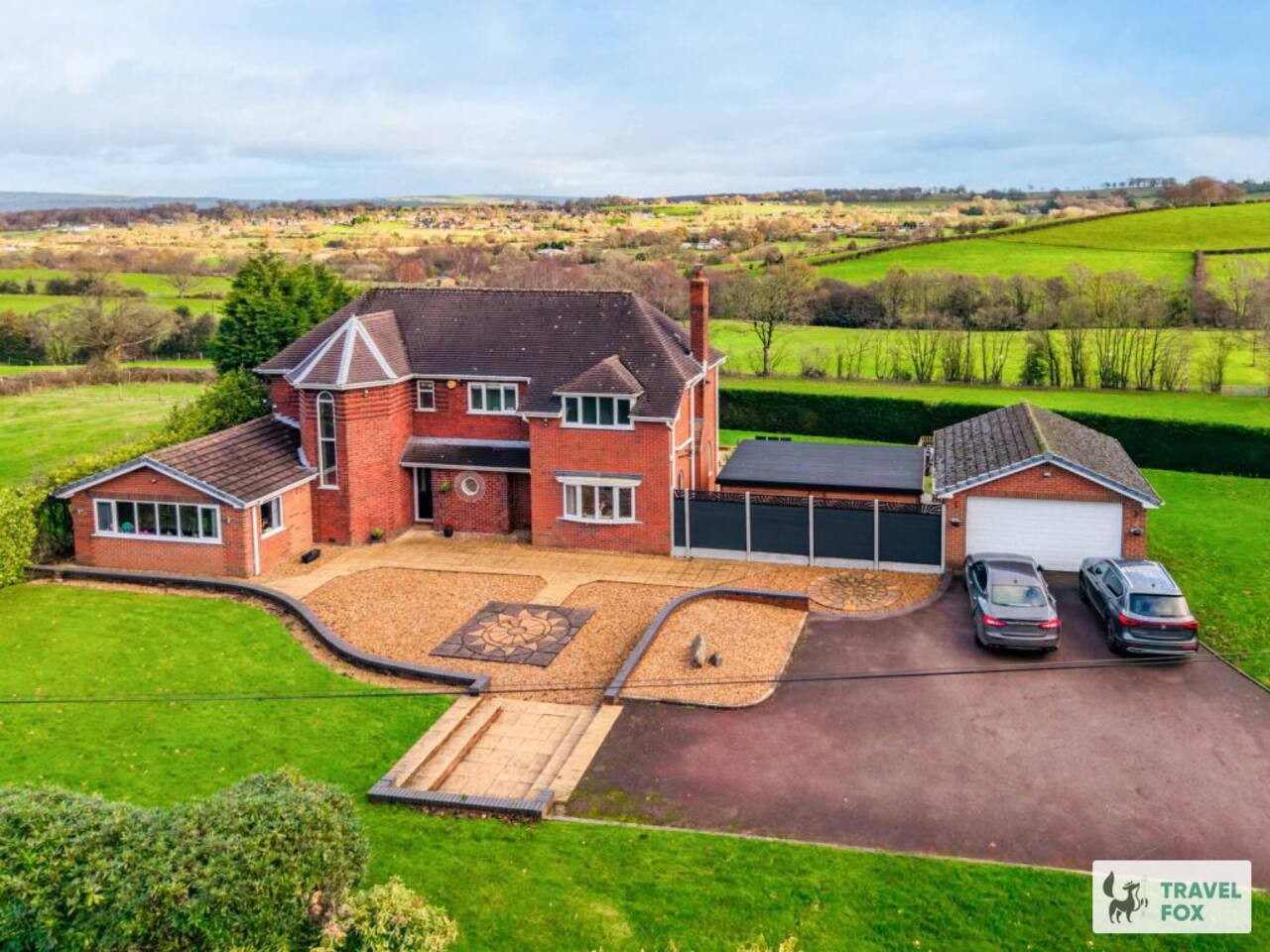
Cheddleton
Greenways House - Parking, Pool Table and Garden!
- Sleeps 10
- 4 bedrooms
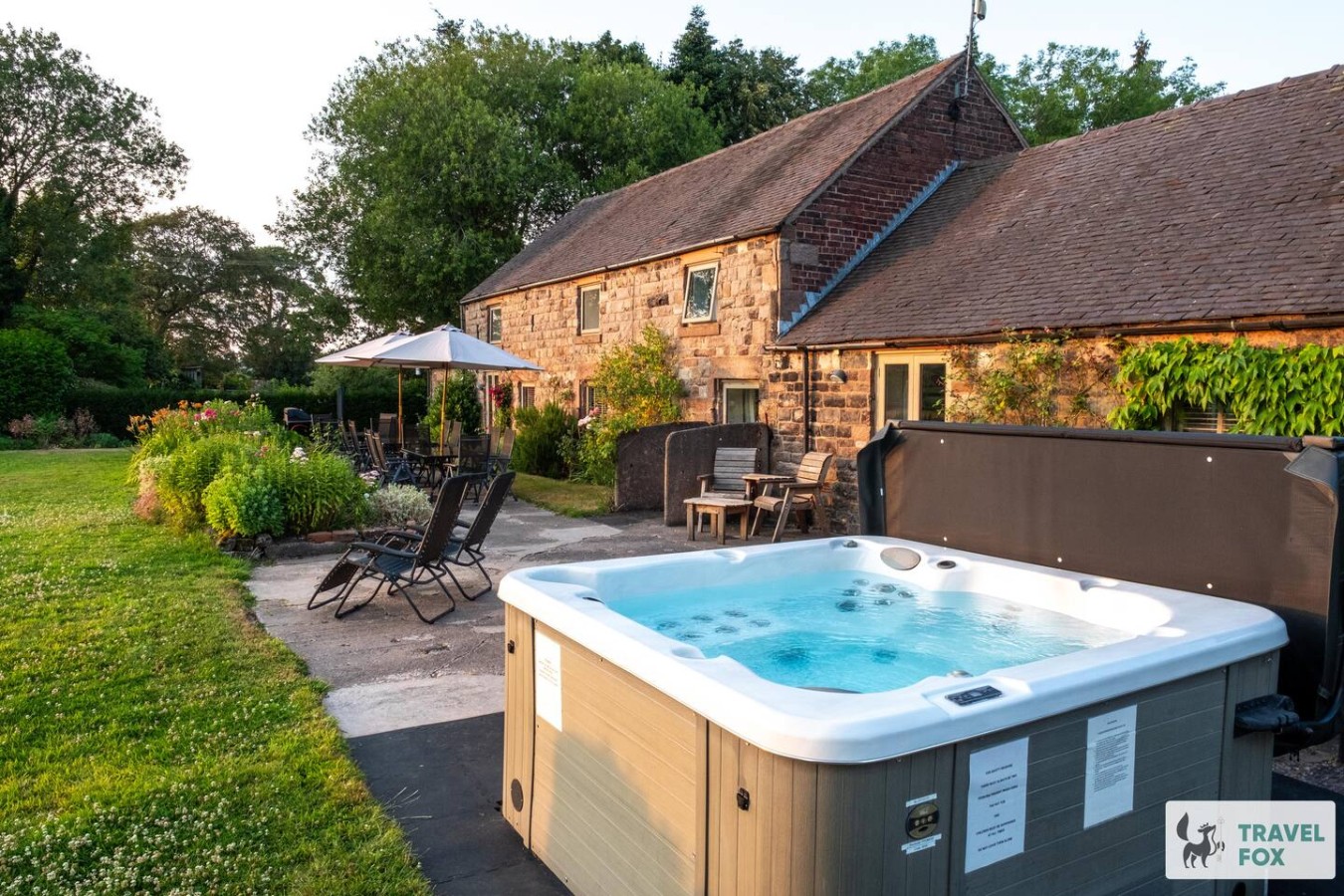
Cheddleton
Lee House Cottage + Annexe
- Sleeps 19
- 8 bedrooms
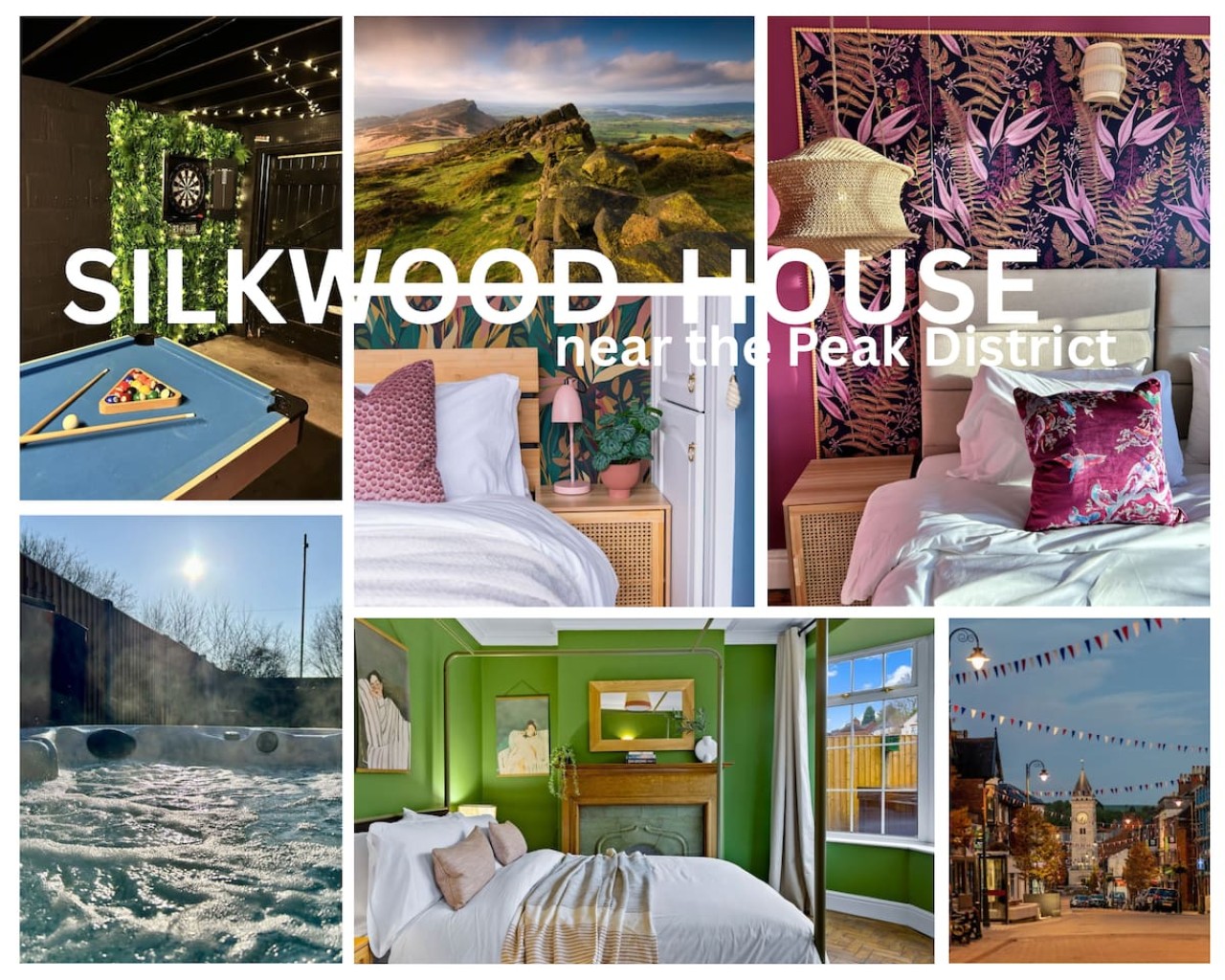
Leek
Silkwood House | Boutique 4 Bed nr. Peak District
- Sleeps 8
- 4 bedrooms
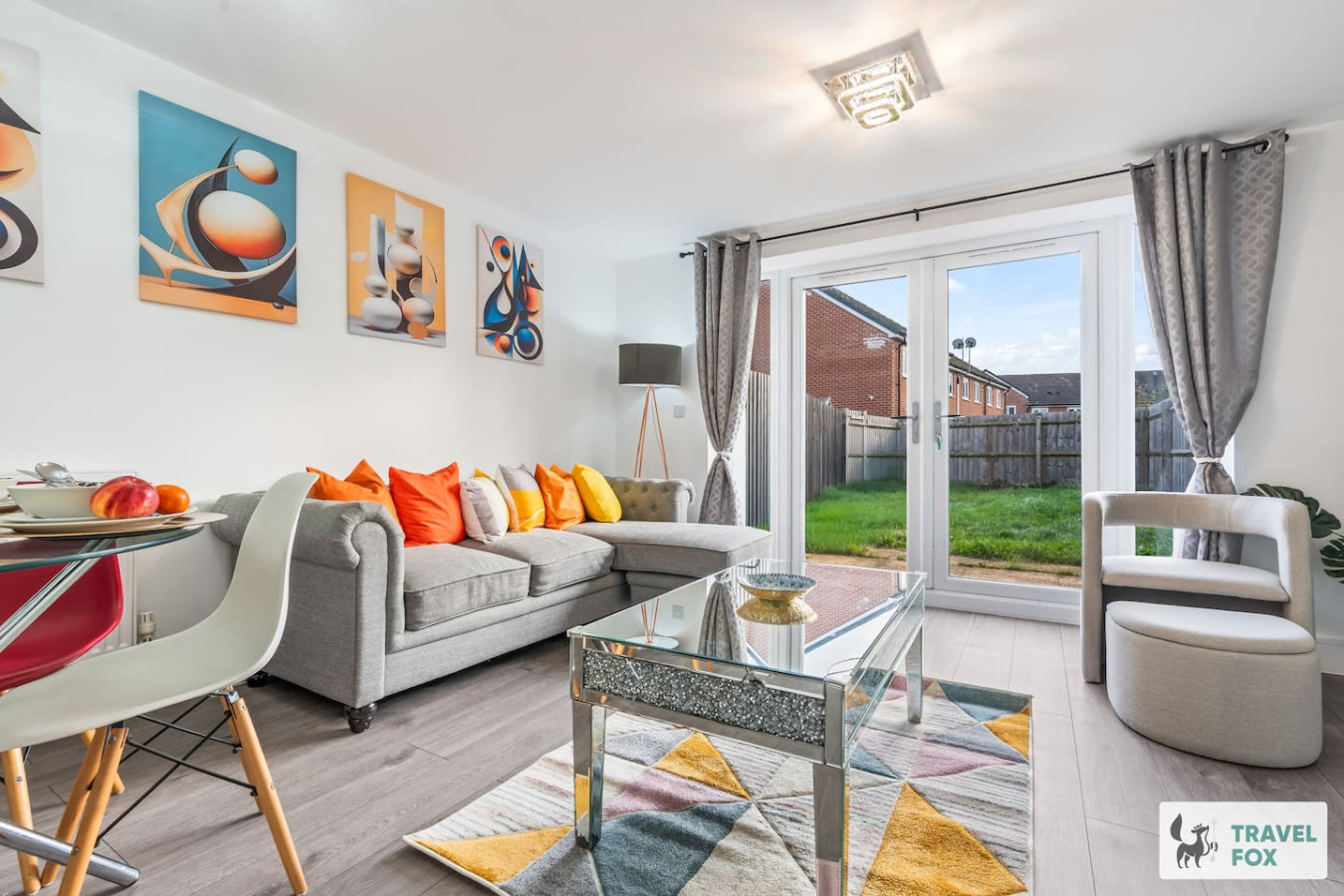
Stoke-on-Trent
Heather's House
- Sleeps 6
- 2 bedrooms
For homeowners
Own a holiday home near Church Eaton?
We manage holiday lets across Staffordshire from 12% commission, charged after cleaning costs, with no lock-in. A co-founder visits before you decide.
Holiday let management in Staffordshire →
A guide with a point of view
Written from research. Edited for real journeys.
Use the Official site links for live practical details, then use this guide for context, ideas and room to explore.
Photography credits & licences
Third-party photographs are credited to their named creators and reused under the linked Creative Commons licence or public-domain dedication. Travel Fox stores an optimised local copy; the file-specific changes and any browser-applied display crop are disclosed below. Reused photographs link both to the Wikimedia Commons source record and to the declared source image; Travel Fox's own photographs carry no such record and are marked as ours. These image licences do not cover Travel Fox text, branding or page design.
- File:St. Editha's church, Church Eaton - geograph.org.uk - 6464691.jpg — photograph by Jonathan Thacker; St. Editha's church, Church Eaton by Jonathan Thacker. Source record on Wikimedia Commons. Declared source image. Licence: CC BY-SA 2.0. File changes: Downloaded from Wikimedia Commons, resized to a maximum 1920px edge and encoded as an optimised JPEG. Display changes: Displayed with responsive CSS cropping.
Sources
Every place on this page is checked against a published source. Each entry links the record we used and names who publishes it.
- The Royal Oak — royaloakchurcheaton.co.uk operator, sector body or destination organisation
- St Editha’s Church — achurchnearyou.com national body or asset manager
- Shropshire Union Canal Towpath — canalrivertrust.org.uk national body or asset manager
- Way for the Millennium — staffordshire.gov.uk statutory register or public authority
- Norman Church, Gnosall — historicengland.org.uk statutory register or public authority record not machine-readable; publisher restricts automated access
- Boscobel House and the Royal Oak — english-heritage.org.uk national body or asset manager
- White Ladies Priory — english-heritage.org.uk national body or asset manager