
North-west Staffordshire · Woodland, local history and a pub-born name
Loggerheads
A road-junction village where a painted pub joke leads into woodland walks, Wars of the Roses history and the Shropshire Union Canal.
- Best for
- Woodland walks and compact local history
- Give it
- Editorial estimate: half a day, or longer with Market Drayton
- Don't miss
- The pub behind the village name
The Fox verdict
A small village with an unusually good chain of stories
Come for Burntwood and the pub sign; range into Mucklestone, Blore Heath and Tyrley for the fuller picture.
Loggerheads works best as a base for a short circuit rather than a conventional village-centre browse. The pub, woodland, church, battlefield and canal locks turn a quiet A53 settlement into a varied few hours.
Where to go
Places in Loggerheads
Every place below is checked against a published source, listed with what it is and how long to give it.
Local signatures
3 placesBurnt Wood
A 214.21-acre Forestry England wood, with conifer plantations surrounding areas of ancient woodland, noted for butterflies and moths.
- Visit length
- Editorial estimate: Allow around 1½ hours
- Locality
- Edge of Loggerheads
Blore Heath Battlefield
The registered site of the 23 September 1459 Battle of Blore Heath, where a Yorkist army defeated a Lancastrian force. A footpath crosses the battlefield.
- Visit length
- Editorial estimate: Allow around 1 hour
- Locality
- Blore Heath
Loggerheads Library
A community-managed library in Staffordshire County Council's library network and a practical indoor stop in the village.
- Visit length
- Editorial estimate: Allow around 30 minutes
- Locality
- Loggerheads
History & heritage
2 placesSt Mary's Church, Mucklestone
A church with a surviving mid-14th-century west tower and a churchyard anvil tied by local legend to blacksmith William Skelhorn and Queen Margaret of Anjou's escape.
- Visit length
- Editorial estimate: Allow around 45 minutes
- Locality
- Mucklestone
Tyrley Locks
A flight of five locks built in 1827–33, part of the listed canal infrastructure around Tyrley.
- Visit length
- Editorial estimate: Allow around 1 hour
- Locality
- Tyrley
No places match this filter. Choose All places to reset the list.
Three ways to explore Loggerheads
Signature outings
Follow the paths through Burnt Wood
Burnt Wood borders Loggerheads, with predominantly coniferous woodland noted for its butterflies and moths.
Look for the blacksmith's anvil
The churchyard anvil is linked by local legend to William Skelhorn reversing Queen Margaret of Anjou's horseshoes after Blore Heath.
Trace the five-lock flight
Walk beside the five Tyrley Locks, built in 1827–33 as part of the Shropshire Union Canal.
The village story
Loggerheads Village Guide
A pub-sign joke opens onto woodland paths, battlefield history and a canal lock flight.
A Pub Sign, a Border Road and a Village
Loggerheads takes its name from the village pub, formerly The Three Loggerheads. Historically, its "we three loggerheads be" sign pictured two fools: the person looking at it supplied the third.
You're on the A53 between Market Drayton and Newcastle-under-Lyme, close enough to Shropshire and Cheshire that neither county quite claims you. Burntwood woodland runs along one edge; open farmland and, on a clear day, the Shropshire Hills lie the other way.
The Loggerheads has a pool table and beer garden. Its pub menu includes traditional favourites as well as vegetarian and vegan options, and its amenities list welcomes pets.
Everyday Stops in the Village
Staffordshire County Council lists Loggerheads Library at 7 Eccleshall Road, with free Wi-Fi, public PCs and local studies material.
The Loggerheads pub also serves meals.
Woodland Paths and a Modern Parish
The Newcastle Way passes the pub and crosses a corner of Burnt Wood and Blore Heath before reaching the Shropshire Union Canal. Burnt Wood covers 214.21 acres, with conifer plantations around areas of ancient woodland and well-trodden paths.
Loggerheads was already a village when the civil parish of the same name was created in 1984 from Ashley, Mucklestone and Tyrley.
An Anvil, a Queen and the Sanatorium
Mucklestone's church, St Mary's, keeps a 14th-century west tower. In the churchyard stands an anvil said to have belonged to the blacksmith William Skelhorn, who reputedly reversed the shoes on Queen Margaret of Anjou's horse after the Battle of Blore Heath in 1459, so pursuers would follow her hoofprints the wrong way. She's said to have watched the battle from the tower before fleeing.
The Cheshire Joint Sanatorium opened in Burntwood in 1923 to treat tuberculosis with rest, quiet, food and fresh air; patients' beds were wheeled outdoors. Antibiotic treatment helped bring its work to an end, and it closed in 1969.
Connections and Community
Staffordshire County Council lists route 64 through Loggerheads, linking Market Drayton, Newcastle-under-Lyme and Hanley. Loggerheads FC plays in the North Staffordshire Sunday Football League, and Ashley Memorial Hall has served Ashley and Loggerheads since 1953.
The wider parish gives the pub-named village more to explore: Burnt Wood on its edge, Mucklestone's medieval church tower and the canal locks at Tyrley.
Stay around Staffordshire
Make a longer stay of it
Travel Fox holiday homes around Staffordshire, linked directly to their property pages.
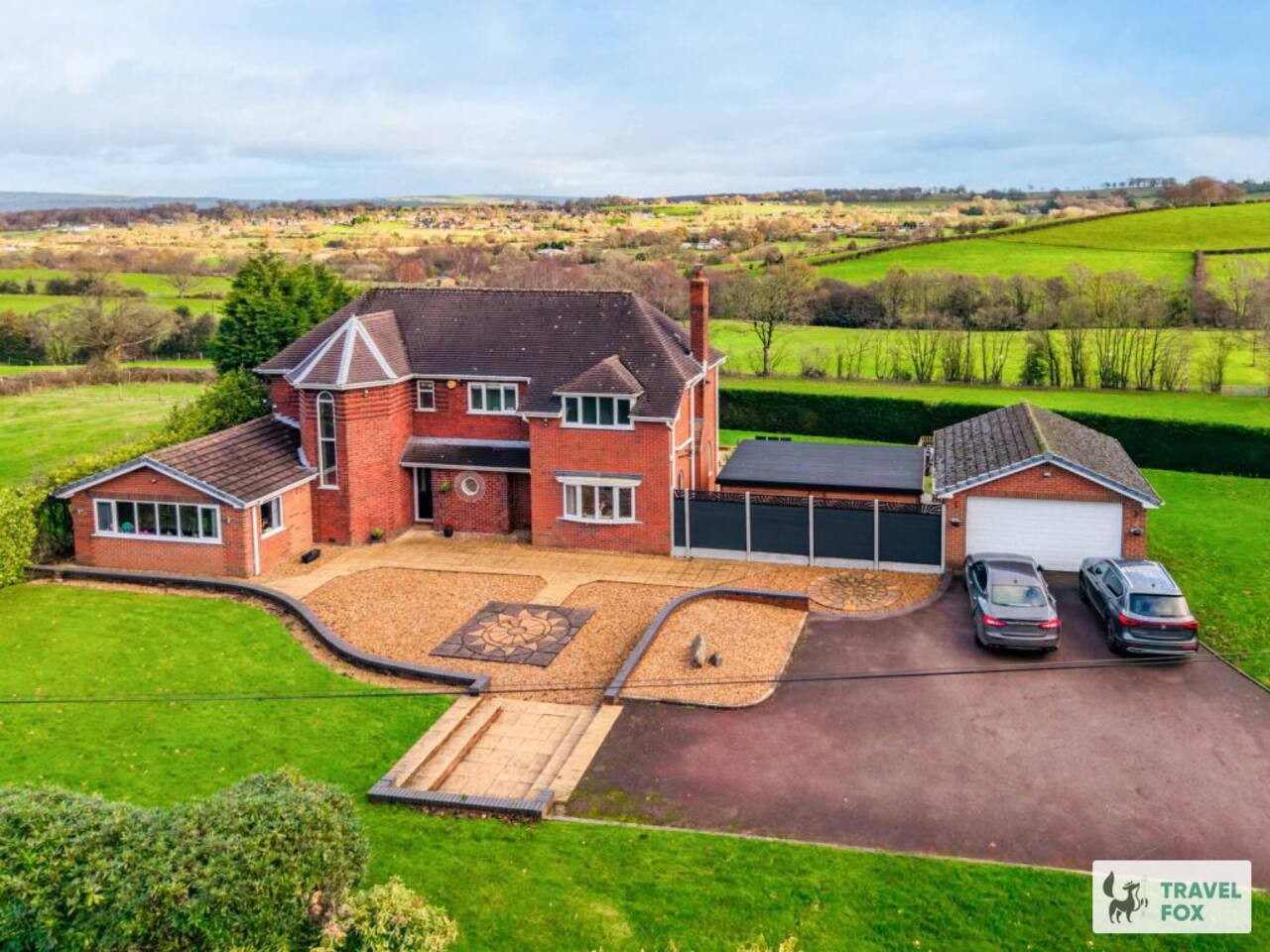
Cheddleton
Greenways House - Parking, Pool Table and Garden!
- Sleeps 10
- 4 bedrooms
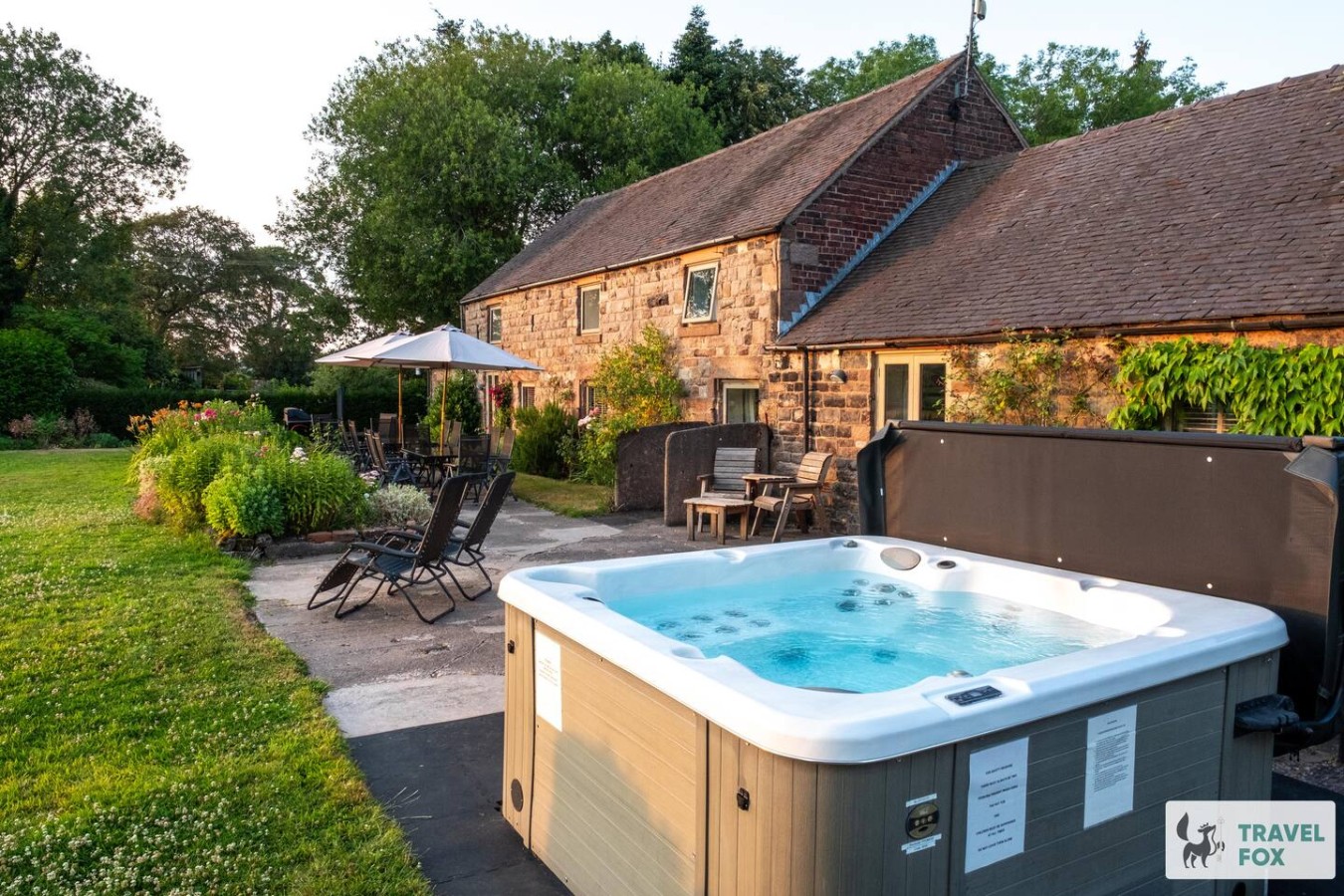
Cheddleton
Lee House Cottage + Annexe
- Sleeps 19
- 8 bedrooms

Leek
Silkwood House | Boutique 4 Bed nr. Peak District
- Sleeps 8
- 4 bedrooms
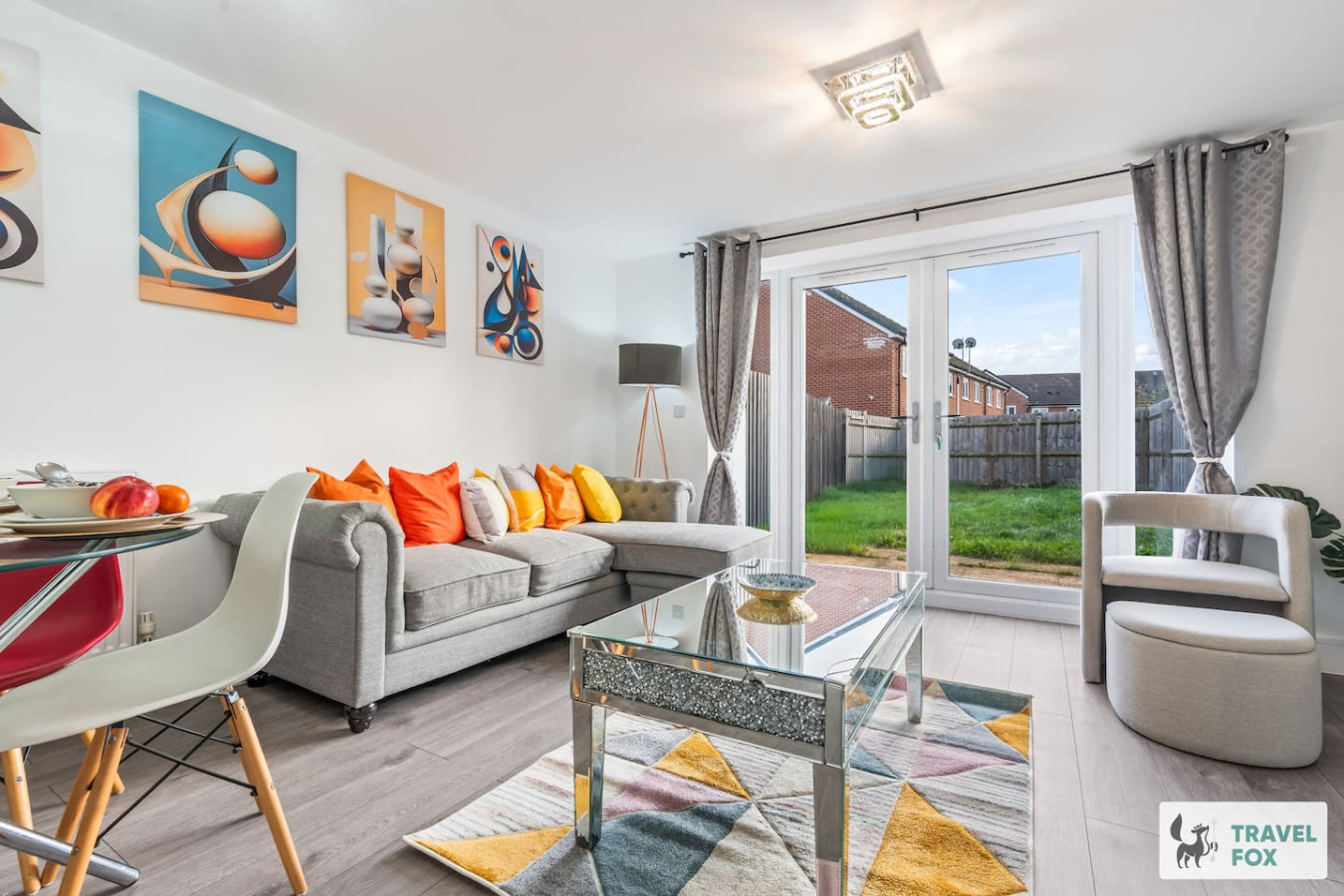
Stoke-on-Trent
Heather's House
- Sleeps 6
- 2 bedrooms
For homeowners
Own a holiday home near Loggerheads?
We manage holiday lets across Staffordshire from 12% commission, charged after cleaning costs, with no lock-in. A co-founder visits before you decide.
Holiday let management in Staffordshire →
A guide with a point of view
Written from research. Edited for real journeys.
Use the Official site links for live practical details, then use this guide for context, ideas and room to explore.
Sources
Every place on this page is checked against a published source. Each entry links the record we used and names who publishes it.
- Burnt Wood — woodlandtrust.org.uk national body or asset manager
- St Mary's Church, Mucklestone — achurchnearyou.com national body or asset manager
- Blore Heath Battlefield — planning.data.gov.uk statutory register or public authority
- Tyrley Locks — collections.canalrivertrust.org.uk other published source
- Loggerheads Library — staffordshire.gov.uk statutory register or public authority