

Trent Valley character
Weston
A small Staffordshire village of llama-side pints, medieval church fabric and a long loop through fields and beside the canal.
- Best for
- Canal walking, village pubs and church history
- Give it
- About three hours for the circular walk
- Don't miss
- The Saracen's Head llama paddock
Photo: Roger Kidd · CC BY-SA 2.0 · cropped
The Fox verdict
Small village, singular stories
Weston brings together two distinctive pubs, a church with early-13th-century fabric and the waterways and fields of the Trent Valley.
The Saracen's Head's seven llamas supply the surprise, while the Woolpack brings a green-side setting and a building shaped by cottages and a former blacksmith's shop. Add St Andrew's early-13th-century tower, the single arch of Weston Bridge and a moderate circular returning along the Trent & Mersey Canal for a compact visit with unusually varied detail.
Where to go
Places in Weston
Every place below is checked against a published source, listed with what it is and how long to give it.
Local signatures
3 placesThe Saracen's Head
A gastro-style country pub with rooms, real ales, a grassed beer garden and seven pet llamas in the adjoining paddocks.
- Visit length
- Editorial estimate: around 90 minutes
- Locality
- Stafford Road, Weston
St Andrew's Church
A Grade II* church with an early-13th-century tower and chancel arch, an 1830s stone spire, historic bells and Victorian work by Scott and Butterfield.
- Visit length
- Editorial estimate: around 45 minutes
- Locality
- Weston
Weston, Sandon and Trent & Mersey Canal Circular
A moderate circular through farmland toward Sandon, returning beside the Trent on the Trent & Mersey Canal towpath via Sandon Lock and historic mileposts.
- Visit length
- Editorial estimate: About 3 hours
- Locality
- between Weston and Sandon
Food & drink
1 place
The Woolpack
A traditional village pub overlooking the green, with low ceilings, oak beams, a dartboard, real ales and a large garden adjoining the green.
- Visit length
- Editorial estimate: around 75 minutes
- Locality
- The Green, Weston
History & heritage
1 placeWeston Bridge
A Grade II single-arch stone bridge carrying the A518 over the River Trent, built after flooding washed away the earlier ford.
- Visit length
- Editorial estimate: around 15 minutes
- Locality
- over the River Trent on the A518
No places match this filter. Choose All places to reset the list.
Three ways to explore Weston
Signature outings
The Weston–Sandon circular
Walk 6.2 miles through countryside toward Sandon, then return via Sandon Lock and the Trent & Mersey Canal towpath.
Four bays of pub history
Pause at the Woolpack, whose low-ceilinged building reflects its origins as cottages and a former blacksmith's shop.
One arch over the Trent
See the wide single-arch stone Weston Bridge that replaced the river crossing lost after the old ford was washed away.
The village story
Weston Village Guide
Llamas, old bells, vanished salt works and the River Trent give this compact village guide its unexpected turns.
Llamas and a pint
The Saracen's Head keeps seven llamas in the paddock beside its beer garden. Two of them are named Jenny and Breeze. You can watch them over a pint of Titanic Plum Porter while you wait for the gammon, which the menu promises is expertly cooked.
It's a gastro-style pub with rooms on Stafford Road, doing Grill Night on Wednesdays and Burger Night on Thursdays, breakfast from 8:30. Dogs get their own menu — three mains, two desserts, and a choice of "Pawsecco" or "Bottom Sniffer" dog beer, £9.95 the lot. One TripAdvisor reviewer summed the visit up simply: "The llamas were an added bonus!"
The green and the Woolpack
Down at the other end of the village, on the green itself, the Woolpack occupies four low-ceilinged bays that started life as a row of cottages and a blacksmith's shop, owned by the Bagot family since the 1730s. There's a dartboard in the public bar, a large garden running onto the green, and Marston's Pedigree and Wainwright Gold on the pumps. Meals-and-drinks deals run Monday to Thursday.
"This pub is a little gem in the village of Weston," one visitor wrote, "a must visit... a must for anyone passing or near by." Another remembered the server, Holly, by name.
Cricket and canal miles
Weston fields its own cricket team in the Stafford League, with matches on Wednesday evenings.
For walking, there's a circular route out past Gayton toward Sandon — six and a bit miles, three hours, taking in views of Trentham Tower and the gates of Sandon Hall before returning along the Trent & Mersey Canal towpath, past Sandon Lock and its old mileposts, with the Trent alongside for company most of the way.
Bridge, roads and bells
The village sits at the junction of the A51 and the A518, which crosses the river on the single-arch Weston Bridge — built after the old ford was washed out by flooding in the late 18th century. Stafford is under five miles southwest; the 841 bus runs there via Hixon, and the X41 continues on to Uttoxeter and Alton Towers.
St Andrew's, on the same stretch of high ground above the Trent, has a tower and chancel arch from the early 13th century and a spire added in the 1830s. Two bells hang in the tower from around 1400: Ave Maria, cast in 1402 and still rung, and Katerina, cast in 1500 and now cracked, kept on the floor rather than the frame. A third bell, Ann Shaw, joined them in 1962.
Domesday, brine and quiet
Weston's Domesday entry records one villager, one ploughland, and a value to its lord of two shillings — among the smallest 20% of Domesday settlements. An 1820 brine spring on the neighbouring Ingestre estate later led Earl Talbot to build the Weston Salt Works, piping water across the river and canal to a reservoir in the village. It closed in 1901, the same year as the older works at Shirleywich, where Robert Plot had written in 1686 that the salt was "as good... as anywhere in England."
These days the loudest thing in Weston is probably the llamas, and even they mostly just stand there, watching you eat.
Stay around Staffordshire
Make a longer stay of it
Travel Fox holiday homes around Staffordshire, linked directly to their property pages.
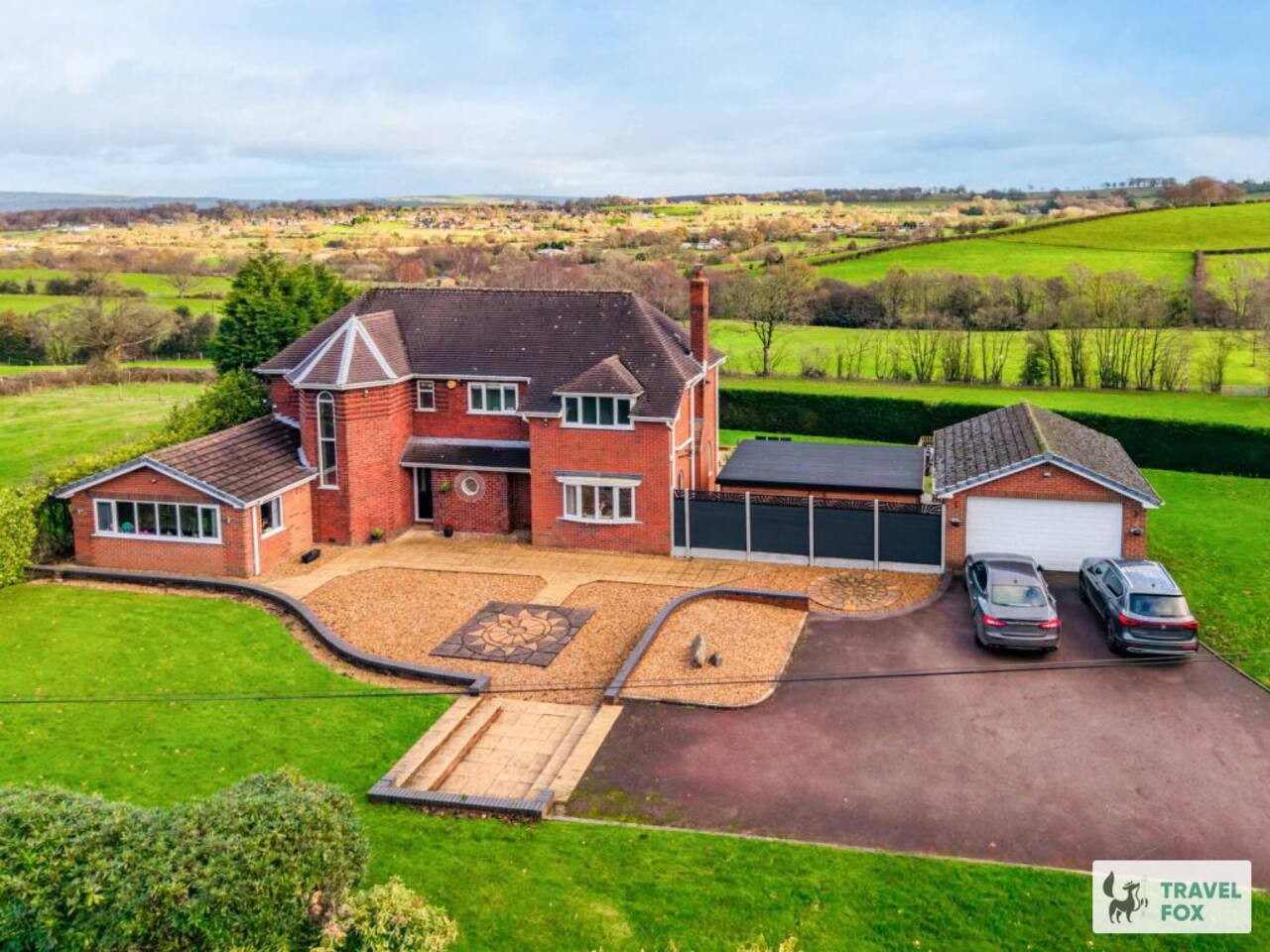
Cheddleton
Greenways House - Parking, Pool Table and Garden!
- Sleeps 10
- 4 bedrooms
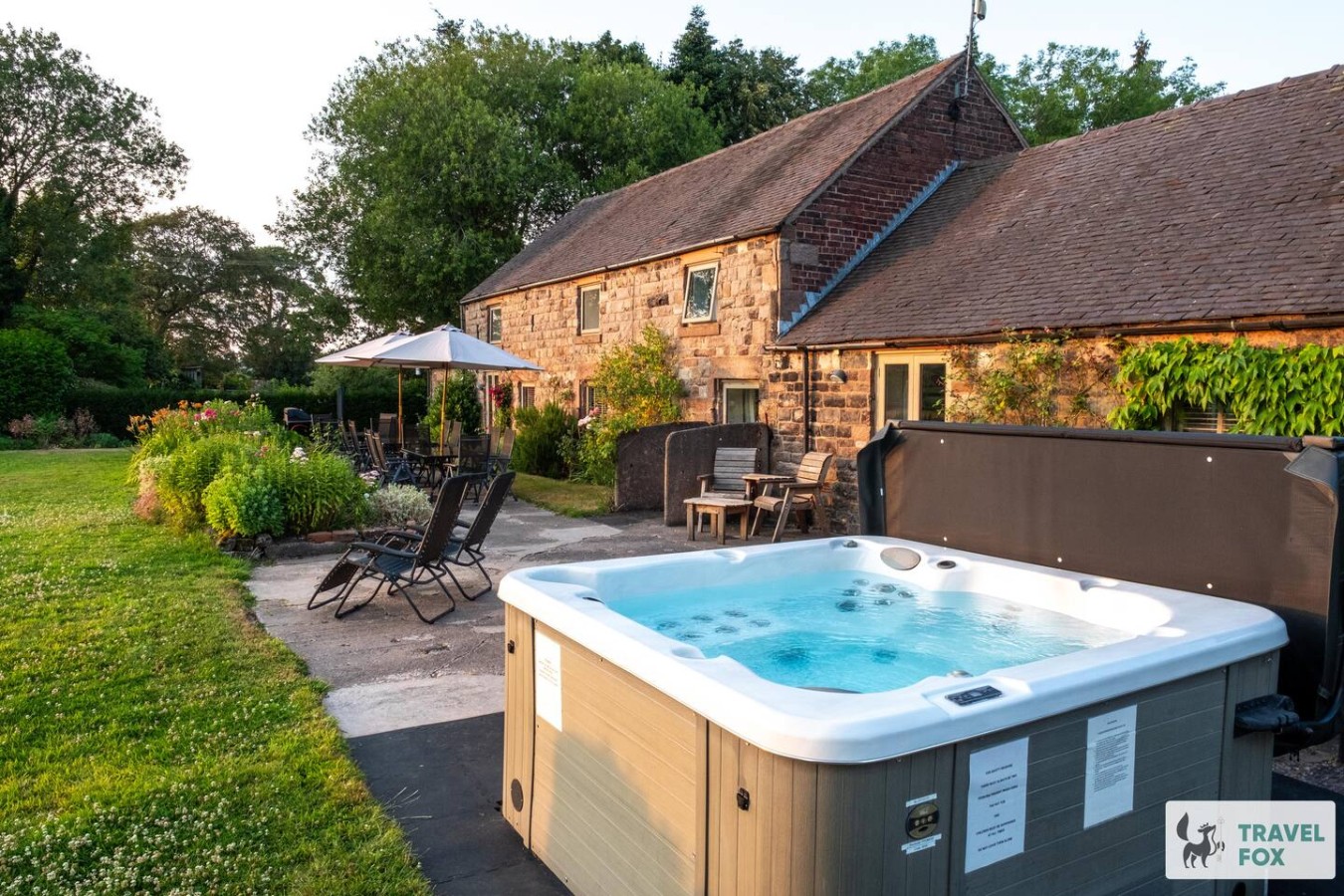
Cheddleton
Lee House Cottage + Annexe
- Sleeps 19
- 8 bedrooms

Leek
Silkwood House | Boutique 4 Bed nr. Peak District
- Sleeps 8
- 4 bedrooms
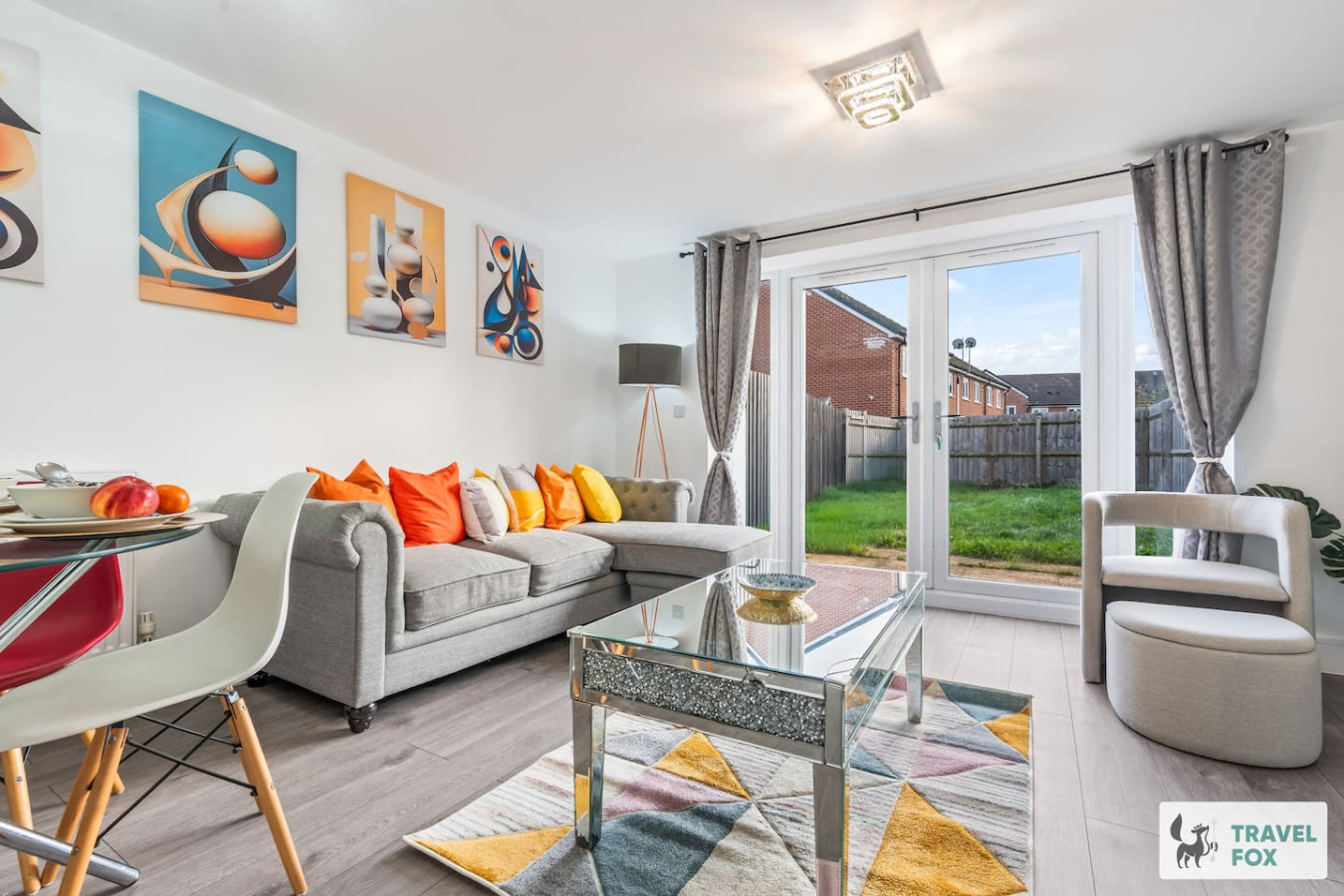
Stoke-on-Trent
Heather's House
- Sleeps 6
- 2 bedrooms
For homeowners
Own a holiday home near Weston?
We manage holiday lets across Staffordshire from 12% commission, charged after cleaning costs, with no lock-in. A co-founder visits before you decide.
Holiday let management in Staffordshire →
A guide with a point of view
Written from research. Edited for real journeys.
Use the Official site links for live practical details, then use this guide for context, ideas and room to explore.
Photography credits & licences
Third-party photographs are credited to their named creators and reused under the linked Creative Commons licence or public-domain dedication. Travel Fox stores an optimised local copy; the file-specific changes and any browser-applied display crop are disclosed below. Reused photographs link both to the Wikimedia Commons source record and to the declared source image; Travel Fox's own photographs carry no such record and are marked as ours. These image licences do not cover Travel Fox text, branding or page design.
- File:The Woolpack at Weston, Staffordshire - geograph.org.uk - 2616732.jpg — photograph by Roger Kidd; The Woolpack at Weston, Staffordshire by Roger Kidd. Source record on Wikimedia Commons. Declared source image. Licence: CC BY-SA 2.0. File changes: Downloaded from Wikimedia Commons, resized to a maximum 1920px edge and encoded as an optimised JPEG. Display changes: Displayed with responsive CSS cropping.
Sources
Every place on this page is checked against a published source. Each entry links the record we used and names who publishes it.
- The Saracen's Head — saracensheadweston.co.uk operator, sector body or destination organisation
- The Woolpack — woolpackpubweston.co.uk operator, sector body or destination organisation
- St Andrew's Church — historicengland.org.uk statutory register or public authority record not machine-readable; publisher restricts automated access
- Weston, Sandon and Trent & Mersey Canal Circular — canalrivertrust.org.uk national body or asset manager
- Weston Bridge — historicengland.org.uk statutory register or public authority record not machine-readable; publisher restricts automated access