
A fortress on the Forth
Blackness
A harbour village where a ship-shaped castle, shoreline paths and the wide Firth share the view.
- Setting
- Blackness Bay on the south shore of the Firth of Forth
- Through route
- The John Muir Way passes through Blackness
- Nearby
- House of the Binns, about 2 miles south
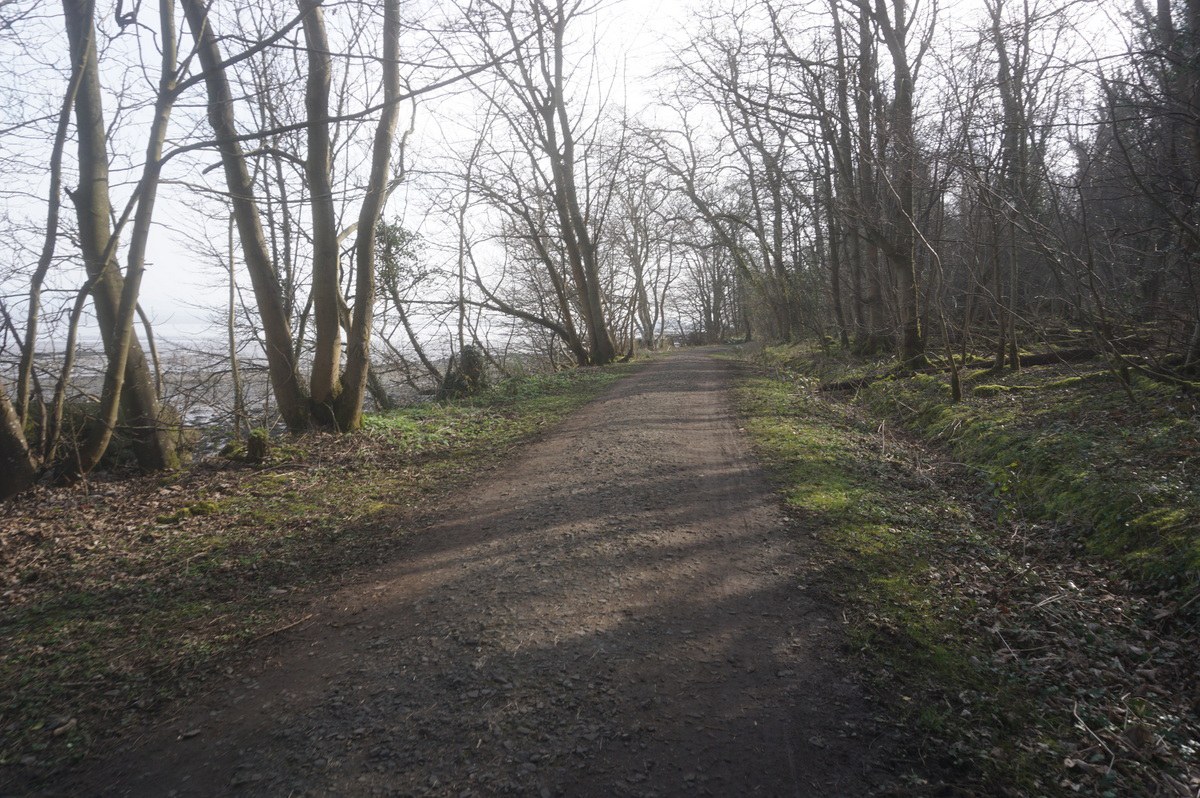
Photo: Ian S · CC BY-SA 2.0 · cropped
The Fox verdict
Come for the castle; stay for the shore
Blackness pairs a harbour village with a Crown fortress and walking beside the Firth of Forth.
The castle dominates eastward views and supplies the long history, while the John Muir Way and a village, castle and headland circuit make walking the main reason to lace up. The Lobster Pot and community shop are the village's remaining retail stops.
Where to go
Places in Blackness
Every place below is checked against a published source, listed with what it is and how long to give it.
Local signatures
3 placesBlackness Castle
A 1440s Crown fortress and former state prison whose narrow north–south form earned the nickname ‘the ship that never sailed’.
- Visit length
- Editorial estimate: Around 90 minutes
- Locality
- on a rocky promontory to the east
Village, Castle and Headland Circuit
A shorter Blackness circuit taking in the village, castle and headland, with views over the settlement and the Firth of Forth.
- Visit length
- Editorial estimate: Around 90 minutes
- Locality
- the village, castle and headland
House of the Binns
A 17th-century mansion, home of the Dalyell family and cared for by the National Trust for Scotland.
- Visit length
- Editorial estimate: Around 90 minutes
- Locality
- about 2 miles south
Food & drink
2 placesThe Lobster Pot
The village's sole surviving public house, a pub and restaurant whose harbour setting is reflected in its seafood name and emphasis.
- Visit length
- Editorial estimate: Around 75 minutes
- Locality
- on the upper side of the village square
Blackness Community Shop
A small general village store that runs alongside the pub as Blackness's only retail.
- Visit length
- Editorial estimate: Around 15 minutes
- Locality
- alongside the Lobster Pot
Walks & outdoors
1 place
John Muir Way at Blackness
The Helensburgh-to-Dunbar route passes through Blackness along the south shore, with the castle, harbour and wide Forth views on the way.
- Visit length
- Editorial estimate: Around 2 hours
- Locality
- along the south shore of the Firth of Forth
History & heritage
4 placesBo'ness & Kinneil Railway
A heritage steam railway in Bo'ness; the town also has the Museum of Scottish Railways.
- Visit length
- Editorial estimate: Around 2 hours
- Locality
- Bo'ness, about 3 miles west
Linlithgow Palace
The Linlithgow palace where Mary, Queen of Scots was born.
- Visit length
- Editorial estimate: Around 90 minutes
- Locality
- Linlithgow, about 3.8 miles south
Hopetoun House
A grand stately home and grounds near South Queensferry.
- Visit length
- Editorial estimate: Around 90 minutes
- Locality
- near South Queensferry
The Forth Bridges at South Queensferry
The Forth Bridge, Forth Road Bridge and Queensferry Crossing at South Queensferry; the rail bridge is a UNESCO World Heritage Site.
- Visit length
- Editorial estimate: Around 75 minutes
- Locality
- South Queensferry, about 5 miles east
No places match this filter. Choose All places to reset the list.
Three ways to explore Blackness
Signature outings
Walk the John Muir Way
Take the coast-to-coast route through Blackness past the castle and harbour, with wide views across the Forth.
Call at the village pub
Stop at the sole surviving public house in Blackness, on the upper side of the village square.
Take the heritage railway
Make the roughly three-mile trip west to Bo'ness for its heritage steam railway.
The village story
Blackness Village Guide
A ship-shaped fortress, a small harbour village and paths along the Firth of Forth.
The Ship and the Bay
The castle sits on a rocky spit at the eastern edge of the village, long and narrow and running north to south, which is why people have spent centuries insisting it looks like a ship. The north tower is the stem, the south tower the stern, the central tower the main mast, and Blackness Castle has been known as the ship that never sailed for as long as anyone has been comparing the two. It dominates the view east from the village and has done since the 1440s.
The village itself is small — around 135 people at the last count that bothered — gathered on Blackness Bay, an inlet on the south shore of the Firth of Forth. You arrive past the war memorial, unveiled two days before Christmas in 1922, and St Ninian's mission church, put up in 1914 to mark the entrance. A public hand-pump dated 1875 still stands. The boat club's pier runs out into the firth, and the water is more or less always in view.
Village Tables and Shore Paths
The Lobster Pot is the pub, on the upper side of the square, and it is the last one standing. The smithy, the post office and the dairy have all closed. The name tells you what the kitchen leans on, given the harbour, and Undiscovered Scotland calls the village "a busy little place that is popular with visitors." Alongside it there is a small community shop, which together with the pub is more or less the whole of village retail. Blackness also keeps the last public toilets open in the Falkirk council area, which is the sort of distinction a village earns without meaning to.
The walking is the main reason to lace up here. The John Muir Way, the coast-to-coast route from Helensburgh to Dunbar, passes straight through along the south shore, taking you past the castle and harbour with the whole width of the Forth in front of you. Shorter circuits loop the village, the castle and the headland. On foot along the shore it is about three miles west to Bo'ness and roughly five miles east to South Queensferry and the Forth bridges.
A Fortress with Many Lives
Blackness was the port for Linlithgow, a royal residence since the twelfth century, and by around 1200 it was working — "the best natural harbour on the south side of the Firth of Forth west of Queensferry." The castle came later, built by Sir George Crichton, passed to the Crown in 1453, and never given back. It held prisoners for most of its life: Cardinal Beaton, the Earl of Angus, Covenanters, French prisoners of war. Cromwell's army bombarded it into surrender in 1650. From 1870 it stored Scotland's ammunition until 1912. If parts of it look familiar, that is because Outlander used it as Fort William, and Zeffirelli filmed Hamlet here.
Three Nearby Detours
Two miles south is the House of the Binns, home of the Dalyells. Bo'ness has its steam railway; Linlithgow has the palace where Mary, Queen of Scots was born.
Low Tide at Blackness Bay
At low tide the foreshore empties out below the boat club, and the castle keeps its watch on a bay that stopped needing a harbour three hundred years ago.
Stay around West Lothian
Make a longer stay of it
Travel Fox holiday homes around West Lothian, linked directly to their property pages.
For homeowners
Own a holiday home near Blackness?
We manage holiday lets across the UK from 12% commission, charged after cleaning costs, with no lock-in. A co-founder visits before you decide.
How our holiday let management works →
A guide with a point of view
Written from research. Edited for real journeys.
Use the Official site links for live practical details, then use this guide for context, ideas and room to explore.
Photography credits & licences
Third-party photographs are credited to their named creators and reused under the linked Creative Commons licence or public-domain dedication. Travel Fox stores an optimised local copy; the file-specific changes and any browser-applied display crop are disclosed below. Reused photographs link both to the Wikimedia Commons source record and to the declared source image; Travel Fox's own photographs carry no such record and are marked as ours. These image licences do not cover Travel Fox text, branding or page design.
- File:John Muir Way towards Blackness - geograph.org.uk - 7151223.jpg — photograph by Ian S; John Muir Way towards Blackness by Ian S. Source record on Wikimedia Commons. Declared source image. Licence: CC BY-SA 2.0. File changes: Downloaded from Wikimedia Commons, resized to a maximum 1920px edge and encoded as an optimised JPEG. Display changes: Displayed with responsive CSS cropping.
Sources
Every place on this page is checked against a published source. Each entry links the record we used and names who publishes it.
- Blackness Castle — historicenvironment.scot statutory register or public authority record not machine-readable; publisher restricts automated access
- The Lobster Pot — lobster-pot.co.uk operator, sector body or destination organisation
- Blackness Community Shop — lobster-pot.co.uk other published source
- John Muir Way at Blackness — visitfalkirk.com operator, sector body or destination organisation
- Village, Castle and Headland Circuit — historicenvironment.scot statutory register or public authority record not machine-readable; publisher restricts automated access
- House of the Binns — nts.org.uk national body or asset manager
- Bo'ness & Kinneil Railway — bkrailway.com operator, sector body or destination organisation
- Linlithgow Palace — historicenvironment.scot statutory register or public authority record not machine-readable; publisher restricts automated access
- Hopetoun House — theforthbridges.org other published source
- The Forth Bridges at South Queensferry — theforthbridges.org operator, sector body or destination organisation