
Port Charlotte, Islay
Port Charlotte
White-painted houses, former distillery warehouses and a stone pier line Loch Indaal, with seafood, local history and shore walks nearby.
- Founded
- 1828
- Setting
- Loch Indaal on the Rhinns of Islay
- Main route
- A847 along the loch shore
The Fox verdict
A planned whisky village that stayed after its distillery closed
Port Charlotte combines a preserved lochside village, two local-history stops, seafood-led hospitality and walks along the shore.
Come for the Museum of Islay Life and the Islay Natural History Trust Nature Centre, then use the pier and shore routes to experience Loch Indaal. The village's former distillery warehouses keep its founding story visible even though Lochindaal Distillery closed in 1929.
Where to go
Places in Port Charlotte
Every place below is checked against a published source, listed with what it is and how long to give it.
Local signatures
3 placesPort Charlotte Hotel
A traditional bar and restaurant serving Argyll beef, venison and lamb, island game and seafood from the Islay fishing fleet; seafood platters are a house speciality.
- Visit length
- Editorial estimate: Suggested allocation: 90 minutes
- Locality
- Main Street
Islay Natural History Trust Nature Centre
The centre has aquariums, wildlife and geology displays, a library, biological records and a laboratory; staff advise where to see otters, eagles, orchids and butterflies.
- Visit length
- Editorial estimate: Suggested allocation: 60 minutes
- Locality
- Main Street, in a former distillery warehouse
Museum of Islay Life
The museum occupies a former church and holds archaeological reconstructions, carved stones, Victorian domestic items, an illicit still and the Rhinns lighthouse clockworks.
- Visit length
- Editorial estimate: Suggested allocation: 75 minutes
- Locality
- Daal Terrace
Food & drink
2 placesLochindaal Hotel
The MacLellan family's inn has a public bar with pool and darts and a lounge bar with a log burner; its sister restaurant serves seafood platters from April to October.
- Visit length
- Editorial estimate: Suggested allocation: 60 minutes
- Locality
- Port Charlotte
Village SPAR / Post Office
The village convenience shop combines general provisions with a petrol station and post office annex.
- Visit length
- Editorial estimate: Suggested allocation: 15 minutes
- Locality
- In the village
Walks & outdoors
2 placesLoch Indaal Way
A waymarked shore-side footpath from Port Charlotte to Bruichladdich with views across Loch Indaal to the Paps of Jura.
- Visit length
- Editorial estimate: Suggested allocation: 90 minutes
- Locality
- From Port Charlotte to Bruichladdich
Port Charlotte Pier
The stone pier is a place for mackerel fishing and watching for dolphins and porpoises.
- Visit length
- Editorial estimate: Suggested allocation: 30 minutes
- Locality
- Port Charlotte
History & heritage
2 placesSt Kiaran's Church
A Category B listed Norman Revival church associated with architect Peter MacGregor Chalmers, with a conical-roofed apse, timber ceiling, oak furniture and two small chancel windows.
- Visit length
- Editorial estimate: Suggested allocation: 30 minutes
- Locality
- Inland side of the main road about three-quarters of a mile north of the village
Loch Indaal Lighthouse
A white lighthouse built in 1869 on the headland reached by a scenic shore walk north of Port Charlotte.
- Visit length
- Editorial estimate: Suggested allocation: 120 minutes
- Locality
- Rocky headland north of the village
Things to do
1 placePort Mòr Centre & Campsite
The community-owned centre has a cafe and lounge, children's play park, football pitch, campsite and visitor facilities.
- Visit length
- Editorial estimate: Suggested allocation: 90 minutes
- Locality
- A 5-minute walk from the village on the shore
No places match this filter. Choose All places to reset the list.
Three ways to explore Port Charlotte
Signature outings
Museum of Islay Life
A former church containing objects that range from carved stones and Victorian domestic items to an illicit still and the Rhinns lighthouse clockworks.
Loch Indaal Way
A waymarked path of a little over a mile between Port Charlotte and Bruichladdich, with views over Loch Indaal to the Paps of Jura.
Loch Indaal Lighthouse
The white 1869 lighthouse stands on the rocky headland north of the village and is approached on a scenic shore walk.
The village story
Port Charlotte: seafood, whisky history and the Loch Indaal shore
The source article moves from the village's hotels and provisions through its planned distillery past to its museum, nature centre, pier and shore walks.
Seafood and music at the Port Charlotte Hotel
The Port Charlotte Hotel fronts Main Street and backs onto the beach, which means you can eat scallops and then walk out onto the sand without crossing a road. The seafood comes off the Islay fishing fleet: lobster, oysters, crab, langoustines, prawns, and the platters are what the house is known for. Beef, venison and lamb come from Argyll farms via the butcher Archie Ferguson, and the game runs to woodcock and red partridge. A TripAdvisor reviewer called it "Definitely the best restaurant in Islay," which is a large claim for a village this size.
The bar has a carved wooden counter and a lot of Islay and Jura whisky behind it. It won National Whisky Pub of the Year in 2009. On Wednesday and Sunday evenings through the summer there are traditional music sessions — Gaelic singing, fiddles, pipes, accordions — and reviewers report the ceilidh nights get very crowded, which in a ten-room hotel is easy to imagine.
The Lochindaal Hotel and village provisions
Further along is the Lochindaal Hotel, owned by the MacLellan family for over a hundred years. Iain and Katie MacLellan run it now, with five children. The public bar has a pool table, a dartboard and dogs; the lounge bar has a log burner. Its sister restaurant, the Lochindaal Seafood Kitchen opposite the Islay Museum, does platters and scones from April to October. It has been renamed twice, first Yan's Kitchen, before that the Croft Kitchen.
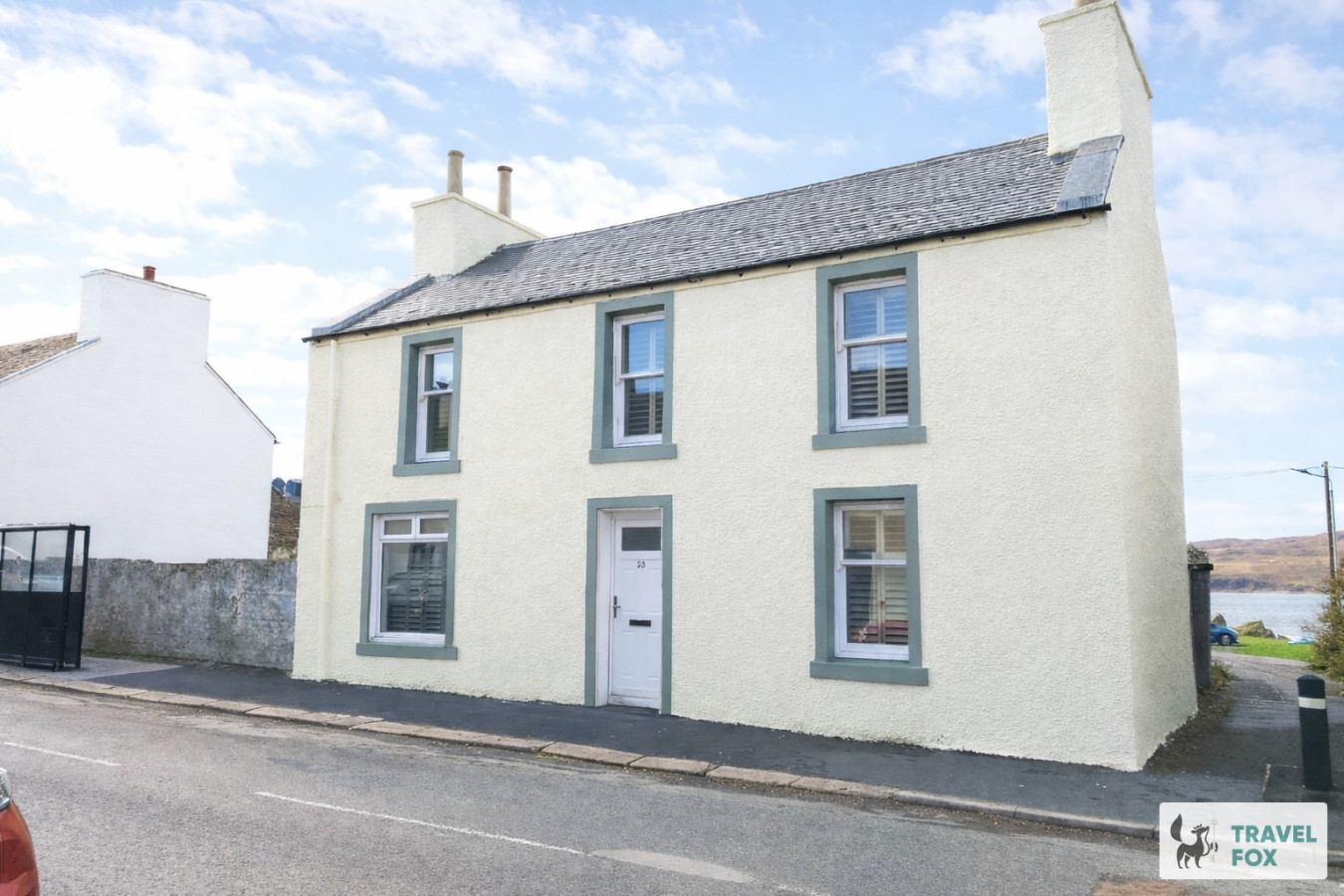
The village is a strip of white-painted houses along Loch Indaal. Main Street is split-level: houses on one side raised above the road, shore-side buildings set below, with back closes reached through archways. Across the water are the hills of Jura. Provisioning is done at the Spar, which also has the petrol station and the post office.
A planned distillery village
Port Charlotte was built to a plan. Walter Frederick Campbell, Laird of Islay, founded it in 1828 and named it for his mother, Lady Charlotte. It existed mainly to house the workers of the Lochindaal Distillery, which at its 1880s peak made 120,000 gallons a year. The distillery closed in 1929, and its warehouses now hold the youth hostel, the nature centre, and Bruichladdich's maturing casks up the shore.
The whisky writer Alfred Barnard came in 1886 and called it "a village of little importance and interest except for the large distillery." The distillery is now gone. The village stayed.
Museum, nature centre and shore walks
The Islay Natural History Trust runs a nature centre on Main Street in another former warehouse, with aquariums and staff who will tell you where to find otters, eagles and orchids. The Museum of Islay Life, in an old church, reopened in June 2025 after reconstruction; its holdings include an illicit still and the clockworks from the Rhinns lighthouse.
The Loch Indaal Way follows the shore to Bruichladdich, a little over a mile, looking across to the Paps of Jura. Northward you can walk to the white 1869 lighthouse on its headland. From the stone pier people fish for mackerel and watch for porpoises. The A847 runs through on the loch shore; the island itself is reached by CalMac ferry from Kennacraig.
The Tooth Stone
In a glen nearby there is a Tooth Stone, said to cure toothache if you drove a nail into it. A local, remembering earlier times, said folk once "were chatting on every street corner."
Stay around Argyll
Make a longer stay of it
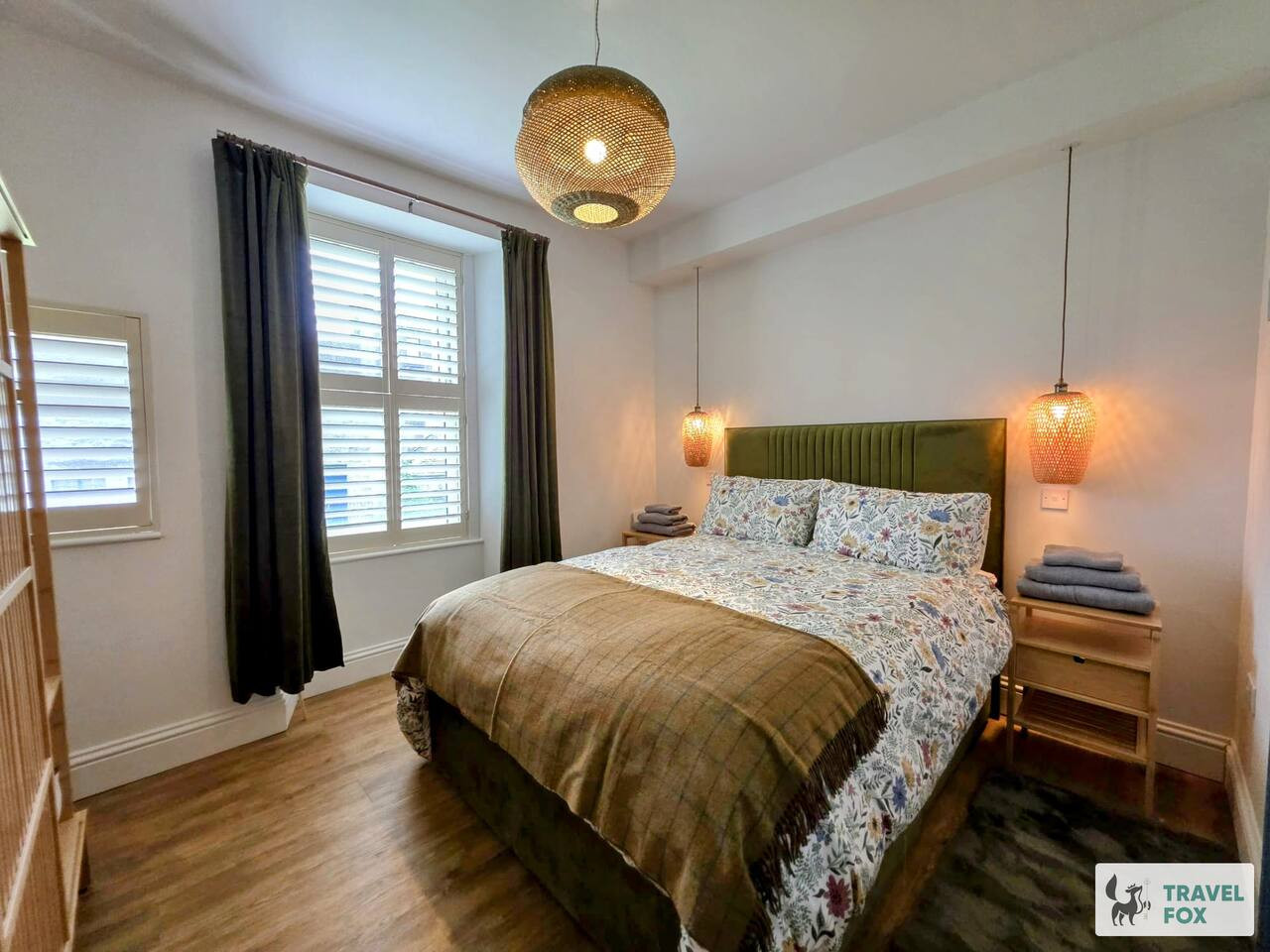
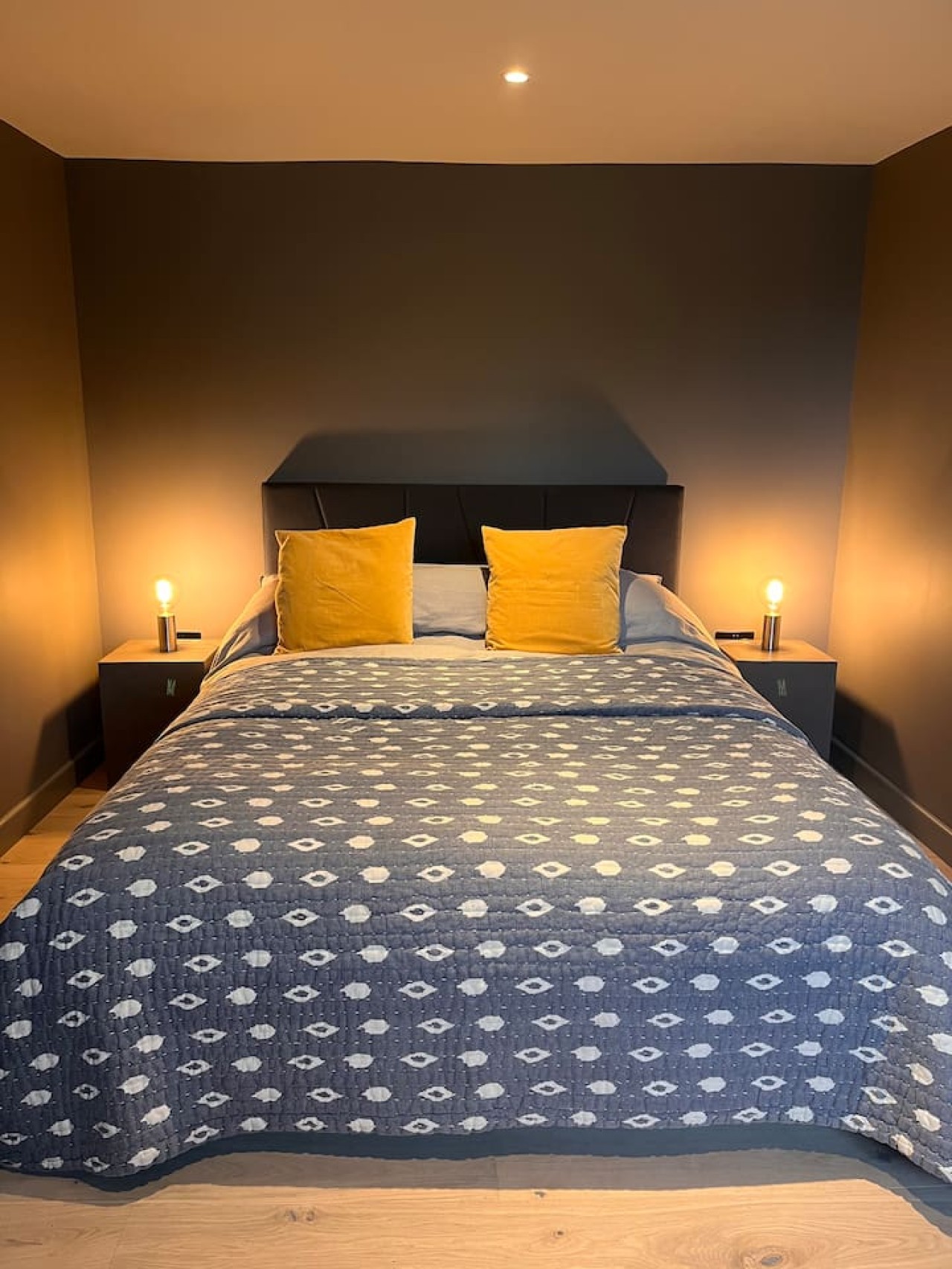
Travel Fox holiday homes around Argyll, linked directly to their property pages.
A guide with a point of view
Written from research. Edited for real journeys.
Use the Official site links for live practical details, then use this guide for context, ideas and room to explore.
Sources
Every place on this page is checked against a published source. Each entry links the record we used and names who publishes it.
- Port Charlotte Hotel — portcharlottehotel.co.uk operator, sector body or destination organisation
- Lochindaal Hotel — lochindaalhotel.co.uk operator, sector body or destination organisation
- Village SPAR / Post Office — sparscotland.co.uk operator, sector body or destination organisation
- St Kiaran's Church — northandwestislaychurches.org other published source
- Loch Indaal Way — walkwheelcycletrust.org.uk other published source
- Loch Indaal Lighthouse — nlb.org.uk other published source
- Port Charlotte Pier — argyll-bute.gov.uk statutory register or public authority
- Port Mòr Centre & Campsite — scottishcommunityalliance.org.uk other published source
- Islay Natural History Trust Nature Centre — islaynaturalhistory.org operator, sector body or destination organisation
- Museum of Islay Life — islaymuseum.org operator, sector body or destination organisation