
Georgian estate town
Woburn
A rebuilt Georgian town on the Greensand Ridge, with estate parkland, historic St Mary's and a safari park on the doorstep.
- Best for
- Georgian history, estate walking and wildlife
- Give it
- A town visit, or a full day at the safari park
- Don't miss
- The 1830 Market House at the central crossroads
Photo: Neil Theasby · CC BY-SA 2.0 · cropped
The Fox verdict
Georgian streets, deer park and a ridge walk
Woburn combines a Georgian estate-town centre with the Greensand Ridge Walk, parkland and destination dining.
Fires in 1595, 1645 and 1724 damaged parts of Woburn; rebuilding after the last fire helps explain the Georgian appearance of Bedford Street and Market Place. Pair the Town Hall and St Mary's with a section of the Greensand Ridge Walk or a meal in the village.
Where to go
Places in Woburn
Every place below is checked against a published source, listed with what it is and how long to give it.
Local signatures
3 placesThe Black Horse
A Peach Pubs gastropub with exposed beams, fresh seasonal pub fare using local ingredients, Sunday roasts and well-kept ales.
- Visit length
- Editorial estimate: Allow around 90 minutes
- Locality
- 1 Bedford Street
- Access
- On-street parking plus a large free public car park on Park Street nearby.
Greensand Ridge Walk
A 40-mile route following the Bedfordshire Greensand Ridge, marked by a muntjac-deer silhouette and passing directly through Woburn.
- Visit length
- Editorial estimate: Allow around 120 minutes
- Locality
- passes directly through Woburn
- Access
- The 40-mile walk is mapped in five sections, including Leighton Buzzard to Woburn and Woburn to Ampthill.
Woburn Safari Park
Explore the drive-through Road Safari and the Foot Safari, with animal habitats and play areas.
- Visit length
- Editorial estimate: Allow a full day
- Locality
- on the doorstep
- Access
- Entry requires your own vehicle. Foot Safari paths include steep, gravel and grass sections, shown on the park's accessibility map.
Food & drink
1 place
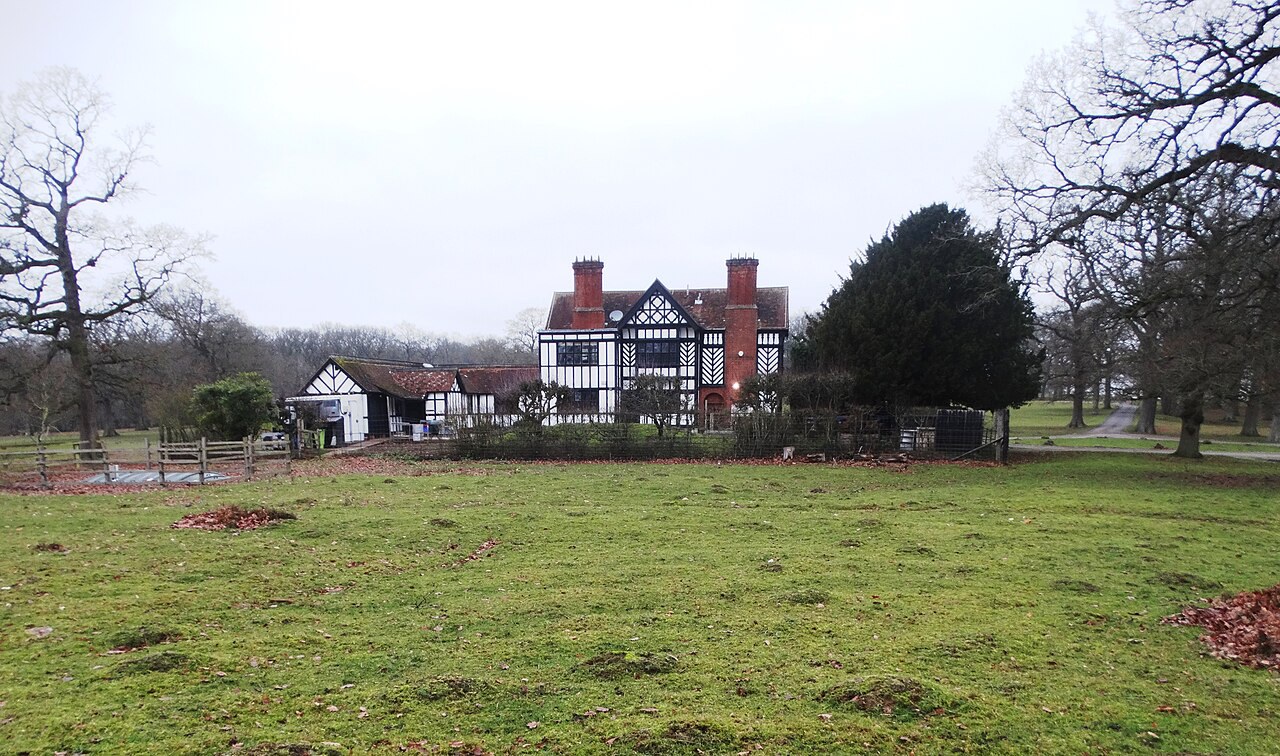
Paris House
A Michelin Recommended fine-dining restaurant serving innovative modern British cuisine under Chef Phil Fanning, including a six-course Signature Tasting Menu.
- Visit length
- Editorial estimate: Allow around 150 minutes
- Locality
- within Woburn Park on London Road
History & heritage
2 places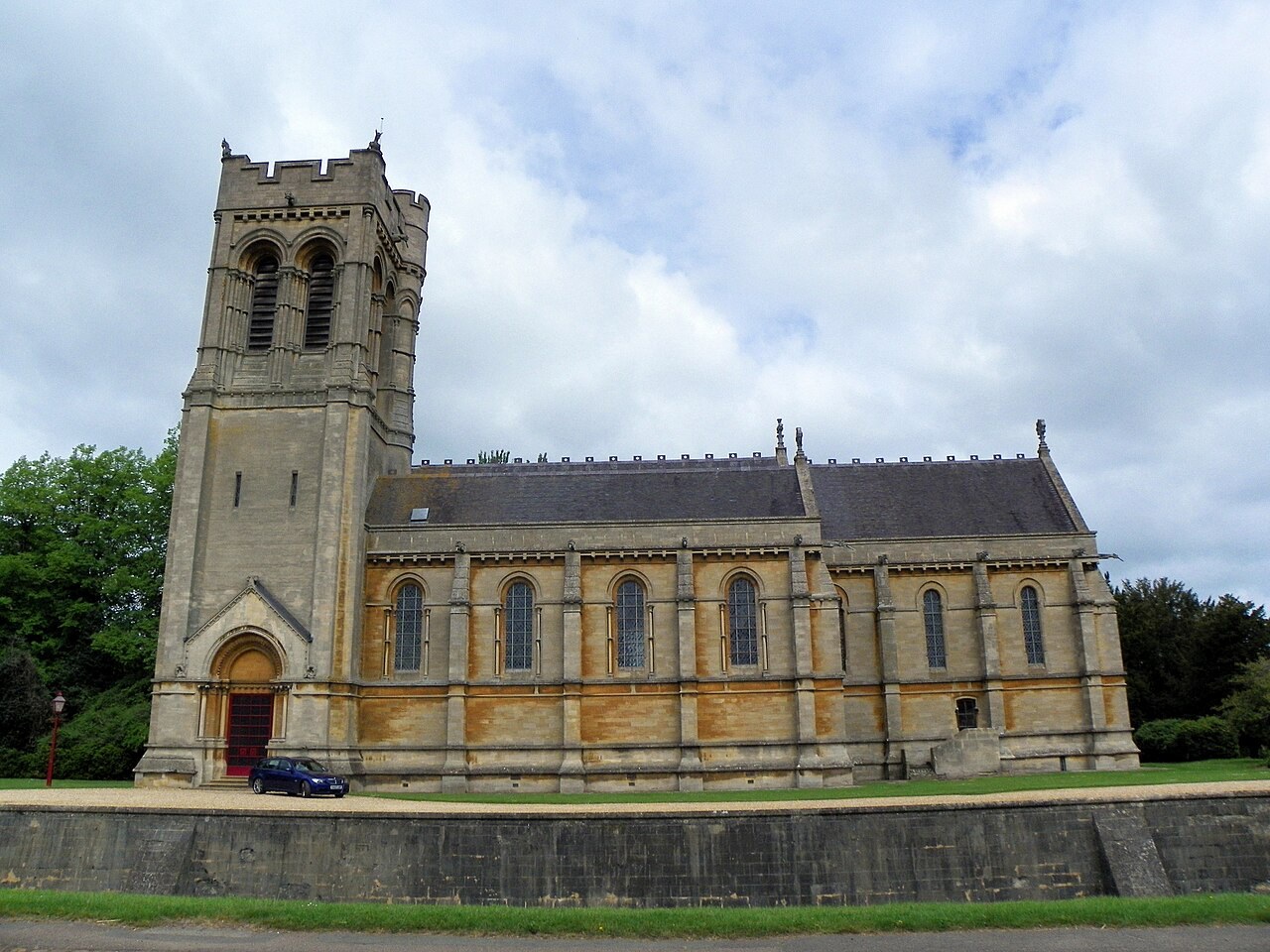
St Mary's Church
A Grade II* church built in 1865–1868 to Henry Clutton's design, with a Kempe east window and a former spire removed after structural problems.
- Visit length
- Editorial estimate: Allow around 30 minutes
- Locality
- on Park Street
Market House / Town Hall
Woburn's Georgian Market House and Town Hall, designed by Edward Blore and completed in 1830.
- Visit length
- Editorial estimate: Allow around 15 minutes
- Locality
- at the crossroads at the centre of the village
Things to do
1 placeWoburn Lido
The village's outdoor swimming pool.
- Visit length
- Editorial estimate: Allow around 90 minutes
- Locality
- in the village
- Access
- Advance booking is required for swim sessions.
No places match this filter. Choose All places to reset the list.
Three ways to explore Woburn
Signature outings
Modern British cooking in the deer park
Phil Fanning's modern British tasting menus make Paris House a dining stop inside the Woburn Estate deer park.
The church that lost its spire
Look at Henry Clutton's Park Street church and its west tower, once topped by a spire removed after it became unsafe.
A village lido session
Make Woburn's outdoor swimming pool the recreation stop in a village visit.
The town story
Woburn: A Market Town Shaped by Fire
Food, Georgian rebuilding, estate walking and the deer that connect Woburn's past to its present.
Pub food and deer-park dining
The Black Horse serves seasonal pub food at 1 Bedford Street, with Sunday roasts and a large free public car park nearby on Park Street. The Woburn is another place to eat or stay in the centre: the estate-run hotel occupies an 18th-century former inn and has a restaurant and bar.
Paris House sits in the Woburn Estate deer park on London Road. Phil Fanning and his team serve modern British tasting menus, including a six-course Signature Tasting Menu.
The Georgian centre and St Mary's
Woburn's recorded major fires came in 1595, 1645 and 1724. The first destroyed about 130 houses; 27 houses burned amid a Civil War skirmish; and the last destroyed 39 homes. Rebuilding after the 1724 fire gave Bedford Street and Market Place much of their Georgian appearance. At Market Place, the Town Hall follows Edward Blore's 1830 design.
On Park Street, the Grade II* St Mary's Church was built in 1865–1868 to Henry Clutton's design for the 8th Duke of Bedford. Its east chancel windows contain glass by Charles Eamer Kempe. The west tower once had a spire, removed after it became unsafe. Woburn Heritage Museum occupies Old St Mary's Church on Bedford Street and displays artefacts and exhibits about the village.
The ridge walk and estate parkland
The 40-mile Greensand Ridge Walk crosses Woburn between its Leighton Buzzard and Ampthill sections. Five section maps cover the trail from Leighton Buzzard to Gamlingay; the Woburn to Ampthill map traces a public path through the Deer Park.
Woburn Abbey and its gardens remain closed during restoration. The wider deer park, landscaped by Humphry Repton, remains part of Woburn's setting.
Planning the family stops
Drivers reach Woburn Safari Park through Ridgmont Gate on High Street, using postcode MK43 0TU; visitors need their own vehicle. The Road Safari leads to a Foot Safari with some steep, gravel and grass paths shown on the accessibility map. Woburn Lido offers outdoor swimming in the village, and its sessions require advance booking.
Stay around Bedfordshire
Make a longer stay of it
Travel Fox holiday homes around Bedfordshire, linked directly to their property pages.
For homeowners
Own a holiday home near Woburn?
We manage holiday lets across the UK from 12% commission, charged after cleaning costs, with no lock-in. A co-founder visits before you decide.
How our holiday let management works →
A guide with a point of view
Written from research. Edited for real journeys.
Use the Official site links for live practical details, then use this guide for context, ideas and room to explore.
Photography credits & licences
Third-party photographs are credited to their named creators and reused under the linked Creative Commons licence or public-domain dedication. Travel Fox stores an optimised local copy; the file-specific changes and any browser-applied display crop are disclosed below. Reused photographs link both to the Wikimedia Commons source record and to the declared source image; Travel Fox's own photographs carry no such record and are marked as ours. These image licences do not cover Travel Fox text, branding or page design.
- File:Paris House on the Woburn Abbey estate - geograph.org.uk - 8218567.jpg — photograph by Neil Theasby; Paris House on the Woburn Abbey estate by Neil Theasby. Source record on Wikimedia Commons. Declared source image. Licence: CC BY-SA 2.0. File changes: Downloaded from Wikimedia Commons, resized to a maximum 1920px edge and encoded as an optimised JPEG. Display changes: Displayed with responsive CSS cropping.
- File:GOC Woburn 002 St Mary's Church, Woburn (23060252006).jpg — photograph by Peter O'Connor aka anemoneprojectors; GOC Woburn 002: St Mary's Church, Woburn. Source record on Wikimedia Commons. Declared source image. Licence: CC BY-SA 2.0. File changes: Downloaded from Wikimedia Commons, resized to a maximum 1920px edge and encoded as an optimised JPEG. Display changes: Displayed with responsive CSS cropping.
Sources
Every place on this page is checked against a published source. Each entry links the record we used and names who publishes it.
- The Black Horse — historicengland.org.uk statutory register or public authority record not machine-readable; publisher restricts automated access
- Paris House — parishouse.co.uk operator, sector body or destination organisation
- St Mary's Church — historicengland.org.uk statutory register or public authority record not machine-readable; publisher restricts automated access
- Greensand Ridge Walk — centralbedfordshire.gov.uk statutory register or public authority
- Woburn Safari Park — woburnsafari.co.uk operator, sector body or destination organisation
- Woburn Lido — centralbedfordshire.gov.uk statutory register or public authority
- Market House / Town Hall — historicengland.org.uk statutory register or public authority record not machine-readable; publisher restricts automated access