
Roald Dahl's Chiltern village
Great Missenden
A narrow High Street of old inns, Dahl landmarks and walks into beechwoods and the Misbourne valley.
- Best for
- Roald Dahl connections and Chiltern walks
- Give it
- A museum visit, village stops and a walk
- Don't miss
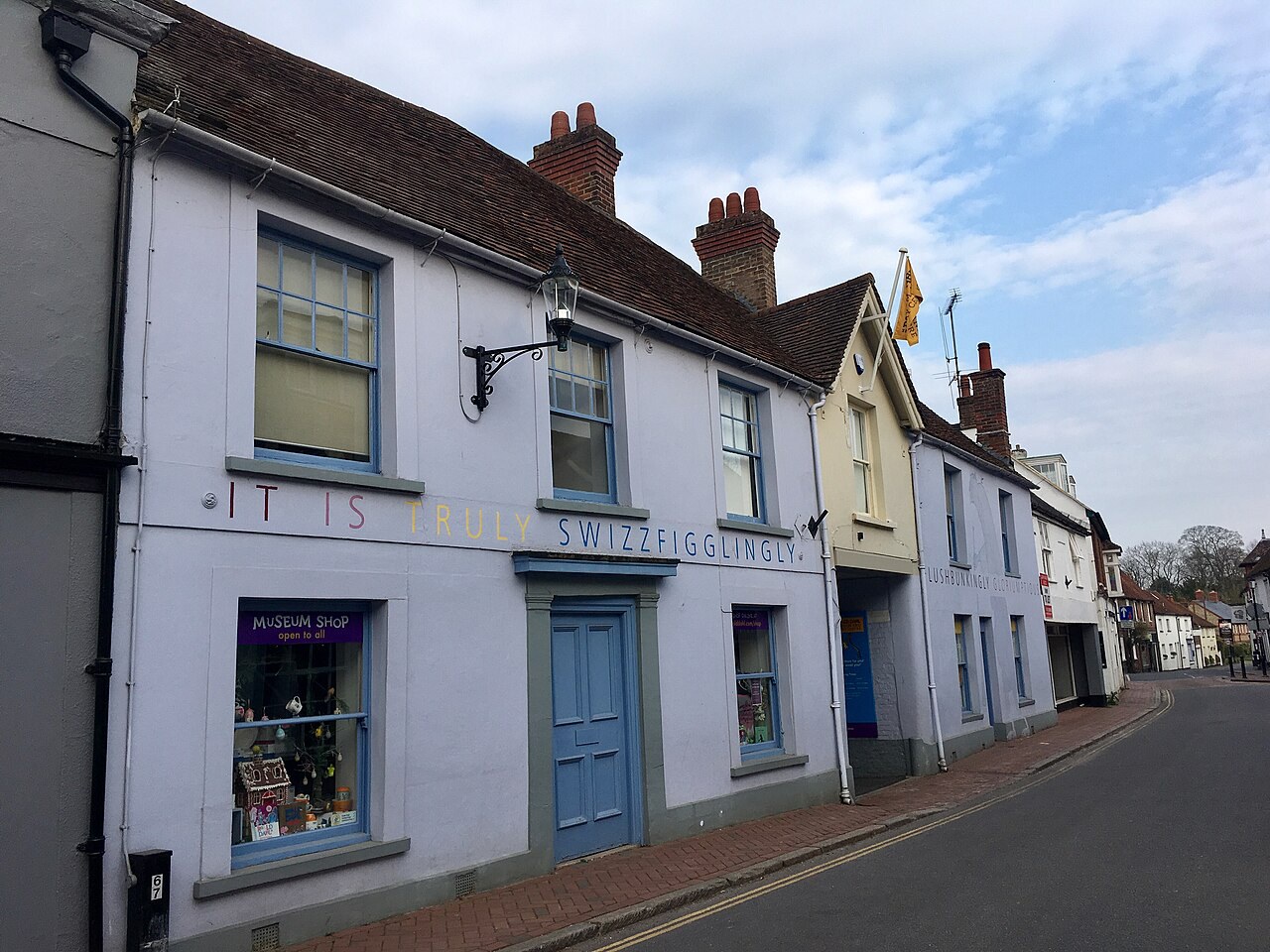
- Dahl's original Writing Hut
Photo: No Swan So Fine · CC BY-SA 4.0 · cropped
The Fox verdict
Roald Dahl's village in the Chiltern Hills
The Writing Hut and book connections give Great Missenden its character; old inns, the hilltop church and Misbourne valley paths broaden the visit.
Great Missenden rewards a mixed day: explore the museum in its converted coaching inn, follow the village's Dahl connections, choose an old inn, or set out through Abbey Park and the surrounding chalk landscape.
Where to go
Places in Great Missenden
Every place below is checked against a published source, listed with what it is and how long to give it.
Local signatures
3 places
Start here
Roald Dahl Museum and Story Centre
Interactive galleries, a cafe and Roald Dahl's original Writing Hut bring together the writer's long connection with Great Missenden.
- Visit length
- Editorial estimate: Allow around 90 minutes
- Locality
- in a converted old coaching inn and yard
The Nag's Head Country Inn & Restaurant
A 15th-century country inn and gastropub with grounds, serving dishes including mussels, fish and chips and sticky toffee pudding; Dahl mentioned it in Danny, the Champion of the World.
- Visit length
- Editorial estimate: Allow around 60 minutes
- Locality
- South Heath side of the village
Cross Keys Pub & Kitchen
A 16th-century traditional pub with a kitchen sourcing from local suppliers, serving sandwiches, main meals and a children's menu, and noted for Sunday lunch.
- Visit length
- Editorial estimate: Allow around 60 minutes
- Locality
- in the village
Walks & outdoors
2 places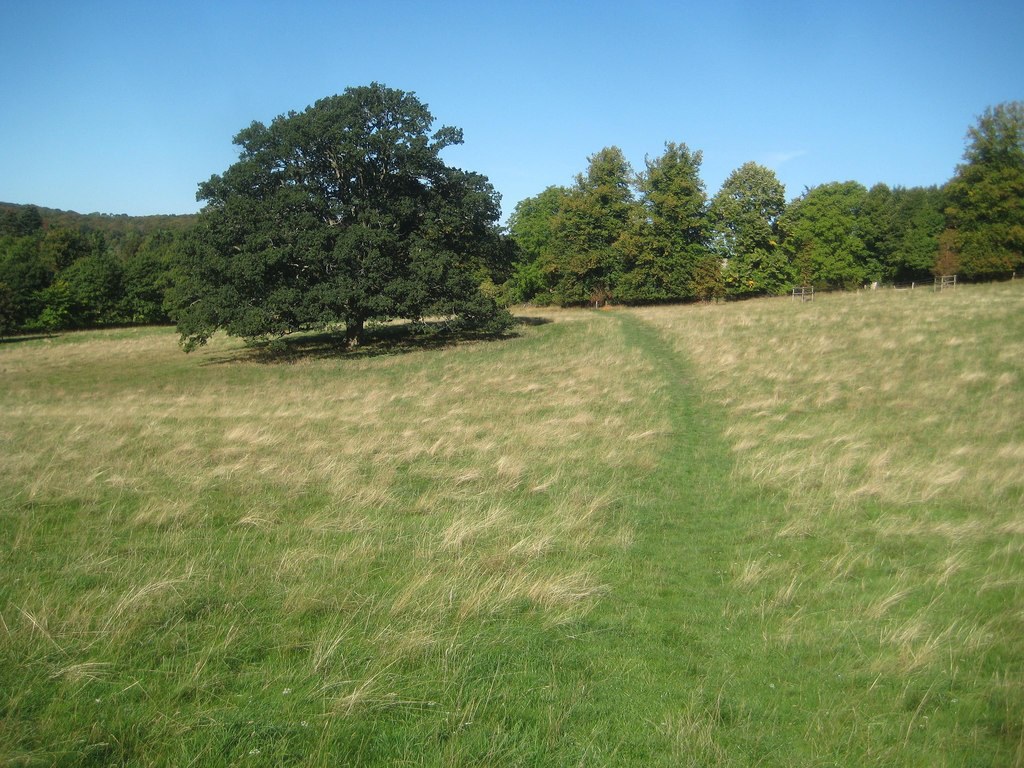
Missenden Abbey's Abbey Park
A park with a lake and views of the River Misbourne, passed by the South Bucks Way as it heads south from Great Missenden.
- Visit length
- Editorial estimate: Allow around 45 minutes
- Locality
- south past Missenden Abbey
South Bucks Way
A 23-mile route following the River Misbourne valley; from Great Missenden it passes Missenden Abbey and Abbey Park before continuing through Little Kingshill and Little Missenden.
- Visit length
- Editorial estimate: Allow around 2 hours for a Great Missenden walk
- Locality
- from Great Missenden heading south
History & heritage
1 place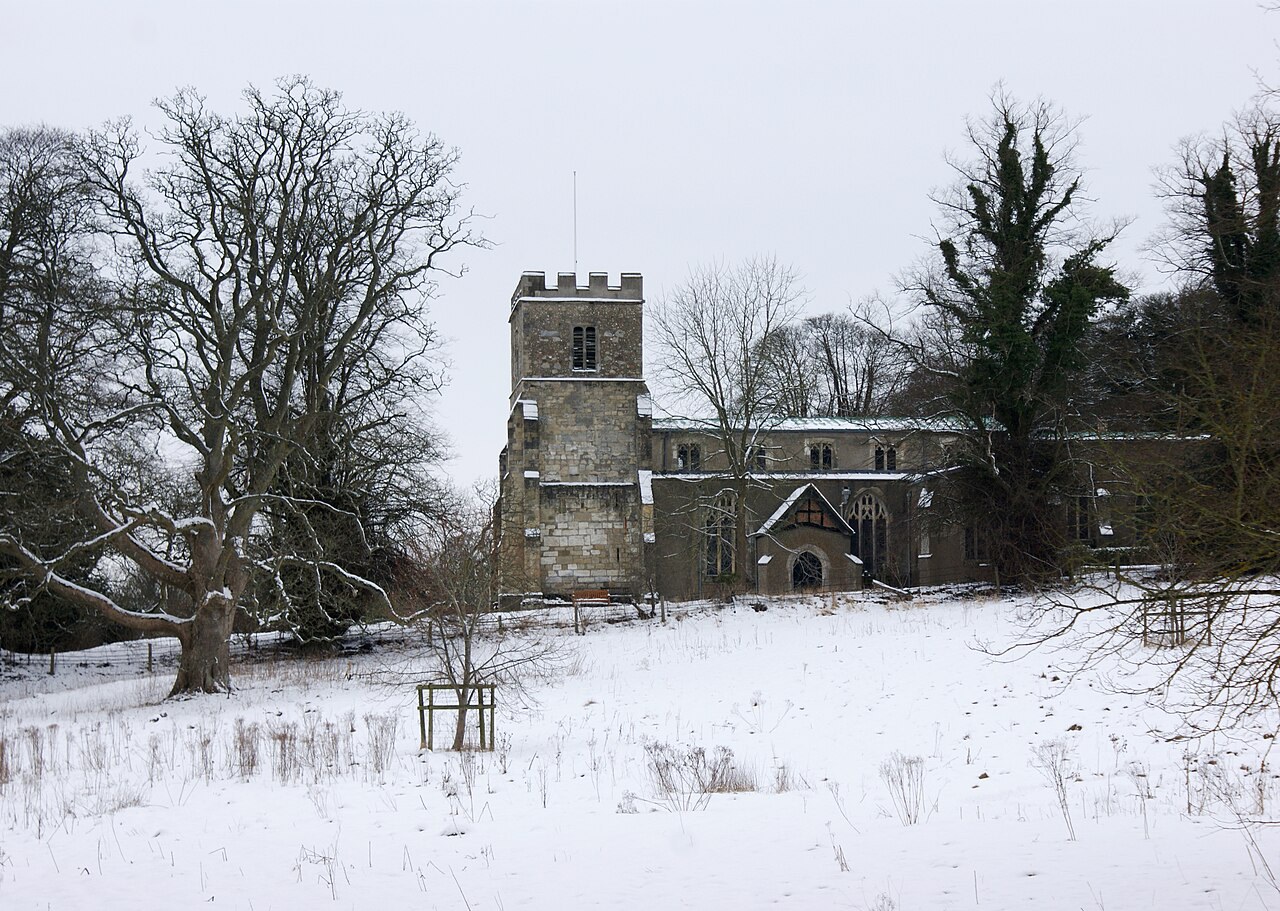
Church of St Peter and St Paul
A mainly 14th-century church with sarsen stone footings, a fine nave arcade and a 15th-century timber roof; Roald Dahl is buried in the churchyard.
- Visit length
- Editorial estimate: Allow around 45 minutes
- Locality
- on a hill above the A413
No places match this filter. Choose All places to reset the list.
Three ways to explore Great Missenden
Signature outings
See where the stories began
The museum displays Roald Dahl's original Writing Hut inside a converted coaching inn and yard.
Find the timber roof and Dahl's grave
The mainly 14th-century church has a fine nave arcade and a 15th-century timber roof, with Dahl buried in its churchyard.
Pause in Abbey Park
The South Bucks Way passes Abbey Park, where the lake and River Misbourne provide the views.
The village story
Great Missenden Village Guide
Roald Dahl's village links a narrow historic High Street with old inns, Chiltern walks, a medieval church and the writer's final resting place.
Dahl's village in the Misbourne valley
The Red Pump Garage on the High Street, with two old petrol pumps, appears in *Danny, the Champion of the World*. A little further along, Crown House — number 70, patterned in black and white — was the model for Sophie's orphanage in *The BFG*. Great Missenden was Roald Dahl's village for thirty-six years, and it turns up in his books in pieces you can walk past.
The High Street itself is narrow and half-timbered, lined with old inns, and the A413 to Aylesbury now runs around it rather than through it. The village sits in the valley of the River Misbourne, with the Chiltern chalk ridge rising to the west and beechwoods on the hills above. Dahl called it "fine Buckinghamshire country with its rolling hills and beechwoods and small green fields."
Old inns and High Street shops
The Nag's Head, on the South Heath side, is a 15th-century country inn serving mussels, fish and chips, and sticky toffee pudding; Dahl put it in *Danny* too, catching "a glimpse of old Rummins going into the Nag's Head for his morning pint." The Cross Keys is 16th century, noted for its Sunday roast. Origins at the White Lion has taken over the former White Lion pub and now runs as a tapas and wine bar. The George is the last of the old coaching inns still trading — the arches into its yards are still visible along the street.
Shopping is on the same stretch. There is the Cross Keys Bookshop, the homeware and gift shops Janes and Hooch and Big Sky, and a traditional butcher and greengrocer. On the first Sunday of the month, from ten until three, an artisan market brings food and drink stalls and local craft producers into the village.
Walking from Great Missenden
The walking starts from the centre. The South Bucks Way heads south past Missenden Abbey and its Abbey Park, where a lake and the Misbourne run below the trees, then on through Little Missenden and the Shardeloes Estate. The most popular route is the Coneybank Wood and The Lee loop, about seven and a half miles through ancient woodland and chalk hills. Great Missenden has its own station on the Chiltern line, with direct trains to London Marylebone and step-free access on both platforms.
The Writing Hut, church and manor
The Roald Dahl Museum and Story Centre occupies a converted coaching inn and yard, and has his original Writing Hut on display. Above the village, set apart on a hill over the A413, is the Church of St Peter and St Paul — mostly 14th century, with sarsen stone footings, a fine nave arcade and a 15th-century timber roof. The Domesday surveyors valued the whole manor at four pounds.
Dahl's grave
Dahl is buried in the churchyard. Visitors still leave toys and flowers on the grave.
Stay around Buckinghamshire
Make a longer stay of it
Travel Fox holiday homes around Buckinghamshire, linked directly to their property pages.
For homeowners
Own a holiday home near Great Missenden?
We manage holiday lets across the UK from 12% commission, charged after cleaning costs, with no lock-in. A co-founder visits before you decide.
How our holiday let management works →
A guide with a point of view
Written from research. Edited for real journeys.
Use the Official site links for live practical details, then use this guide for context, ideas and room to explore.
Photography credits & licences
Third-party photographs are credited to their named creators and reused under the linked Creative Commons licence or public-domain dedication. Travel Fox stores an optimised local copy; the file-specific changes and any browser-applied display crop are disclosed below. Reused photographs link both to the Wikimedia Commons source record and to the declared source image; Travel Fox's own photographs carry no such record and are marked as ours. These image licences do not cover Travel Fox text, branding or page design.
- File:Roald Dahl Museum and Story Centre, 81 and 83 High Street, Great Missenden, April 2020.jpg — photograph by No Swan So Fine; Own work. Source record on Wikimedia Commons. Declared source image. Licence: CC BY-SA 4.0. File changes: Downloaded from Wikimedia Commons, resized to a maximum 1920px edge and encoded as an optimised JPEG. Display changes: Displayed with responsive CSS cropping.
- File:Church of St Peter and St Paul, Great Missenden (geograph 3381006).jpg — photograph by Simon Mortimer; Simon Mortimer. Source record on Wikimedia Commons. Declared source image. Licence: CC BY-SA 2.0. File changes: Downloaded from Wikimedia Commons, resized to a maximum 1920px edge and encoded as an optimised JPEG. Display changes: Displayed with responsive CSS cropping.
- File:Great Missenden, Missenden Abbey Park - geograph.org.uk - 5904313.jpg — photograph by Nigel Cox; Great Missenden: Missenden Abbey Park by Nigel Cox. Source record on Wikimedia Commons. Declared source image. Licence: CC BY-SA 2.0. File changes: Downloaded from Wikimedia Commons, resized to a maximum 1920px edge and encoded as an optimised JPEG. Display changes: Displayed with responsive CSS cropping.
Sources
Every place on this page is checked against a published source. Each entry links the record we used and names who publishes it.
- Roald Dahl Museum and Story Centre — roalddahlmuseum.org operator, sector body or destination organisation
- Church of St Peter and St Paul — historicengland.org.uk statutory register or public authority record not machine-readable; publisher restricts automated access
- The Nag's Head Country Inn & Restaurant — book.nagsheadbucks.com operator, sector body or destination organisation
- Cross Keys Pub & Kitchen — crosskeysgreatmissenden.co.uk operator, sector body or destination organisation
- Missenden Abbey's Abbey Park — historicengland.org.uk statutory register or public authority record not machine-readable; publisher restricts automated access
- South Bucks Way — chilterns.org.uk other published source