
North Cornwall's folded coast
Crackington Haven
A deep, narrow coombe opening onto a small Atlantic beach, framed by dark folded cliffs and demanding coast-path country.
- Best for
- Rock pools, sheltered surf and demanding coastal walking
- Give it
- A beach visit, or four to four-and-a-half hours for the Boscastle walk
- Don't miss
- The zig-zag strata of the Crackington Formation
The Fox verdict
A small cove beneath a seriously dramatic coast
Crackington Haven pairs low-tide sand and rock pools with beach food, folded geology and some of the South West Coast Path's hardest walking.
The beach sits in a deep, narrow valley between dark, dramatically folded cliffs. Stay around the haven for sheltered surf, rock pools and food, or take on the steep coast south towards Cambeak, The Strangles and High Cliff.
Where to go
Places in Crackington Haven
Every place below is checked against a published source, listed with what it is and how long to give it.
Local signatures
3 placesCrackington Haven Beach
A small Atlantic beach in a deep, narrow coombe, with sand and extensive rock pools at low tide, sheltered surf for all abilities and dramatically folded cliffs.
- Visit length
- Editorial estimate: allow around 75 minutes
- Locality
- Crackington Haven
- Access
- Sand and extensive rock pools are exposed at low tide; lifeguard cover is seasonal and public toilets are available.
Church of St Genesius
A Grade I parish church whose lower tower is 12th-century, with 15th-century aisles and porch, a Norman font carved from Tintagel Greenstone and historic slate memorials.
- Visit length
- Editorial estimate: allow around 45 minutes
- Locality
- St Gennys, on high ground about half a mile north of Crackington Haven
South West Coast Path to Boscastle
A roughly seven-mile coast walk with about 1,771 feet of ascent, passing Cambeak, The Strangles and High Cliff on a steep route to Boscastle.
- Visit length
- Editorial estimate: Allow around 4 to 4½ hours
- Locality
- between Crackington Haven and Boscastle
- Access
- This is one of the most demanding South West Coast Path sections, with a relentless run of steep climbs and plunging descents.
Food & drink
2 placesThe Cabin Café
A beach café and tea room serving homemade pasties, cream teas, breakfasts and pork belly baguettes, with outdoor seating, summer BBQ evenings and wetsuit and board hire.
- Visit length
- Editorial estimate: allow around 45 minutes
- Locality
- serving the beach
- Access
- Open all year, seven days a week except Christmas Day; dogs are welcome and wetsuits and boards are available to hire.
The Coombe Barton Inn
A roughly 300-year-old pub with a view over the adjacent beach and out to sea, serving modern Cornish and world food made with locally caught fish, local vegetables and local meat.
- Visit length
- Editorial estimate: allow around 60 minutes
- Locality
- at the head of the beach
Walks & outdoors
1 placeCambeak Headland
A 328-foot headland immediately south of the haven, reached by a steep climb and giving far-reaching views across Tremoutha Haven.
- Visit length
- Editorial estimate: allow around 60 minutes
- Locality
- immediately south of the haven
- Access
- The headland is reached by a steep climb.
History & heritage
2 placesHigh Cliff
Cornwall's highest sheer cliff at 735 feet, with a summit bench and a literary connection to Thomas Hardy's cliffhanger scene in A Pair of Blue Eyes.
- Visit length
- Editorial estimate: allow around 75 minutes
- Locality
- one mile south
The Strangles Beach
An isolated beach south of the village that was a courting spot for Thomas Hardy and Emma Gifford.
- Visit length
- Editorial estimate: allow around 90 minutes
- Locality
- south of the village
- Access
- The beach is reached on foot south of the village.
No places match this filter. Choose All places to reset the list.
Three ways to explore Crackington Haven
Signature outings
Homemade cream tea
The Cabin Café serves homemade cream teas and pasties and also hires out wetsuits and boards.
Cambeak views
The steep climb to 328-foot Cambeak brings far-reaching views across Tremoutha Haven.
The original cliffhanger
High Cliff is the 735-foot setting Thomas Hardy drew on for the cliffhanger scene in A Pair of Blue Eyes.
The village story
Crackington Haven Village Guide
Beach cafés, folded rock, hard coastal miles and a Thomas Hardy cliffhanger on Cornwall's north coast.
Cream Teas Above the Beach
The Cabin Café sits above the beach, hires out wetsuits and boards, and does a highly regarded homemade cream tea. It opens seven days a week, every week of the year except Christmas Day, which for a Cornish beach café is a kind of statement. Dogs are welcome, there's plenty of outdoor seating, and in summer they run BBQ evenings. The pasties are homemade, as are the pork belly baguettes.
There are two cafés serving the beach and a general shop with toilets nearby. The Haven Café also does generous cream teas with a sea view, so the village is well covered for scones.
The Inn and the Atlantic Cove
The pub is the Coombe Barton Inn, at the head of the beach, about 300 years old. It was originally built as the house for the man who ran the local slate quarries, which tells you what the village used to be about. Glyn and Celi run the kitchen now, cooking modern Cornish and world food from locally caught fish and local meat. The menu runs to salt and pepper squid, an 8oz Warrens rump steak with chips, fish and chips with mushy or garden peas, Whitby wholetail scampi, and a braised lamb shank shepherd's pie. Sunday brings aged roast sirloin with a Yorkshire pudding, slow-roast shoulder of lamb, or confit and roast chicken breast. It ranks first of the two inns in the village, which is a small field, but the view over the beach and out to sea does most of the persuading. It serves Cornish real ales and is listed by CAMRA. There are six rooms and a self-catering lodge.
The beach itself is sand at low tide with extensive rock pools, sheltered surf that suits all abilities and stays cleaner than the neighbouring beaches. There's seasonal lifeguard cover and public toilets. The valley is deep and narrow, a coombe opening onto a small Atlantic beach hemmed by dark, dramatically folded cliffs.
Folded Rock and Hard Coastal Miles
Those cliffs are the reason geologists worldwide say "Crackington Formation" — the folded, zig-zag Carboniferous rock was first described here. The Cornish name is Porthkragen, "sandstone cove."
The walking is not gentle. The South West Coast Path south to Boscastle runs about seven miles with 1,771 feet of ascent, a relentless run of steep climbs and plunging descents, one of the most demanding stretches on the whole path. Cambeak headland rises immediately south for far-reaching views. A mile down the coast is High Cliff, at 735 feet Cornwall's highest sheer cliff, with a bench at the summit.
Hardy's Cliffhanger and the Journey In
High Cliff is where Thomas Hardy set the scene in A Pair of Blue Eyes in which a man is left dangling over the drop, face to face with a fossil "with eyes," and is saved when the heroine strips off her underclothes to make a rope. The word "cliffhanger" wasn't recorded until 1931. Hardy was courting Emma Gifford on this coast at the time; the two of them used to walk down to the isolated beach called The Strangles.
Getting here means narrow lanes off the A39 — Bude is about twenty minutes away, buses are sparse, and no railway comes anywhere near.
The Sand That Came Back
The sand here once vanished for centuries, carted off by landowners for building and soil. It came back on its own.
Stay around Cornwall
Make a longer stay of it
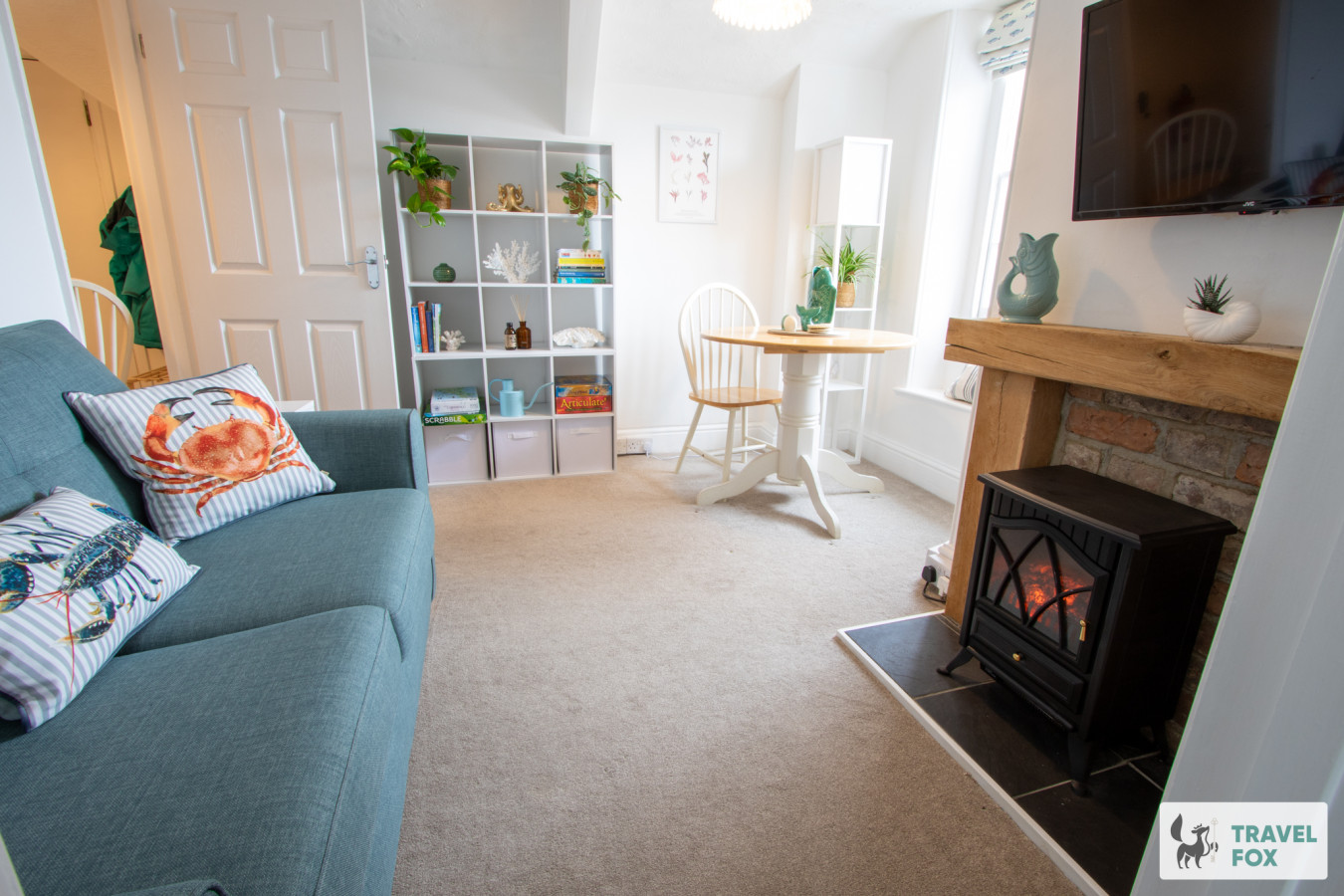
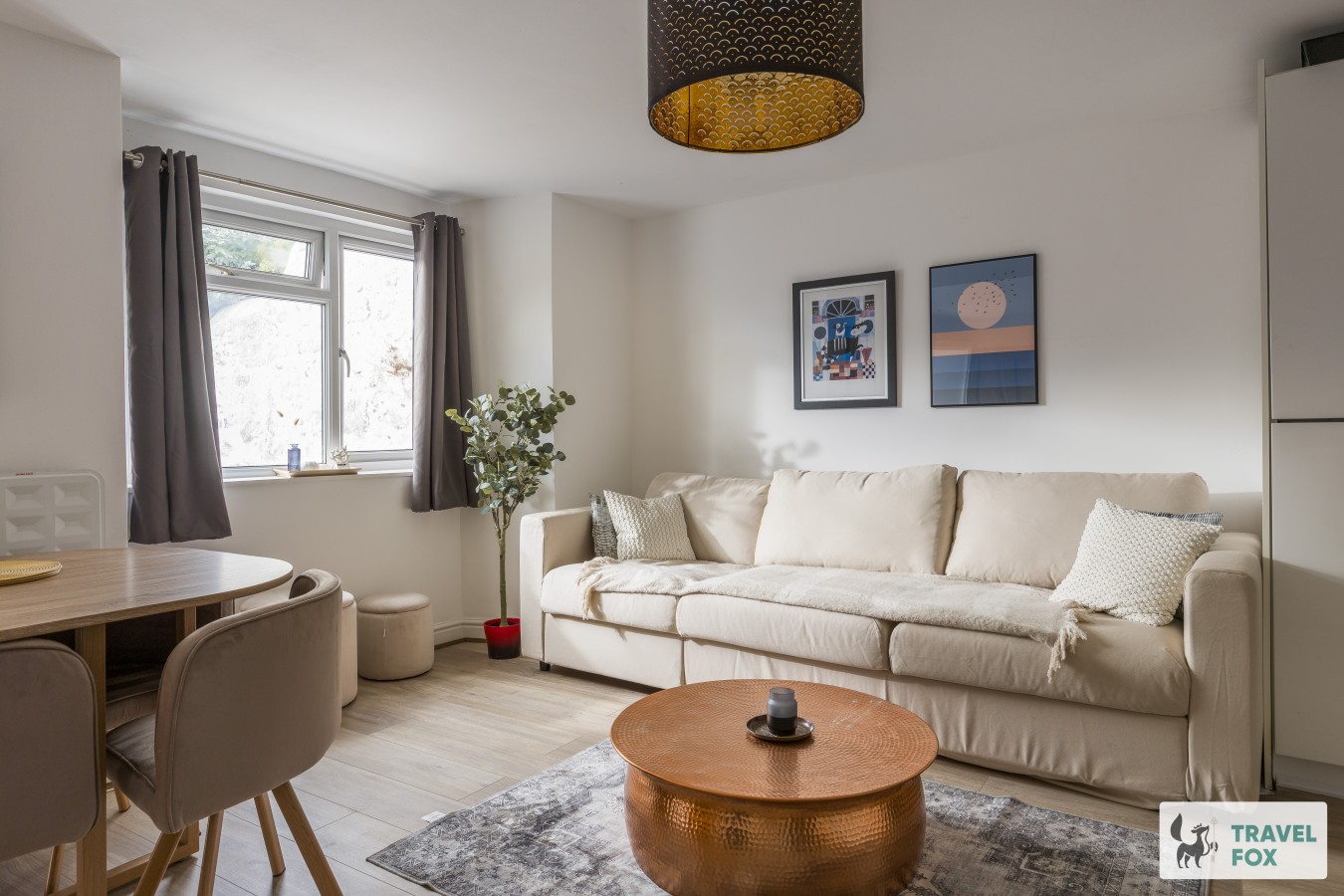
Travel Fox holiday homes around Cornwall, linked directly to their property pages.
A guide with a point of view
Written from research. Edited for real journeys.
Use the Official site links for live practical details, then use this guide for context, ideas and room to explore.
Sources
Every place on this page is checked against a published source. Each entry links the record we used and names who publishes it.
- Crackington Haven Beach — visitcornwall.com operator, sector body or destination organisation
- The Cabin Café — cabincafecrackington.co.uk operator, sector body or destination organisation
- The Coombe Barton Inn — coombebarton.co.uk operator, sector body or destination organisation
- Church of St Genesius — historicengland.org.uk statutory register or public authority record not machine-readable; publisher restricts automated access
- South West Coast Path to Boscastle — southwestcoastpath.org.uk operator, sector body or destination organisation
- Cambeak Headland — visitbude.info operator, sector body or destination organisation
- High Cliff — southwestcoastpath.org.uk other published source
- The Strangles Beach — visitbude.info operator, sector body or destination organisation