
Evenlode Valley village
Ascott-under-Wychwood
A community-owned shop, medieval church, riverside paths and a remarkable farm-labour protest story.
- Best for
- River and field-path walks
- Walking choice
- A 2.5-mile river loop or 7-mile circuit
- Don't miss
- Holy Trinity's triple sedilia
The Fox verdict
A small village with a deep local story
Ascott-under-Wychwood brings together Evenlode walks, community-run village life and history stretching from two Domesday settlements to the Ascott Martyrs.
Start with the late-12th-century Church of the Holy Trinity and the Martyrs' memorial bench, choose a short river circuit or the seven-mile Wychwood Walk, then call at the community-owned shop or the Swan Inn.
Where to go
Places in Ascott-under-Wychwood
Every place below is checked against a published source, listed with what it is and how long to give it.
Local signatures
3 placesAscott Village Shop
Owned and run by the village, the shop opened in 2003 and sells local produce alongside baguettes and pasties baked on the premises.
- Visit length
- Editorial estimate: allow around 20 minutes
- Locality
- Cook Row, High Street
Church of the Holy Trinity
A late-12th-century church with a three-stage west tower, Norman arcade and porch capitals, a 15th-century octagonal font and a notable triple sedilia.
- Visit length
- Editorial estimate: allow around 40 minutes
- Locality
- Ascott-under-Wychwood
Ascott Martyrs' Memorial Bench
The present bench dates from 2000 and remembers the village women imprisoned after picketing Crown Farm for unionised labourers seeking a wage rise in 1873.
- Visit length
- Editorial estimate: allow around 20 minutes
- Locality
- On the green
Food & drink
1 placeThe Swan Inn
A 16th-century inn with eleven rooms, modern British seasonal cooking, pub classics, pizzas, Sunday roasts and an attractive garden.
- Visit length
- Editorial estimate: allow around 90 minutes
- Locality
- 4 Shipton Road
- Access
- Dogs are welcome.
Walks & outdoors
1 placeWychwood Walk No. 4
A circular walk to Chadlington using the Oxfordshire Way beside the Evenlode, bridleways, field paths and brooks via Pudlicote, Shorthampton and Chilson.
- Visit length
- Editorial estimate: allow around 180 minutes
- Locality
- Beginning on the village green
Things to do
1 placeMemorial Playing Field
A parish-council-maintained recreation ground bought in 1948 as a Second World War memorial, with a pavilion and play equipment.
- Visit length
- Editorial estimate: allow around 45 minutes
- Locality
- Ascott-under-Wychwood
No places match this filter. Choose All places to reset the list.
Three ways to explore Ascott-under-Wychwood
Signature outings
Seasonal pub cooking
Call at the 16th-century Swan Inn for modern British seasonal cooking, pub classics and its attractive garden.
A field with a legacy
The Memorial Playing Field combines a Second World War memorial recreation ground with a pavilion and play equipment.
The Ascott Martyrs
Pause at the bench that remembers the village women imprisoned after the 1873 Crown Farm picket.
The village story
Ascott-under-Wychwood Village Guide
Walk the Evenlode Valley and discover a village shaped by community enterprise, medieval foundations and remarkable local lives.
Village Food and Footpaths
The Swan Inn stands at 4 Shipton Road, a 16th-century inn with eleven rooms above the bar. The kitchen, run under the Lionhearth name, does modern British cooking that changes with the season — grill dishes, pub classics, pizzas and Sunday roasts — and there is an attractive garden. Dogs are welcome. The building is older than its paperwork: the first written record dates from 1790, and it almost certainly stood for some time before that. Andrew, who stayed here in September 2025, called it a "comfortable inn set in peaceful picturesque Cotswold village."
Down the High Street at Cook Row, the village shop is owned and run by the village. Residents fitted out a bare shell and opened it in 2003, and it now sells local produce alongside baguettes and pasties baked on the premises.
The walking is a large part of the appeal. The Oxfordshire Way runs beside the River Evenlode, and from the green you can pick up Wychwood Walk No. 4, a seven-mile loop to Chadlington that crosses field paths and brooks through Pudlicote, Shorthampton and Chilson and passes the site of Ascot d'Oilly Castle. A shorter stretch of the Oxfordshire Way covers the 1.6 miles from Shipton-under-Wychwood, over the Evenlode and the railway. There is also an easy river loop of about two and a half miles from the green, though the published route is old, so check the paths locally before you set out.
Along the Evenlode
Somewhere on the Oxfordshire Way between Ascott and Pudlicote stands an oak with a seven-metre girth, said in the village to be more than five hundred years old.
Ascott is the smallest of the three Wychwood parishes, set in the Evenlode Valley between Burford, Charlbury and Chipping Norton. The station is in the village, on Shipton Road, with step-free access to both platforms and no car park; trains are few, and National Rail itself points you to Charlbury or Kingham for anything frequent. The B4437 heads for Charlbury and Burford, and the A361 runs past Five Shilling Corner towards Chipping Norton. The V19 community bus connects the Wychwoods with Chipping Norton, and the weekday 210 runs via Ascott to Witney, though timetables are worth checking before you rely on them.
Recreation and Two Settlements
For families there is the Green, the Pound, the playground and the Memorial Playing Field, bought in 1948 as a war memorial recreation ground and fitted with play equipment in 2014. Coldstone Angling Club holds the fishing rights on this stretch of the Evenlode, but the water is club-controlled rather than open to visitors.
The modern village joins two Domesday settlements, Ascot d'Oyley and Ascot Earl. In 1086 the first was worth eight pounds and the second four. Ascott d'Oyley Manor House still stands inside the bailey of a castle raised around 1129 and pulled down some fifty years later; the motte is private, but the dykes and moat show from the river and the footpath. Turf mounds west of the village mark where Ascot Earl had a castle of its own.
Church and Martyrs
The Church of the Holy Trinity is late 12th century, with 14th-century alterations and a restoration by G. E. Street in 1857. It has rubble walls and Cotswold-stone roofs, a three-stage west tower, a four-bay Norman arcade, Norman capitals in the south porch and a 15th-century octagonal font. Its triple sedilia — the three stone seats set into the chancel wall — is the best feature in the church, with similar examples at Shipton and Idbury.
On 12 May 1873, about forty village women picketed Crown Farm in support of farm labourers asking for higher wages. Sixteen were sentenced to hard labour, seven for ten days and nine for seven, and two of them carried infants into Oxford Gaol; a crowd of some two thousand had gathered in Chipping Norton. Queen Victoria pardoned the women. The labourers did not get their rise. A bench on the green remembers them, the current one dating from 2000.
Tiddy and Winston
Reginald Tiddy, a folklorist, arrived in 1909, collected folk plays and revived the local Morris. He paid for Tiddy Hall in 1912 and gave it a sprung dance floor. He was killed near Laventie in 1916, aged thirty-six, while looking for wounded men.
In the 1960s a village syndicate bought a donkey called Winston to run in the annual donkey derbies. He never won a race.
Stay around Cotswolds
Make a longer stay of it
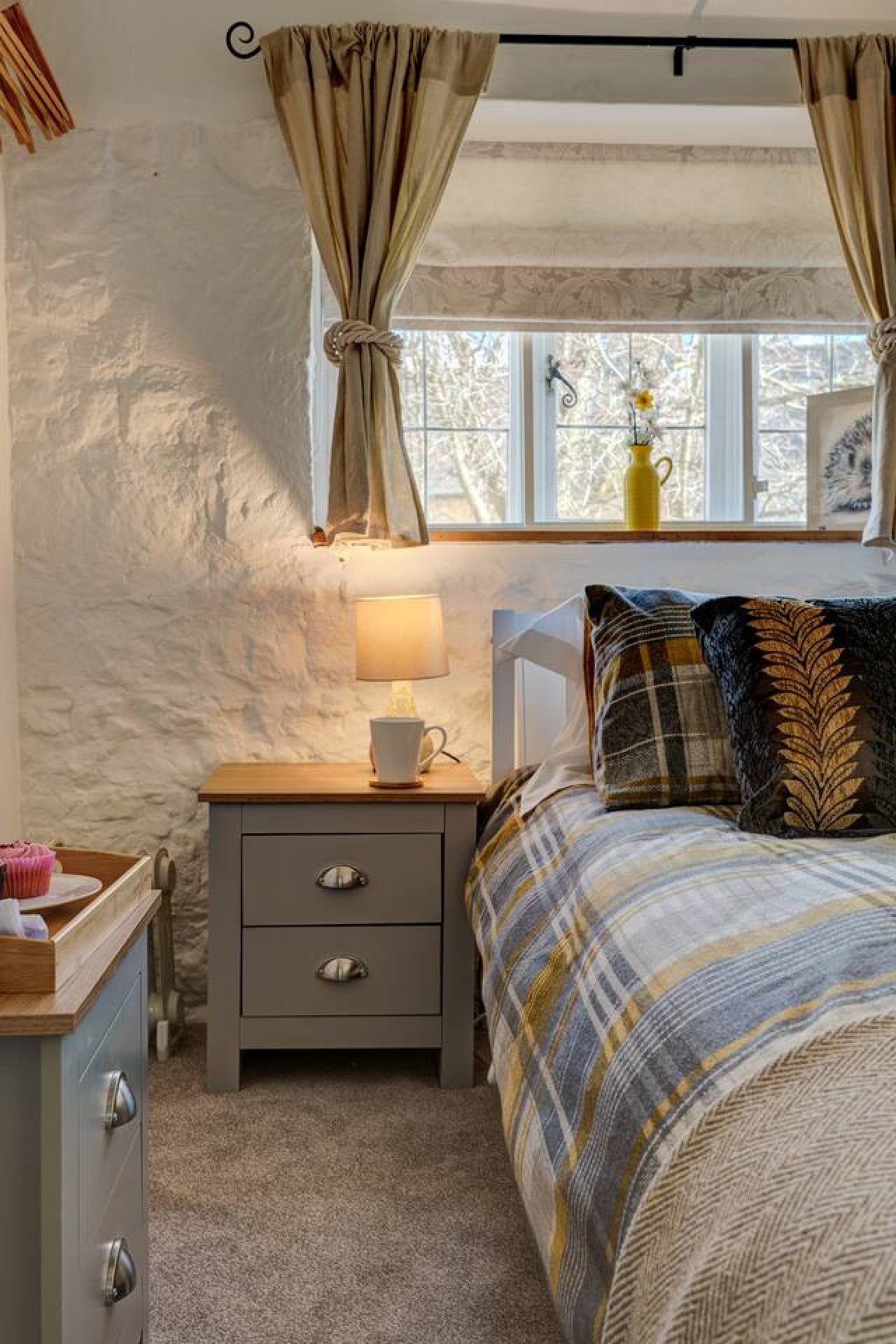
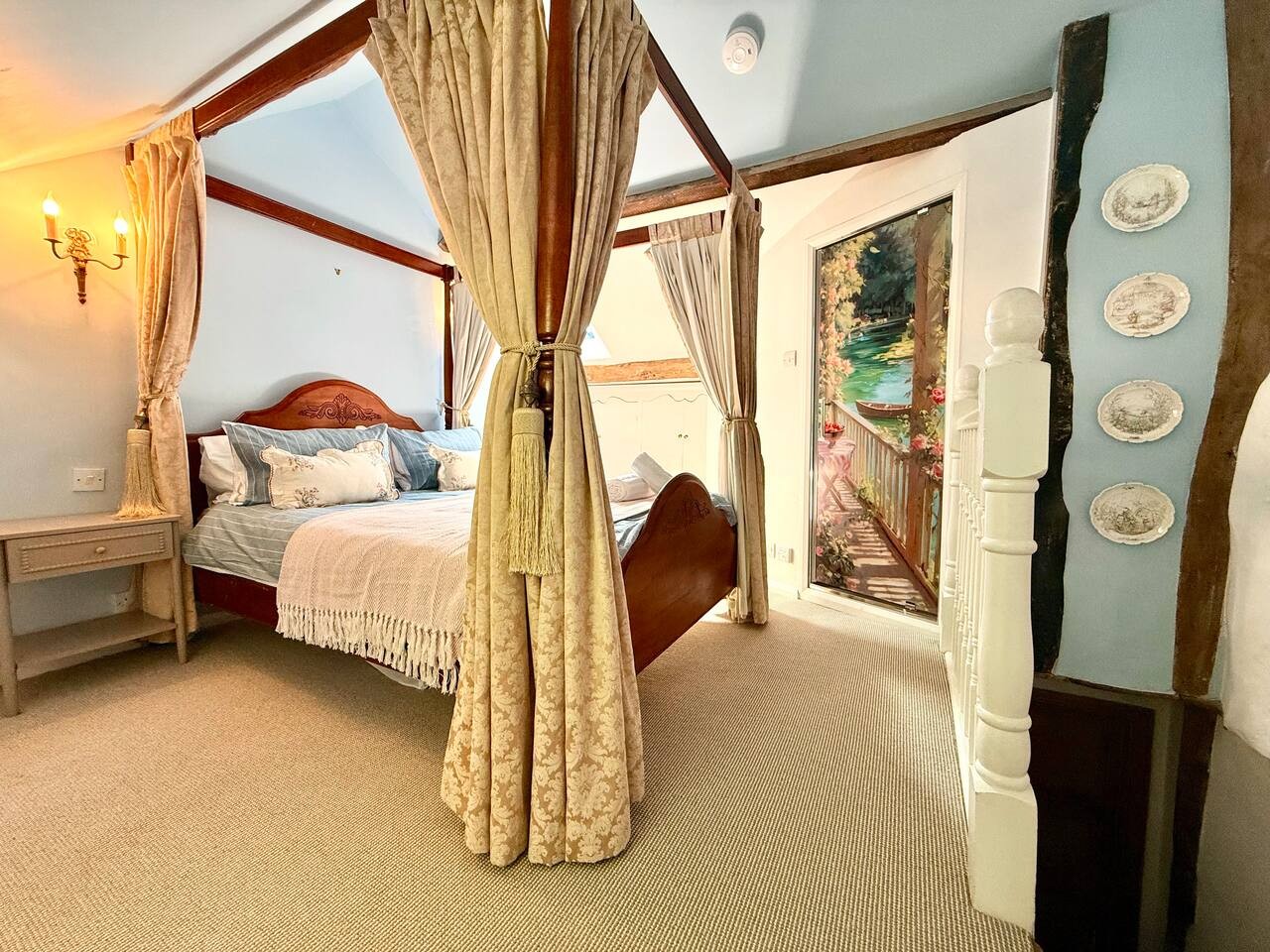
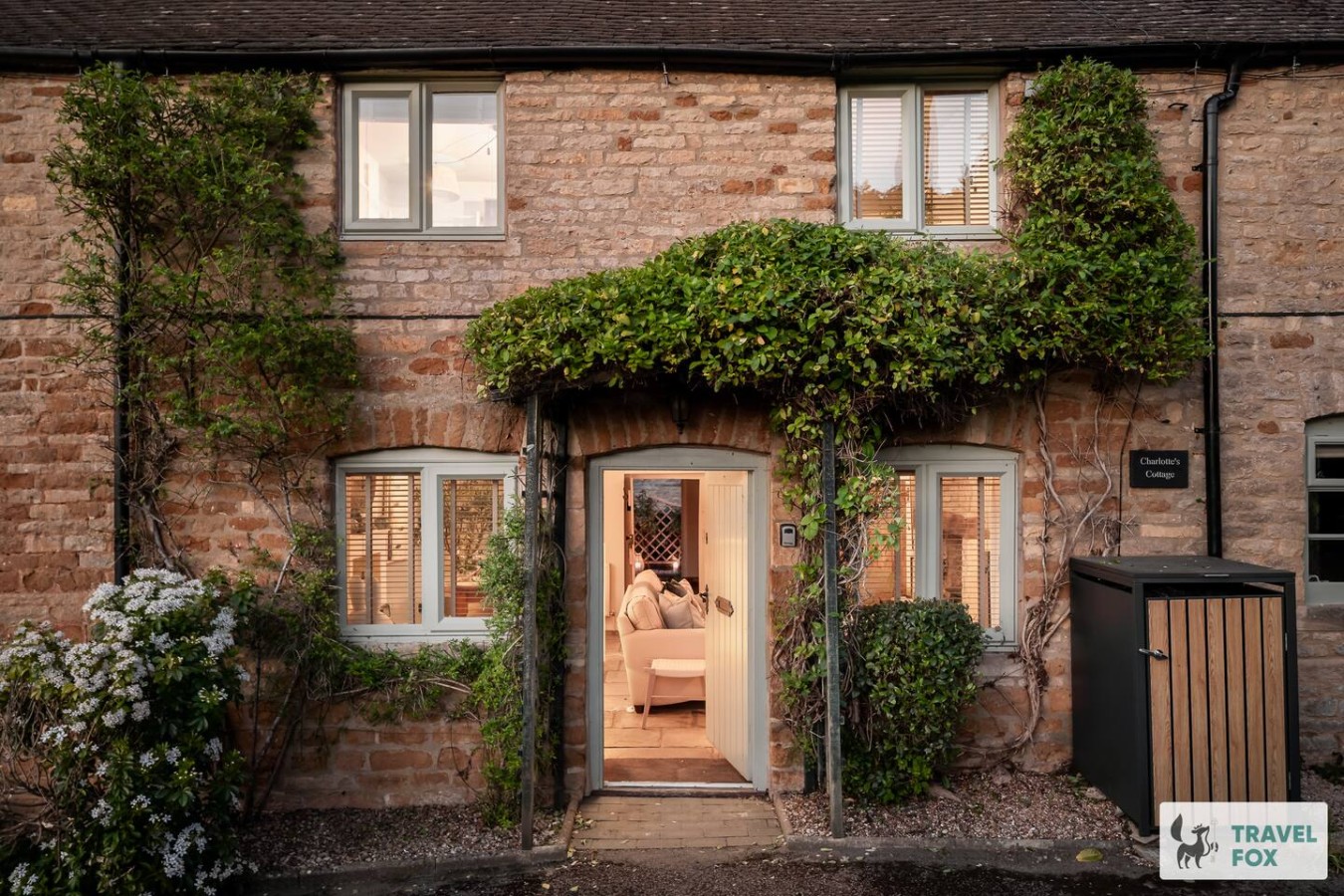
Travel Fox holiday homes around Cotswolds, linked directly to their property pages.
For homeowners
Own a holiday home near Ascott-under-Wychwood?
We manage holiday lets across the Cotswolds from 12% commission, charged after cleaning costs, with no lock-in. A co-founder visits before you decide.
Holiday let management in the Cotswolds →
A guide with a point of view
Written from research. Edited for real journeys.
Use the Official site links for live practical details, then use this guide for context, ideas and room to explore.
Sources
Every place on this page is checked against a published source. Each entry links the record we used and names who publishes it.
- The Swan Inn — ascott-under-wychwood.org.uk other published source
- Ascott Village Shop — ascottvillageshop.co.uk operator, sector body or destination organisation
- Church of the Holy Trinity — historicengland.org.uk statutory register or public authority
- Wychwood Walk No. 4 — cotswolds.com other published source
- Ascott Martyrs' Memorial Bench — ascott-under-wychwood.org.uk operator, sector body or destination organisation
- Memorial Playing Field — ascott-under-wychwood.org.uk other published source