
Beneath the old Wychwood
Shipton-under-Wychwood
A village of medieval stonework, independent food stops, a quiet wild garden and an Oxfordshire Way circuit through open countryside.
- Best for
- Village history, food and countryside walking
- Give it
- Three hours for the five-mile circular walk
- Don't miss
- The Cospatrick memorial on the green
The Fox verdict
History, food and walking in the Evenlode valley
Shipton-under-Wychwood brings a medieval inn and church together with independent food stops, a charity-run wild garden and a three-hour country walk.
Begin around the green with the Cospatrick memorial, St Mary's and The Crown (historic Shaven Crown). Add the Wychwood Wild Garden for avenues and water, or make the Cotswold Lounge the starting point for the five-mile circuit through open countryside to Milton-under-Wychwood and back.
Where to go
Places in Shipton-under-Wychwood
Every place below is checked against a published source, listed with what it is and how long to give it.
Local signatures
3 placesThe Crown (historic Shaven Crown)
A medieval hall-house inn with open fires, real ales and homemade food; older fabric includes a Tudor-arched through passage, raised-cruck hall roof and one-bay dovecote.
- Visit length
- Editorial estimate: allow around 90 minutes
- Locality
- opposite St Mary's and the green
The Lamb Inn
A 16th-century Cotswold pub run by Peter Creed and Tom Noest, with a cosy bar, separate restaurant, dedicated dining room for groups and a large garden.
- Visit length
- Editorial estimate: allow around 90 minutes
- Locality
- in Shipton-under-Wychwood
Corner Cottage Bakery
Sarah's artisan bakery and bakery school makes sourdough, baguettes, focaccia, cakes and patisserie, and sells honey produced a mile away at Red Road Farm.
- Visit length
- Editorial estimate: allow around 30 minutes
- Locality
- in Shipton-under-Wychwood
Food & drink
1 placeThe Cotswold Lounge
An independent coffee bar and eatery with free Wi-Fi, freshly made-to-order food and Sugarboo Cakes sharing the premises.
- Visit length
- Editorial estimate: allow around 45 minutes
- Locality
- at Wychwood Business Centre
- Access
- Family- and dog-friendly, with eat-in and takeaway service.
Walks & outdoors
1 placeWychwood Wild Garden
A 12.5-acre garden of avenues, woodland, ponds and canals, with around 100 lime trees, an old Shipton Court fishpond, three waterfalls and water flowing onward to the Evenlode.
- Visit length
- Editorial estimate: allow around 60 minutes
- Locality
- near the centre of Shipton-under-Wychwood
- Access
- Owned and managed by a local charity, the garden welcomes visitors for quiet walks.
History & heritage
2 placesCospatrick Memorial
A stone drinking fountain erected in 1878 for 17 members of the Hedges and Townsend families who died when the emigrant ship Cospatrick caught fire in 1874.
- Visit length
- Editorial estimate: allow around 20 minutes
- Locality
- on the green, opposite the church
Church of St Mary
An early 13th-century church with a three-stage west tower, heavy stone spire, worn 14th-century porch figures, a medieval stone pulpit and Morris & Co glass.
- Visit length
- Editorial estimate: allow around 45 minutes
- Locality
- by the green, opposite The Crown
No places match this filter. Choose All places to reset the list.
Three ways to explore Shipton-under-Wychwood
Signature outings
Remember the Cospatrick families
Read the stone drinking fountain raised in 1878 for 17 Shipton emigrants lost when the Cospatrick caught fire in 1874.
Look slowly at St Mary's
Find the worn porch figures, medieval stone pulpit and heavy spire of this early 13th-century church.
Settle in at The Cotswold Lounge
Take a seat at this independent coffee bar and eatery, where made-to-order food and Sugarboo Cakes share the Wychwood Business Centre premises.
The village story
The Shipton-under-Wychwood story
Start at the village green and St Mary's Church, then explore Shipton's historic pubs, Wychwood Wild Garden and the Oxfordshire Way.
The Green, Memorial and Medieval Inn
A stone drinking fountain stands on the green, opposite the church. It commemorates seventeen members of the Hedges and Townsend families, agricultural labourers from Shipton who were emigrating to New Zealand when their ship, the Cospatrick, caught fire in the South Atlantic in November 1874. The memorial was put up in 1878. You will pass it as you find your bearings: the green, the church and the old inn facing them.
That inn is The Crown (historic Shaven Crown), a medieval hall house opposite the church, with open fires and real ales. The Crown Inn Charity was founded in 1578; rent from the inn once helped maintain Shipton and Stokers bridges. Look for the Tudor-arched through passage and the small dovecote, both survivors of the older building.
Pubs, Bakery and Coffee
For food you have two other good options. The Wychwood Inn keeps a large garden and welcomes dogs in the bars and outside, though parts of the restaurant go dog-free when it fills up. The kitchen changes with the seasons but has run to pork tenderloin with creamy polenta, pan-seared hake with samphire and new potatoes, charred hispi cabbage with a smoked-almond puree, a cheeseburger, battered haddock and a rotating pie. The Lamb Inn, sixteenth-century and run by Peter Creed and Tom Noest, keeps things simpler and has its own large garden. Between the three, all in the village, you are unlikely to go hungry.
The bakery is worth planning a morning around. Corner Cottage Bakery, owned by Sarah, turns out sourdough, baguettes, focaccia, cakes and patisserie, and sells honey produced a mile away at Red Road Farm. The flour comes from Matthews Cotswold Flour, whose mill is in the village. For coffee and a sit-down there is The Cotswold Lounge at the Wychwood Business Centre, family- and dog-friendly, with free Wi-Fi and Sugarboo Cakes sharing the premises.
Country Paths, Wild Garden and St Mary's
The Oxfordshire Way passes through Shipton, heading toward Charlbury in one direction and Bourton-on-the-Water in the other. A five-mile circular walk begins at the coffee bar at Wychwood Business Centre and follows mostly good tracks through open countryside to Milton-under-Wychwood and back; allow about three hours, with one short stretch that can turn muddy after rain. Near the village centre, Wychwood Wild Garden offers twelve and a half acres of avenues, woodland, ponds and canals, with around a hundred lime trees, some more than 250 years old, an old Shipton Court fishpond and three small waterfalls. The water flows onward to the Evenlode. A local charity owns and manages the garden as a quiet place to walk.
St Mary's itself repays a slow look. The church is early thirteenth-century, extended in the fourteenth and restored in 1859 by G. E. Street, who virtually rebuilt the chancel. It keeps a three-stage west tower under a heavy stone spire, which Pevsner called "a bucolic version of Witney's," a two-storey south porch with worn medieval figures of St John and the Annunciation, a medieval stone pulpit and glass by Morris & Co in the west window.
Royal Wychwood Roots and Getting Here
The village name carries its history. Shipton sat beneath the old royal Forest of Wychwood, and Langley Lodge to the east marks a former royal hunting lodge. It was already substantial by 1086, when the Domesday surveyors recorded more than 150 households and six mills. The playwright Christopher Fry lived here in the 1940s and 1950s.
Getting here, the village is on the A361 about four miles north of Burford, with Burford itself an easy outing south. Shipton has its own railway station on Station Road, but the service is thin and there is no car park; Charlbury and Kingham are the useful stations nearby.
Village Cricket
On summer weekends you may find the cricket ground busy. The village club, twice a national village champion in 2002 and 2003, still runs four senior sides and takes children from the age of five.
Stay around Cotswolds
Make a longer stay of it
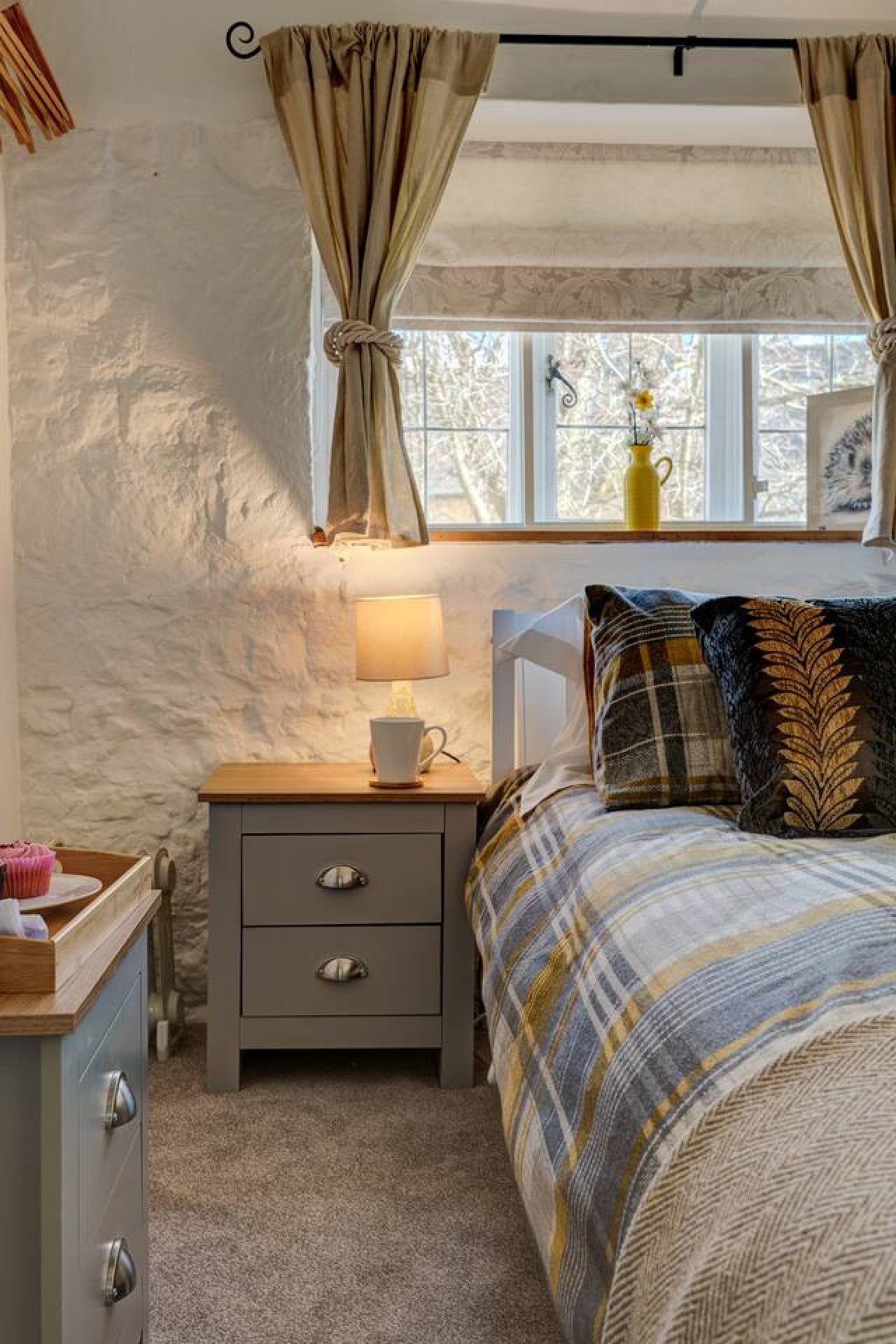
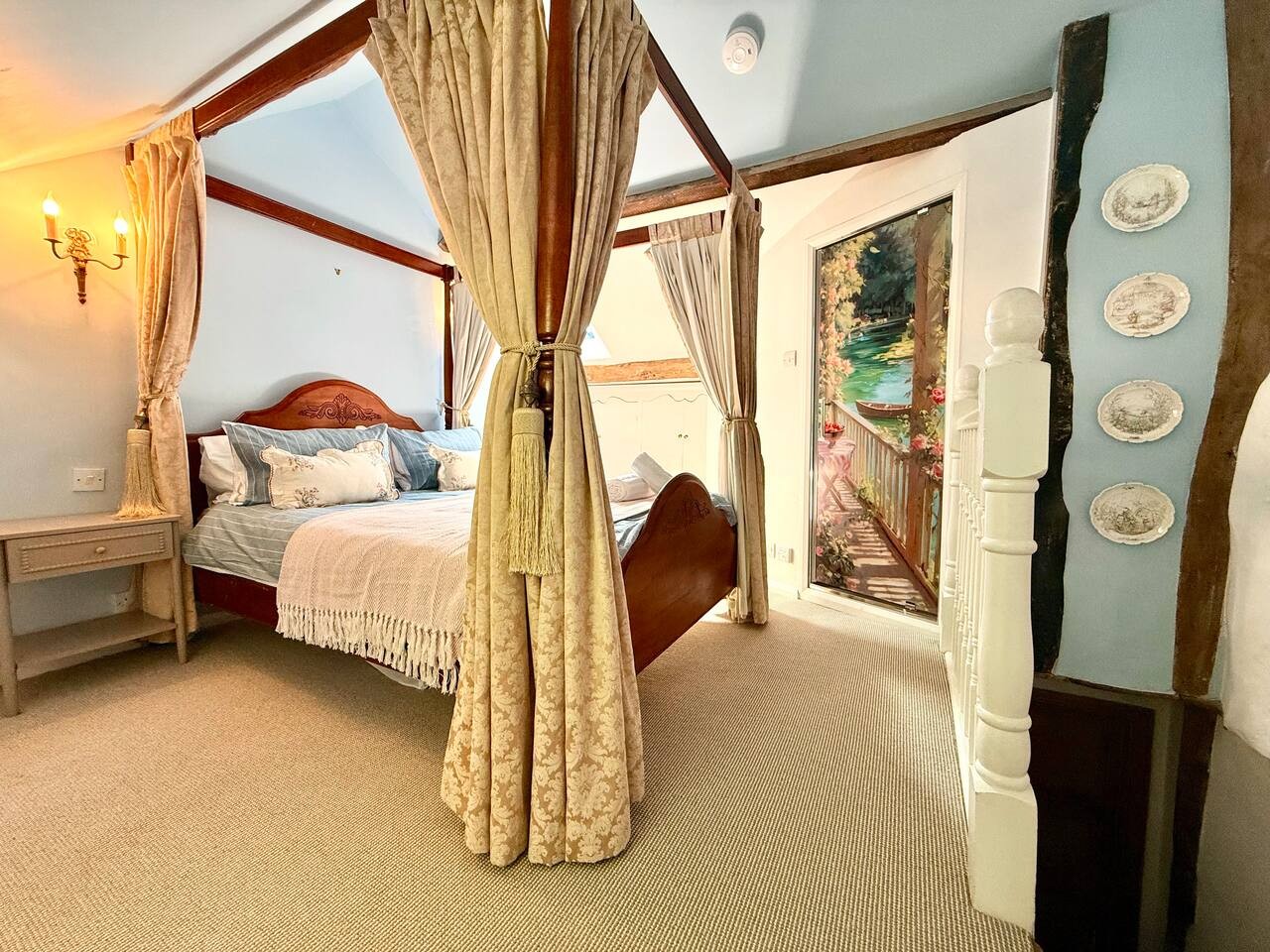
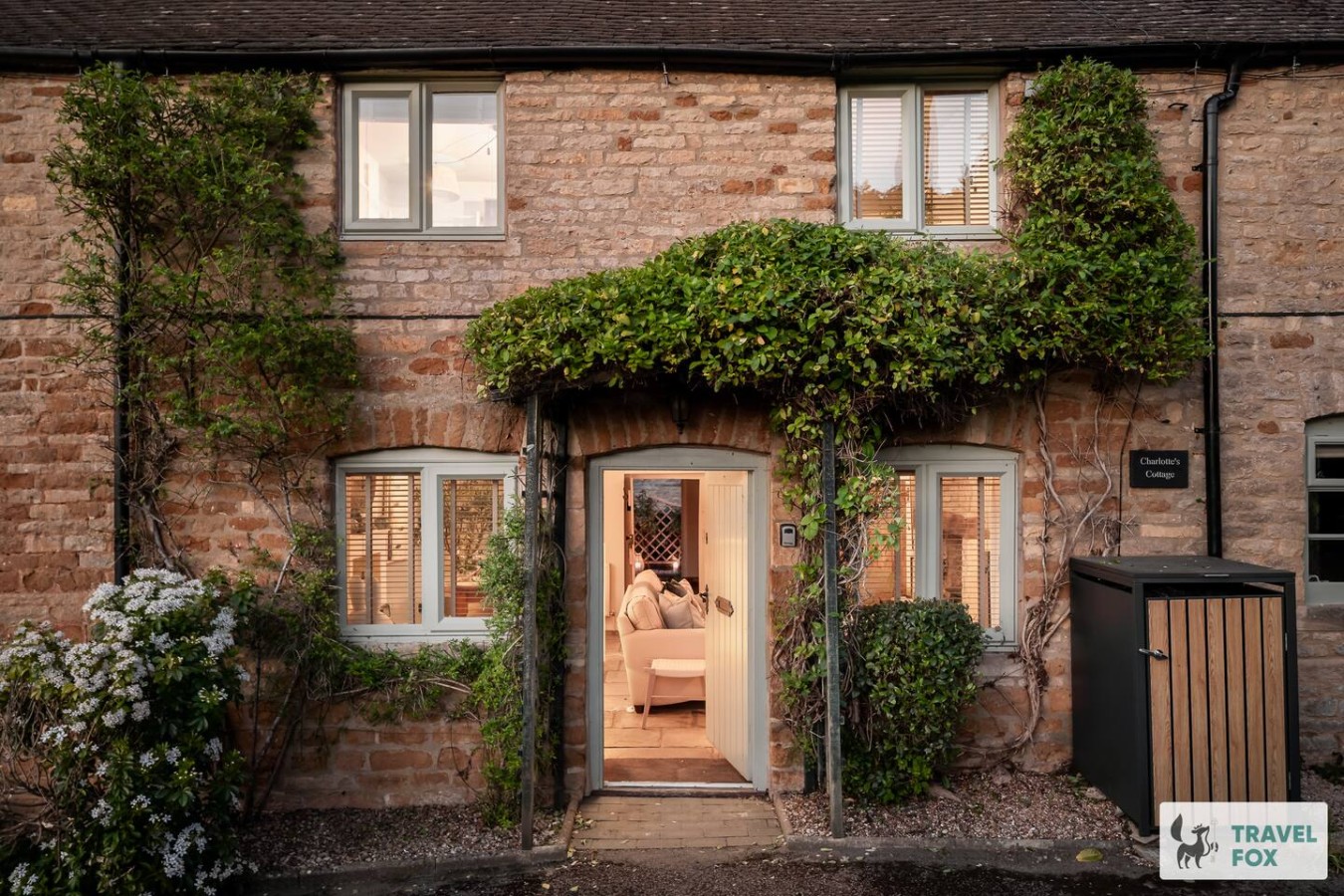
Travel Fox holiday homes around Cotswolds, linked directly to their property pages.
For homeowners
Own a holiday home near Shipton-under-Wychwood?
We manage holiday lets across the Cotswolds from 12% commission, charged after cleaning costs, with no lock-in. A co-founder visits before you decide.
Holiday let management in the Cotswolds →
A guide with a point of view
Written from research. Edited for real journeys.
Use the Official site links for live practical details, then use this guide for context, ideas and room to explore.
Sources
Every place on this page is checked against a published source. Each entry links the record we used and names who publishes it.
- Cospatrick Memorial — wychwoodshistory.uk other published source
- The Crown (historic Shaven Crown) — historicengland.org.uk statutory register or public authority record not machine-readable; publisher restricts automated access
- The Lamb Inn — thelambshipton.com operator, sector body or destination organisation
- Corner Cottage Bakery — cornercottagebakery.co.uk operator, sector body or destination organisation
- The Cotswold Lounge — thecotswoldlounge.co.uk operator, sector body or destination organisation record not machine-readable; publisher restricts automated access
- Church of St Mary — historicengland.org.uk statutory register or public authority record not machine-readable; publisher restricts automated access
- Wychwood Wild Garden — wychwoodwildgarden.org.uk operator, sector body or destination organisation