
Windy highground
Leafield
A high Cotswold village of open Greens, woodland paths, a Victorian spire and a pub brought back by its community.
- Best for
- Woodland walks, village history and a community-saved pub
- Give it
- A half-day for woodland paths, the church and The Green
- Don't miss
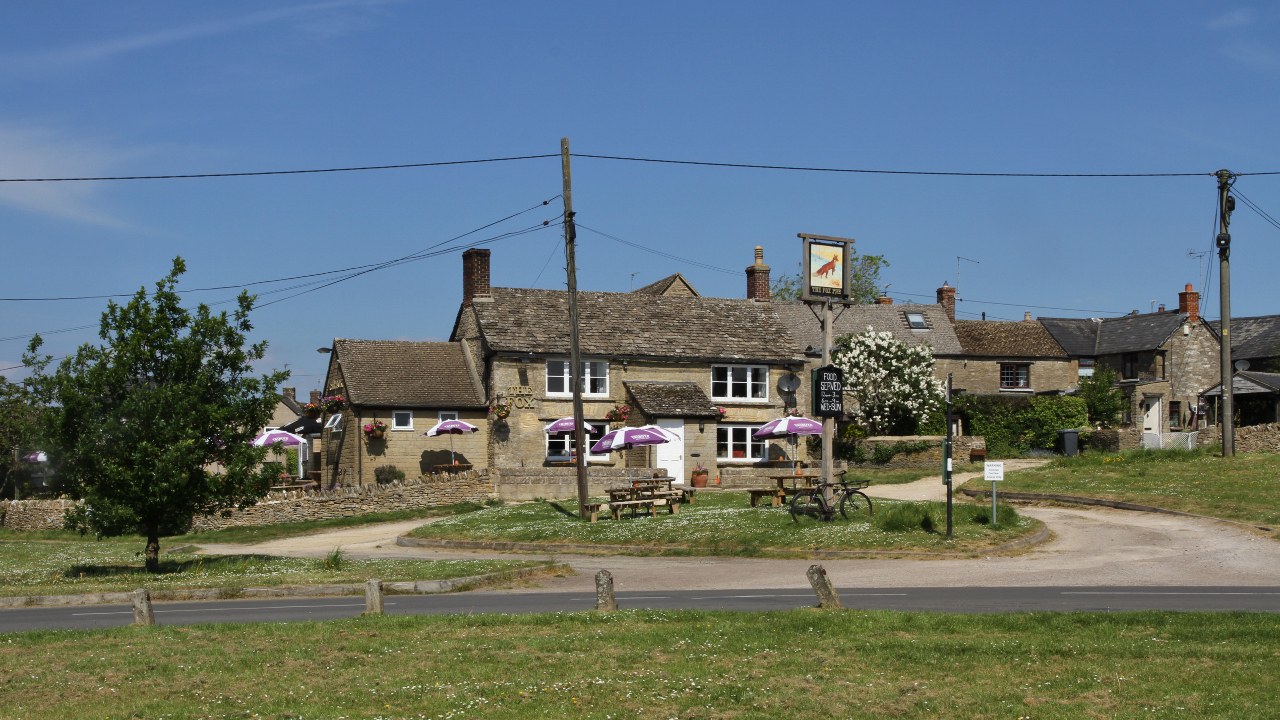
- The Fox’s flower-filled garden overlooking the Green
Photo: Motacilla · CC BY-SA 4.0 · cropped
The Fox verdict
High-ground Leafield rewards a slower look
Come for the forest routes and stay for a village story that runs from a repeatedly rebuilt spire to a pub reopened by local campaigning.
Leafield combines an official circular walk from the Village Green with a community woodland, a Victorian church by Sir George Gilbert Scott and The Fox on The Green. Its exposed setting and former isolation within Wychwood Forest shape both the landscape and the village’s distinct history.
Where to go
Places in Leafield
Every place below is checked against a published source, listed with what it is and how long to give it.
Local signatures
3 placesPeapell Stores / Leafield Village Community Shop
Peapell Stores, also listed as Leafield Village Community Shop, has a Post Office counter and stocks bread from Marks Cotswold Bakery.
- Visit length
- Editorial estimate: Allow around 15 minutes
- Locality
- Fairspear Road
Leafield Community Woodland
A 1.3-acre community woodland planted in 2000 that welcomes dog walkers and has hosted bug hunts, bat and moth nights, dawn-chorus events and storytelling.
- Visit length
- Editorial estimate: Allow around 45 minutes
- Locality
- Fairspear Road
Minster Lovell Hall and Dovecote
Free-to-enter ruins of a 1430s manor built by William, Baron Lovell and Holand, with surviving hall and tower remains and an intact dovecote.
- Visit length
- Editorial estimate: Allow around 75 minutes
- Locality
- Minster Lovell, beside the River Windrush
- Access
- The dovecote is for exterior viewing only. The narrow approach lane has no parking or turning space; use the small car park at St Kenelm’s Church if space is available. There are no toilets, and dogs must be on leads.
Food & drink
1 place
The Fox
A traditional village pub with changing real ales, a flower-filled garden overlooking the Green and a welcome for dogs. Food service is suspended; drinks remain available.
- Visit length
- Editorial estimate: Allow around 90 minutes
- Locality
- The Green
Walks & outdoors
1 placeWychwood Wild Garden
A 12.5-acre charitable garden of woodland, avenues, ponds, waterfalls and canals, managed for wildlife and quiet access.
- Visit length
- Editorial estimate: Allow around 75 minutes
- Locality
- Shipton-under-Wychwood
History & heritage
1 placeSt Michael and All Angels
Sir George Gilbert Scott’s church was built in 1859–60; its spire was rebuilt in 1865 and shortened after further damage in 1934, while a Nicholson organ remains in use inside.
- Visit length
- Editorial estimate: Allow around 45 minutes
- Locality
- Leafield
Things to do
1 placeLeafield Recreation Site
The recreation site has a children’s playground, skate park and playing field beside the village hall.
- Visit length
- Editorial estimate: Allow around 45 minutes
- Locality
- By the village hall
No places match this filter. Choose All places to reset the list.
Three ways to explore Leafield
Signature outings
Join a charity quiz
The Fox's quiz nights raise funds for local charities; call ahead to join one over a drink.
Spot the landmark spire
Look for St Michael and All Angels across the high ground: its spire is a landmark visible for many miles around.
Roam the wild garden
Pass through the restored iron gates and follow Lime Avenue, where some trees are more than 250 years old.
The village story
Leafield: The Green, the Forest and the Spire
A high-ground village shaped by Wychwood Forest, community persistence and an unusually eventful spire.
A Saved Pub and the Village Shop
The Fox sits on The Green. After it closed, a village petition gathered 325 signatures, close to half the population, and the pub reopened in April 2011. David Cameron, then prime minister and local MP, came for a pint. Mo and Joe run it now.
The pub serves changing real ales and welcomes dogs with treats. A flower-filled garden overlooks the Green, with a fire inside in colder weather. Food service is suspended, but drinks remain available.
On Fairspear Road, Peapell Stores, also known as Leafield Village Community Shop, has a Post Office counter and sells bread from Marks Cotswold Bakery.
Windy Highground and Community Life
Leafield stands on windy high ground between Witney and Charlbury. Honey-coloured stone cottages, mostly from the 17th to 19th centuries, line narrow lanes around the open common Greens. Until the 1850s the village occupied an isolated clearing in Wychwood Forest, where the Fieldtowners developed their own dialect, Morris tradition and version of the mummers’ play. The church spire remains visible from afar.
A volunteer-run community gym beside the village hall has a treadmill, cross-trainer, rower, bike, multi-gym and free weights, open to members from the age of fourteen. The recreation ground next door has a playground, a skate park and a playing field. On Fairspear Road the 1.3-acre Community Woodland, planted in 2000, welcomes dog walkers and has hosted moth nights, bat nights, bug hunts, dawn-chorus mornings and storytelling.
Forest Walks and a Restless Spire
Walkers have the run of the forest. Wychwood Walk No. 8 is a 5.5-mile circular that starts at the Village Green, follows Pay Lane, an old track between dry-stone walls, and passes the western end of Blindwell Wood, Akeman Street and the former Second World War airfield landscape. The 37-mile Wychwood Way runs through the village too, linking Woodstock, Stonesfield, Chadlington and a string of neighbouring places along the old royal forest. There is also a strenuous 12-mile Ramblers loop taking in Finstock and Ramsden, with hills and, in most weathers, mud.
St Michael and All Angels was built in 1859–60 to Sir George Gilbert Scott’s design. Lady Churchill laid the foundation stone on All Saints’ Day in 1858. Bad weather damaged the first spire within five years; it was rebuilt in 1865, then shortened after probable lightning damage in 1934. Inside are a Nicholson of Worcester organ still in use and faded sheet-metal scrolls painted with texts by the vicar’s wife. Eight bells were dedicated in 1874, and a clock was commissioned in 1875.
Motte, Memorial and Wireless Masts
Older marks sit around the village. North-west of the church is Leafield Barrow, a Norman motte castle whose mound is 38 metres across; the square feature on top may be the remains of a stone keep. The village cross was restored in 1873 as a memorial to the inhabitants' escape from smallpox, the old shaft having been smashed by vandals some twenty years earlier.
The height that made Leafield windy also made it useful. Marconi chose the site for wireless experiments in 1912, and thirteen 305-foot masts went on to serve the Imperial Wireless Chain, then carried Reuters, maritime and government traffic, and were used as a long-wave link during the Falklands War before satellites made the station obsolete and it closed in 1986. The same ground later became a motorsport base where Tom Walkinshaw Racing developed Arrows Formula One cars.
Arrival and the Donkey-Man’s Pottery
Leafield lies about four miles north-west of Witney on rural roads. Charlbury, about five miles away, is the practical main station, and Villager community buses link Leafield with Witney on selected weekdays.
Fred Williams, the last of the village potters, was known as the donkey-man. His family moved the pottery behind the pub on The Green by 1861. Groves later worked clay there into land drains, tiles and bricks.
Stay around Cotswolds
Make a longer stay of it
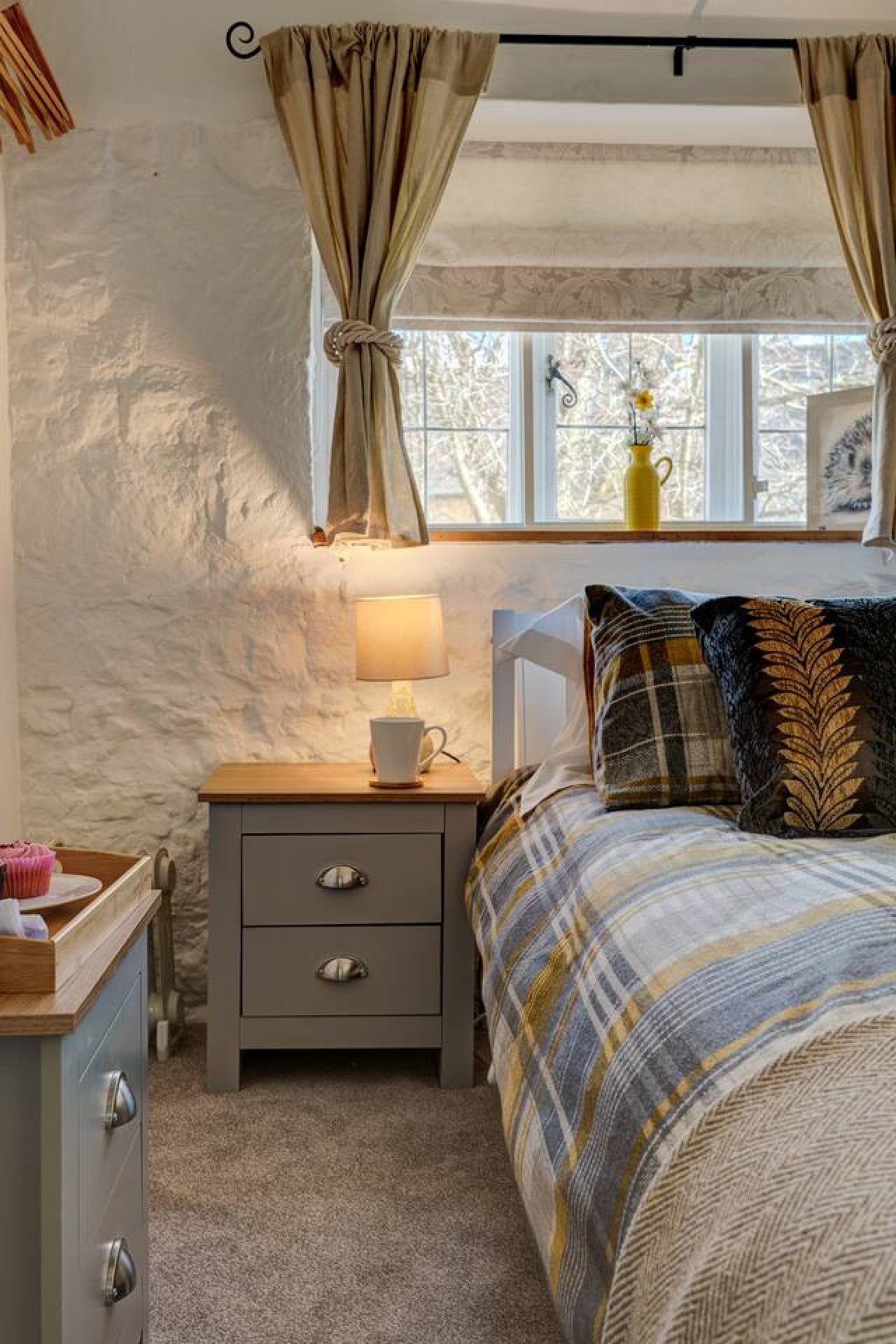
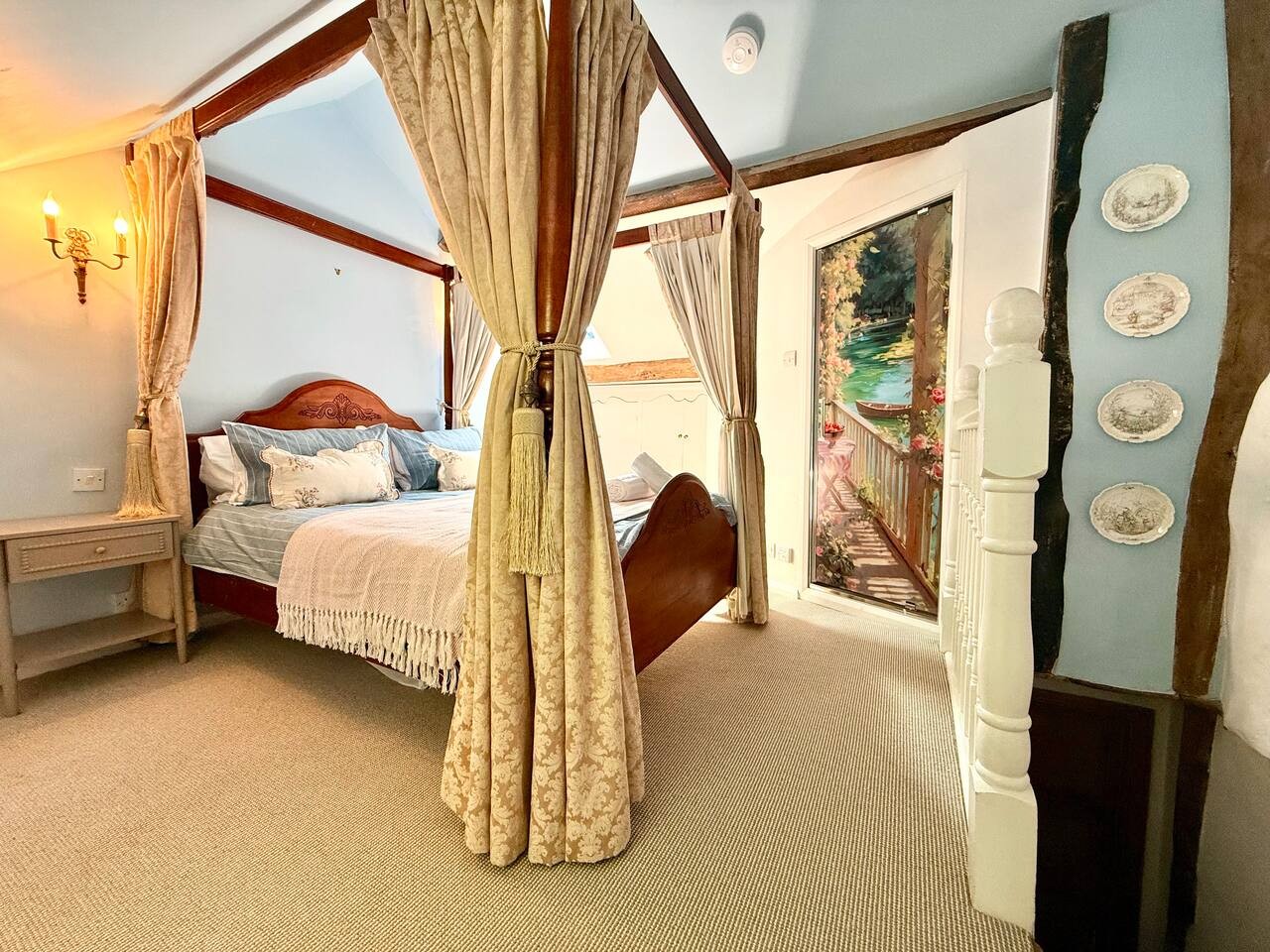
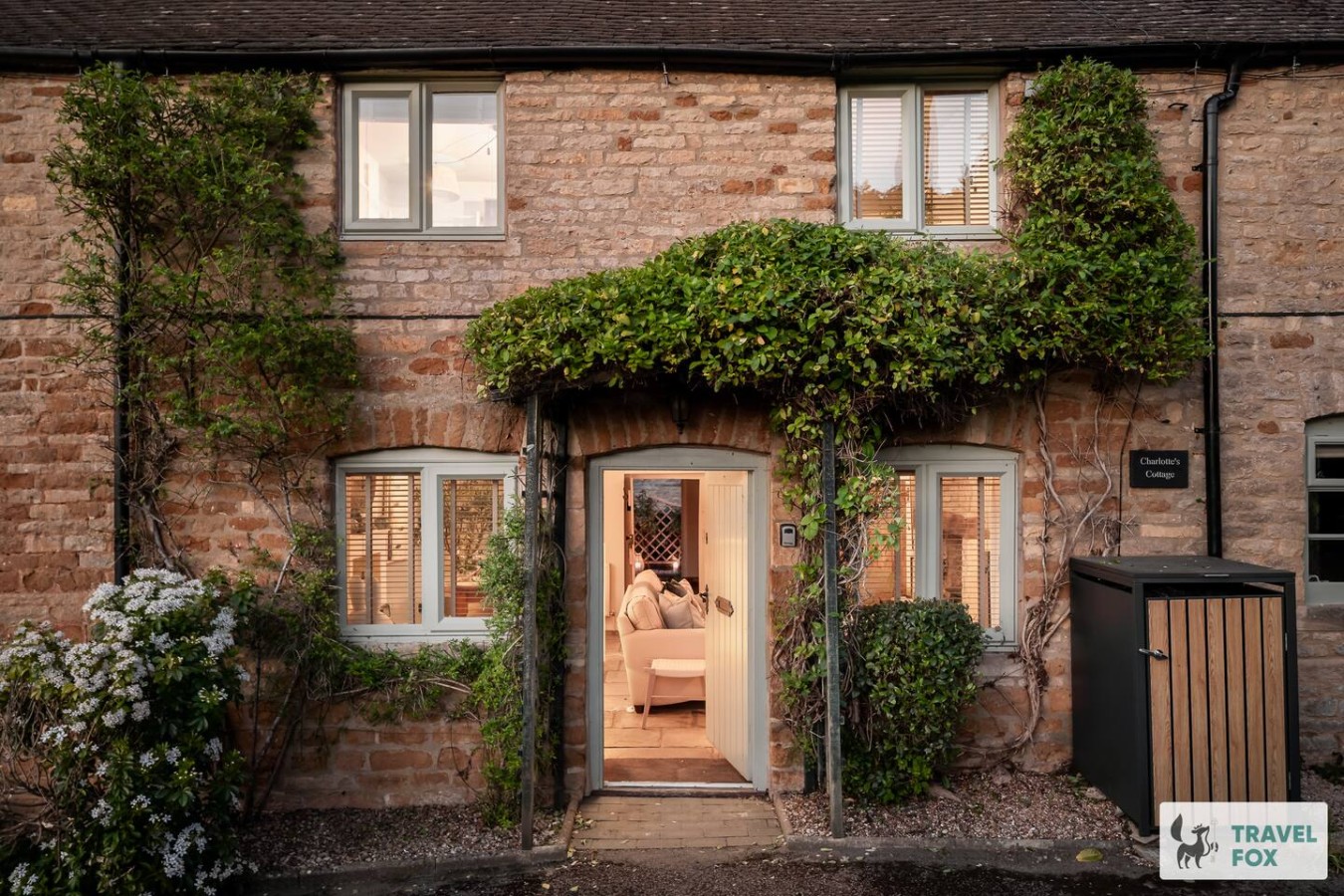
Travel Fox holiday homes around Cotswolds, linked directly to their property pages.
For homeowners
Own a holiday home near Leafield?
We manage holiday lets across the Cotswolds from 12% commission, charged after cleaning costs, with no lock-in. A co-founder visits before you decide.
Holiday let management in the Cotswolds →
A guide with a point of view
Written from research. Edited for real journeys.
Use the Official site links for live practical details, then use this guide for context, ideas and room to explore.
Photography credits & licences
Third-party photographs are credited to their named creators and reused under the linked Creative Commons licence or public-domain dedication. Travel Fox stores an optimised local copy; the file-specific changes and any browser-applied display crop are disclosed below. Reused photographs link both to the Wikimedia Commons source record and to the declared source image; Travel Fox's own photographs carry no such record and are marked as ours. These image licences do not cover Travel Fox text, branding or page design.
- File:Leafield Fox SE.jpg — photograph by Motacilla; Own work. Source record on Wikimedia Commons. Declared source image. Licence: CC BY-SA 4.0. File changes: Downloaded from Wikimedia Commons, resized to a maximum 1920px edge and encoded as an optimised JPEG. Display changes: Displayed with responsive CSS cropping.
Sources
Every place on this page is checked against a published source. Each entry links the record we used and names who publishes it.
- The Fox — thefoxleafield.co.uk other published source
- Peapell Stores / Leafield Village Community Shop — leafieldparishcouncil.org operator, sector body or destination organisation
- St Michael and All Angels — forestedgebenefice.co.uk other published source
- Leafield Community Woodland — leafieldparishcouncil.org operator, sector body or destination organisation
- Leafield Recreation Site — communityfirstoxon.org other published source
- Wychwood Wild Garden — wychwoodwildgarden.org.uk operator, sector body or destination organisation
- Minster Lovell Hall and Dovecote — english-heritage.org.uk national body or asset manager