
Working town, wooded valley
Charlbury
A compact limestone town above the Evenlode, with its own main-line station, four distinct pubs and unusually strong walking from the doorstep.
- Best for
- Town history, pub character and Evenlode walks
- Give it
- More than a night when walking is the priority
- Don't miss
- St Mary’s, the museum and the Town Trail
The Fox verdict
A working market town in a wooded river valley
Charlbury is a living, unexpectedly hilly small town where stone streets, lost industries, local food and four very different pubs meet excellent walking.
Use St Mary’s, Charlbury Museum and the self-guided Town Trail to uncover the minster tradition, glove-making, Quakers, lost pubs and the railway. Then choose between a drink-led alehouse, a Michelin Bib Gourmand inn, a coaching inn with an orchard garden and a rambling locals’ pub, or make the town a base for the Evenlode Valley and old saltways.
Where to go
Places in Charlbury
Every place below is checked against a published source, listed with what it is and how long to give it.
Local signatures
3 placesThe Bell
A 17th-century coaching inn with an ash bar, inglenook fires, board games and a large orchard garden with its own garden bar and outdoor pizza horsebox.
- Visit length
- Editorial estimate: Allow around 90 minutes
- Locality
- Church Street
- Access
- Dogs are welcome beside the fires and in the pub. The published dishes are seasonal examples rather than guaranteed choices.
St Mary the Virgin
A Grade I church containing work from the 12th to the 16th centuries, including a Romanesque north arcade, medieval fabric, a late-medieval chest and six bells cast in 1716.
- Visit length
- Editorial estimate: Allow around 45 minutes
- Locality
- Charlbury
Charlbury Town Trail
A compact self-guided route that interprets surviving streets alongside vanished schools, pubs, workshops, the mill site and the town’s industrial history.
- Visit length
- Editorial estimate: Allow around 90 minutes
- Locality
- St Mary’s, the Playing Close, the station, mill site, museum and market centre
Food & drink
3 placesRose & Crown
A drink-led traditional alehouse with a pubby front bar, smarter back bar, live music, quizzes and eight rotating hand-pulled ales alongside traditional cider and perry.
- Visit length
- Editorial estimate: Allow around 60 minutes
- Locality
- Market Street
- Access
- Dogs are welcome. No current food menu is published.
The Bull
A restored 16th-century inn with flagstone floors, timbered ceilings, golden stone and two open fires, awarded a Michelin Bib Gourmand for traditional cuisine.
- Visit length
- Editorial estimate: Allow around 90 minutes
- Locality
- opposite the Rose & Crown
- Access
- Dogs are welcome in the pub and dining room. Menus are seasonal, so published dishes are examples rather than promises.
Charlbury Deli & Café
A community-based deli and café selling sandwiches, quiches, cakes, locally supplied breads, Oxford-roasted coffee, local eggs and honey.
- Visit length
- Editorial estimate: Allow around 45 minutes
- Locality
- the Corner House on Market Street
Walks & outdoors
1 placeCharlbury Miles Without Stiles
A five-mile circular through old saltways, quarry traces and woodland, published by the Cotswolds National Landscape as a stile-free route.
- Visit length
- Editorial estimate: Allow 2.5 hours for the published route
- Locality
- from Enstone Road
- Access
- The route is stile-free but uses unsurfaced paths and requires basic fitness.
History & heritage
1 placeCharlbury Museum
A five-room museum interpreting local archaeology, the 1256 market charter, Wychwood and the glove-making industry that shaped the town.
- Visit length
- Editorial estimate: Allow around 60 minutes
- Locality
- Charlbury
Things to do
1 placeTG’s Café and Charlbury Community Centre
A licensed café within the community centre, with inside and outside seating beside the playing fields and playground; its profits support the centre and library.
- Visit length
- Editorial estimate: Allow around 45 minutes
- Locality
- beside the playing fields and playground
No places match this filter. Choose All places to reset the list.
Three ways to explore Charlbury
Signature outings
Walk saltways and woodland
Take the five-mile Miles Without Stiles circuit from Enstone Road through old saltways, quarry traces and woodland.
Trace the town’s glove-makers
Use Charlbury Museum’s five rooms to connect Wychwood, the 1256 market charter and the glove-making industry that once employed hundreds of local outworkers.
Try The Bull’s seasonal cooking
Settle into the restored 16th-century inn for traditional cooking recognised with a Michelin Bib Gourmand, remembering that menus change with the season.
The town story
Charlbury Town Guide
A working market town in a wooded river valley, where historic streets, local food, four distinct pubs and strong walking reward a longer stay.
Alehouses, Inn Cooking and Arrival
The Rose & Crown pours eight hand-pulled ales, a traditional cider and a guest perry from a bar on Market Street that has kept its old shape: a plainer front room, a smarter room behind it, live music and a quiz. The selection is rated among the best in the area, and the pub has been in the Good Beer Guide for more than thirty years; in 2018 it was named Oxfordshire Pub of the Year. Dogs are welcome. Food is not the point here, and the pub does not pretend otherwise: it is a drink-led alehouse, set against the food-led kitchen across the road.
Directly opposite stands The Bull, a restored 16th-century inn with flagstone floors, timbered ceilings, golden stone and two open fires, holding a Michelin Bib Gourmand for traditional cooking. Sample dishes have included oysters, raw beef with mustard, a game terrine, The Bull Pie, a pork chop with apple and a sticky toffee pudding, and the kitchen draws on a market garden at Bruern Farms and whole animals from farms nearby, so the menu itself is worth checking before you go. Giles Coren called it "the best pie and pint of [his] life." Two of the founders behind the pub, Philip Winser and James Gummer, grew up locally and remember taking their first pints here. Dogs are allowed in the bar and the dining room.
Charlbury is a small town rather than a village, which matters once you arrive, because it is a living working town, not a preserved showpiece, and it is also, unexpectedly, hilly. It sits on a bluff above the River Evenlode, with higher ground to the east and little tributary valleys cutting into the streets. The centre is limestone rubble under Stonesfield-slate roofs, compact and often screened by trees, and Church Street widens into a funnel-shaped former marketplace. The station sits south-west of the middle, on the Cotswold Line, with direct trains to Oxford and London Paddington in one direction and Worcester and Great Malvern in the other. No A-road passes through the parish; you reach the place on winding B-roads, which is a large part of why it feels tucked away. Stagecoach's S3 links the town with Oxford by way of Woodstock and Yarnton, and Pulhams' X9 runs to Witney and Chipping Norton.
Coaching Inns, Local Pubs and Provisions
The third pub with a kitchen is The Bell, a 17th-century coaching inn on Church Street, with an ash bar, inglenook fires, board games and a large orchard garden that has its own garden bar. Daylesford Organic is the sister farm, and the cooking follows it, with sample dishes including a Tamworth pork pie with Adlestrop cheese, a twice-baked Daylesford cheddar soufflé with leeks, beer-battered haddock with curry sauce, and a whole lemon sole. Sunday menus have featured Cotswold sirloin, pork-belly porchetta and a Daylesford nut-roast Wellington, alongside a children's menu of penne, burgers and smaller roasts. A converted horsebox in the garden turns out Margherita, Regina and Diavolo pizzas; a second horsebox sells sourdough and pastries on Saturdays. Dogs are welcome beside the fires. The building is Grade II-listed, with a 1700 date stone and a through-passage plan, and a cattle market ran behind it until the 1950s. J. R. R. Tolkien came in regularly during that decade, and Michael Palin stayed here through the winter of 1977 while writing his first novel.
The fourth pub asks nothing of you but a willingness to find it. Ye Olde Three Horseshoes is a rambling locals' pub on Sheep Street, spread over three levels: a small beamed front bar, a middle room and a rear games bar with darts. It is home to the Charlbury Brewing Company, and the three cask beers change rather than stay fixed. The building is Grade II-listed and appears in the record under an earlier name, The Farmers; Barry Dodman-Edwards is the landlord and runs the pub's events.
For provisions, the Charlbury Deli & Café occupies the Corner House on Market Street. It began as the Good Food Shop in 1991, moved into the Corner House in late 2025 and is a community-based deli now transitioning to a Community Benefit Society. It sells Mark's sourdough, pastries from MOR in Chipping Norton, sandwich bread from the Bread Bin in Carterton, New Ground coffee from Oxford, local eggs and Halcyon Honey, a family beekeeping business going since 1994. The Bread Shed, run by Pradeep Shakya, bakes organic-flour sourdough in a wood-fired oven, including seeded rye, Borodinsky, drunken fig, and beetroot and walnut. Fiveways Londis, run by Dippin "John" Somaiya, covers everyday groceries, wine, newspapers and fuel at the edge of town. If you want to sit down, there is TG's Café at the community centre, beside the playing field and playground, with its profits going back to the centre and library; The Old Shed at Banbury Hill Farm, which welcomes walkers, cyclists, prams and dogs and has baby-changing; and, on Spelsbury Road, the Cauldron Café, built entirely around witches, fairies and wizards, serving herbal-tea "potions" and homemade pizzas alongside a small shelf of crystals. There is even a licensed dog bakery, Camtali's, making gluten-free treats.
Evenlode Walks, St Mary’s and Glove-Making
The walking is the strongest reason to base yourself here for more than a night. The Oxfordshire Way runs eleven miles from Kingham station to Charlbury, station to station, past Bruern Abbey parkland and the Wychwood villages, with shorter starts possible at Shipton-under-Wychwood or Ascott-under-Wychwood. Closer in, a five-mile circular through Cornbury Park follows the Evenlode and the railway line through Fawler. A six-mile loop uses part of the Oxfordshire Way and the old Salt Way, past the remains of the Stonesfield slate quarries. Another five-mile circuit crosses both sides of the valley to reach the small 12th-century church at Shorthampton, where medieval wall paintings survive. The Cotswolds National Landscape publishes a stile-free, five-mile Miles Without Stiles route from Enstone Road. For a shorter, denser walk, the self-guided Town Trail threads St Mary's, the Playing Close, the station, the mill site and the museum, and reads the streets for what has vanished as much as what remains. River-valley and field paths turn wet after rain, so pack for mud.
St Mary the Virgin is Grade I-listed and holds work from the 12th to the 16th centuries: a round-arched Romanesque north arcade, a 13th-century lower tower and south arcade, a 14th-century aisle and a crenellated 15th-century upper stage. G. E. Street restored it in 1856. Inside are a trefoil-headed piscina, a late-medieval chest and an external sundial dated 1776, and all six bells were cast in 1716 by Abraham Rudhall of Gloucester. Two of its clergy are worth knowing. Robert King, vicar from 1528, was the last abbot of Bruern, Thame and Osney and became the first Bishop of Oxford. Ralph Hutchinson, vicar from 1593, was one of the translators of the King James Bible. The church may sit on older ground still: a text compiled around 1030 names the town as the resting place of St Diuma, an Irish priest and the first bishop of the Middle Angles and Mercians, and a foundation was found beneath the Romanesque church in 1995.
The history that shaped the streets is mostly industrial and mostly gone. A royal charter in 1256 granted a weekly market, but Charlbury never swelled the way Witney, Woodstock or Chipping Norton did, and Eynsham Abbey held the manor for roughly 450 years until the Reformation. What made money here was gloves. By the mid-18th century this was one of west Oxfordshire's three main gloving centres, using deer leather from Wychwood; in 1852 Samuel Pritchett employed 820 female outworkers alongside his cutters, layers and bleachers. Fownes arrived in 1896, Dents opened at Fiveways in 1933, and glove-making finally left in 1968, after about a century and a half. The railway that fed the trade opened in 1853 as part of the Oxford, Worcester & Wolverhampton line, whose service earned it the nickname "Old Worse & Worse"; Brunel was responsible for the station architecture, and the Grade II building and its original platform sign survive. Quakerism took root early, after Anne Downer's conversion in 1654, and the meeting house, rebuilt in 1779, returned to worship in 1987. The five-room Charlbury Museum, which grew out of a 1949 exhibition, tells all of this properly.
Festivals, Days Out and Civic Memory
The town keeps a full calendar. The Street Fair has run since 1955, with egg throwing and children's fancy dress; Riverside has been a free music festival since 1996; and the Beer Festival hosts the World Aunt Sally Open Singles, in which a point is scored when the thrown stick hits the wooden doll on its stake before it hits the iron below. Wilderness brings music, food and family programming to Cornbury Park each summer.
You are also well placed for days out. Blenheim Palace and Woodstock are about seven miles off, as are Chipping Norton and Witney in the other directions. Nearer walks lead past North Leigh Roman Villa, with its early-4th-century mosaic, and the Rollright Stones sit on the Warwickshire border, though both ask you to check access before setting out.
At the edge of the Playing Close, land given to the town in 1592 by Thomas Gifford for archery and recreation, there is a small Victorian drinking fountain. People still walk past it on their way to the cricket, and one visitor, recalling a stay here some years back, remembered that almost everyone she passed smiled and said hello.
Stay around Cotswolds
Make a longer stay of it
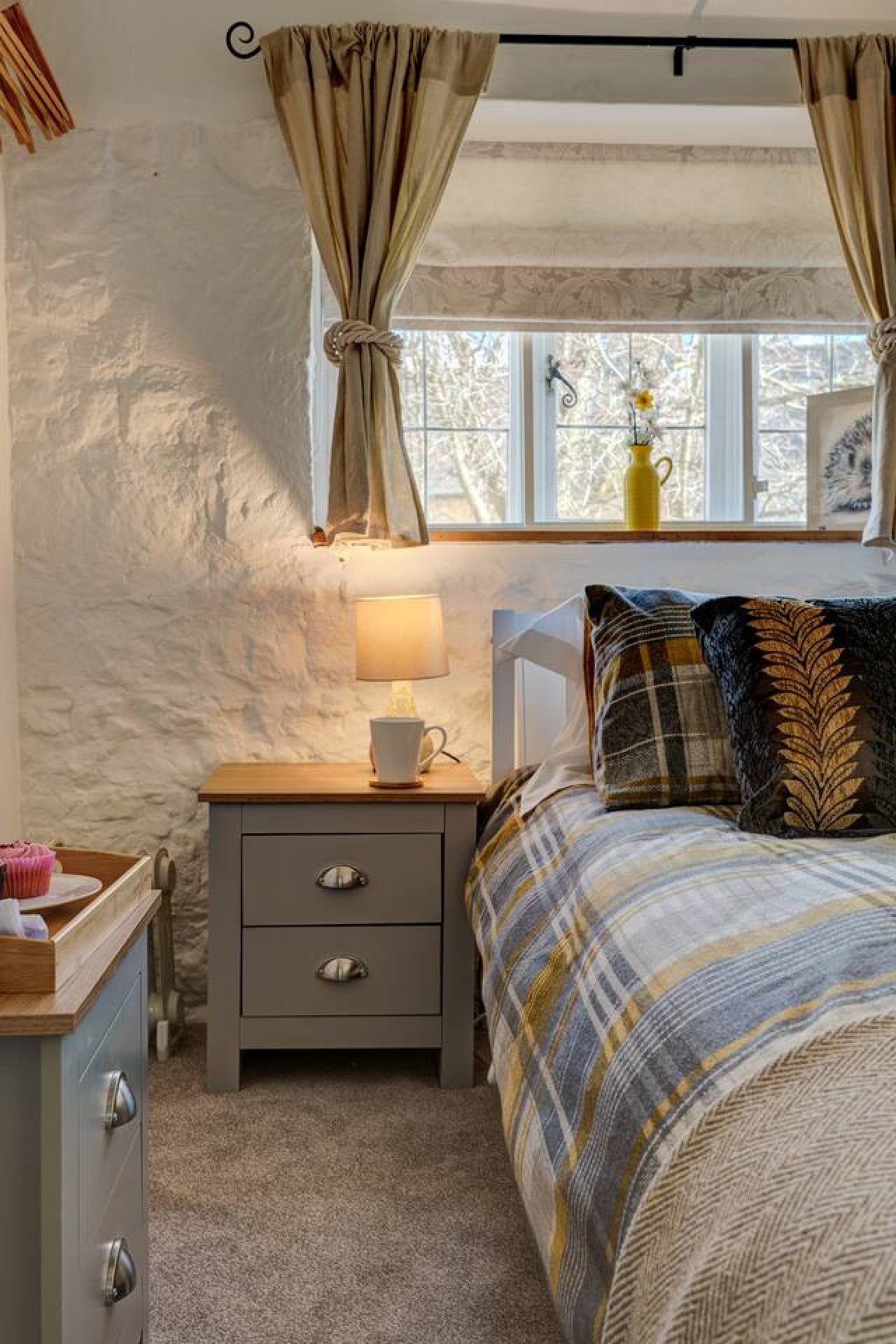
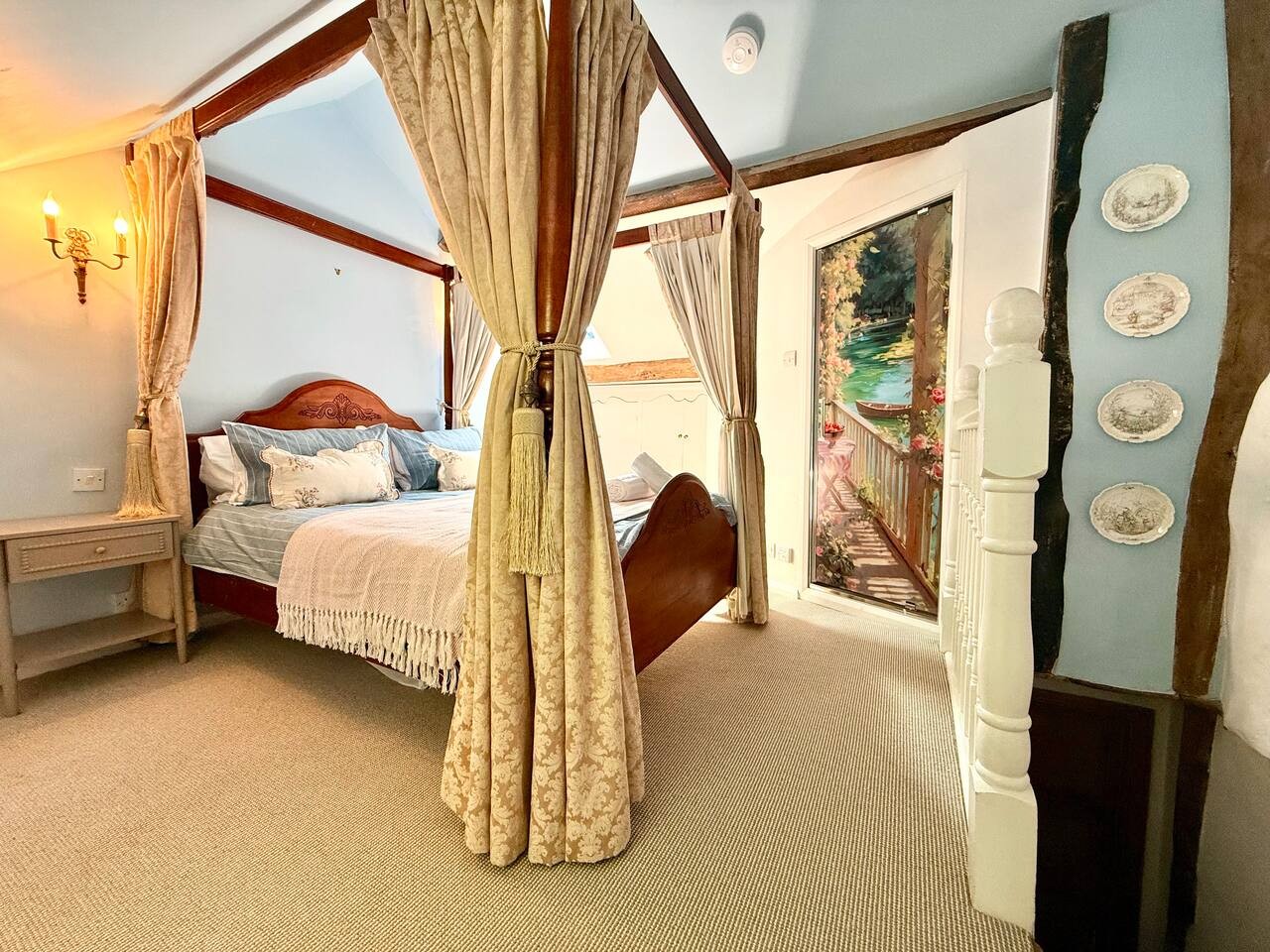
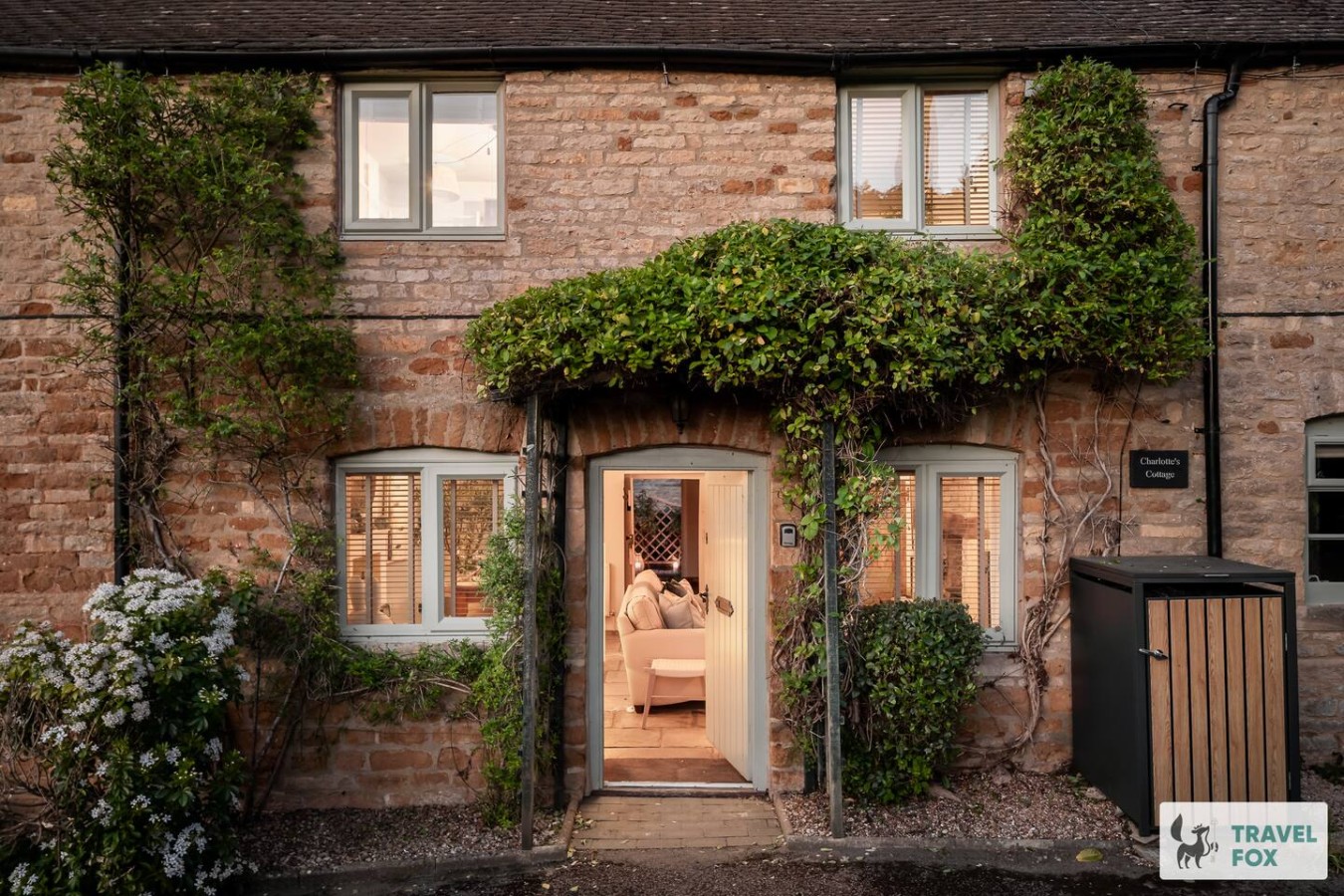
Travel Fox holiday homes around Cotswolds, linked directly to their property pages.
For homeowners
Own a holiday home near Charlbury?
We manage holiday lets across the Cotswolds from 12% commission, charged after cleaning costs, with no lock-in. A co-founder visits before you decide.
Holiday let management in the Cotswolds →
A guide with a point of view
Written from research. Edited for real journeys.
Use the Official site links for live practical details, then use this guide for context, ideas and room to explore.
Sources
Every place on this page is checked against a published source. Each entry links the record we used and names who publishes it.
- Rose & Crown — roseandcrowncharlbury.co.uk operator, sector body or destination organisation
- The Bull — thebullcharlbury.com operator, sector body or destination organisation
- The Bell — thebellatcharlbury.com operator, sector body or destination organisation
- Charlbury Deli & Café — charlbury.info operator, sector body or destination organisation
- St Mary the Virgin — historicengland.org.uk statutory register or public authority record not machine-readable; publisher restricts automated access
- Charlbury Museum — charlburymuseum.org.uk operator, sector body or destination organisation
- TG’s Café and Charlbury Community Centre — charlburycommunitycentre.org.uk operator, sector body or destination organisation
- Charlbury Town Trail — charlbury-tc.gov.uk statutory register or public authority
- Charlbury Miles Without Stiles — cotswolds-nl.org.uk other published source