
Avon valley community
Limpley Stoke
A steep valley village shaped by a revived community pub, an ancient church and canal-side walking.
- Best for
- Community food, local history and canal walking
- Give it
- Half a day for the village and a nearby walk
- Don't miss
- The Hop Pole and the approach to Dundas Aqueduct
The Fox verdict
A small village with a strong community pulse
Limpley Stoke pairs a reopened community inn with deep local history and easy access to the Avon valley's canals and paths.
Come for a meal or changing guest ale at the community-owned Hop Pole, then add the Saxon arch at St Mary's or the accessible route from Dundas Marina to the aqueduct. Galleries supplies a useful café and shop just over the parish line in Freshford, while longer outings extend onto Colliers Way or towards Iford Manor.
Where to go
Places in Limpley Stoke
Every place below is checked against a published source, listed with what it is and how long to give it.
Local signatures
3 placesHop Pole Inn
A traditional Grade II-listed community pub and food-led village inn, bought by the community in 2022 and reopened in January 2025.
- Visit length
- Editorial estimate: Allow around 90 minutes
- Locality
- Woods Hill
- Access
- Dogs are welcome throughout on leads; water bowls and brewers' grain treats are supplied.
Church of St Mary
A Grade II* church with pre-Conquest fabric, a fine Saxon arch, a thirteenth-century north porch and a fifteenth-century stone pulpit.
- Visit length
- Editorial estimate: Allow around 30 minutes
- Locality
- Above the older part of the village
Dundas Aqueduct
A three-arched Bath-stone aqueduct carrying the Kennet and Avon Canal over the River Avon and the Wessex Main Line.
- Visit length
- Editorial estimate: Allow around 45 minutes
- Locality
- 400 metres from Dundas Marina
- Access
- The approach is gently climbing tarmac and the towpaths are level, smooth grit.
Food & drink
1 placeGalleries Community Shop & Café
A community-owned shop and café run for Freshford and Limpley Stoke, with locally sourced provisions, store-baked bread and croissants, and profits reinvested locally.
- Visit length
- Editorial estimate: Allow around 45 minutes
- Locality
- Freshford Lane, Freshford
- Access
- The shop and café are wheelchair accessible and dog friendly, with toilets, water refill, bike racks, Wi-Fi and a defibrillator.
Walks & outdoors
1 placeColliers Way
A 17.5-mile walking and cycling route whose artworks include a Linear Orchard and seven stacked boulders commemorating geologist William Smith.
- Visit length
- Editorial estimate: Allow around 90 minutes for a chosen section
- Locality
- From Dundas Aqueduct towards Radstock and Frome
- Access
- The route follows old railway alignments and quiet lanes, and 53% is traffic-free.
History & heritage
1 placeIford Manor Gardens
Grade I-listed gardens in a hidden rural valley, approached on foot by paths through the estate from Freshford station and Friary Wood.
- Visit length
- Editorial estimate: Allow around 90 minutes
- Locality
- A hidden rural valley
- Access
- The approach lanes are steep and narrow.
Things to do
1 placeKing George V Play Park
A memorial recreation field created in 1936, with play equipment, a boules pitch, cruck shelter and community barbecue.
- Visit length
- Editorial estimate: Allow around 45 minutes
- Locality
- Woods Hill
- Access
- Access and parking are limited.
No places match this filter. Choose All places to reset the list.
Three ways to explore Limpley Stoke
Signature outings
A pub brought back by its community
The Grade II-listed Hop Pole is a traditional, food-led village inn bought and refurbished by its community.
Provisions with a shared purpose
Galleries is owned and run for Freshford and Limpley Stoke, with profits reinvested locally through the FLiSCA charity.
Art along Colliers Way
The 17.5-mile route follows old railway alignments and quiet lanes past a Linear Orchard and seven boulders commemorating William Smith.
The village story
Limpley Stoke Village Guide
A community-minded Avon valley village with a reopened inn, layered history and canal country close by.
The Hop Pole Returns
On Woods Hill, the Hop Pole Inn is open again. The pub closed in 2018 and might have stayed that way, but Limpley Stoke Community Benefit Society bought it in 2022: four hundred people raised half a million pounds in five weeks, and after refurbishment it reopened in January 2025 under a community benefit society with eight hundred shareholders and two hundred volunteers behind it. The building dates from the 1550s and was once called the Monks Wine House. It also stood in for a country inn in the 1993 film The Remains of the Day, which is the sort of thing you notice on the way to the bar rather than the reason to go.
Recent dinners have included smoked ham-hock scrumpet with smoked-chilli aioli, Fruit Pig black pudding with cider-mustard sauce and remoulade, whole grilled plaice with warm tartare sauce, wild-garlic gnocchi with beef ragù and salsa verde, and a chicken, bacon and Iford Cider pie. There are usually two or three changing guest ales from small independent breweries in Somerset, Wiltshire and beyond. Dogs are welcome throughout on leads, with water bowls and brewers' grain treats supplied, and the beer garden opened in the summer after reopening. Beyond food-service hours the pub keeps a free community room, and the calendar runs to supper clubs, skiffle, comedy, quizzes and live music.
Community Provisions and Canal Country
For provisions, the nearby community shop is the Galleries on Freshford Lane, which sits just over the parish line in Freshford but is owned and run jointly for both villages, its profits reinvested locally. It bakes bread and croissants in store and stocks small-batch ready meals, locally butchered meat, fruit and vegetables, wholefoods, deli goods, wine and beer. Named suppliers include Hartley Farm meat, Lievito Bakery sourdough, Bertinet Bakery bread and Cavendish Cooks meals. The manager, Amy Green, introduces herself on the shop's own website: "Community and connection are values that resonate profoundly with me." There is a shared car park, playing field and children's playground alongside, and the café is wheelchair accessible, with toilets, a water refill point, bike racks and a defibrillator.
The village itself climbs the steep western side of the Avon valley, the railway running parallel to the river below and woods rising to the west and north-west. This is walking country. From Dundas Marina a gently climbing, accessible route runs four hundred metres to Dundas Aqueduct, where the Kennet and Avon Canal crosses both the river and the main railway line on three Bath-stone arches; you can return the same way or press on beside the largely disused Somersetshire Coal Canal. The longer Colliers Way follows old railway alignments and quiet lanes from the aqueduct towards Radstock and Frome, more than half of it traffic-free, past a linear orchard and a stack of seven boulders set up for the geologist William Smith. Paths through Friary Wood make a quiet approach to the Grade I gardens at Iford Manor, though the lanes into it are steep and narrow.
Saxon Stone and Working History
The Church of St Mary stands above the older part of the village. It keeps a fine Saxon arch, a thirteenth-century north porch, a fifteenth-century stone pulpit with cusped panels, a recessed octagonal spire and a font on an eighteenth-century pedestal. It was first dedicated not to Mary but to St Edith of Wilton.
Around it lie the traces of a much-worked landscape. The first settlement here was called Hanging Stoke in 1322 and was all but emptied by the Black Death; a new weaving community grew up to the north, and the name Limpley Stoke first appears in 1585. A fulling mill worked from 1614 and employed more than two hundred people by 1816; in 1875 it became the birthplace of what grew into the Avon Rubber Company before that firm left for Melksham. The hotel higher up the hill was once a hydropathic resort, complete with Turkish baths.
Getting Here
Freshford, across the Avon, has the nearest working station, on the Great Western line, though the platforms are not step-free; the A36 threads through the parish, and Libra Travel's route 94 stops by the Hop Pole on its way between Trowbridge and Bath.
A Memorial Place to Play
King George V Play Park was laid out on Woods Hill in 1936 as a memorial recreation field. It has swings, a boules pitch and a barbecue, and on a warm afternoon the sound of it carries down the hill to the canal.
Stay around Cotswolds
Make a longer stay of it
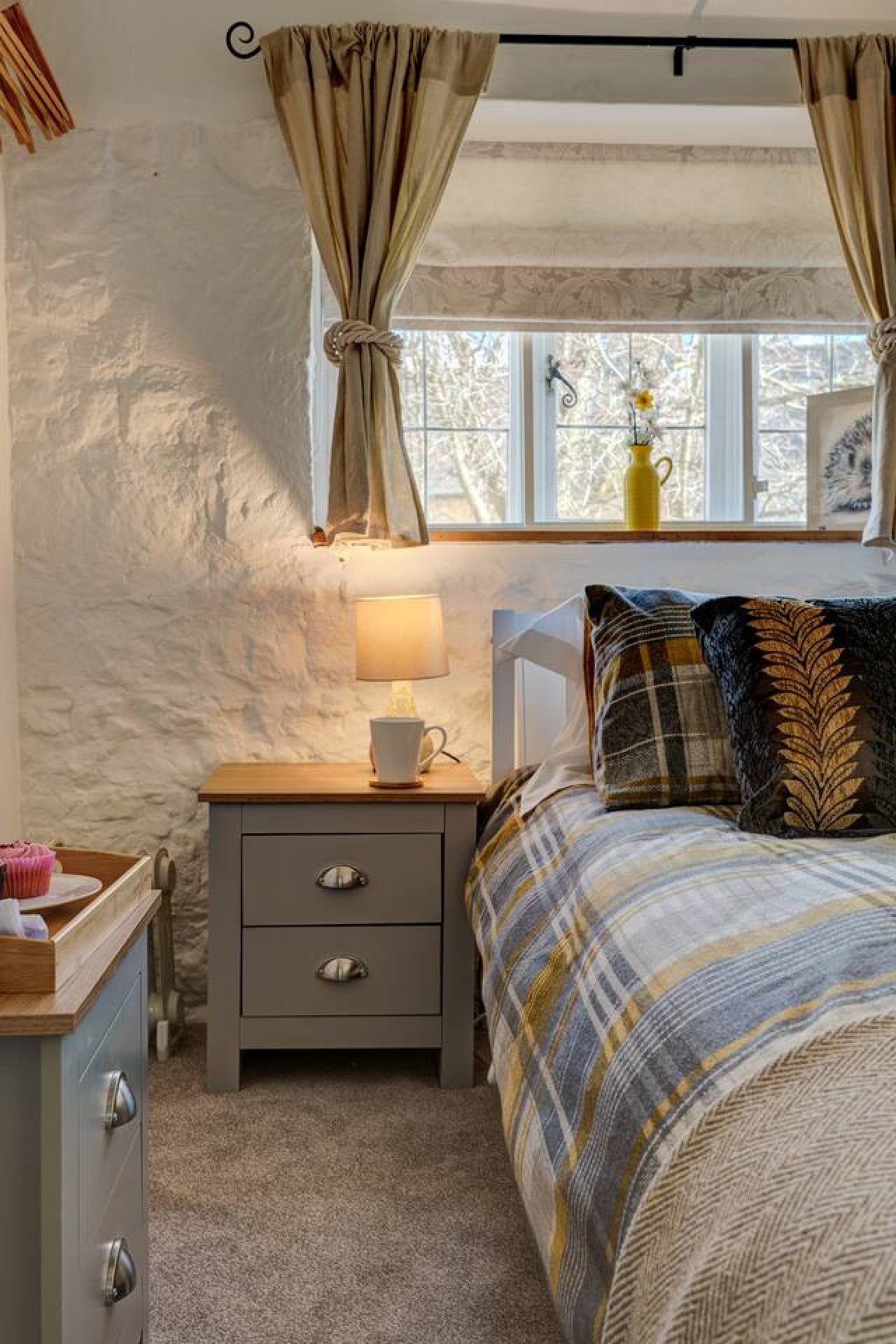
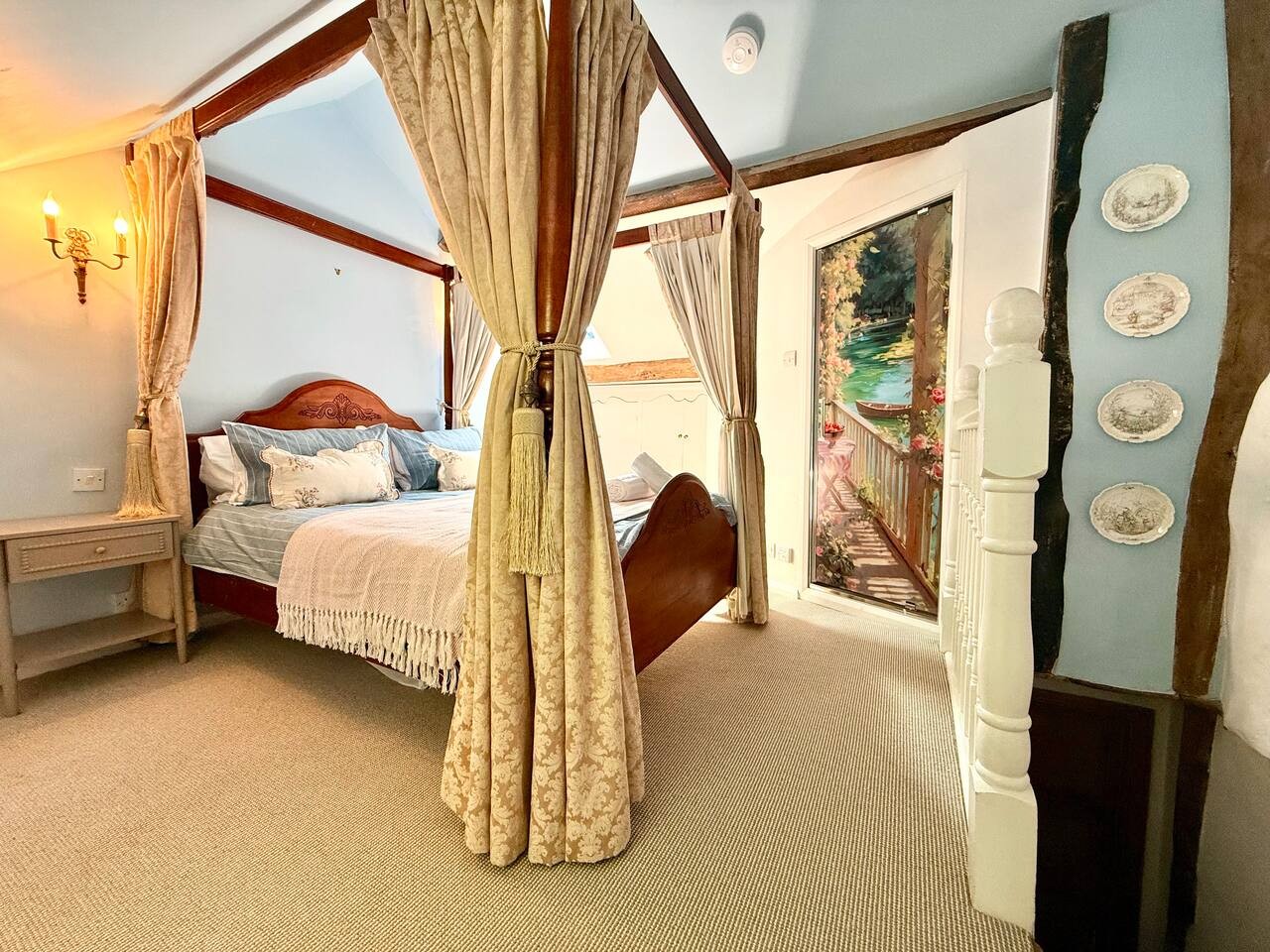
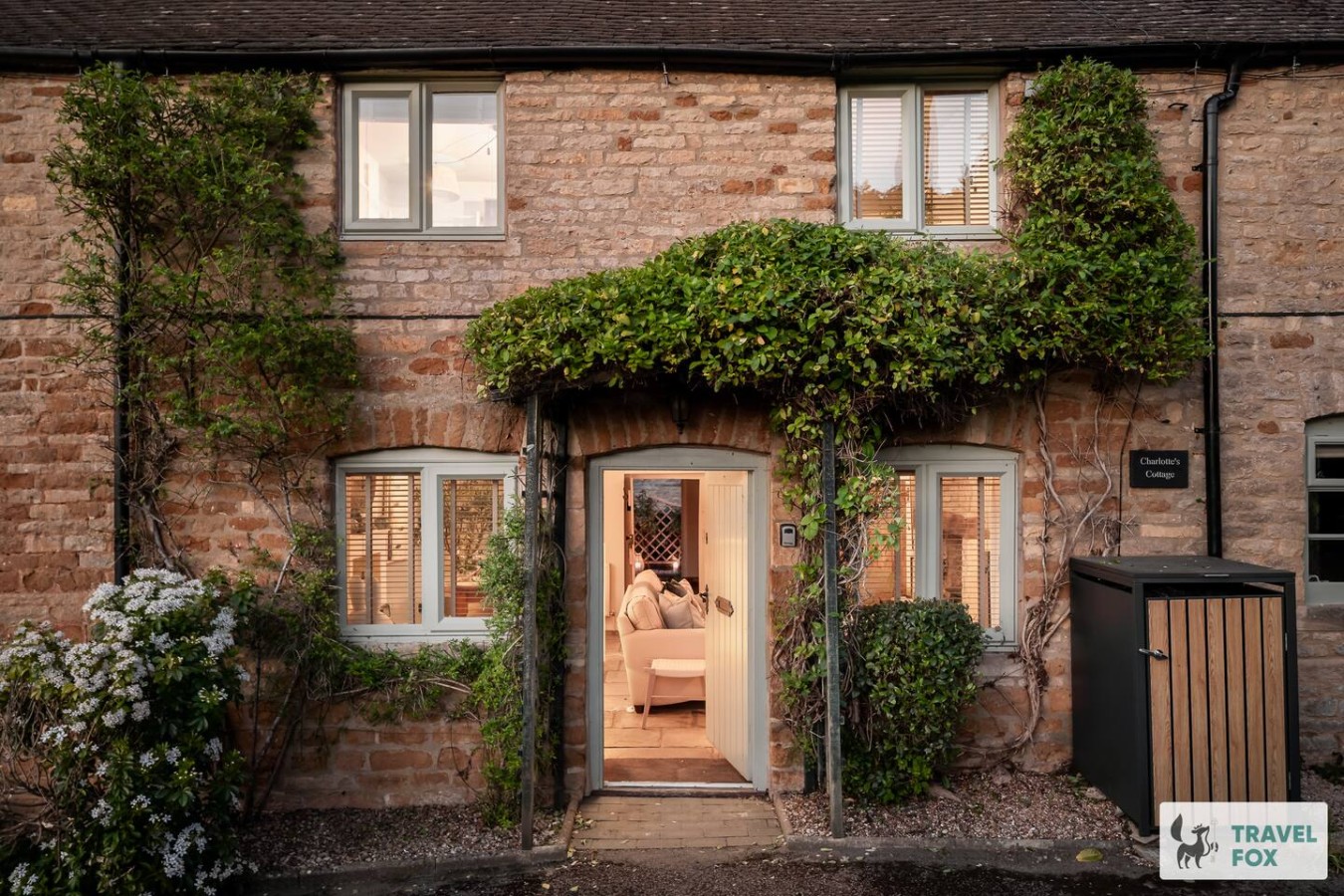
Travel Fox holiday homes around Cotswolds, linked directly to their property pages.
For homeowners
Own a holiday home near Limpley Stoke?
We manage holiday lets across the Cotswolds from 12% commission, charged after cleaning costs, with no lock-in. A co-founder visits before you decide.
Holiday let management in the Cotswolds →
A guide with a point of view
Written from research. Edited for real journeys.
Use the Official site links for live practical details, then use this guide for context, ideas and room to explore.
Sources
Every place on this page is checked against a published source. Each entry links the record we used and names who publishes it.
- Hop Pole Inn — hoppoleinn.uk operator, sector body or destination organisation
- Galleries Community Shop & Café — galleriesshop.co.uk operator, sector body or destination organisation
- Church of St Mary — historicengland.org.uk statutory register or public authority record not machine-readable; publisher restricts automated access
- Dundas Aqueduct — historicengland.org.uk statutory register or public authority record not machine-readable; publisher restricts automated access
- Colliers Way — walkwheelcycletrust.org.uk other published source
- King George V Play Park — limpleystoke.com other published source
- Iford Manor Gardens — ifordmanor.co.uk operator, sector body or destination organisation