
High ground, deep history
Monkton Farleigh
A Wiltshire village of stone houses, eastward views and a demanding circular walk through river, canal and nature-reserve country.
- Best for
- The eight-mile circular walk
- Route profile
- 315 metres of ascent, with steps and stiles
- Don't miss
- The short detour to Monk's Conduit
The Fox verdict
A walking village with history underfoot
Come for the high-ground landscape, the long river-and-canal circuit and medieval details that survive in stone.
An eight-mile circular from Monkton Farleigh descends through farmland to the River Avon and Dundas Aqueduct, follows the Kennet and Avon Canal and climbs back through Browne's Folly Nature Reserve. St Peter's has medieval stonework, while Monk's Conduit recalls the priory's water supply.
Where to go
Places in Monkton Farleigh
Every place below is checked against a published source, listed with what it is and how long to give it.
Local signatures
3 placesMonk's Conduit
A 2.73m-square local-limestone building made to shelter the spring that supplied Monkton Farleigh's priory.
- Visit length
- Editorial estimate: Allow around 30 minutes
- Locality
- Short detour from the circular walk
Browne's Folly Nature Reserve
The nature reserve crossed by the eight-mile route as it climbs back after the River Avon, Dundas Aqueduct, canal and Bathampton sections.
- Visit length
- Editorial estimate: Allow around 75 minutes
- Locality
- On the return climb of the circular walk
American Museum & Gardens
A family-oriented museum and estate with American collections, indoor and outdoor trails, open spaces, gardens and an American Garden Deli.
- Visit length
- Editorial estimate: Allow around 2 hours
- Locality
- Claverton
Walks & outdoors
2 placesMonkton Farleigh, a folly and a feat of engineering
A 315m-ascent circuit descending through farmland to the River Avon and Dundas Aqueduct, following the Kennet & Avon Canal past Claverton Pumping Station to Bathampton, then climbing through Browne's Folly Nature Reserve.
- Visit length
- Editorial estimate: Allow around 5 hours
- Locality
- From the Kings Arms
- Access
- Terrain includes pavement, unpaved paths, towpath, minor roads, steps and stiles; dogs are permitted but need leads around livestock, and the route is not wheel-friendly.
Dundas Aqueduct
A named landmark on the eight-mile circuit, reached as the route drops through farmland to the River Avon before following the Kennet & Avon Canal.
- Visit length
- Editorial estimate: Allow around 45 minutes
- Locality
- On the Monkton Farleigh circular walk
History & heritage
2 placesChurch of St Peter
A church with a 12th-century inner north-porch doorway of chevron ornament and scalloped and mask capitals, a saddleback-roofed tower and bells dated 1623, 1724 and 1783.
- Visit length
- Editorial estimate: Allow around 45 minutes
- Locality
- Monkton Farleigh
Great Chalfield Manor and Garden
A 15th-century manor with an Arts and Crafts garden, moat, gatehouse, topiary houses, rose garden and spring-fed pond.
- Visit length
- Editorial estimate: Allow around 2 hours
- Locality
- Great Chalfield
- Access
- Manor entry is by guided tour.
No places match this filter. Choose All places to reset the list.
Three ways to explore Monkton Farleigh
Signature outings
River, canal and folly
Allow four to five hours for the full circuit. The walk can also be reached by public transport at Bathford, Bathampton and Dundas Basin.
The Norman doorway
Inside St Peter's, a 17th-century pulpit and communion table sit alongside Victorian stained glass.
Moat, topiary and manor
See how an early-20th-century restoration reshaped the medieval house, while Alfred Parsons redesigned its garden in 1907.
The village story
Monkton Farleigh: Priory Stone and the Avon Walk
A high-ground Wiltshire village shaped by stone, walking country and the remains of a Cluniac past.
The Inn, the High Ground and the Long Walk
The Kings Arms is a 17th-century building with an early-16th-century doorway and a two-storey porch with original windows. After the pub closed in 2024, village resident Sir Charles Hobhouse bought the freehold and leased it to the Beckford Group. Villagers had restored the historic name in 2016 when they took over day-to-day running from the Muddy Duck. The published eight-mile circular walk starts outside the building.
Monkton Farleigh stands on high ground between Bath and Bradford-on-Avon, mostly 600 to 700 feet up, with views especially to the east. Its houses are chiefly two storeys, built of rubble or coursed stone; many have tall Victorian chimneys, stone-mullioned windows and gables. Mature trees help the conservation area blend into the surrounding countryside. An 1881 parish history praised the varied landscape of hills, valleys, woods and streams.
The eight-mile circuit drops through farmland to the River Avon and Dundas Aqueduct, follows the Kennet and Avon Canal past Claverton Pumping Station to Bathampton, then climbs back through Browne's Folly Nature Reserve. There are 315 metres of ascent, plus steps and stiles, so it is not a route for wheels; dogs need leads around livestock. A short detour reaches Monk's Conduit, a 14th-century limestone building barely nine feet square, built to shelter the spring that once supplied the priory.
Village Life and Nearby Days Out
The village hall, opposite the school, opened in 1925 on land given by Hobhouse and put up by volunteers. It seats about fifty at tables and has a car park and garden. It is a place you hire rather than drop into.
Bradford-on-Avon, about four miles away, has shops and places to eat, as well as the canal and heritage walks. Further afield are the American Museum and Gardens at Claverton, with trails, open grounds and a garden deli, and Great Chalfield Manor, a 15th-century house with a moat, topiary and a spring-fed pond, shown by guided tour.
Getting Here and the Priory Beneath the Manor
Bradford-on-Avon is the nearest station, about three miles away, managed by GWR with step-free access to both platforms. The A363 Bath to Bradford-on-Avon road runs through Farleigh Wick; Bath is five and a half miles west. Route 96 provides a limited weekday link between Monkton Farleigh and Bradford-on-Avon.
The Grade I manor stands on the site of the former priory. A Cluniac priory of St Mary Magdalene was founded here about 1120–25, administered from Lewes until 1374, and dissolved in 1536; excavation traced its church, chapter house, cloister and hall. The manor reused 12th-century priory carving, including a coffin lid with a carved cross. John Jewel, Bishop of Salisbury, died at the manor in 1571.
St Peter's and What the Ground Revealed
St Peter's Church carries the older work more plainly. Its north porch has an inner 12th-century doorway with chevron ornament and a scalloped capital, and the saddleback tower holds bells cast in 1623, 1724 and 1783. T. H. Wyatt rebuilt much of the rest in 1844.
Two things surface from the ground here. In 1980 a householder found an earthenware pot holding 3,466 Roman coins, running from the reign of Valerian I to the start of Diocletian's. And the Bath stone under the village, quarried hard through the 19th century, was approved in 1935 for one of three underground ammunition sub-depots, Monkton Farleigh among them, developed to keep the country's shells safe from bombing.
Monkton Farleigh in Domesday
The Domesday surveyors found 24 households and eight plough teams, and valued the whole place at seven pounds.
Each of Monkton Farleigh's two Domesday holdings included 20 acres of pasture and three acres of woodland.
Stay around Cotswolds
Make a longer stay of it
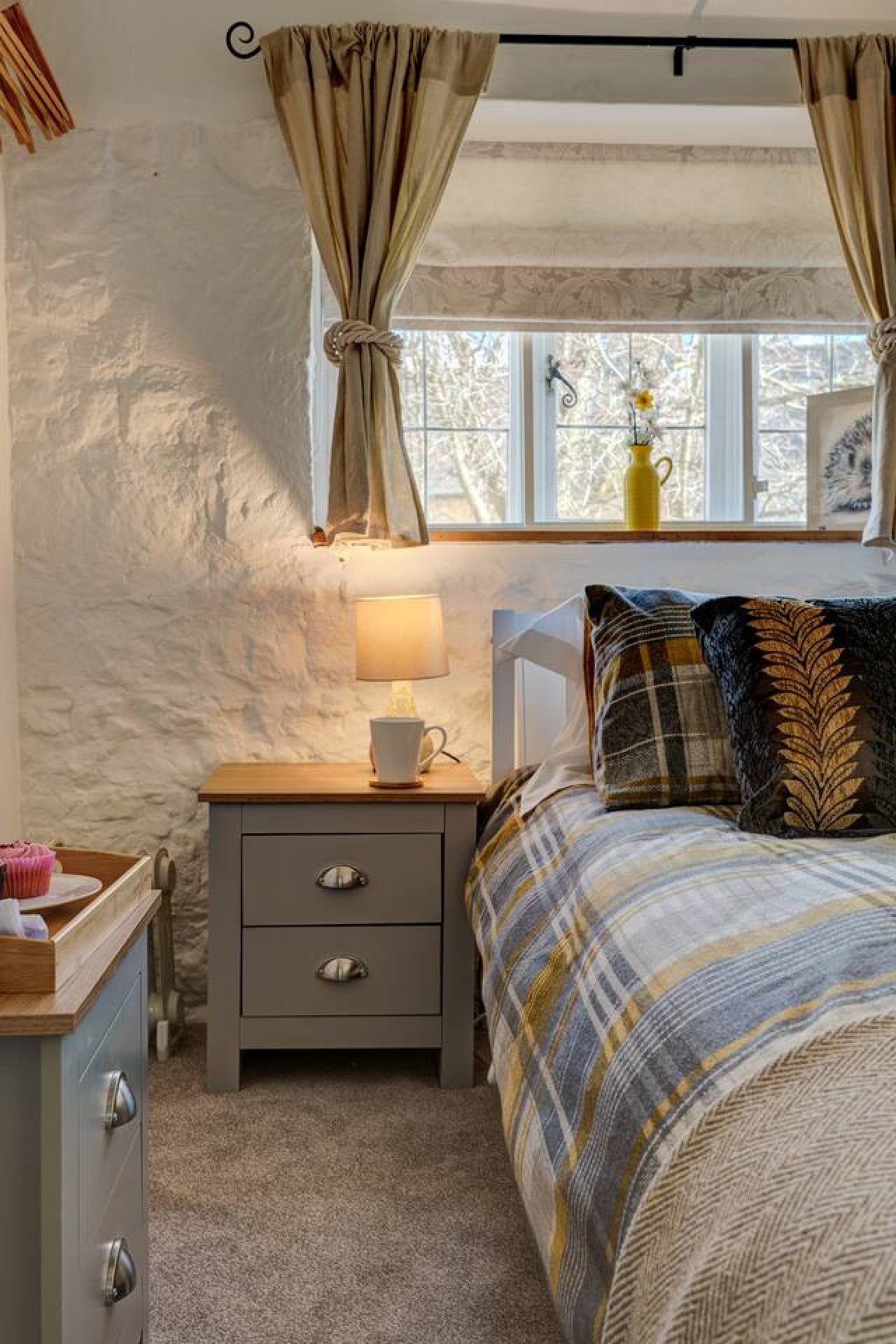
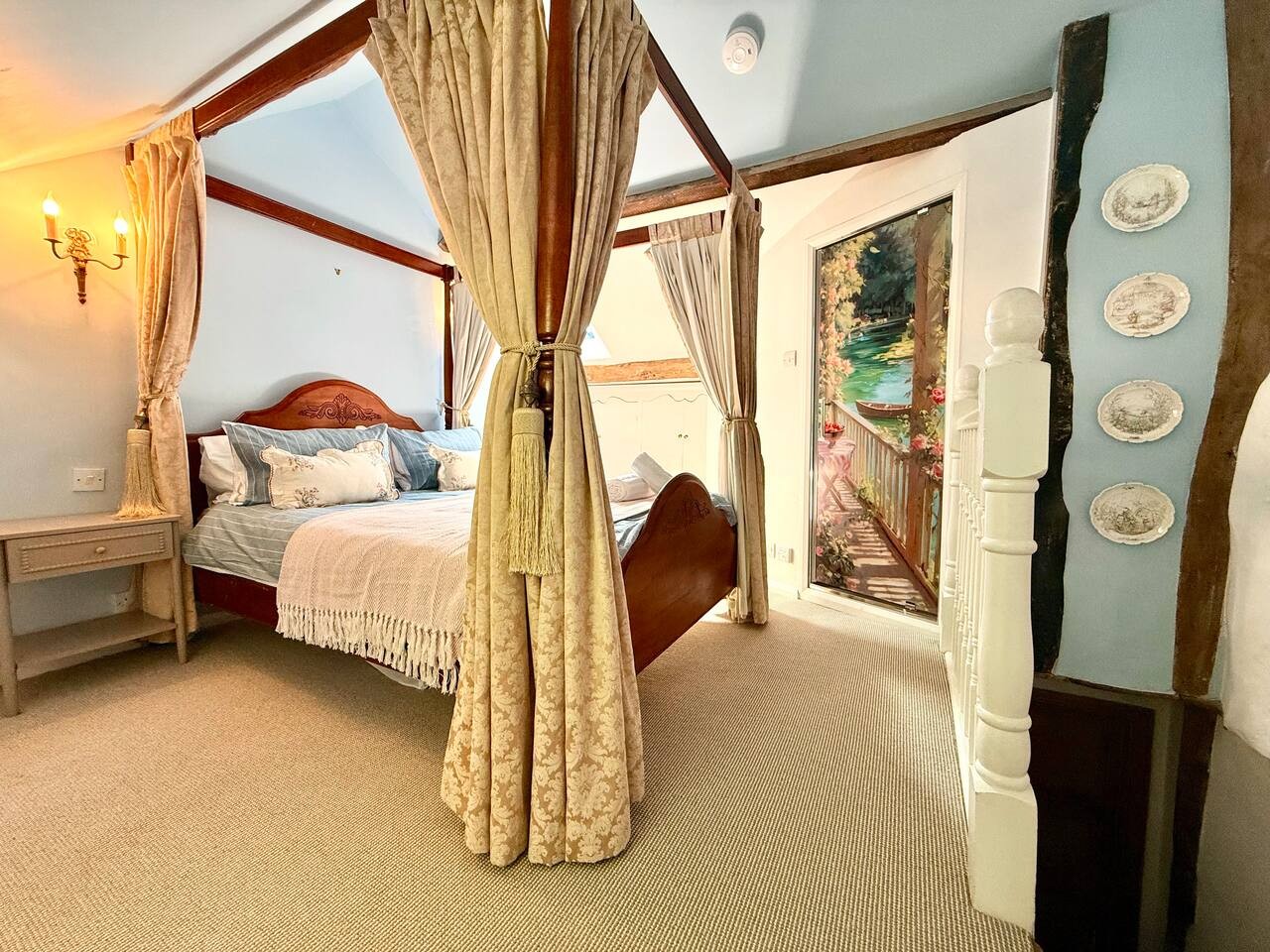
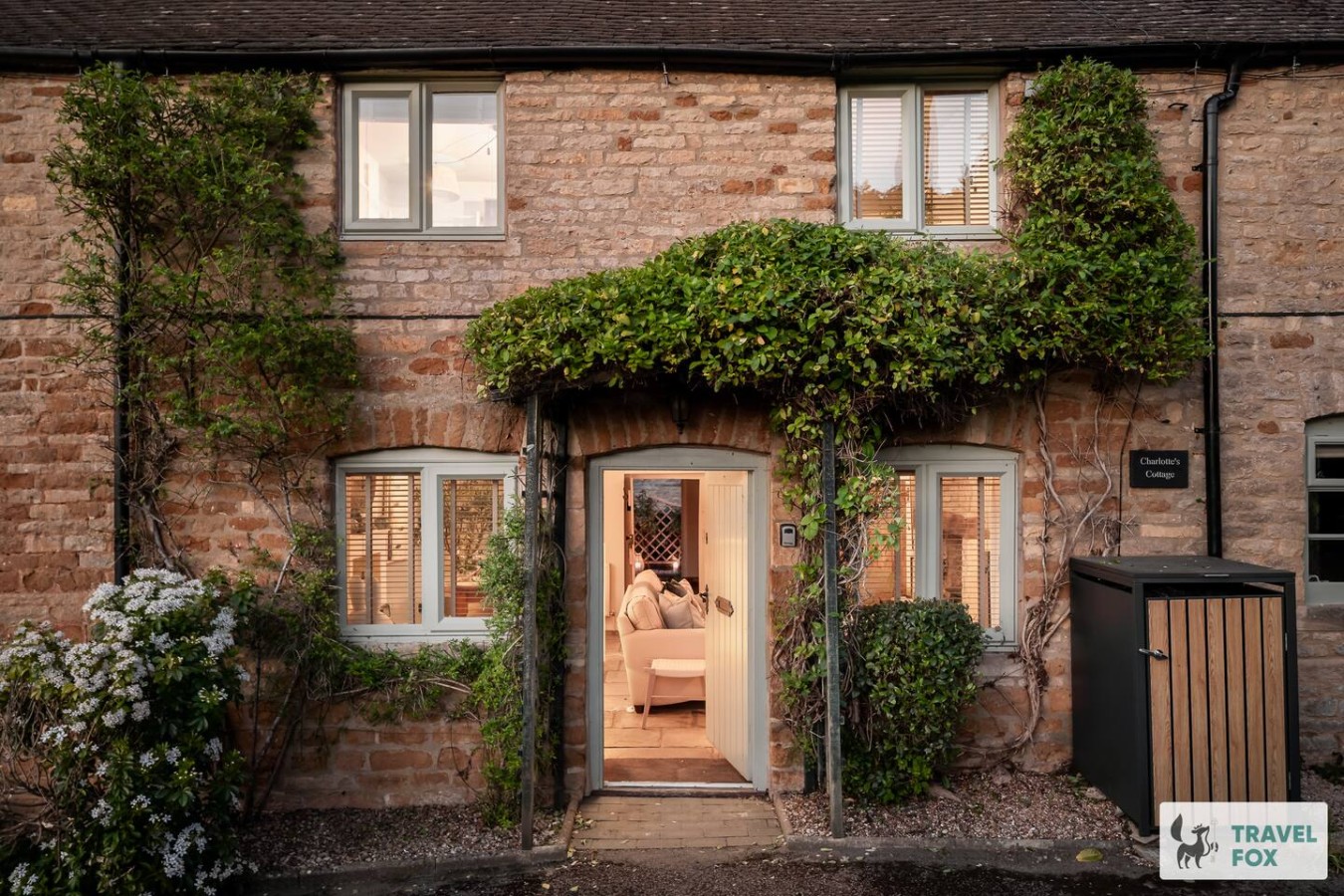
Travel Fox holiday homes around Cotswolds, linked directly to their property pages.
For homeowners
Own a holiday home near Monkton Farleigh?
We manage holiday lets across the Cotswolds from 12% commission, charged after cleaning costs, with no lock-in. A co-founder visits before you decide.
Holiday let management in the Cotswolds →
A guide with a point of view
Written from research. Edited for real journeys.
Use the Official site links for live practical details, then use this guide for context, ideas and room to explore.
Sources
Every place on this page is checked against a published source. Each entry links the record we used and names who publishes it.
- Church of St Peter — historicengland.org.uk statutory register or public authority record not machine-readable; publisher restricts automated access
- Monkton Farleigh, a folly and a feat of engineering — cotswolds-nl.org.uk other published source
- Monk's Conduit — apps.wiltshire.gov.uk statutory register or public authority
- Dundas Aqueduct — historicengland.org.uk statutory register or public authority record not machine-readable; publisher restricts automated access
- Browne's Folly Nature Reserve — avonwildlifetrust.org.uk national body or asset manager
- American Museum & Gardens — americanmuseum.org operator, sector body or destination organisation
- Great Chalfield Manor and Garden — nationaltrust.org.uk national body or asset manager