
Stone, cider and coast
Worth Matravers
A Purbeck limestone village where quarry paths run from a duck pond and Norman church to sea caves, ledges and sheltered coves.
- Best for
- Coastal walks and quarry history
- Give it
- A village stop or a longer coast walk
- Don't miss
- The Square and Compass serving hatch
Photo: hugh llewelyn · CC BY-SA 2.0 · cropped
The Fox verdict
A stone village with a big coastal hinterland
Worth Matravers pairs a tightly clustered Purbeck village with paths to old quarries, sea caves and the Jurassic Coast.
Come for the Square and Compass, the pond and the Norman details of St Nicholas, then choose between the Priest's Way, Winspit, Seacombe, Dancing Ledge and Chapman's Pool. The village's quarrying story runs through the cottages, coast and pub name.
Where to go
Places in Worth Matravers
Every place below is checked against a published source, listed with what it is and how long to give it.
Local signatures
3 placesWorth Matravers Tea & Supper Room
A village tearoom serving Dorset cream teas, savoury afternoon teas, light lunches and homemade cakes on vintage china, and operating as an evening supper room.
- Visit length
- Editorial estimate: around 60 minutes
- Locality
- just above the village pond
Priest's Way
An ancient medieval drove road running mostly between dry-stone walls, following the route the parish priest walked to take services in Swanage.
- Visit length
- Editorial estimate: around 120 minutes
- Locality
- from Worth Matravers toward Swanage
Spyway Dinosaur Footprints
Nearby dinosaur footprint trackways at Keates Quarry / Spyway preserve roughly 140-million-year-old sauropod prints.
- Visit length
- Editorial estimate: around 45 minutes
- Locality
- Keates Quarry / Spyway
Food & drink
1 placeThe Square and Compass
A counterless historic pub serving pies, pasties, local ales and its own on-site pressed cider through a single hatch, with a stone-table garden and a fossil and archaeology museum.
- Visit length
- Editorial estimate: around 90 minutes
- Locality
- Worth Matravers
Walks & outdoors
4 placesWinspit
Dramatic cliffside stone quarries and sea caves reached by a gentle path down the valley; the quarry supplied London building stone until about 1940.
- Visit length
- Editorial estimate: around 120 minutes
- Locality
- down the valley from the village
Seacombe
A neighbouring cliff quarry distinguished by large gaping underground galleries, with ceilings reaching 13 feet.
- Visit length
- Editorial estimate: around 60 minutes
- Locality
- neighbouring cliff quarry
Dancing Ledge
A quarried coastal rock ledge where stone was taken for Ramsgate harbour and an early-20th-century tidal swimming pool was blasted into the rock.
- Visit length
- Editorial estimate: around 120 minutes
- Locality
- along the South West Coast Path
Chapman's Pool
A sheltered horseshoe cove reached on foot west of Worth Matravers, with a classic circular route via Renscombe and the coast path.
- Visit length
- Editorial estimate: around 120 minutes
- Locality
- west of the village
History & heritage
1 place
St Nicholas of Myra
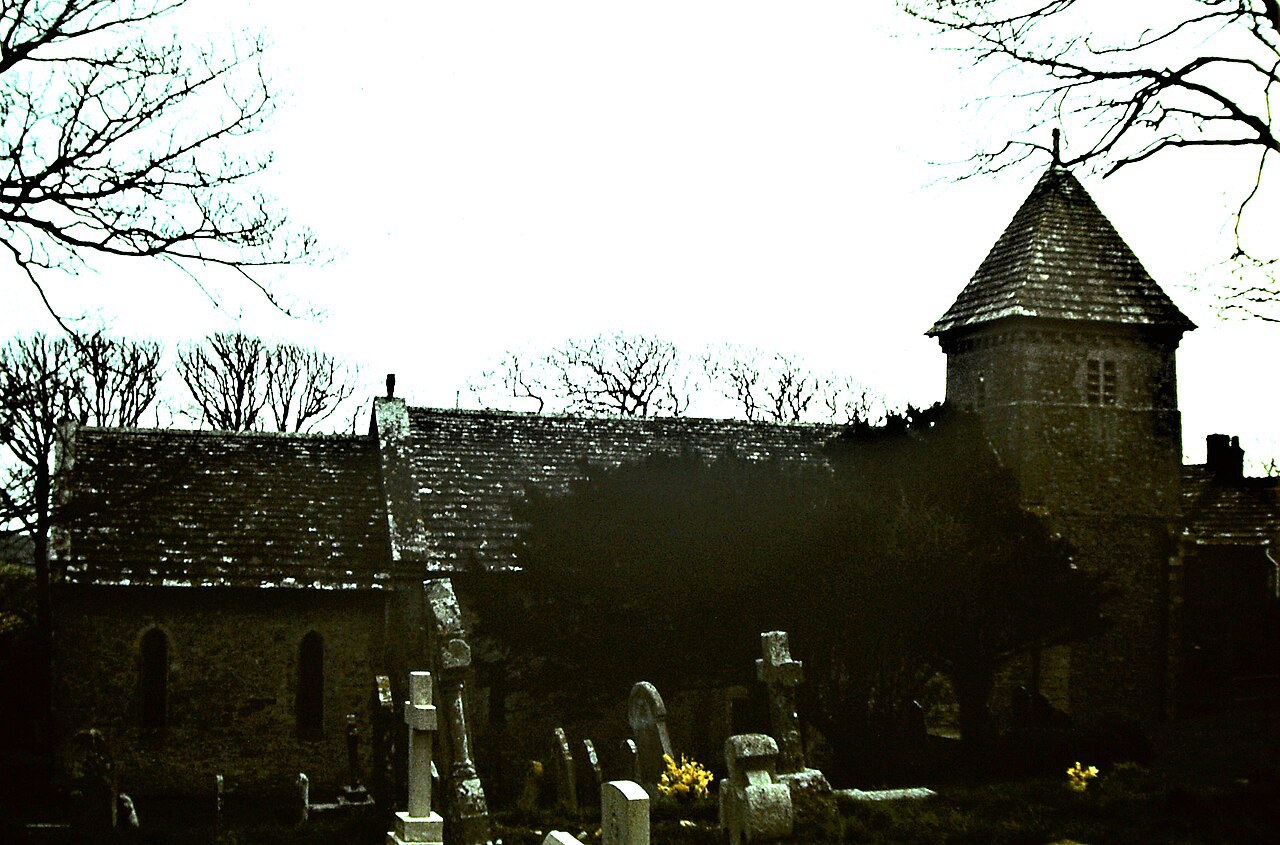
A largely unaltered small 12th-century Norman church with a chevron-moulded chancel arch, carved corbels and the churchyard grave of vaccination pioneer Benjamin Jesty.
- Visit length
- Editorial estimate: around 45 minutes
- Locality
- Worth Matravers
Things to do
1 placeWorth Matravers Village Pond
The duck pond at the centre of the tightly clustered Purbeck limestone village is a familiar Isle of Purbeck postcard image and a draw for children.
- Visit length
- Editorial estimate: around 20 minutes
- Locality
- central village pond
No places match this filter. Choose All places to reset the list.
Three ways to explore Worth Matravers
Signature outings
A pub that refuses to modernise
Try the deliberately short pie-and-pasty menu, local ales or on-site pressed cider at the counterless Square and Compass.
Norman chevrons and carved corbels
Inside St Nicholas, the chancel arch carries two courses of zig-zag moulding and the corbels show grotesques, beasts and human figures.
Winspit's quarry coast
Walk down from the village to the cliffside quarries and sea caves that supplied London building stone until about 1940.
The village story
Worth Matravers Village Guide
A locked Travel Fox story of serving hatches, Purbeck stone, coastal quarries, Norman carving and village traditions.
The pub with no bar
The Square and Compass has no bar. You order your drink and your food through a single hatch in the wall, and it comes back to you the same way: a meat pie, a veg pie, a sausage roll, a pasty. That is roughly the whole menu, and it is deliberate. The pub presses its own cider behind the building, pours local ales, and has appeared in every edition of CAMRA's Good Beer Guide since 1974 — one of only five in the country to manage that. The pasties divide people. One critical TripAdvisor review is titled "Forget the rubber pasties!" Another review, more common, simply says: "This is a proper pub."
Out the back there's a hillside garden with stone tables carved from the local rock, chickens wandering about, and views across the Purbeck valley to the sea. Charlie Newman, the current landlord, bought the pub from the brewer in 1994 and opened a fossil and archaeology museum in 1998, filled with things he and his father dug out of the ground nearby. The Newman family has run the place since 1907. Before that it was called The Sloop and had smuggling connections; a stonemason turned landlord named Charles Bower renamed it the Square and Compass around 1830, after the tools of his old trade.
A village built from stone
Stone is the reason the village exists. The cottages are grey Purbeck limestone, clustered tightly around a central pond where the ducks live, and the men who cut that stone worked the coastal quarries just south. You can walk down to them. The path to Winspit drops gently through the valley to cliffside quarries and sea caves that supplied building stone for London until about 1940, and have since appeared in Doctor Who, Blake's 7 and a Disney film. Seacombe, next along, has underground galleries thirteen feet high. At Dancing Ledge, on the coast path, someone blasted a tidal swimming pool into the rock for local schoolchildren.
For a walk with less scrambling, the Priest's Way runs mostly between dry-stone walls toward Swanage — the route the parish priest once took to hold services there.
Norman carving and Benjamin Jesty
St Nicholas of Myra is one of the oldest churches in Dorset, built around 1100 and largely left alone since. The chancel arch has two courses of Norman zig-zag moulding, and the corbels are carved with grotesques, a squatting man, a bird's head, a rabbit. In the churchyard is Benjamin Jesty, a farmer who in 1774 — more than twenty years before Jenner — used a stocking needle to inoculate his wife and two sons against smallpox with cowpox matter. His headstone, which he wrote himself, records him as "the first Person (known) that introduced the Cow Pox by Inoculation." His wife Elizabeth added the word "known."
Tea above the pond
The village has no shop, but there's a tea and supper room above the pond serving cream teas on vintage china. Getting here means minor lanes off the B3069; the nearest station is Wareham, and the More Bus 40 reaches Corfe Castle in about eight minutes.
When the chisels return
In late July the stonemasons come back for a carving festival, and the sound of chisels returns to a village that used to run on it.
Stay around Dorset
Make a longer stay of it
Travel Fox holiday homes around Dorset, linked directly to their property pages.
A guide with a point of view
Written from research. Edited for real journeys.
Use the Official site links for live practical details, then use this guide for context, ideas and room to explore.
Photography credits & licences
Third-party photographs are credited to their named creators and reused under the linked Creative Commons licence or public-domain dedication. Travel Fox stores an optimised local copy; the file-specific changes and any browser-applied display crop are disclosed below. Reused photographs link both to the Wikimedia Commons source record and to the declared source image; Travel Fox's own photographs carry no such record and are marked as ours. These image licences do not cover Travel Fox text, branding or page design.
- File:Worth Matravers Church (St. Nicholas of Myra).jpg — photograph by hugh llewelyn; https://www.flickr.com/photos/58433307@N08/49883287317/. Source record on Wikimedia Commons. Declared source image. Licence: CC BY-SA 2.0. File changes: Downloaded from Wikimedia Commons, resized to a maximum 1920px edge and encoded as an optimised JPEG. Display changes: Displayed with responsive CSS cropping.
Sources
Every place on this page is checked against a published source. Each entry links the record we used and names who publishes it.
- The Square and Compass — historicengland.org.uk statutory register or public authority record not machine-readable; publisher restricts automated access
- Worth Matravers Tea & Supper Room — visitwareham.com operator, sector body or destination organisation
- St Nicholas of Myra — historicengland.org.uk statutory register or public authority record not machine-readable; publisher restricts automated access
- Worth Matravers Village Pond — dorset-nl.org.uk other published source
- Priest's Way — langtonmatravers-pc.gov.uk statutory register or public authority
- Winspit — dorset-nl.org.uk other published source
- Seacombe — southwestcoastpath.org.uk other published source
- Dancing Ledge — southwestcoastpath.org.uk other published source
- Chapman's Pool — southwestcoastpath.org.uk other published source
- Spyway Dinosaur Footprints — nationaltrust.org.uk national body or asset manager