
Eden Valley history
Appleby-in-Westmorland
Follow Boroughgate from Appleby Castle's entrance to St Lawrence's Church, then explore the River Eden path.
- Best for
- History, river walks and independent shops
- Give it
- An unhurried half-day
- Don't miss
- The walk down Boroughgate from castle to church
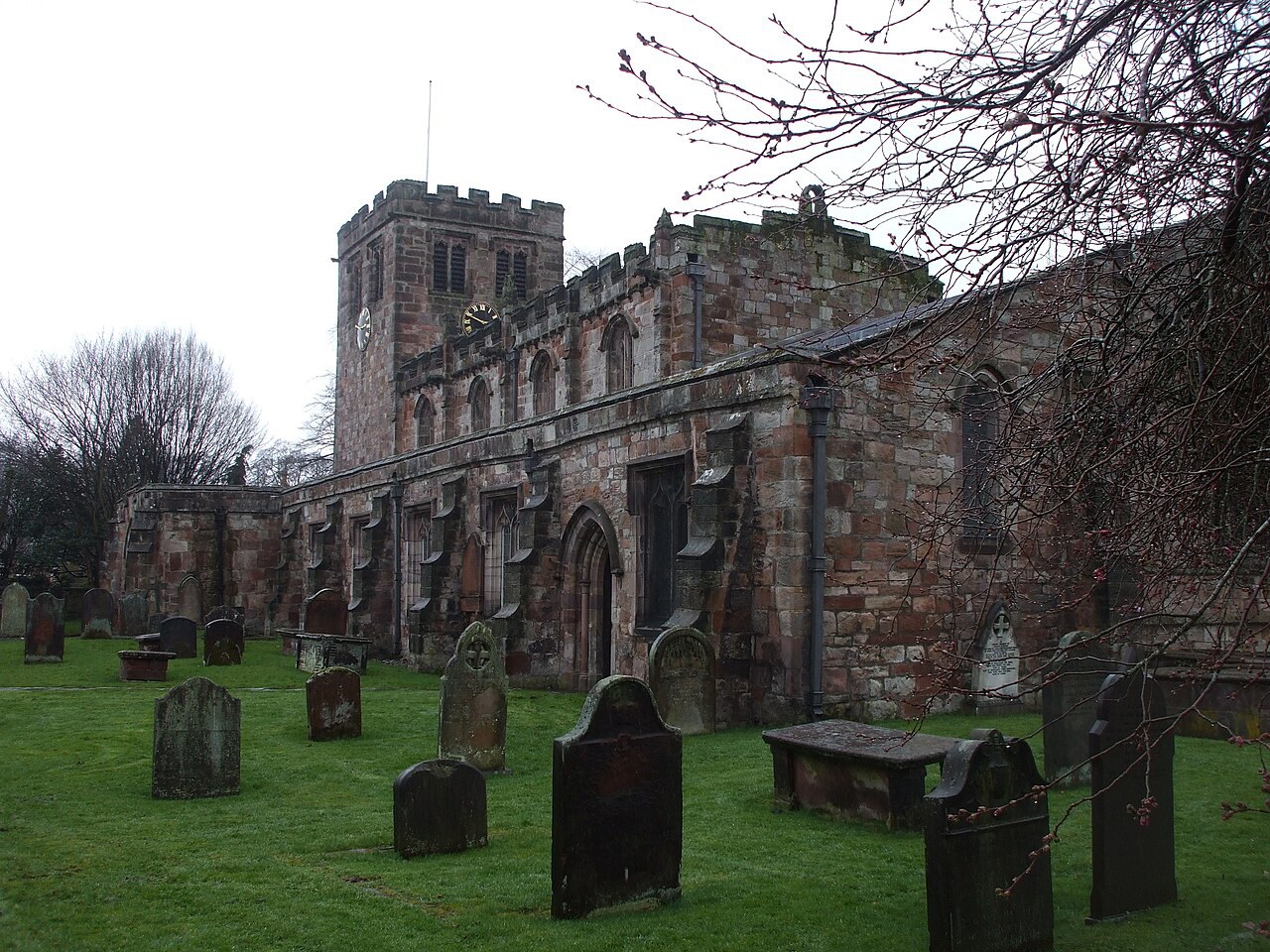
Photo: John Lord · CC BY-SA 2.0 · cropped
The Fox verdict
A historic Eden Valley town with a walkable spine
Appleby rewards a simple route: start above the town, follow Boroughgate downhill and then pick up the River Eden path.
The castle's Norman keep, Grade I church, broad historic Boroughgate and flat riverside path make a compact visit with real range. Independent shops and two town inns give visitors places to pause.
Where to go
Places in Appleby-in-Westmorland
Every place below is checked against a published source, listed with what it is and how long to give it.
Local signatures
3 placesBoroughgate
A broad, sloping historic street linking Appleby Castle and St Lawrence's Church, with stone buildings and a lime-tree avenue on its upper stretch.
- Visit length
- Editorial estimate: allow around 60 minutes
- Locality
- between Appleby Castle and St Lawrence's Church
Royal Oak Inn
A former coaching inn with an oak-panelled tap room, a separate lounge and dining room, home-made food and local ale.
- Visit length
- Editorial estimate: allow around 75 minutes
- Locality
- on the road east out of town
- Access
- Dogs are welcome in both the tap room and lounge.
Tufton Arms Hotel
A traditional town hotel with an elegantly furnished, cosy bar and traditional hotel dining.
- Visit length
- Editorial estimate: allow around 75 minutes
- Locality
- on the market square
History & heritage
2 placesAppleby Castle
A Norman castle with a surviving 12th-century stone keep and riverside grounds overlooking the River Eden.
- Visit length
- Editorial estimate: allow around 90 minutes
- Locality
- at the top of Boroughgate
- Access
- Grounds-only tickets are available while the Norman Centre is temporarily closed.
St Lawrence's Church
A Grade I listed church with a Norman 12th-century core, later additions and the tomb of Lady Anne Clifford.
- Visit length
- Editorial estimate: allow around 30 minutes
- Locality
- at the bottom of Boroughgate
No places match this filter. Choose All places to reset the list.
Three ways to explore Appleby-in-Westmorland
Signature outings
A Norman vantage point
Explore the riverside grounds with the included phone audio tour and views across the Eden Valley.
A tomb at the street's end
Step inside St Lawrence's to find the tomb of Lady Anne Clifford in the church she restored.
Boroughgate's historic line
Follow Boroughgate's sloping line between St Lawrence's Church and Appleby Castle.
The town story
Appleby-in-Westmorland: castle, county and river
A walk between castle and church leads through Appleby's old market street, with riverside paths and town inns nearby.
Boroughgate and the castle above
Boroughgate climbs from St Lawrence's Church to Appleby Castle. Its wide line recalls Appleby's former role as Westmorland's county town. The original Market Place cobbles were removed in 1912.
Above the River Eden, the 12th-century keep survives. Walk the riverside grounds with the included phone audio tour.
Lady Anne Clifford and St Lawrence's
Lady Anne Clifford spent her later life restoring the Westmorland estates she had fought for decades to inherit. She rebuilt the castle after Parliament dismantled its defences in 1648, restored the church, and founded the Hospital of St Anne almshouses, which are still occupied.
The Grade I church has a Norman 12th-century core and later additions. Lady Anne's tomb is inside; she was buried there after her death in 1676.
Two contrasting town inns
The Royal Oak, a former coaching inn on the road east of town, has an oak-panelled tap room, a separate lounge and dining room, home-made food and local ale. Tuesday Pie Night and the gelato parlour add two more reasons to stop; dogs are welcome in both bar rooms.
The Tufton Arms Hotel faces the market square. Its bar and Conservatory Restaurant offer drinks and traditional hotel dining.
Market charter and Horse Fair
Appleby's old main street doubled as its market place, linking castle and church. The town received its first royal charter in 1179.
Appleby Horse Fair grew from livestock sales begun in 1775 and became a major gathering for Gypsy, Roma and Traveller communities. During the fair, horses are washed at The Sands on the River Eden, while Fair Hill is used for camping.
River paths, moorland and rail
A flat, tarmacked riverside path with benches follows the River Eden around Appleby's town centre.
The station is on the Settle–Carlisle line, one of the great scenic railways, and it stops in a town most trains would be forgiven for missing.
Stay around Lake District
Make a longer stay of it
Travel Fox holiday homes around Lake District, linked directly to their property pages.
For homeowners
Own a holiday home near Appleby-in-Westmorland?
We manage holiday lets across the Lake District from 12% commission, charged after cleaning costs, with no lock-in. A co-founder visits before you decide.
Holiday let management in the Lake District →
A guide with a point of view
Written from research. Edited for real journeys.
Use the Official site links for live practical details, then use this guide for context, ideas and room to explore.
Photography credits & licences
Third-party photographs are credited to their named creators and reused under the linked Creative Commons licence or public-domain dedication. Travel Fox stores an optimised local copy; the file-specific changes and any browser-applied display crop are disclosed below. Reused photographs link both to the Wikimedia Commons source record and to the declared source image; Travel Fox's own photographs carry no such record and are marked as ours. These image licences do not cover Travel Fox text, branding or page design.
- File:St Lawrence's Church, Appleby-in-Westmorland - geograph.org.uk - 1807163.jpg — photograph by John Lord; St Lawrence's Church, Appleby-in-Westmorland by John Lord. Source record on Wikimedia Commons. Declared source image. Licence: CC BY-SA 2.0. File changes: Downloaded from Wikimedia Commons, resized to a maximum 1920px edge and encoded as an optimised JPEG. Display changes: Displayed with responsive CSS cropping.
Sources
Every place on this page is checked against a published source. Each entry links the record we used and names who publishes it.
- Appleby Castle — applebycastle.co.uk operator, sector body or destination organisation
- St Lawrence's Church — carlislediocese.org.uk national body or asset manager
- Boroughgate — historicengland.org.uk statutory register or public authority record not machine-readable; publisher restricts automated access
- Royal Oak Inn — royaloakappleby.co.uk operator, sector body or destination organisation
- Tufton Arms Hotel — tuftonarmshotel.co.uk operator, sector body or destination organisation