
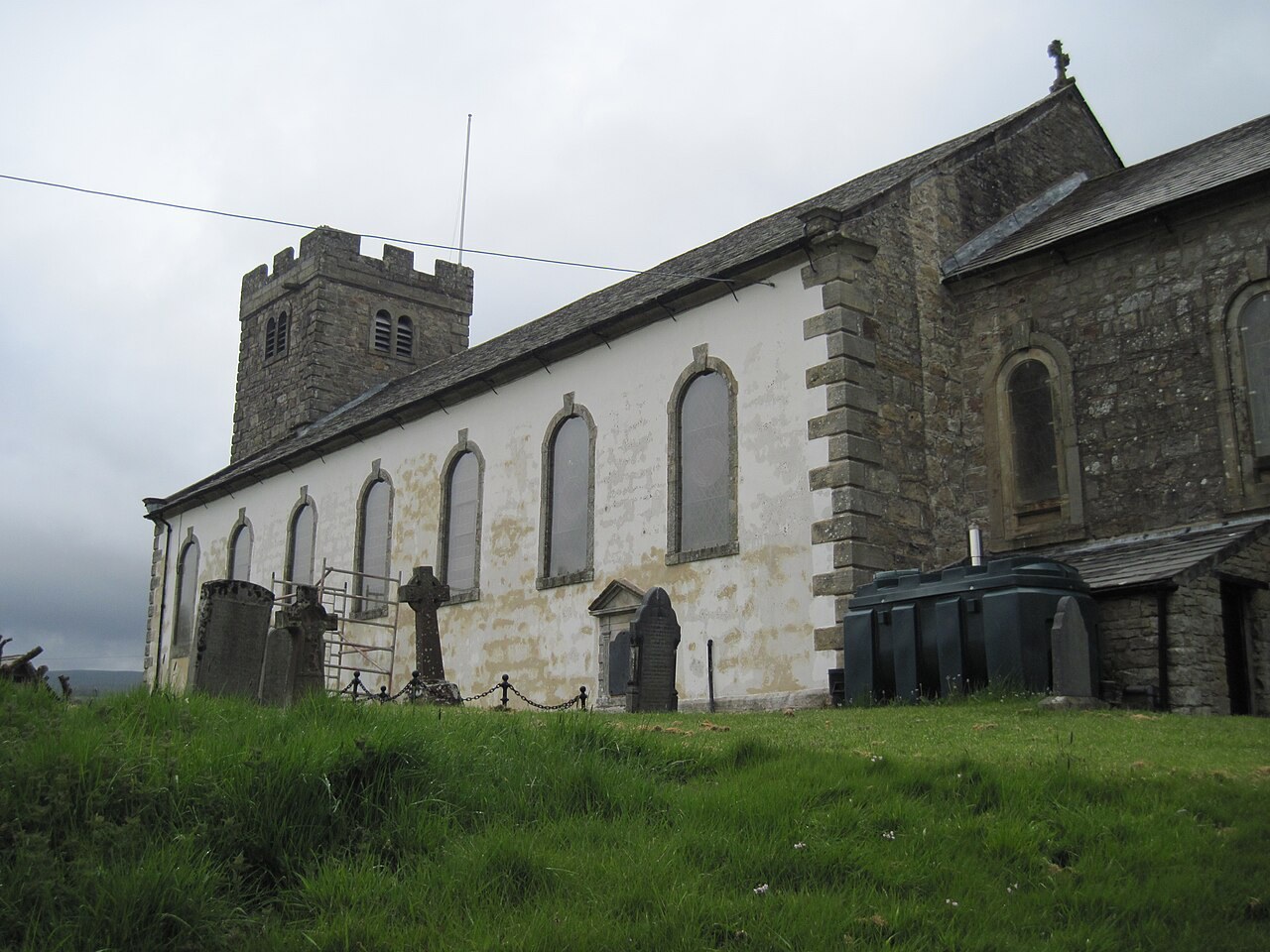
A quieter eastern valley
Bampton
A small Lakeland village where a community-owned pub meets old church history and paths towards Haweswater and the high fells.
- Best for
- Quiet valley walks and a community pub
- Give it
- A half-day, or longer for the high fells
- Don't miss
- The gentler approach towards Haweswater
Photo: Martin Dawes · CC BY-SA 2.0 · cropped
The Fox verdict
Small village, serious walking
Bampton is a low-key base for Haweswater, High Street and the High Fell ridge.
Come for the quiet eastern valley and choose your scale: a community pub and old church close to the village, a gentler route towards Haweswater, or a longer outing onto the broad grassy ridge.
Where to go
Places in Bampton
Every place below is checked against a published source, listed with what it is and how long to give it.
Local signatures
3 placesThe Mardale Inn at St Patrick's Well
A whitewashed pub owned by more than 500 community shareholders, serving local real ales and seasonal food after reopening in 2022.
- Visit length
- Editorial estimate: Allow around 60 minutes
- Locality
- Bampton village
St Patrick's Church, Bampton
A church first mentioned in 1170, largely rebuilt in 1726–27 and restored in 1885, with elegant oak pillars inside.
- Visit length
- Editorial estimate: Allow around 25 minutes
- Locality
- Bampton Grange
Bampton Valley Stores (village shop)
A volunteer-run village shop serving coffee, sandwiches and pasties a short walk from the pub.
- Visit length
- Editorial estimate: Allow around 15 minutes
- Locality
- Bampton village
Walks & outdoors
2 placesHaweswater Approach from Bampton
The gentler local outing follows the Bampton valley towards Haweswater and its reservoir shore.
- Visit length
- Editorial estimate: Allow around 2 hours
- Locality
- Route towards Haweswater from Bampton
High Street via Long Stile
A 5.6-mile fell circuit from the car park at the head of Haweswater climbs Long Stile to the High Street summit, then descends via Mardale Ill Bell and Nan Bield Pass.
- Visit length
- Editorial estimate: Allow 5–6 hours for the published 5.6-mile circuit from the head-of-Haweswater car park.
- Locality
- Head of Haweswater, Mardale
No places match this filter. Choose All places to reset the list.
Three ways to explore Bampton
Signature outings
The Pub the Valley Saved
Call at the community-owned Mardale Inn for real ales brewed within fifty miles and views across the Bampton valley.
Follow High Street's Ridge
From the car park at the head of Haweswater, climb Long Stile to High Street and return via Mardale Ill Bell and Nan Bield Pass.
Walk Towards Haweswater
Take the gentler approach south from Bampton towards the reservoir shore and the landscape of the drowned Mardale valley.
The village story
Bampton: the Valley Behind the Inn
A community pub, a drowned valley and old paths onto the eastern fells give this small village an unusually deep story.
The Pub the Valley Saved
The Mardale Inn is a whitewashed pub that has been serving Bampton for over 150 years, though for most of that time it went by another name. Locals called it "The Bampton Jerry." Officially it was St Patrick's Well. Its present name recalls Mardale Green, the village later submerged beneath Haweswater. It closed in 2018, which in a valley this quiet could easily have been the end of it, and then in May 2022 more than 500 people bought it between them. It has been community-owned ever since, and it has made the CAMRA Good Beer Guide every year from 2024 to 2027.
The beer is local — real ales brewed within fifty miles — and the food is the kind you want after a day on the fells: sausage and mash, fish and chips, steak and ale pie, sticky toffee pudding. There are sharing plates and a Sunday roast, and the menu changes with the seasons using ingredients sourced nearby. From the windows you look out over the Bampton valley.
From Village Lane to High Fell
Bampton Valley Stores is the village shop, serving coffee and food close to the village centre. Beyond it, Bampton more or less runs out. The River Lowther meets Haweswater Beck here, and the village sits in a quiet, little-visited valley in the eastern Lake District, with the High Fell ridge rising to the south.
That ridge is where the longer walking is. High Street climbs to 828 metres and follows the line of a Roman road along a broad grassy summit; a published 5.6-mile circuit starts at the car park at the head of Haweswater, climbs via Long Stile and returns by Mardale Ill Bell and Nan Bield Pass. For an easier outing, follow the valley south towards Haweswater and its reservoir shore.
A Drowned Valley and an Old Church
At Haweswater, the valley's history comes into view. Manchester Corporation acquired land for the reservoir, and Mardale Green's church, inn, farms and homes were cleared before the valley was flooded in 1935. Water from Haweswater first reached Manchester in 1941 through a link to the Thirlmere aqueduct; the full Haweswater aqueduct was completed in 1955. In drought years, falling water reveals old roads, walls and building foundations.
St Patrick's Church in nearby Bampton Grange has stood on its site for 800 years. It was first mentioned in 1170, when it was attached to Shap Abbey, and it stayed attached until the Dissolution. The present building was largely rebuilt in 1726 and 27, then heavily restored in 1885 with a new oak-arcaded roof and a rebuilt chancel. Inside there are elegant oak pillars.
The Road into Bampton
Fellrunner's route 111 links Bampton with Penrith. The village has no railway station; drivers can arrive from Shap via the valley road or from Penrith via Askham.
Stay around Lake District
Make a longer stay of it
Travel Fox holiday homes around Lake District, linked directly to their property pages.
For homeowners
Own a holiday home near Bampton?
We manage holiday lets across the Lake District from 12% commission, charged after cleaning costs, with no lock-in. A co-founder visits before you decide.
Holiday let management in the Lake District →
A guide with a point of view
Written from research. Edited for real journeys.
Use the Official site links for live practical details, then use this guide for context, ideas and room to explore.
Photography credits & licences
Third-party photographs are credited to their named creators and reused under the linked Creative Commons licence or public-domain dedication. Travel Fox stores an optimised local copy; the file-specific changes and any browser-applied display crop are disclosed below. Reused photographs link both to the Wikimedia Commons source record and to the declared source image; Travel Fox's own photographs carry no such record and are marked as ours. These image licences do not cover Travel Fox text, branding or page design.
- File:St Patrick's Church, Bampton.jpg — photograph by Martin Dawes; Martin Dawes. Source record on Wikimedia Commons. Declared source image. Licence: CC BY-SA 2.0. File changes: Downloaded from Wikimedia Commons, resized to a maximum 1920px edge and encoded as an optimised JPEG. Display changes: Displayed with responsive CSS cropping.
Sources
Every place on this page is checked against a published source. Each entry links the record we used and names who publishes it.
- The Mardale Inn at St Patrick's Well — camra.org.uk operator, sector body or destination organisation
- St Patrick's Church, Bampton — historicengland.org.uk statutory register or public authority record not machine-readable; publisher restricts automated access
- Bampton Valley Stores (village shop) — themardaleinn.com operator, sector body or destination organisation
- Haweswater Approach from Bampton — ramblers.org.uk operator, sector body or destination organisation record not machine-readable; publisher restricts automated access
- High Street via Long Stile — visitlakedistrict.com operator, sector body or destination organisation