
The quiet side of the northern fells
Caldbeck
A water-shaped village of old mills, a limestone gorge and a churchyard rich in Lakeland stories.
- Best for
- Quiet fell walks and water-powered history
- Give it
- Half a day in the village, longer for the fells
- Don't miss
- The Howk and its bobbin-mill ruins
Photo: The Carlisle Kid · CC BY-SA 2.0 · cropped
The Fox verdict
The Lake District's quieter, water-powered edge
Caldbeck pairs a compact historic village with the open, lightly visited country behind Skiddaw.
Come for the short walk into the Howk, the mills and church beside the river, then stay for a meal at the Oddfellows Arms or step onto the Cumbria Way. The village's industrial past and the graves of John Peel and Mary Robinson give a small place unusual depth.
Where to go
Places in Caldbeck
Every place below is checked against a published source, listed with what it is and how long to give it.
Local signatures
3 places
Start here
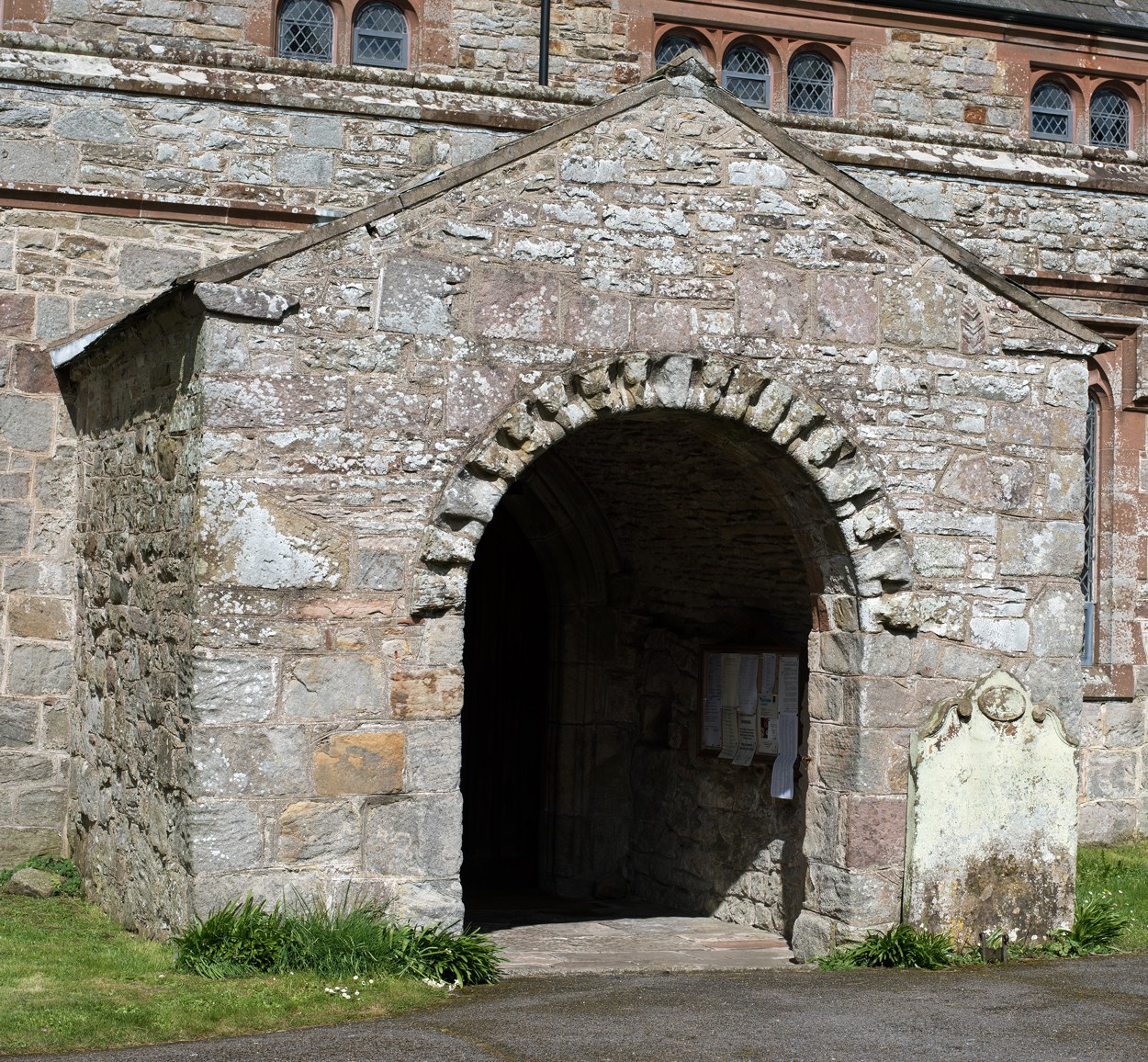
St Kentigern's Church
Also known as St Mungo's, the church has a Norman core and 12th-century origins; its churchyard contains the graves of John Peel and Mary Robinson.
- Visit length
- Editorial estimate: Allow around 40 minutes for the church and churchyard
- Locality
- Caldbeck village
- Access
- Check the official church page for current visitor access before setting out.
The Howk
A short village walk into a limestone gorge carved by the River Caldew, with the ruins of a Victorian bobbin mill in the gorge.
- Visit length
- Editorial estimate: Allow around 45 minutes
- Locality
- a short walk from Caldbeck village
Cumbria Way
The long-distance footpath passes through Caldbeck, offering a way to sample the quieter northern landscape on foot.
- Visit length
- Editorial estimate: Allow around 2 hours for a local out-and-back stretch
- Locality
- passing through Caldbeck
- Access
- Choose a section that suits conditions and check current rights-of-way notices before setting out.
Food & drink
1 place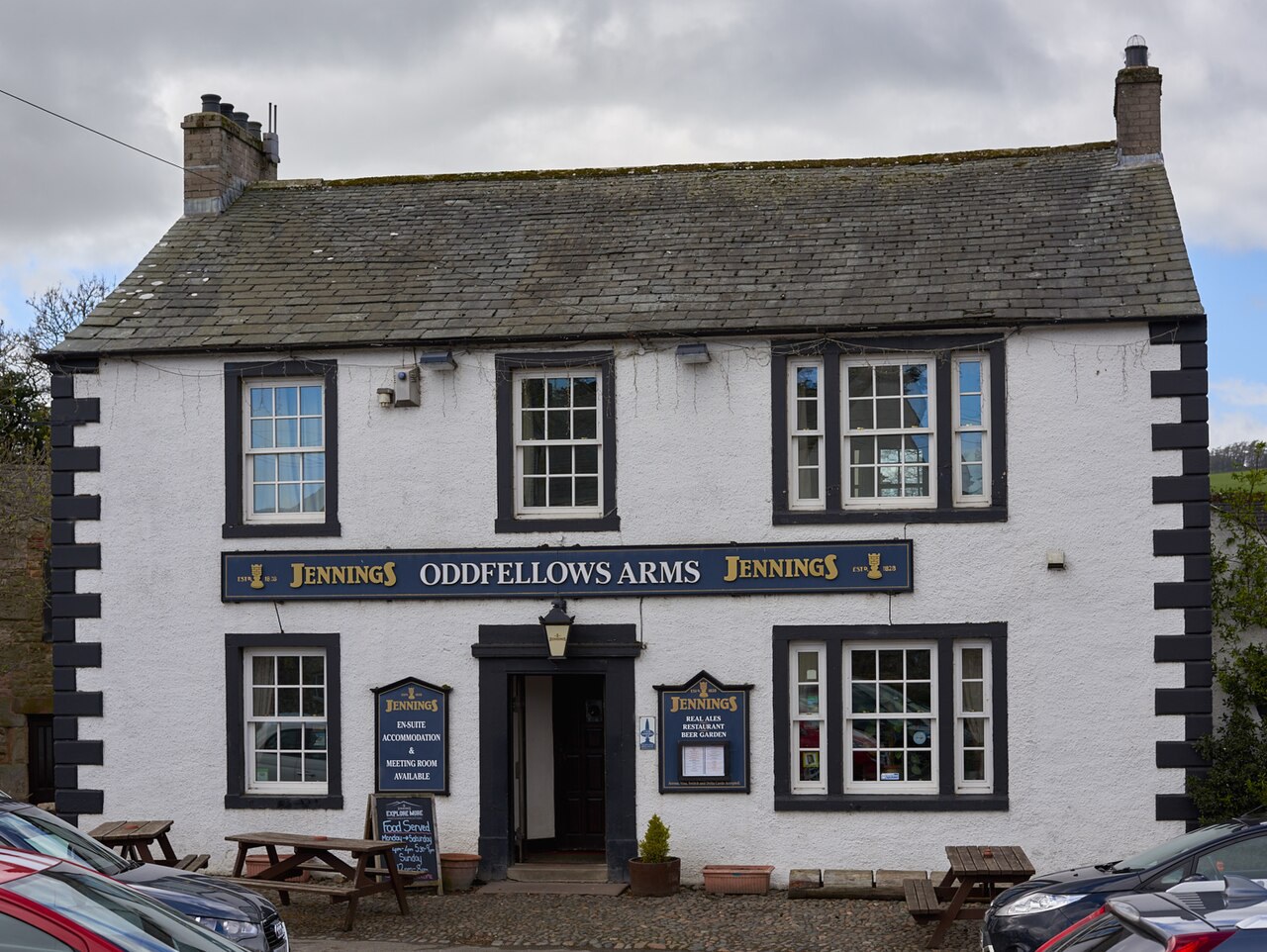
Oddfellows Arms
A traditional Lakeland inn with homemade classic and Mediterranean dishes, five real ales, a large gin choice, dog-friendly eating space and front and rear beer gardens.
- Visit length
- Editorial estimate: Allow around 90 minutes for a meal or drink
- Locality
- heart of Caldbeck village
History & heritage
1 placePriests Mill
A former corn mill that operated from 1702 to 1933 and now houses craft workshops, a café and a mining museum.
- Visit length
- Editorial estimate: Allow around 60 minutes
- Locality
- Caldbeck village
- Access
- Check current opening arrangements locally before relying on indoor access.
No places match this filter. Choose All places to reset the list.
Three ways to explore Caldbeck
Signature outings
Into the Howk
Walk from the village into the River Caldew's limestone gorge and find the Victorian bobbin-mill ruins.
Priests Mill
Explore the former corn mill and its craft workshops beside the river.
A northern-fells inn
Choose from five real ales and a wide gin selection at a traditional dog-friendly Lakeland inn.
The village story
Caldbeck: water, fells and remembered lives
The original Travel Fox story moves from the village inn and northern skyline through mills, church history and the determined road in.
Inn, river and northern fells
The Oddfellows Arms sits in the heart of the village and keeps 55-odd gins behind the bar, which is a lot of gin for somewhere this far from anywhere. Alongside them are five real ales, real fires in winter, and a menu the pub attributes to years of travelling: burgers, pasta, fish and chips, and a run of Mediterranean dishes, with vegetarian and gluten-free options throughout. It's a traditional Lakeland inn with rooms upstairs, and it won a 2023 LUX Life award for best dog-friendly pub. There's a dining room for people who'd rather eat without a dog nearby, and for people who arrived with one, the bar sells homemade dog treats under the name Doggy Deli. Front and rear beer gardens cover most weather.
Caldbeck is on the northern slopes of the Caldbeck Fells, at the very edge of the National Park, on what people who know the area call the quiet side. The River Caldew runs through it. The back of Skiddaw fills the skyline to the south, and the fells here — High Pike at 658 metres, Carrock Fell, Knott — are the rolling, empty kind that walkers mostly leave alone in favour of the busier valleys.
The Howk and Priests Mill
A short walk from Caldbeck village leads to the Howk, a limestone gorge cut by the river. The ruins of a Victorian bobbin mill sit down in the bottom of it. The Cumbria Way, which runs the length of the county, passes straight through.
The other thing to see is Priests Mill, a former corn mill that ground grain from 1702 until 1933. A rector of Caldbeck built it, and its waterwheel is described in various places as 42 feet across, one of the largest in England. It now holds craft workshops, a café, and a mining museum.
Water power and St Kentigern
The mill was not the only one. At different times the beck powered mills for fulling, corn-grinding, bobbin-making, flax-milling, paper-making and brewing. A village that once ran on water is now a quiet agricultural one, which is the usual direction these things go.
The church is St Kentigern's, also called St Mungo's, with a Norman core and twelfth-century origins.
John Peel, Mary Robinson and the cold stream
Two of the graves in the churchyard are worth finding. One belongs to John Peel, the huntsman who followed the Blencathra Foxhounds across these fells for 55 years and became the subject of "D'ye ken John Peel?", written by his friend John Woodcock Graves in 1829 and later set to a Lakeland tune. His grave is marked with hunting symbols. The other belongs to Mary Robinson, the Maid of Buttermere, who married a local farmer in 1807 and is buried here.
The name comes from the Old Norse keld bekk — cold stream.
The road to Caldbeck
There is no railway and no regular bus, which is part of the point of the place. You reach it by car: the B5299 from Carlisle, about 15 miles, or the Back o'Skidda road from Keswick, roughly 14 miles and single-track in stretches. Either way, you have to want to come, and the fells behind the village are quieter for it.
Stay around Lake District
Make a longer stay of it
Travel Fox holiday homes around Lake District, linked directly to their property pages.
For homeowners
Own a holiday home near Caldbeck?
We manage holiday lets across the Lake District from 12% commission, charged after cleaning costs, with no lock-in. A co-founder visits before you decide.
Holiday let management in the Lake District →
A guide with a point of view
Written from research. Edited for real journeys.
Use the Official site links for live practical details, then use this guide for context, ideas and room to explore.
Photography credits & licences
Third-party photographs are credited to their named creators and reused under the linked Creative Commons licence or public-domain dedication. Travel Fox stores an optimised local copy; the file-specific changes and any browser-applied display crop are disclosed below. Reused photographs link both to the Wikimedia Commons source record and to the declared source image; Travel Fox's own photographs carry no such record and are marked as ours. These image licences do not cover Travel Fox text, branding or page design.
- File:St Kentigern's Church, Caldbeck - April 2017 (2) - geograph.org.uk - 5371594.jpg — photograph by The Carlisle Kid; St Kentigern's Church, Caldbeck - April 2017 (2) by The Carlisle Kid. Source record on Wikimedia Commons. Declared source image. Licence: CC BY-SA 2.0. File changes: Downloaded from Wikimedia Commons, resized to a maximum 1920px edge and encoded as an optimised JPEG. Display changes: Displayed with responsive CSS cropping.
- File:Oddfellows Arms, Caldbeck - April 2017 (1) - geograph.org.uk - 5347089.jpg — photograph by The Carlisle Kid; Oddfellows Arms, Caldbeck - April 2017 (1) by The Carlisle Kid. Source record on Wikimedia Commons. Declared source image. Licence: CC BY-SA 2.0. File changes: Downloaded from Wikimedia Commons, resized to a maximum 1920px edge and encoded as an optimised JPEG. Display changes: Displayed with responsive CSS cropping.
Sources
Every place on this page is checked against a published source. Each entry links the record we used and names who publishes it.
- Oddfellows Arms — oddfellows-caldbeck.co.uk operator, sector body or destination organisation
- St Kentigern's Church — achurchnearyou.com national body or asset manager
- The Howk — lakedistrict.gov.uk statutory register or public authority
- Priests Mill — caldbeckvillage.co.uk other published source
- Cumbria Way — cumberland.gov.uk statutory register or public authority