
West Cumbrian character
Egremont
A market town of Norman ruins, iron-ore memory and a famously eccentric September fair, just beyond the Lake District boundary.
- Best for
- Castle ruins, local history and a separate St Bees Head outing
- Give it
- Half a day in town or longer with St Bees Head
- Don't miss
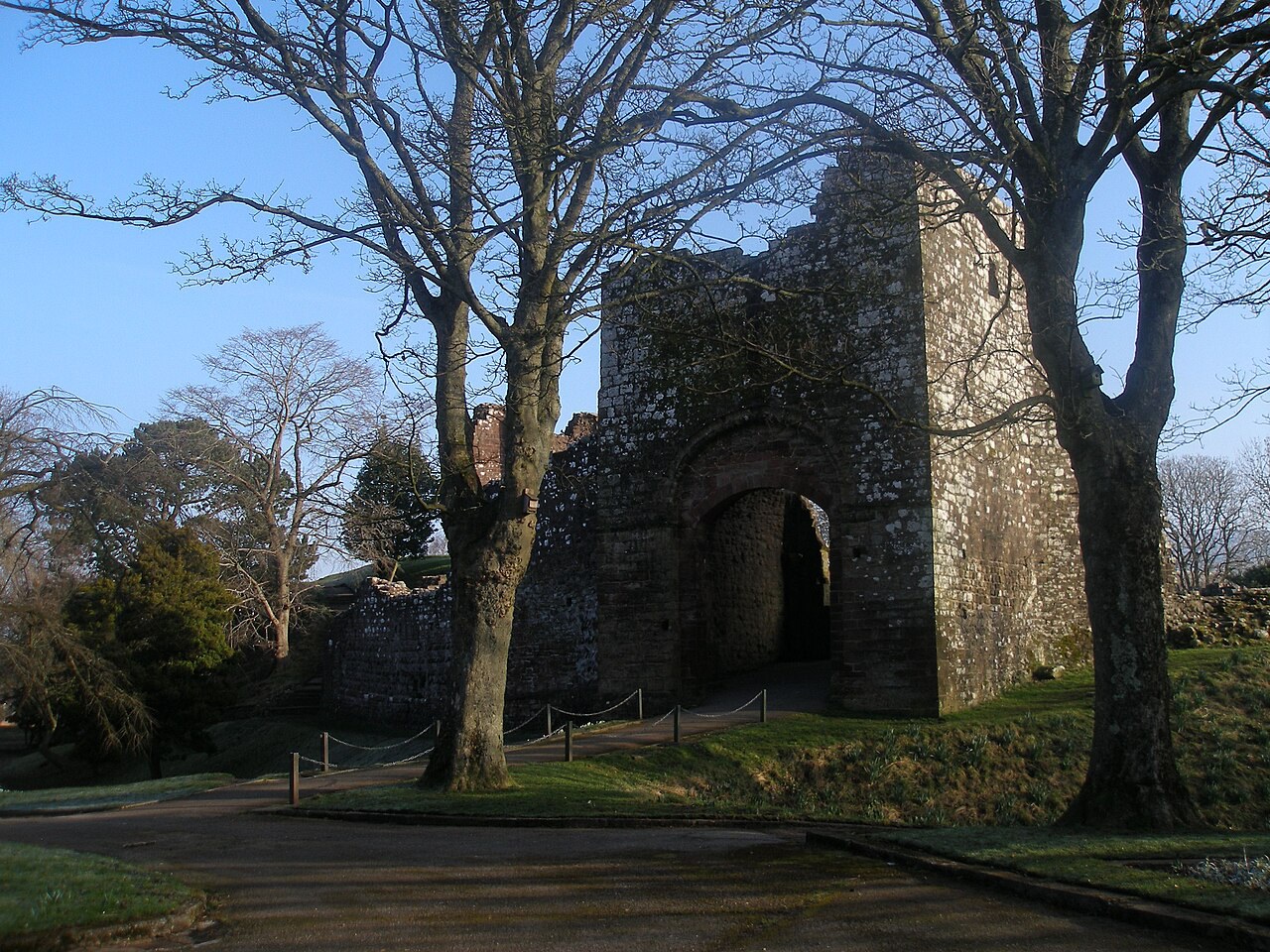
- The red-sandstone castle ruins
Photo: John Slater · CC BY-SA 2.0 · cropped
The Fox verdict
A working market town with a singular sense of place
Egremont pairs Norman castle ruins and a Victorian-rebuilt church with Main Street pub life and centuries-old fair traditions.
Explore the castle grounds, then follow Egremont's story through its medieval-rooted church and the Kings Arms on Main Street. The River Ehen and west Cumbrian landscape frame the town; St Bees Head, north-west of Egremont, makes a separate coastal outing.
Where to go
Places in Egremont
Every place below is checked against a published source, listed with what it is and how long to give it.
Local signatures
3 places
Start here
Egremont Castle
A red-sandstone Norman castle begun around 1120 by William de Meschines, with surviving gatehouse masonry above the River Ehen.
- Visit length
- Editorial estimate: Allow around 45 minutes
- Locality
- town centre
- Access
- The mapped approach is from Bookwell Road. Its perimeter route is pram accessible; the route through the ruins has steps and uneven ground.
St Mary and St Michael's Church
A church of medieval origin, largely rebuilt in the nineteenth century.
- Visit length
- Editorial estimate: Allow around 30 minutes
- Locality
- Egremont
St Bees Head RSPB Reserve
A cliff-top reserve between St Bees and Whitehaven, with viewpoints over a seabird colony.
- Visit length
- Editorial estimate: Allow around 120 minutes
- Locality
- St Bees Head
- Access
- The public path from St Bees shore car park to Fleswick Bay is shut after landslips; other reserve trails are steep and uneven.
Food & drink
1 placeKings Arms
A long-established community pub with a main bar, snug and games room, refurbished and reopened in 2025.
- Visit length
- Editorial estimate: Allow around 60 minutes
- Locality
- Main Street
- Access
- Drinks are the focus here.
History & heritage
1 placeEgremont Crab Fair
A fair dating to 1267, linked to a tradition of giving away crab apples and now best known for the World Gurning Championships.
- Visit length
- Editorial estimate: Allow around 150 minutes
- Locality
- Egremont
- Access
- An annual September event with a published programme.
No places match this filter. Choose All places to reset the list.
Three ways to explore Egremont
Signature outings
Stand inside the castle
Follow the Bookwell Road approach to the castle grounds, then look for the surviving west gateway and its herringbone masonry.
Call in at the Kings Arms
Pause at the Kings Arms for its front or rear beer-garden seating, or head inside for darts and pool.
See the gurners
Visit the September Crab Fair to see competitors frame their most contorted faces through a horse collar.
The town story
Egremont: Castle and Crab Fair
A west Cumbrian market town shaped by red sandstone, iron ore, Main Street trade and a fair with an eccentric world championship.
Castle and Coastal-Plain Town
Egremont Castle rises above the River Ehen near the southern end of Main Street. Its first Norman structure dates to the early twelfth century, and later builders added stone walls and a gateway. Robert the Bruce's invasion reached Egremont in 1322, leaving the town further damaged. The surviving ruins include the west gateway, where herringbone masonry is still visible. A mapped approach leads from Bookwell Road; the perimeter route is pram accessible, while exploring the ruins involves steps and uneven ground.
Main Street is the spine of the town. Egremont sits between the St Bees Heritage Coast and the western edge of the Lake District National Park, and the River Ehen runs through it. Egremont's market-town history reaches back to a thirteenth-century charter.
A Main Street Built on Trade
The Kings Arms reopened in 2025 after a major refurbishment. The Main Street pub focuses on drinks and has a main bar, snug and games room. There are beer-garden seats at the front and back, plus darts and pool inside.
Henry III granted Egremont a charter for a weekly market and an annual fair in 1267.
Coast Paths and Iron Ore
St Bees Head is a separate coastal outing north-west of Egremont, with approaches from St Bees, Sandwith, Whitehaven and Kells. The public path from St Bees shore car park to Fleswick Bay is shut after landslips; other reserve trails are steep and uneven.
The industry that built the modern town has mostly gone. West Cumbria sits on haematite — a dense red iron ore — and Egremont grew on mining it, alongside dyeing and weaving.
Church and Connections
St Mary and St Michael's Church is medieval in origin but largely rebuilt in the nineteenth century, so what you see is mostly Victorian work on old foundations.
Egremont has no railway station. St Bees is the nearest station with a regular stop; the final leg into town needs a separate journey. Bus routes 22 and 30 serve Egremont.
The Crab Fair Tradition
The Crab Fair gives Egremont its most distinctive tradition. First held in 1267, it takes its name from the tradition of a lord giving crab apples to townspeople. The modern fair brings an apple-cart parade and the World Gurning Championships, where competitors frame their contorted faces through a horse collar.
Stay around Lake District
Make a longer stay of it
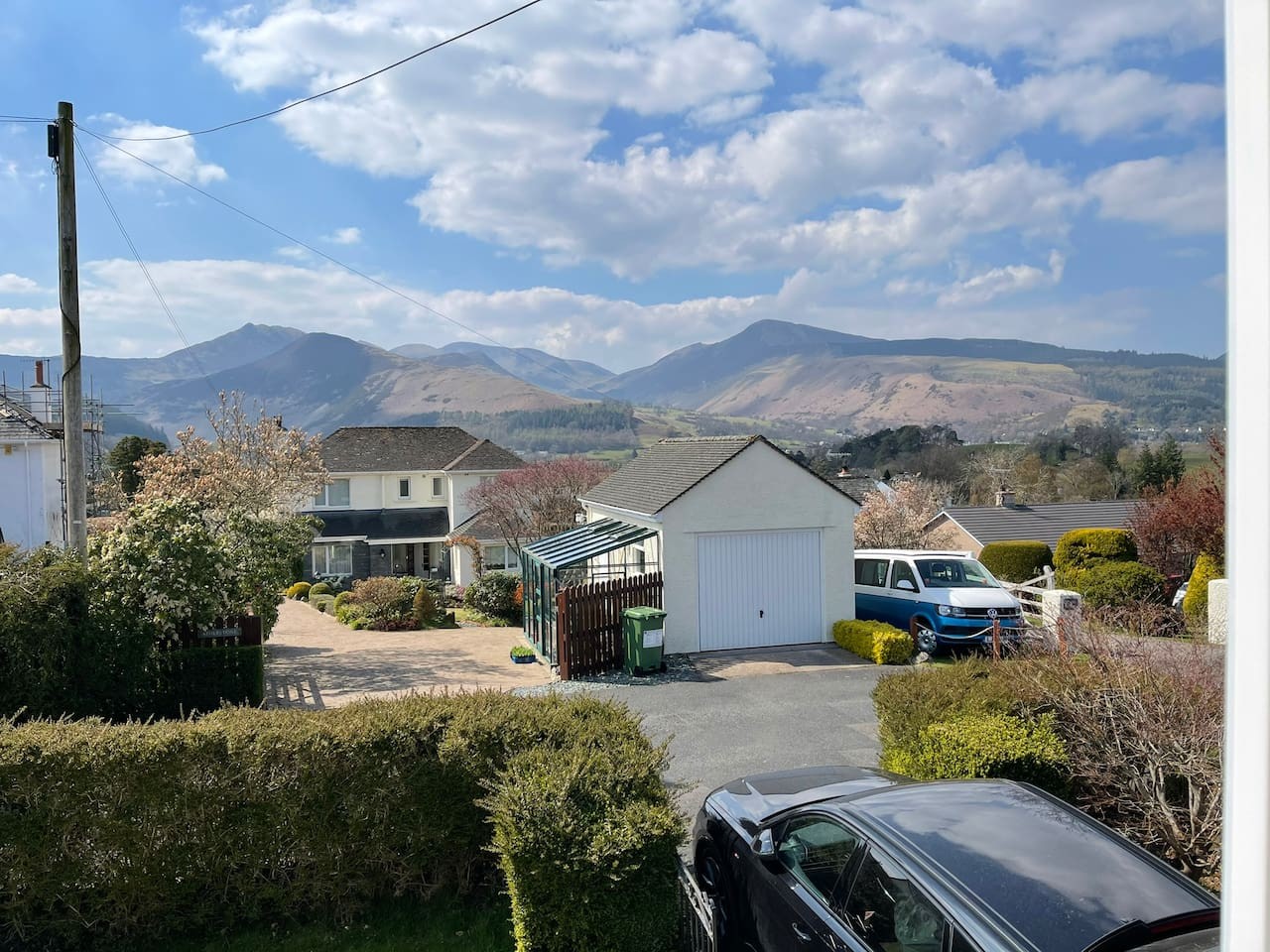
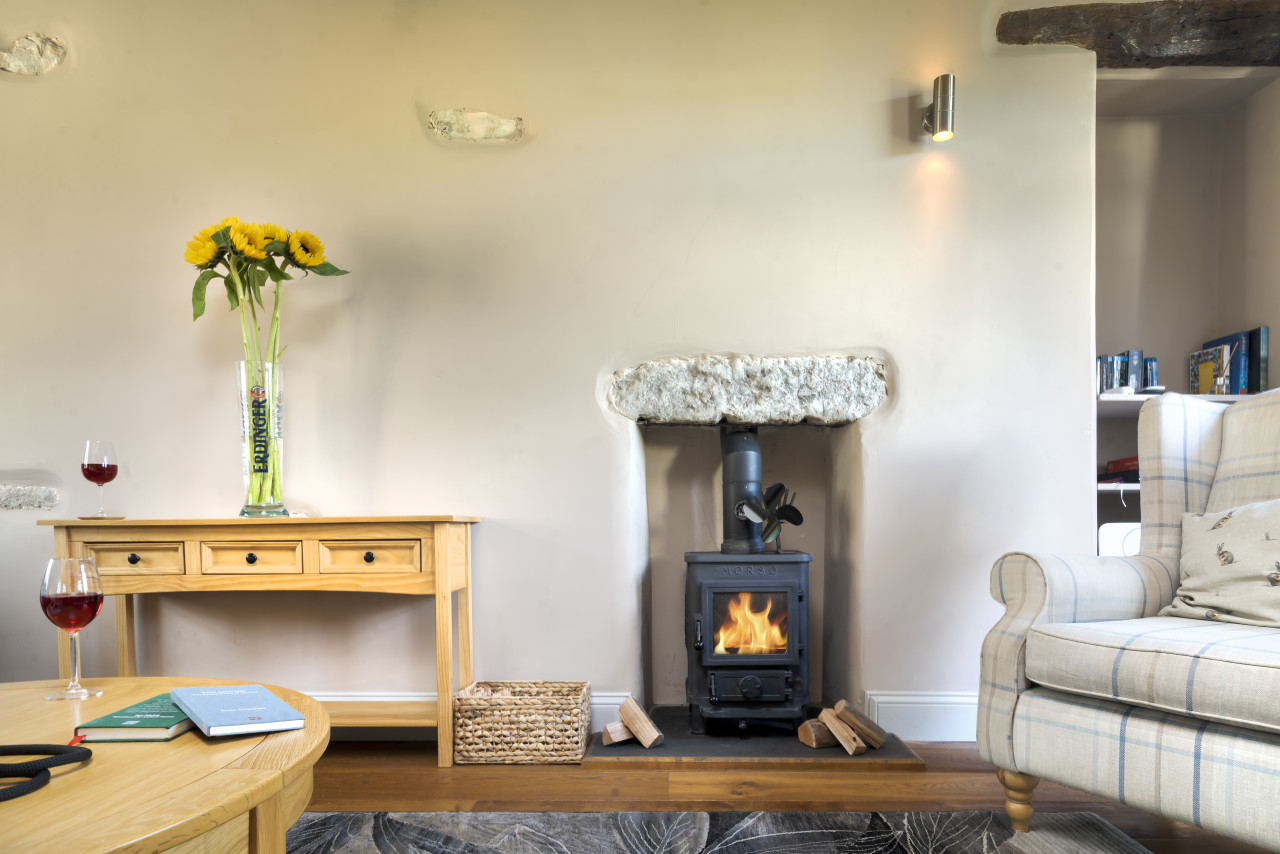
Travel Fox holiday homes around Lake District, linked directly to their property pages.
For homeowners
Own a holiday home near Egremont?
We manage holiday lets across the Lake District from 12% commission, charged after cleaning costs, with no lock-in. A co-founder visits before you decide.
Holiday let management in the Lake District →
A guide with a point of view
Written from research. Edited for real journeys.
Use the Official site links for live practical details, then use this guide for context, ideas and room to explore.
Photography credits & licences
Third-party photographs are credited to their named creators and reused under the linked Creative Commons licence or public-domain dedication. Travel Fox stores an optimised local copy; the file-specific changes and any browser-applied display crop are disclosed below. Reused photographs link both to the Wikimedia Commons source record and to the declared source image; Travel Fox's own photographs carry no such record and are marked as ours. These image licences do not cover Travel Fox text, branding or page design.
- File:Egremont Castle - geograph.org.uk - 2778922.jpg — photograph by John Slater; Egremont Castle by John Slater. Source record on Wikimedia Commons. Declared source image. Licence: CC BY-SA 2.0. File changes: Downloaded from Wikimedia Commons, resized to a maximum 1920px edge and encoded as an optimised JPEG. Display changes: Displayed with responsive CSS cropping.
Sources
Every place on this page is checked against a published source. Each entry links the record we used and names who publishes it.
- Egremont Castle — historicengland.org.uk statutory register or public authority record not machine-readable; publisher restricts automated access
- Kings Arms — admiraltaverns.co.uk other published source
- St Mary and St Michael's Church — carlislediocese.org.uk national body or asset manager
- Egremont Crab Fair — egremontcrabfair.com operator, sector body or destination organisation
- St Bees Head RSPB Reserve — rspb.org.uk national body or asset manager