
At the valley narrows
Grange-in-Borrowdale
A Borrowdale village where the River Derwent, a double-arched bridge, a Victorian church and steep fells meet.
- Best for
- Fell walks, river views and valley drama
- Give it
- A half-day on foot
- Don't miss
- The double-arched bridge over the Derwent
Photo: David Purchase · CC BY-SA 2.0 · cropped
The Fox verdict
The village at the mouth of the Jaws
Come for the photographed bridge; stay for short, steep fell walking and a route onto Derwentwater's south shore.
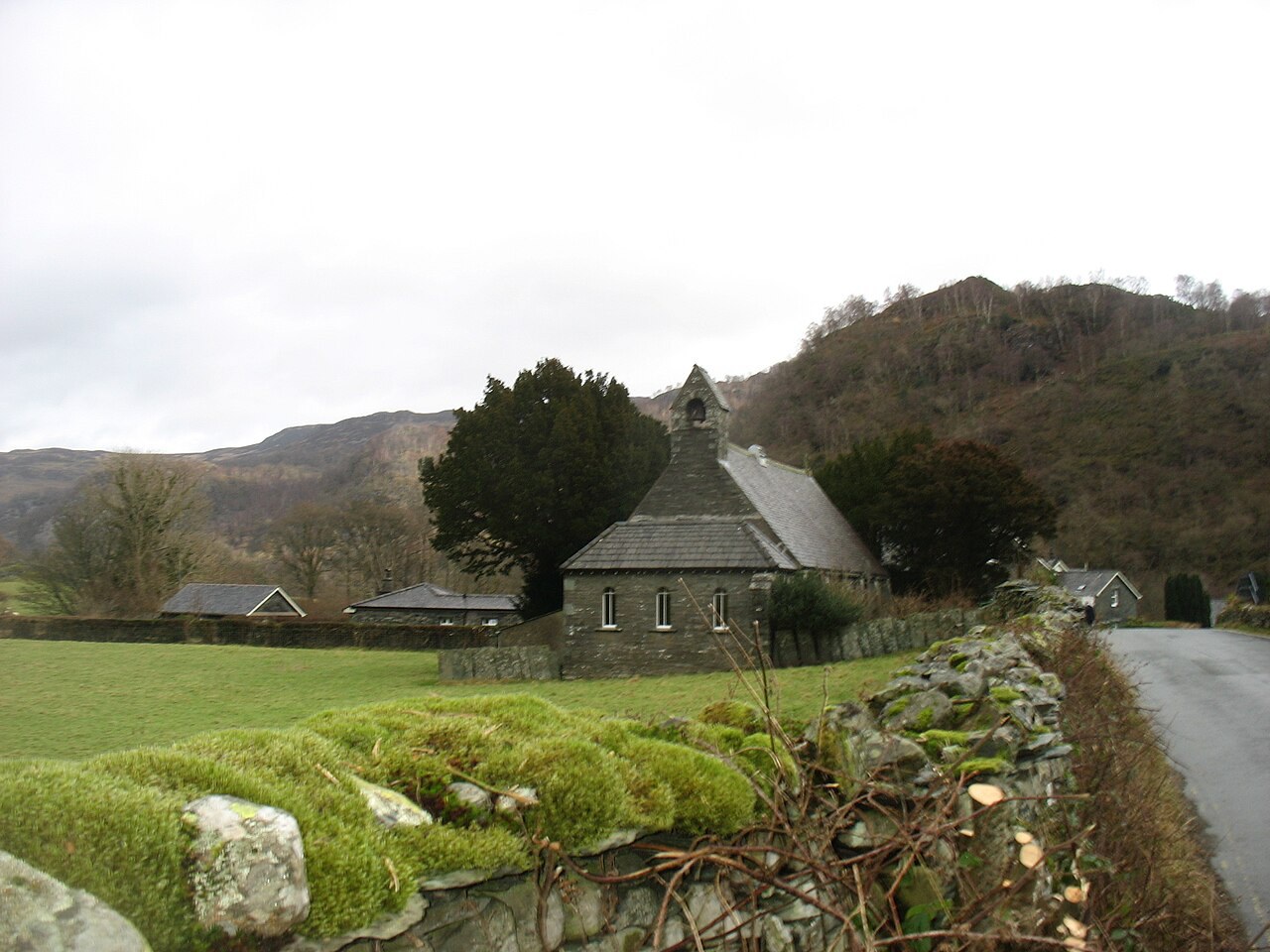
Grange-in-Borrowdale sits beside the River Derwent, with Grange Fell rising above and the double-arched bridge as its historic landmark. The fell rises to 415 metres at Brund Fell. Holy Trinity Church dates from the mid nineteenth century; the village's Methodist history includes a chapel built nearby in 1878.
Where to go
Places in Grange-in-Borrowdale
Every place below is checked against a published source, listed with what it is and how long to give it.
Local signatures
3 placesBorrowdale Gates Hotel
The village's hotel offers dining and a bar; check current food and drink access with the hotel before visiting.
- Visit length
- Editorial estimate: Planning allowance: around 90 minutes
- Locality
- in Grange-in-Borrowdale
- Access
- This is a hotel rather than a pub; non-residents should check food and drink access before travel.
Holy Trinity Church, Grange-in-Borrowdale
A small Victorian church in Grange-in-Borrowdale, built in the mid nineteenth century.
- Visit length
- Editorial estimate: Planning allowance: around 30 minutes
- Locality
- in Grange village
Grange Fell
The fell above Grange rises to 415 metres at Brund Fell and is especially noted for its autumn colours.
- Visit length
- Editorial estimate: Planning allowance: around 3 hours
- Locality
- on the fell southeast of Grange-in-Borrowdale
Walks & outdoors
1 placeCastle Crag
A short but steep 290-metre fell with panoramic views up and down Borrowdale, and the lowest of Wainwright's Lakeland Fells.
- Visit length
- Editorial estimate: allow around two hours
- Locality
- on the fell south of Grange-in-Borrowdale
History & heritage
1 placeGrange Bridge
The distinctive double-arched stone roadbridge crosses the River Derwent; the listed structure was rebuilt in the early nineteenth century.
- Visit length
- Editorial estimate: Planning allowance: around 20 minutes
- Locality
- over the River Derwent
No places match this filter. Choose All places to reset the list.
Three ways to explore Grange-in-Borrowdale
Signature outings
Two arches over the Derwent
Walk across the distinctive stone bridge and look back at its two arches over the River Derwent.
Holy Trinity in Grange
Pause by the small Victorian church, built in the mid nineteenth century.
Castle Crag views
Take the short, steep climb to the 290-metre fell for panoramic views up and down Borrowdale.
The village story
Between the Arches and the Fells
A river crossing opens into fell walks, monastic roots and the route through the Borrowdale valley.
The Bridge at the Jaws
The double-arched stone bridge at Grange is one of Borrowdale’s most photographed landmarks. The listed roadbridge was rebuilt in the early nineteenth century. It carries a lane over the River Derwent in two stone spans, and on most days of the year someone is pointing a camera at it.
The village sits at the entrance to the Jaws of Borrowdale, the point where the valley pinches tight between Castle Crag on one side and Grange Fell on the other. It is a dramatic bit of geography, and Grange is planted right in the middle of it, four miles south of Keswick at the bottom end of Derwentwater.
The Church and Hotel
Grange has a strong Methodist history, and a chapel went up nearby in 1878. Borrowdale Gates Hotel offers food and drink; check access for non-residents with the hotel before visiting.
Holy Trinity Church is a small Victorian building dating from the mid nineteenth century.
Fells Above, Shorepath Below
The walking is the reason most people come. Castle Crag is the obvious one: 290 metres, short and steep, and the lowest of Wainwright's Lakeland Fells — which has not stopped it from being counted among the finest viewpoints of the lot. From the top you get Borrowdale laid out in both directions.
Grange Fell rises above the village to 415 metres at Brund Fell, and it is worth timing for autumn, when the colours come out. Lower down, the south shore of Derwentwater is reached from the village, and the shorepath will take you all the way back to Keswick if you have the legs for it.
How the Grange Gave Its Name
The village owes its name to a farm. In 1209, Alice de Rumelli sold the Borrowdale estates to the monks of Furness Abbey, who cleared the land and set up an outlying grange — a monastic farm — and the hamlet that grew around it took the name. The monks grew oats, barley and rye, made charcoal, and concentrated mostly on wool. The word "grange" simply stuck.
Borrowdale itself means the valley of the fort, and it is widely reckoned the most beautiful valley in the Lake District, which is a competitive field.
The Road In and the River Through
There is no railway. The Borrowdale Rambler, buses 78 and 79, runs seasonally between Keswick and Seatoller and stops at Grange, but it is not a year-round service. Otherwise, take the B5289 south from Keswick into the valley, then the lane across Grange Bridge into the village.
On a clear morning the Derwent runs shallow and loud under the two arches, and the fells close in on either side, and the whole place feels smaller and quieter than the number of cameras pointed at the bridge would suggest.
Stay around Lake District
Make a longer stay of it
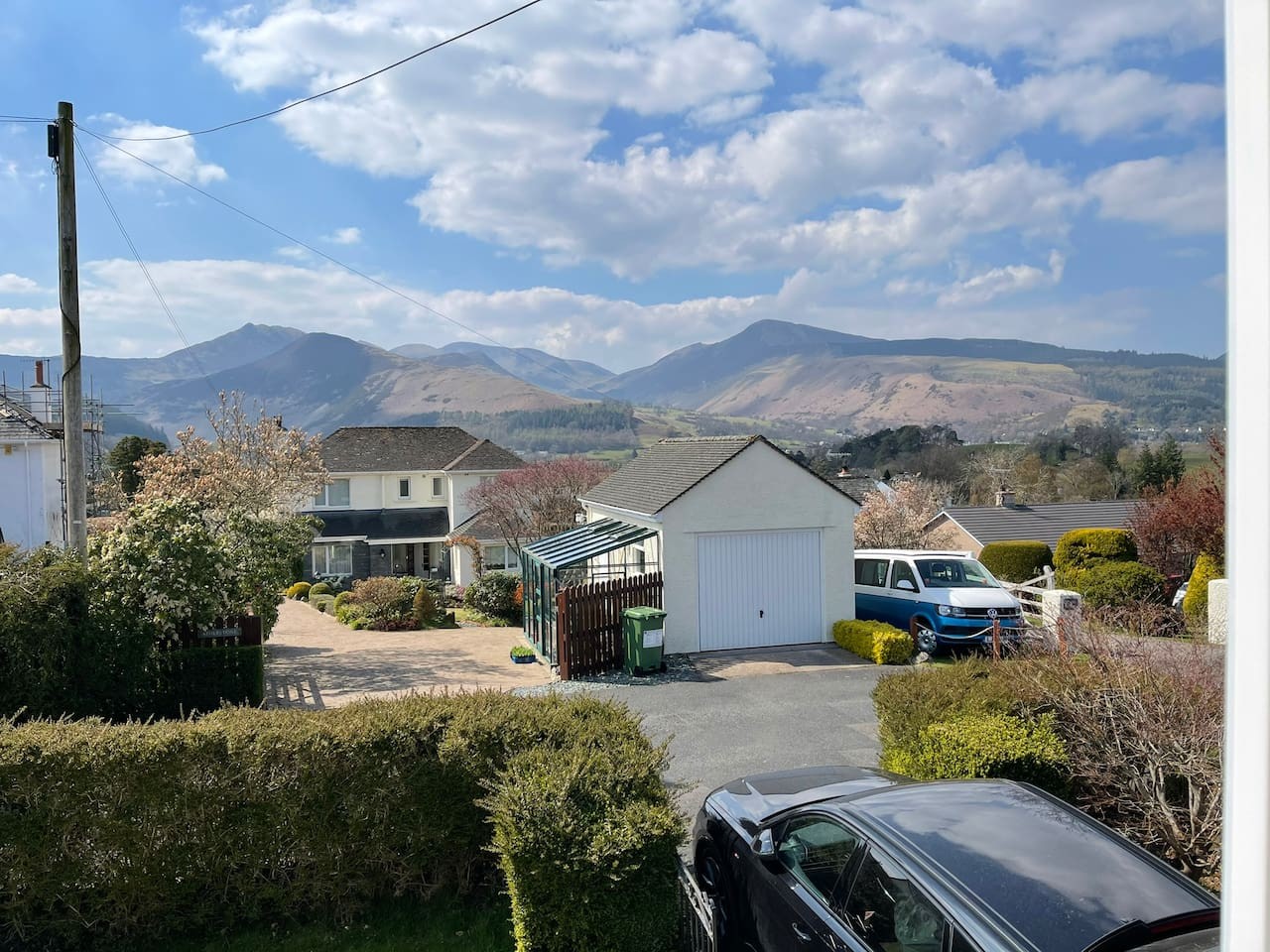
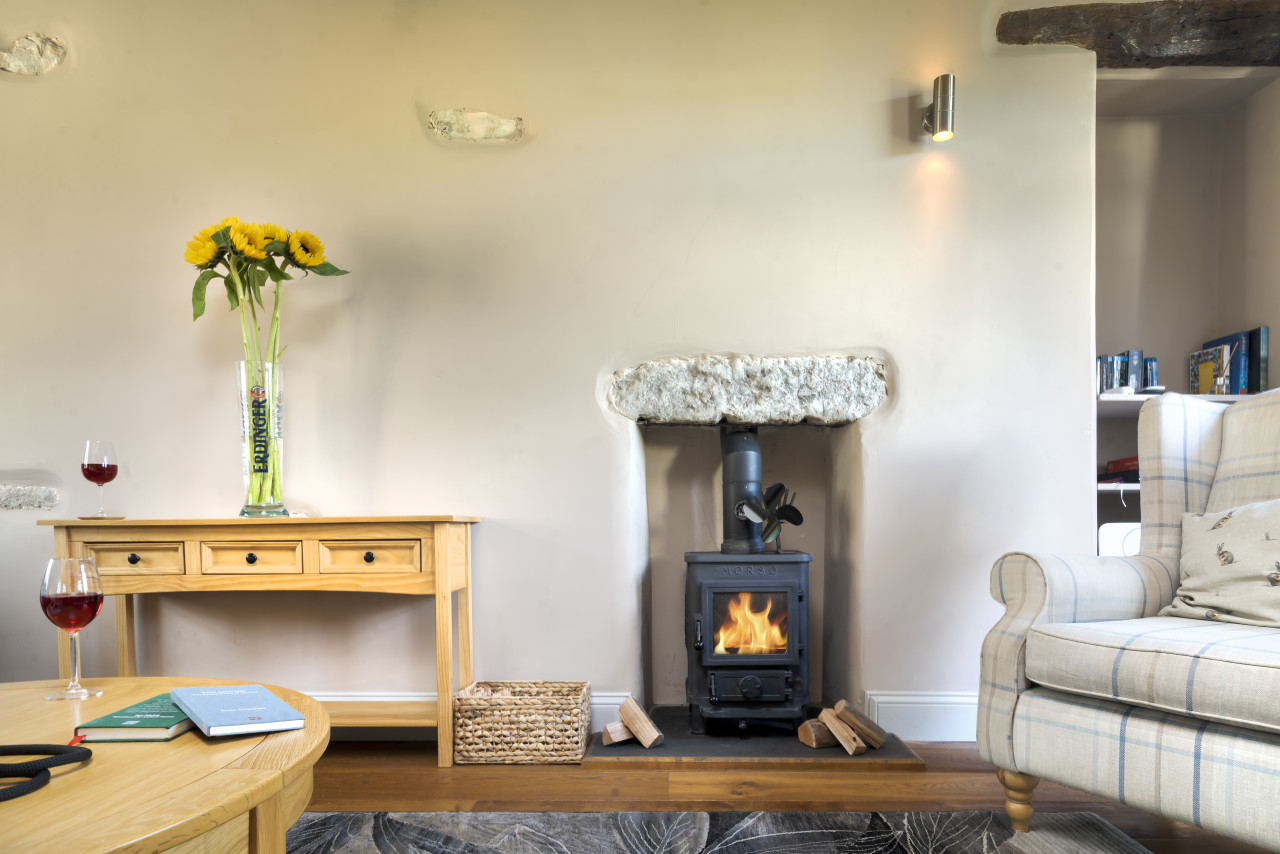
Travel Fox holiday homes around Lake District, linked directly to their property pages.
For homeowners
Own a holiday home near Grange-in-Borrowdale?
We manage holiday lets across the Lake District from 12% commission, charged after cleaning costs, with no lock-in. A co-founder visits before you decide.
Holiday let management in the Lake District →
A guide with a point of view
Written from research. Edited for real journeys.
Use the Official site links for live practical details, then use this guide for context, ideas and room to explore.
Photography credits & licences
Third-party photographs are credited to their named creators and reused under the linked Creative Commons licence or public-domain dedication. Travel Fox stores an optimised local copy; the file-specific changes and any browser-applied display crop are disclosed below. Reused photographs link both to the Wikimedia Commons source record and to the declared source image; Travel Fox's own photographs carry no such record and are marked as ours. These image licences do not cover Travel Fox text, branding or page design.
- File:Holy Trinity Church, Grange-in-Borrowdale - geograph.org.uk - 6713306.jpg — photograph by David Purchase; Holy Trinity Church, Grange-in-Borrowdale by David Purchase. Source record on Wikimedia Commons. Declared source image. Licence: CC BY-SA 2.0. File changes: Downloaded from Wikimedia Commons, resized to a maximum 1920px edge and encoded as an optimised JPEG. Display changes: Displayed with responsive CSS cropping.
Sources
Every place on this page is checked against a published source. Each entry links the record we used and names who publishes it.
- Grange Bridge — historicengland.org.uk statutory register or public authority record not machine-readable; publisher restricts automated access
- Borrowdale Gates Hotel — borrowdale-gates.com operator, sector body or destination organisation
- Castle Crag — nationaltrust.org.uk national body or asset manager
- Holy Trinity Church, Grange-in-Borrowdale — achurchnearyou.com national body or asset manager
- Grange Fell — ramblers.org.uk operator, sector body or destination organisation record not machine-readable; publisher restricts automated access