
Lake, inn and fells
Loweswater
A remote western Lakeland valley where a Tudor inn, an isolated church and walks from shore to fell set the pace.
- Best for
- Quiet lakeside walking
- Give it
- A walk and an inn meal
- Don't miss
- A meal at the historic Kirkstile Inn
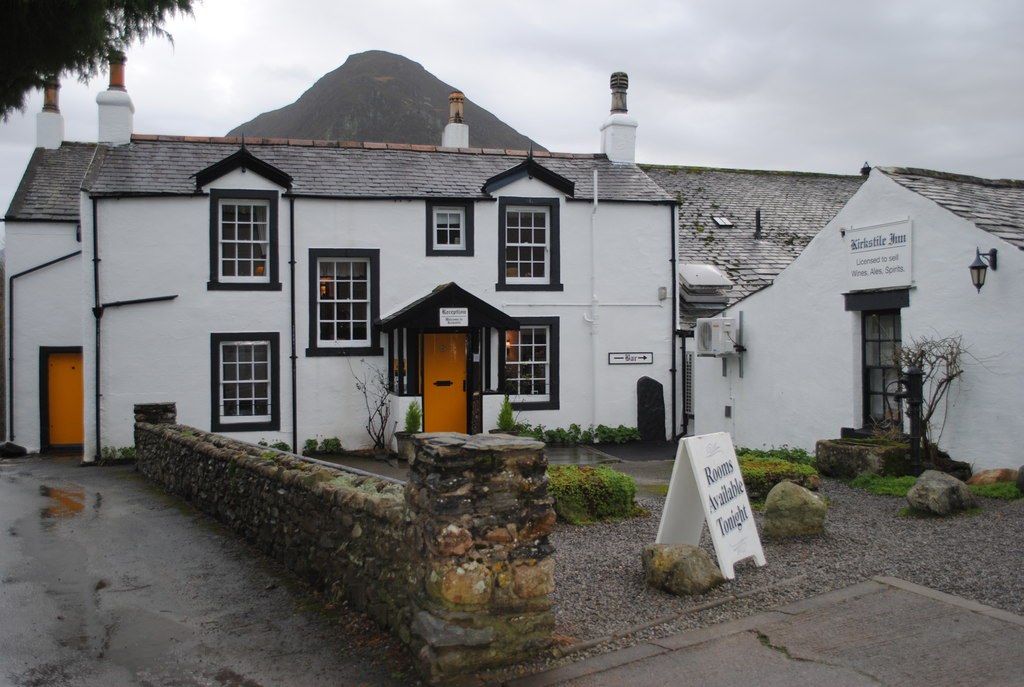
Photo: Adie Jackson · CC BY-SA 2.0 · cropped
The Fox verdict
Come for the quiet, stay for the inn
This western valley works best as a simple pairing of open country and a meal at the Kirkstile.
The appeal is concentrated rather than crowded: lakeside paths, the western fells, a solitary church and seasonal cooking at the valley's historic inn. With no shop, railway or through road, this is a place to arrive prepared and then slow down.
Where to go
Places in Loweswater
Every place below is checked against a published source, listed with what it is and how long to give it.
Local signatures
3 places
Start here
The Kirkstile Inn
A Tudor-era Lakeland inn serving locally rooted cooking, with a beer garden and strong ties to Cumbrian brewing.
- Visit length
- Editorial estimate: Allow around 90 minutes for a meal
- Locality
- Loweswater village
Carling Knott
A fell above Loweswater with broad views across the western landscape.
- Visit length
- Editorial estimate: Allow around 3 hours for the ascent
- Locality
- Carling Knott, above Loweswater
Crummock Water
A lake south-east of Loweswater village, with lakeside routes from Lanthwaite Wood and views towards Grasmoor.
- Visit length
- Editorial estimate: Allow around 30 minutes for a short visit
- Locality
- Crummock Water, south-east of Loweswater
Walks & outdoors
1 placeGrasmoor
An 852-metre fell forming part of the high skyline beyond Crummock Water.
- Visit length
- Editorial estimate: Allow around 5 hours 30 minutes for the fell route
- Locality
- Grasmoor, beyond Crummock Water
History & heritage
1 placeSt Bartholomew's Church, Loweswater
A nineteenth-century rebuilding with earlier origins, distinguished by its peaceful, isolated valley setting.
- Visit length
- Editorial estimate: Allow around 30 minutes for a quiet church stop
- Locality
- Loweswater village
No places match this filter. Choose All places to reset the list.
Three ways to explore Loweswater
Signature outings
A pint at the Kirkstile
Settle into the Tudor-era Kirkstile for locally rooted cooking and a pint in the historic inn.
The valley's quiet church
Find St Bartholomew's in its peaceful, isolated valley setting.
Grasmoor above Crummock Water
Grasmoor rises beyond Crummock Water as part of the high-fell skyline.
The village story
A Quiet Western Valley Guide
An inn, a church and a lake at the quiet western edge of the Lake District.
A Tudor Inn and Its Gold
The dining room at the Kirkstile Inn dates to 1549, which is old even by the standards of Lakeland pubs. The inn itself has stood here since Tudor times, at the foot of the valley between two lakes, and it is more or less the whole of Loweswater's public life. There is no shop. There is no railway. There is the inn, the church, the water, and the fells.
Six chefs work the kitchen, which is a lot of chefs for somewhere this remote. The menu changes with the season and leans on local produce: Lakeland steak and ale pie with ale jus and homemade chips or mash, slow-cooked lamb shoulder, Cumbrian chicken, fresh fish off the daily specials board, and wild mushroom and quinoa patties for anyone who wants them. Sticky toffee pudding and a chocolate and raspberry brownie see out the meal. Lunch runs noon to two, snacks fill the gap until half four, and dinner is six to nine.
On tap you'll find Loweswater Gold, which was invented in this building. Cumbrian Legendary Ales started at the Kirkstile before the brewery moved off near Hawkshead. The beer kept the name of the place it came from, and it is still what you order here.
Rooms, Garden and the Quiet Church
There are nine en-suite rooms upstairs and a beer garden out front, which on a clear day looks straight up at Mellbreak.
St Bartholomew's is the church, rebuilt in the nineteenth century on older foundations. It sits by itself between Loweswater and Crummock Water, and its main quality is quiet.
Walking the Lake and Fells
Walking routes lead out through the valley. Loweswater has a lakeside route through Holme Wood, one of the quieter walks in the western fells. If you want height, Carling Knott rises above the lake, and Grasmoor at 852 metres stands beyond Crummock Water. Mellbreak, at 515 metres, closes off the other side of the valley.
Loweswater itself is a mile long and does something no one expects a lake to do. It drains inward — west to east, toward Crummock Water and eventually Derwentwater, rather than out toward the sea. It is one of only two lakes in the district that runs the wrong way.
The Road to Somewhere Quiet
This is the western edge of the Lake District, the corner people mean when they say they've found somewhere quiet. Loweswater is the most remote and least visited of the lakes, which is partly geography and partly the road, which comes in from Cockermouth via Lorton on the B5289 and B5292 and then stops. There is no through route. You arrive at Loweswater because you meant to.
There's no station and the bus is the kind you don't plan around, so you'll want a car. Once you've parked it, paths lead from the village towards the lakes. The inn and church are in Loweswater itself; the lake lies farther west along the valley.
Stay around Lake District
Make a longer stay of it
Travel Fox holiday homes around Lake District, linked directly to their property pages.
For homeowners
Own a holiday home near Loweswater?
We manage holiday lets across the Lake District from 12% commission, charged after cleaning costs, with no lock-in. A co-founder visits before you decide.
Holiday let management in the Lake District →
A guide with a point of view
Written from research. Edited for real journeys.
Use the Official site links for live practical details, then use this guide for context, ideas and room to explore.
Photography credits & licences
Third-party photographs are credited to their named creators and reused under the linked Creative Commons licence or public-domain dedication. Travel Fox stores an optimised local copy; the file-specific changes and any browser-applied display crop are disclosed below. Reused photographs link both to the Wikimedia Commons source record and to the declared source image; Travel Fox's own photographs carry no such record and are marked as ours. These image licences do not cover Travel Fox text, branding or page design.
- File:Kirkstile Inn at Loweswater - geograph.org.uk - 6027926.jpg — photograph by Adie Jackson; Kirkstile Inn at Loweswater by Adie Jackson. Source record on Wikimedia Commons. Declared source image. Licence: CC BY-SA 2.0. File changes: Downloaded from Wikimedia Commons, resized to a maximum 1920px edge and encoded as an optimised JPEG. Display changes: Displayed with responsive CSS cropping.
Sources
Every place on this page is checked against a published source. Each entry links the record we used and names who publishes it.
- The Kirkstile Inn — kirkstile.com operator, sector body or destination organisation
- St Bartholomew's Church, Loweswater — achurchnearyou.com national body or asset manager
- Carling Knott — historicengland.org.uk statutory register or public authority record not machine-readable; publisher restricts automated access
- Grasmoor — visitlakedistrict.com operator, sector body or destination organisation
- Crummock Water — lakedistrict.gov.uk statutory register or public authority