
Northern fells, quieter paths
Mungrisdale
A remote hamlet in the Glenderamackin valley, with quieter fell walks and a village inn.
- Best for
- Quiet fell walks and valley scenery
- Give it
- A walking day with time for the inn
- Don’t miss
- The Glenderamackin valley walk
Photo: David Purchase · CC BY-SA 2.0 · cropped
The Fox verdict
Come for the paths, not a village checklist
Mungrisdale is a remote base for a quiet approach to the Northern Lake District fells.
Blencathra supplies a substantial fell day and the Glenderamackin valley a quieter walk. St Kentigern’s Church adds a medieval thread, while the Mill Inn is the practical place to pause beneath the fells.
Where to go
Places in Mungrisdale
Every place below is checked against a published source, listed with what it is and how long to give it.
Local signatures
3 placesThe Mill Inn
A 17th-century coaching inn serving Robinsons beer and fresh Cumbrian produce, with seven rooms and a beer garden looking towards Blencathra.
- Visit length
- Editorial estimate: around 75 minutes
- Locality
- Mungrisdale
- Access
- Mungrisdale has no railway or regular bus; plan transport before travel.
St Kentigern’s Church
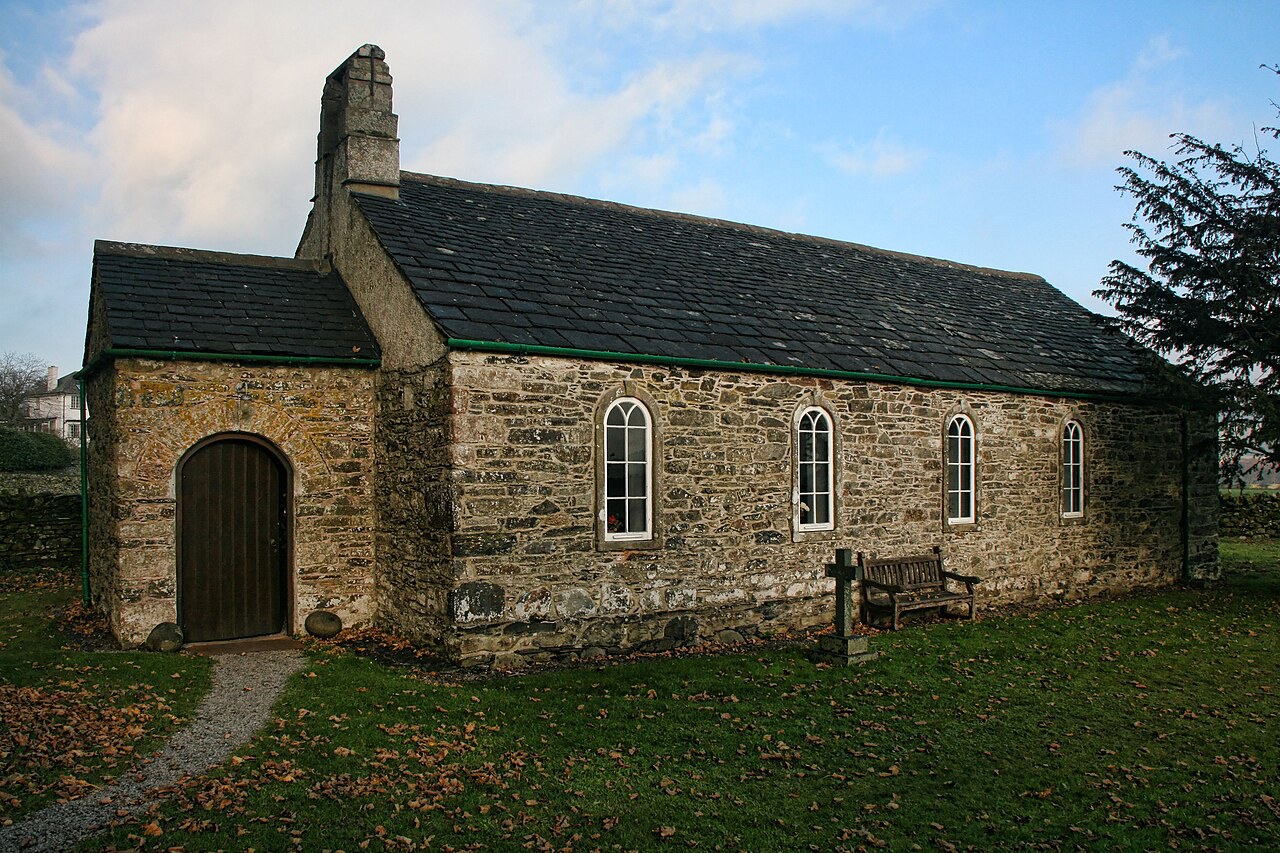
A church of medieval origins dedicated to St Kentigern, also known as St Mungo, a Celtic saint whose dedication is shared by several Cumbrian churches.
- Visit length
- Editorial estimate: around 30 minutes
- Locality
- Mungrisdale
- Access
- Mungrisdale has no railway or regular bus; plan transport before travel.
Blencathra
The 868-metre fell lies southwest of Mungrisdale. The Glenderamackin valley gives access to longer approaches through the northern fells.
- Visit length
- Editorial estimate: a full walking day
- Locality
- Blencathra, southwest of Mungrisdale
- Access
- Plan a full fell day and check the route and conditions before setting out; Mungrisdale has no regular bus.
Walks & outdoors
2 places
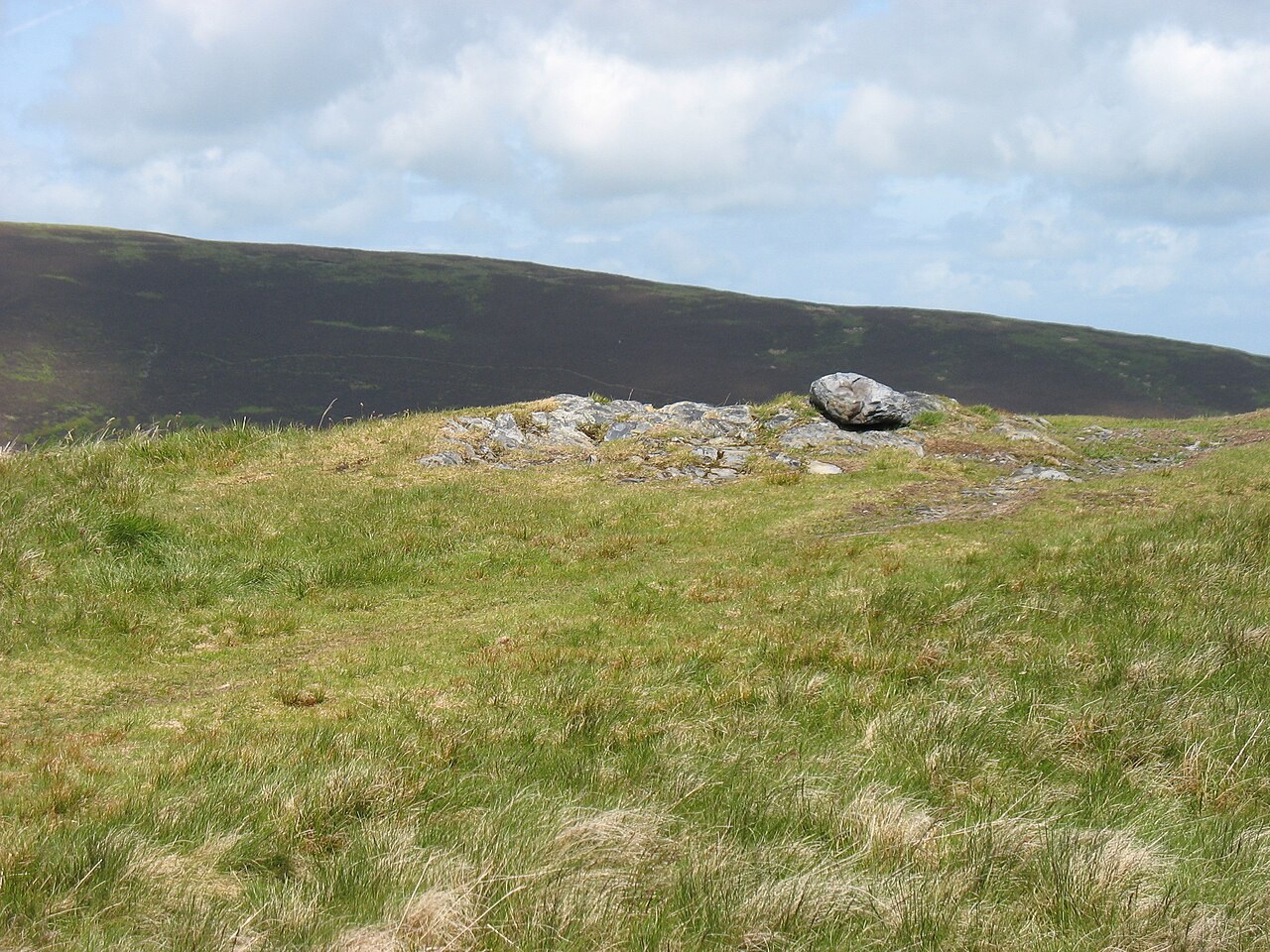
Souther Fell
A modest fell associated with reports in 1735, 1737 and 1745 of ranks of phantom soldiers crossing its summit.
- Visit length
- Editorial estimate: around 2 hours
- Locality
- above Mungrisdale
- Access
- Mungrisdale has no railway or regular bus; plan transport before setting out.
Glenderamackin Valley
A quiet valley walk through one of the Northern Lake District’s quietest valleys, with the local fells rising around Mungrisdale.
- Visit length
- Editorial estimate: around 90 minutes
- Locality
- around Mungrisdale
- Access
- Mungrisdale has no railway or regular bus; plan transport before setting out.
No places match this filter. Choose All places to reset the list.
Three ways to explore Mungrisdale
Signature outings
Take the quiet valley path
Walk into the Glenderamackin valley, where the fells rise directly from the fields around Mungrisdale.
Climb Souther Fell
Take the modest fell above Mungrisdale, remembered for reports of phantom soldiers crossing its summit in formation.
Find St Kentigern
Visit the medieval-origin church dedicated to the Celtic saint also known as St Mungo.
The village story
Mungrisdale: a valley, an inn and the fells
A pint in Mungrisdale leads into quiet valley walks, a medieval church and an unexplained procession on the skyline.
A Pint in Mungrisdale
The Mill Inn's beer garden looks towards the fells. Mungrisdale gives walkers a quiet base for the Glenderamackin valley; reaching Blencathra's 868-metre summit is a substantial fell walk, with a longer approach than the view from the pub might suggest.
The Mill Inn is a 17th-century coaching inn, two miles off the A66 in the Glenderamackin valley, and it is more or less the whole of Mungrisdale's public life. It serves Robinsons beer, it's in the CAMRA guide, and it does food all day from eight in the morning until nine at night. The steak and ale pie is the thing people write about — one TripAdvisor reviewer called it the "Best steak and real ale pie ever," and the reviews agree it arrives packed with steak and generously sized. There are Cumberland sausages with mash, fish and chips, burgers, salads, daily specials built from Cumbrian produce. On the last Friday of the month there's a fish and chips night. Upstairs there are seven rooms.
The Quiet Way In
Beyond the pub, there is not much village to speak of, and no shops at all — the nearest are in Keswick or Penrith. This is a hamlet in one of the quietest valleys in the Northern Lake District, and it stays quiet partly because getting here takes effort. There's no railway and no regular bus. You come by car, two miles down a minor road off the A66, or you don't come.
The walking is the reason to. The Glenderamackin valley offers a quieter approach towards the northern fells, while a Blencathra summit day calls for a longer route. St Kentigern's Church, with medieval origins, stands in Mungrisdale — dedicated to the Celtic saint also known as St Mungo, the one who founded Glasgow, and shared with a handful of other Cumbrian churches including Caldbeck's.
The Procession on the Skyline
Then there's Souther Fell, the modest hump above the village, which has the strangest local record of anywhere in the Lakes. In 1735, and again in 1737 and 1745, groups of people watched an army march across its summit in perfect formation — hundreds of soldiers, ranks and files, moving along the top of the fell. It happened more than once and was seen by more than one person each time. Sir William Stanhope investigated it at the time. Nobody has explained it since. It remains one of the most extensively witnessed supernatural events in English history, which is a strange sentence to write about a fell most people drive past without noticing.
Water through the Valley
Souther Fell itself offers a hill walk, ghost army or no. The valley is the point: fells rising directly out of the fields, one pub with the door open, and the water of the Glenderamackin running through the middle of it, doing what it did before anyone thought they saw soldiers on the hill.
Stay around Lake District
Make a longer stay of it
Travel Fox holiday homes around Lake District, linked directly to their property pages.
For homeowners
Own a holiday home near Mungrisdale?
We manage holiday lets across the Lake District from 12% commission, charged after cleaning costs, with no lock-in. A co-founder visits before you decide.
Holiday let management in the Lake District →
A guide with a point of view
Written from research. Edited for real journeys.
Use the Official site links for live practical details, then use this guide for context, ideas and room to explore.
Photography credits & licences
Third-party photographs are credited to their named creators and reused under the linked Creative Commons licence or public-domain dedication. Travel Fox stores an optimised local copy; the file-specific changes and any browser-applied display crop are disclosed below. Reused photographs link both to the Wikimedia Commons source record and to the declared source image; Travel Fox's own photographs carry no such record and are marked as ours. These image licences do not cover Travel Fox text, branding or page design.
- File:Souther Fell summit - geograph.org.uk - 2493475.jpg — photograph by David Purchase; Souther Fell summit by David Purchase. Source record on Wikimedia Commons. Declared source image. Licence: CC BY-SA 2.0. File changes: Downloaded from Wikimedia Commons, resized to a maximum 1920px edge and encoded as an optimised JPEG. Display changes: Displayed with responsive CSS cropping.
- File:St. Kentigern's Church - geograph.org.uk - 2695304.jpg — photograph by Peter McDermott; St. Kentigern's Church by Peter McDermott. Source record on Wikimedia Commons. Declared source image. Licence: CC BY-SA 2.0. File changes: Downloaded from Wikimedia Commons, resized to a maximum 1920px edge and encoded as an optimised JPEG. Display changes: Displayed with responsive CSS cropping.
Sources
Every place on this page is checked against a published source. Each entry links the record we used and names who publishes it.
- The Mill Inn — licensing2.eden.gov.uk statutory register or public authority
- St Kentigern’s Church — achurchnearyou.com national body or asset manager
- Blencathra — visitlakedistrict.com operator, sector body or destination organisation
- Souther Fell — ratedtrips.com other published source
- Glenderamackin Valley — westcumbriariverstrust.org other published source